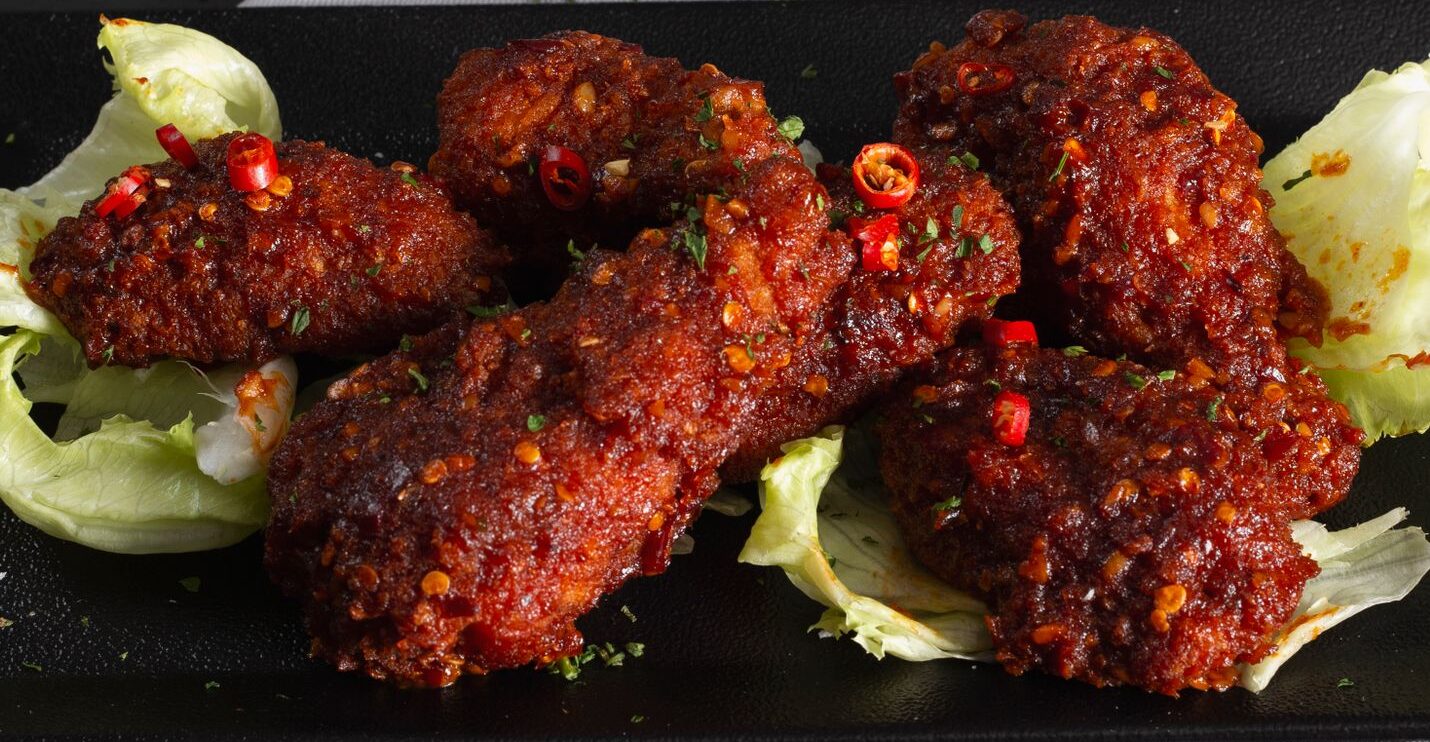
Before Nashville hot chicken became a phrase on menus across the country, people in Nashville sought it out: fried chicken coated in peppery seasoning, resting on white bread, with sliced pickles on top.
The arrangement was straightforward. The flavor was not. Beneath the heat were the familiar pleasures of fried chicken, transformed by a coating that made the dish unmistakable.
Its wider reputation eventually traveled through restaurants, food writing, and a national fast-food launch. But the story begins with a Black family business and the customers who kept returning long before hot chicken became a culinary trend.
To understand why it became a Southern food legend, start with Prince’s Hot Chicken Shack, where family history and Nashville restaurant culture meet.
The Prince Family Story Begins With a Surprise
The best-known origin account centers on Thornton Prince and an unusually spicy breakfast.
According to the Prince family, a woman involved with Thornton prepared heavily seasoned fried chicken after he upset her with his late-night activities. In the family’s telling, he enjoyed the fiery chicken and wanted more.
The family says Prince subsequently developed the recipe and opened a restaurant.
The episode remains part of the Prince family’s oral tradition. Its lasting significance lies in the link between Thornton Prince’s enthusiasm for the chicken and the restaurant that followed.
A dish meant to surprise one person became something customers deliberately ordered. That reversal gives the story its memorable beginning, but the restaurant’s longevity required something beyond a good anecdote: people who wanted to eat the food again.
A Black Nashville Tradition Before a National Trend
Hot chicken’s roots lie in Nashville’s African American culinary life, not in the national restaurant category that later adopted its name.
The Prince family maintained the dish through a business built around preparing and selling food to customers. Beyond the entertaining origin story was the daily work of running a restaurant and serving returning customers.
A famous dish can become detached from the people who sustained it. “Nashville hot” now communicates a recognizable flavor idea, but the name also points to a real place and a family legacy.
Thornton Prince’s great-niece, André Prince Jeffries, became central to carrying that legacy forward.
Her place in the story connects the founder’s generation with the restaurant customers encountered decades later. The business was not merely an old recipe being remembered. It was an operating kitchen, maintained through daily work.
Word of Mouth Kept Customers Coming
Prince’s built a following long before hot chicken attracted national attention.
In a 2006 interview with the Southern Foodways Alliance, André Prince Jeffries described it as a late-night place. Customers followed the restaurant by word of mouth as it moved locations, and they put the chicken in the skillet after ordering.
The picture shows a business with its own rhythm: people arriving late, waiting for their food, and telling others where to find it.
Hot chicken did not suddenly appear when national attention arrived. By 2006, Prince’s already had loyal customers and an established way of serving them.
That history changes how we see its later popularity. What looked new to a wider audience was already familiar to the people who had been eating it for years.
The wider audience came later. The restaurant culture was already there.
More Than Fried Chicken With Heat Added
Nashville hot chicken has a recognizable presentation and a peppery identity.
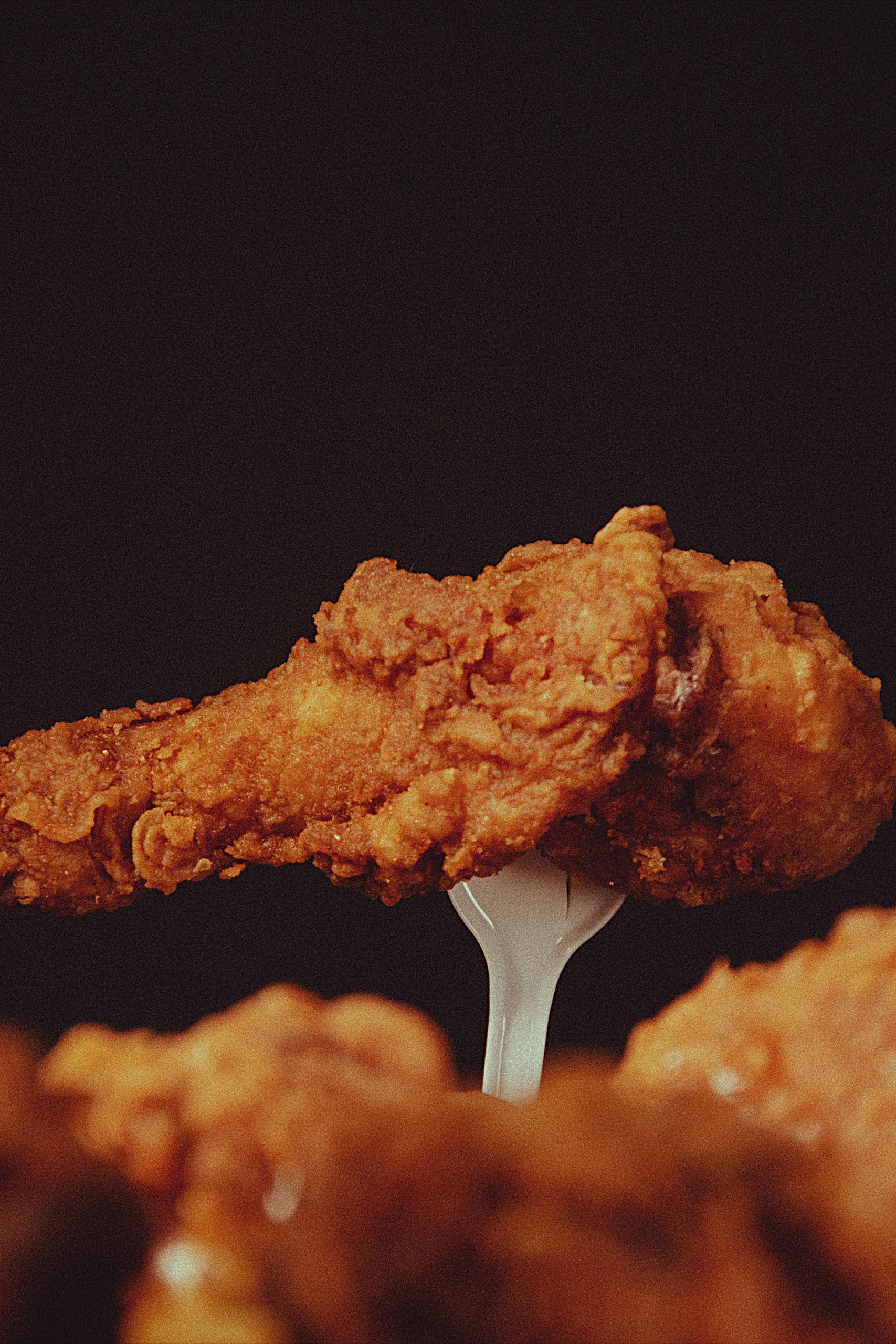
The traditional plate brings together seasoned fried chicken, white bread, and pickles. The bread sits beneath the chicken and catches some of the coating, while the pickles add another texture and flavor.
The seasoning is also more specific than a generic instruction to make chicken spicy. Descriptions focus on a cayenne-based paste or coating, though individual recipes and spice blends vary.
That variation leaves room for different cooks without making every spicy fried chicken dish identical.
The 2006 Prince’s account listed mild, medium, and hot choices. Even in that historical snapshot, customers didn’t all order the same intensity.
Heat was part of the identity, but choosing a level was part of the experience. The dish didn’t require every customer to approach it the same way.
Related: 10 American Foods That Make Visitors Scratch Their Heads- But Many Americans Still Love
How the Name Traveled Beyond Tennessee
By January 2016, versions of Nashville hot chicken appeared in Atlanta, Boston, and New York, according to National Geographic.
Food writer Timothy Davis, interviewed for that story, linked its spread to several factors: its origin story, Nashville’s growth, and the musicians who passed through the city.
Together, those routes offered more than one way for a local meal to travel. Visitors could encounter it in Nashville, talk about it elsewhere, and find versions appearing closer to home.
The city’s name became part of how restaurants explained the food to unfamiliar customers.
Someone who had never visited Prince’s could encounter the words “Nashville hot” and understand that a particular regional tradition was being invoked.
That recognition broadened the audience, but it also made the original businesses more important to understanding what the name represented.
A National Chain Marked a Turning Point
KFC introduced its version of Nashville hot chicken nationally in January 2016.
The launch marked how far the regional specialty had traveled. A dish associated with particular Nashville restaurants had become recognizable enough for a major chain to present to a much larger audience.
That did not make the chain’s version interchangeable with the original restaurant experience. It created another interpretation, sold through a different business model.
The distinction is historical: popularizing a version and sustaining the original tradition are different contributions.
For customers who encounter the dish on a national menu, the Nashville name could become a starting point rather than the end of the story.
Behind that name were the family restaurant, its longtime customers, and the Black culinary community that developed the dish.
Why the Prince Legacy Still Matters
A food becomes a legend through more than visibility. It needs a story people remember, a recognizable identity, and people willing to keep making it.
Nashville hot chicken has all three.
The Prince family account supplies the familiar beginning. The peppery coating, bread, and pickles give the dish a recognizable form. Generations of restaurant work connect that form to a living business.
Remembering the Black family legacy behind the tradition completes the history, without making it less welcoming to other cooks.
The dish can travel, change, and find new audiences while its roots remain visible. Its Southern significance comes from that connection between family, place, and the everyday act of feeding customers.
When a hometown food becomes famous far beyond its original neighborhood, how can we enjoy its new versions while keeping the people who built the tradition at the center of the story?