Some dishes need a special occasion. Pancit can help make one. Across its many Filipino variations, this noodle dish combines savory seasonings, vegetables, and often meat or seafood in a format that suits both an everyday meal and a celebration. Its place at birthday gatherings carries another layer of meaning: the noodles symbolize long life. A platter can therefore offer both dinner and a wish for the person being celebrated.
That symbolism helps explain its staying power, but it is only part of the appeal. Pancit is not one fixed recipe with a single approved noodle or topping. It is a broad family of dishes shaped by regional ingredients, cooking methods, and household preferences. Some versions feature delicate rice vermicelli tossed with chicken and vegetables; others arrive under shrimp-infused sauce and generous toppings. Familiarity and variety coexist on the same serving platter.
Cookbook author Yasmin Newman captures its party-table status in 7,000 Islands, writing that “no party is complete without an oversized platter of noodles,” as quoted in Serious Eats’ guide to Filipino food. That reflects pancit’s cultural importance, not a rule every household follows. Still, it points to the bigger story: this food is associated with abundance, good wishes, and the pleasure of feeding people together.
The Birthday Tradition Comes With a Wish for Long Life
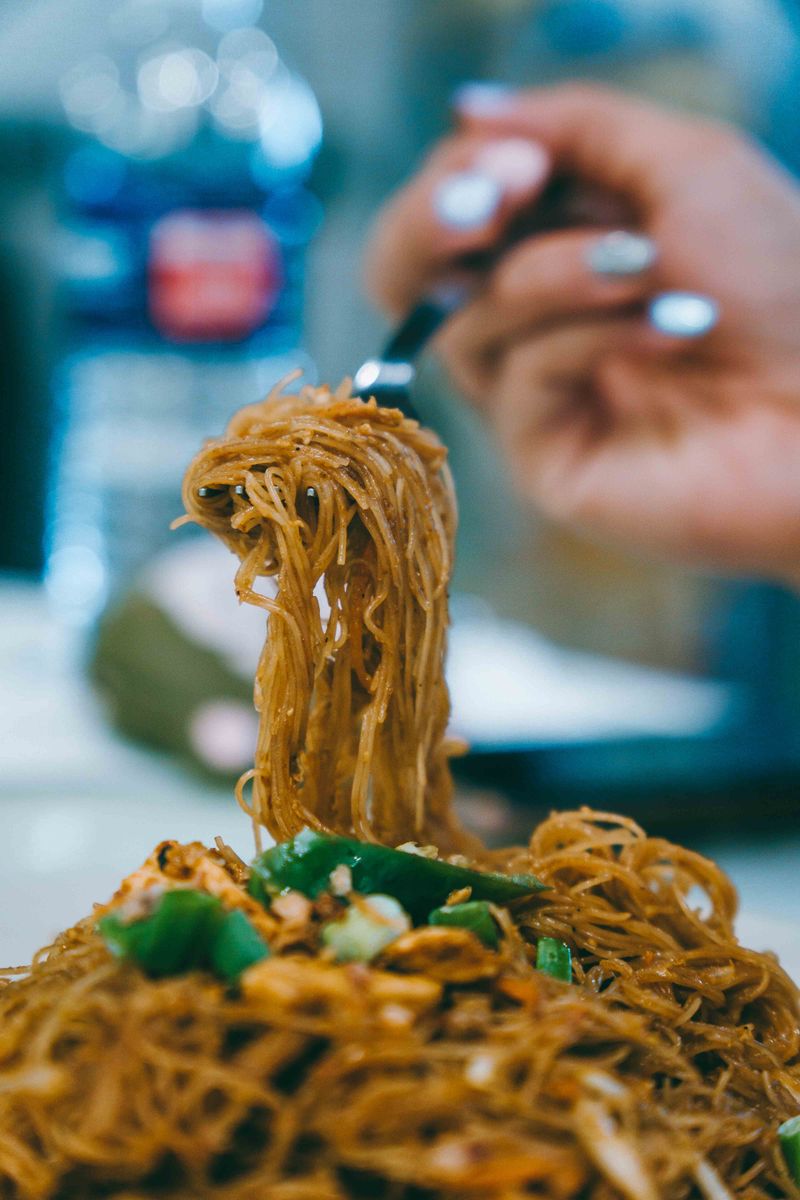
Chinese traders brought noodles to the Philippines, and their association with longevity became part of Filipino celebration traditions. Pancit is commonly served at birthdays, holidays, and other gatherings, chef and cookbook author Yana Gilbuena explains in Serious Eats. The noodles’ length carries symbolic meaning; the dish does not promise a longer life in any literal sense. It is an edible expression of hope, much like other foods chosen to mark a new beginning or milestone.
The custom also appears at weddings, baptisms, and graduations, according to reporting in The Philippine Star. That range matters because pancit’s significance extends beyond counting another birthday. It can accompany several moments when families gather to recognize someone’s future. The tradition of leaving the noodles uncut preserves the long-life symbolism, although it should be understood as a cultural belief rather than a cooking requirement shared identically by every family.
Celebration food also carries meaning through sharing. In her Oregon Humanities essay “Love and Noodles,” Marilou Carrera recalls watching guests bring dishes to her parents’ gatherings, with pancit’s arrival a particular highlight. “When someone makes it for you, you know you are loved,” Carrera writes. Her recollection offers something a list of ingredients cannot: an explanation of how a familiar dish becomes tied to being welcomed and cared for. oregonhumanities
Those memories can travel with people, too. Carrera describes pancit as a connection for people who migrated from the Philippines and those born abroad, recalling how making it brings family and community to mind. That is her personal experience, not a universal account of Filipino identity. But it illuminates why a dish can remain important after the occasion ends: preparing and sharing it can reconnect people with gatherings they remember.
There Is More Than One Way to Bring Pancit to the Party
Part of pancit’s appeal is that the word covers many dishes rather than one standardized preparation. Gilbuena explains that names may identify the noodles, ingredients, place of origin, or even how the food is eaten. Pancit Malabon, featuring assorted seafood, takes its name from the coastal city in Metro Manila. Pancit habhab, meanwhile, is served on a banana leaf that doubles as an eating utensil. The differences are part of the tradition.
Pancit bihon is one of the most common versions, built around thin rice vermicelli. Its possible additions include shredded chicken, pork, shrimp, cabbage, carrots, snow peas, wood ear mushrooms, and quail eggs. These are examples of the dish’s range, not a checklist every cook must complete. In Gilbuena’s recipe, chicken, carrots, and snow peas accompany noodles seasoned with soy sauce, oyster sauce, and fish sauce, producing a savory combination with distinct textures.
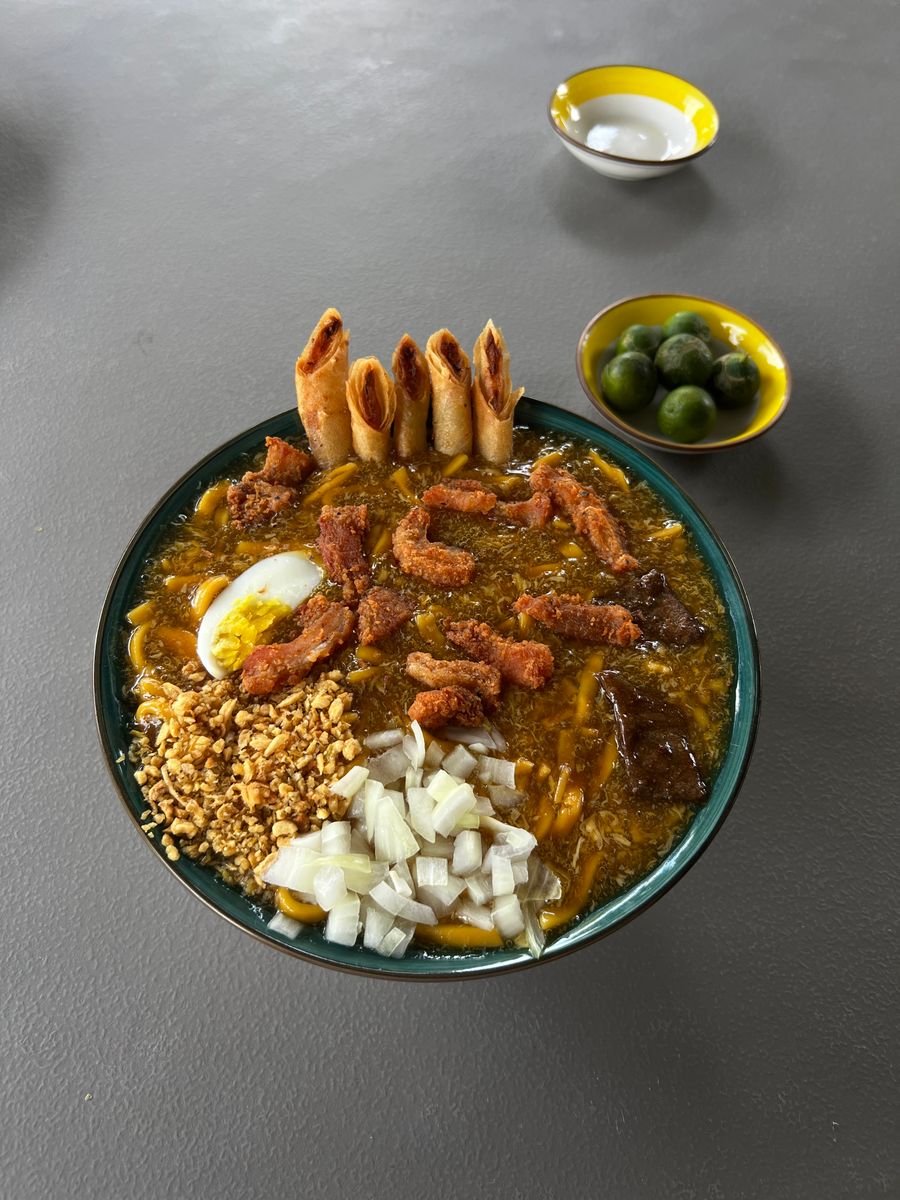
Pancit palabok makes a different entrance. Rice noodles sit beneath an orange-tinted, shrimp-infused annatto sauce, with toppings that can include shrimp, crushed chicharon, hard-boiled egg slices, and scallions. Citrus served alongside adds another finishing element. Compared with bihon’s tossed preparation, palabok demonstrates how widely presentation and flavor can vary within the category. Calling both simply “noodles” misses much of what makes each recognizable.
Even the category has surprises. Pancit Molo is a dumpling soup using wonton wrappers, named after the Molo district of Iloilo City, where a substantial Chinese community lived during the Spanish colonial period. That example is a useful reminder not to reduce pancit to a single stir-fry formula. Its history reflects Chinese influence, but its many local forms show how thoroughly those influences became part of Filipino cooking.
Everyday Practicality Helps Keep It on the Table
Pancit’s name points toward convenience as well as celebration. Gilbuena traces it to the Hokkien phrase “pian e sit,” roughly translated as “conveniently cooked food.” Historical accounts describe Chinese food hawkers selling prepared meals to workers and the development of panciterias, or noodle eateries. The precise early history should not be compressed into one neat invention story, but the connection between noodles and accessible, prepared food is well established in these accounts.
Convenience does not mean every version is a 15-minute dinner. Gilbuena’s bihon recipe takes about one hour and 20 minutes, including simmering chicken to produce both shredded meat and stock. Once those components are ready, the vegetables are quickly stir-fried and the noodles cooked in the broth before everything is combined. She calls the result “suitable for any day of week and for any occasion,” capturing its ability to move between ordinary meals and gatherings.
That flexibility fits the family-style table food writer Kristina Razon describes in Serious Eats, where large bowls and platters invite diners to help themselves. Pancit brings flavorful noodles, vegetables, and protein into that shared arrangement without needing to be reserved for a milestone. At a birthday, it carries a wish for more years ahead. At dinner, it can simply be a familiar dish passed around, and for those who grew up with it, that familiarity has its own meaning.
Other Posts You Might Like
- 9 Things Retired Americans Wish They Had Done Differently Before Age 60
- Outdated American Traditions We Need to Rethink
- 15 Powerful Tips for Staying Motivated to Work Out and Achieve Your Fitness Goals