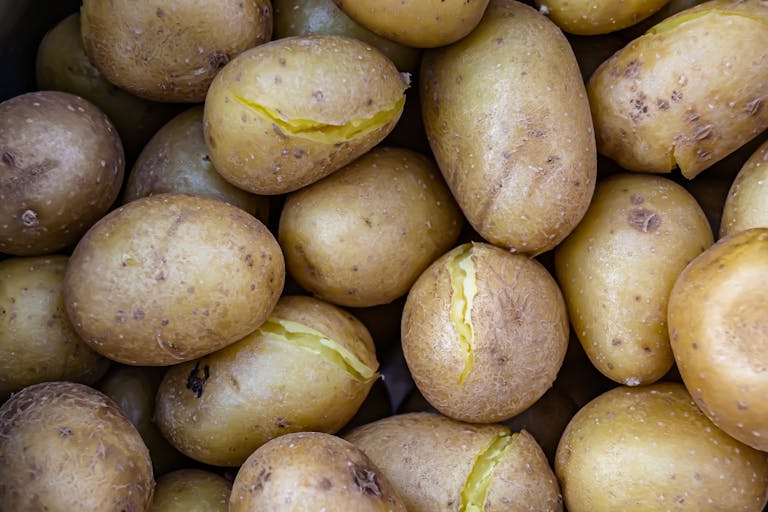
Some burgers build their reputations on towering patties, elaborate sauces, or toppings that require structural engineering. Oklahoma’s fried onion burger takes another approach: pile thinly sliced onions onto ground beef, press them together on a hot griddle, and let the two ingredients become something better than their separate parts. The onions are not a garnish added at the end. They cook directly into the patty, contributing moisture, browned edges, and sweetness.
That technique helps explain why a burger associated with stretching a modest amount of meat became a regional favorite rather than a forgotten economy meal. Its roots trace to El Reno, west of Oklahoma City, where local tradition credits restaurateur Ross Davis and the Hamburger Inn with creating it in the 1920s. Often called a “Depression Burger,” it turned an inexpensive ingredient into the sandwich’s defining feature.
The appeal has lasted well beyond the circumstances that inspired it. Long-running El Reno restaurants made the burger part of everyday local life, while newer businesses carried it to more customers. It even has a festival and a historic marker. The story is not simply that onions were cheap; it is that cooking them this way gave people a burger worth ordering again.
The Onions Started as a Money-Saving Move
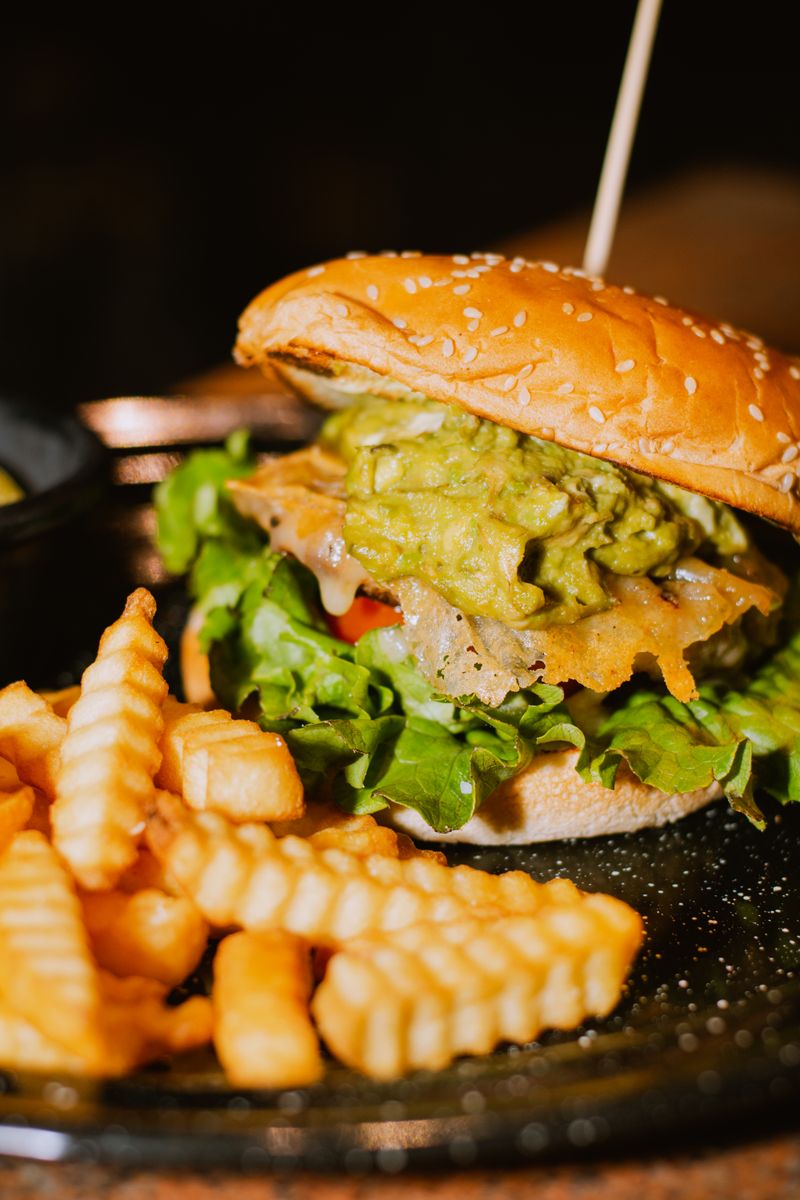
The familiar origin story centers on Davis using onions to stretch small portions of ground beef at the Hamburger Inn. Eater describes the account as a local legend, reporting that the extra onions helped him keep his burgers at five cents. The restaurant eventually closed, but its association with the sandwich endured. The safest way to tell that history is as a widely repeated attribution, rather than a precisely documented moment at the griddle.
The timeline also deserves some care. Although the “Depression Burger” nickname encourages a 1930s origin story, the William G. Pomeroy Foundation’s historic marker dates the specialty’s introduction to the 1920s. Its supporting history notes that agricultural communities in Oklahoma were experiencing economic trouble as early as 1921. The burger’s association with hard times is well established, but its origins should not automatically be pushed into the Great Depression itself.
The basic economics were straightforward. “Everything was very expensive in Oklahoma during the Depression. But onions were cheap to grow,” Larry O’Dell, then director of communications and development at the Oklahoma Historical Society, told BBC Travel in 2023. Onions supplied additional bulk without requiring a larger beef portion. What began as practical resourcefulness also produced a distinctive cooking style: the vegetable and meat were pressed together, rather than prepared as separate components.
That distinction matters because a cost-cutting measure alone does not explain generations of loyalty. The onions did more than make the patty look substantial; they changed the eating experience. Eaters’ reports describe onion juices keeping the meat moist, followed by the browning that develops as the burger cooks on the griddle. The resulting sandwich delivers beefy richness alongside softened, slightly sweet onions and crisp, deeply browned edges.
Why Smashing the Onions Into the Beef Works
The Oklahoma onion burger is not simply a conventional hamburger wearing a scoop of fried onions. Thin slicing is central to the form. Eater describes a generous mound of shaved onions placed on a beef patty, with the two cooked together and pressed firmly on the griddle. That close contact turns the onions into part of the patty, with strands spreading beyond its edges.
At Sid’s Diner in El Reno, founder Marty Hall explained his approach to BBC Travel: “I use an 80/20 grind of fine ground beef and Spanish yellow onions sliced very, very thin.” He also described seasoning with equal parts salt and pepper. It is a notably short list for something with such a strong regional identity. The emphasis is on the beef, the onion preparation, and handling the hot cooking surface, not a complicated seasoning blend.
There is room for variation without losing that identity. In her Eater burger crawl, Amy McCarthy found thicker, especially juicy patties at Johnnie’s Hamburgers and Coneys and thinner burgers with assertive char at Sid’s. The onions ranged from lightly caramelized to more deeply browned. Those differences show that a recognizable regional style doesn’t require every restaurant to produce an identical sandwich. The shared foundation is onions cooked into griddled beef.
Toppings can stay restrained. The Pomeroy Foundation notes cheese and pickles as optional additions, while the Halls told BBC Travel that their preferred traditional serving uses mustard and pickle slices. That combination leaves the beef-and-onion pairing prominent rather than hiding it beneath a stack of extras. Cheese has its place, but the defining ingredient does not need much help announcing itself. In this burger, the onions have already done the heavy lifting.
Related: New Whataburger Expected to Open Oct. 5 in Shenandoah Near The Woodlands
Generations of Diners Turned It Into a Local Institution
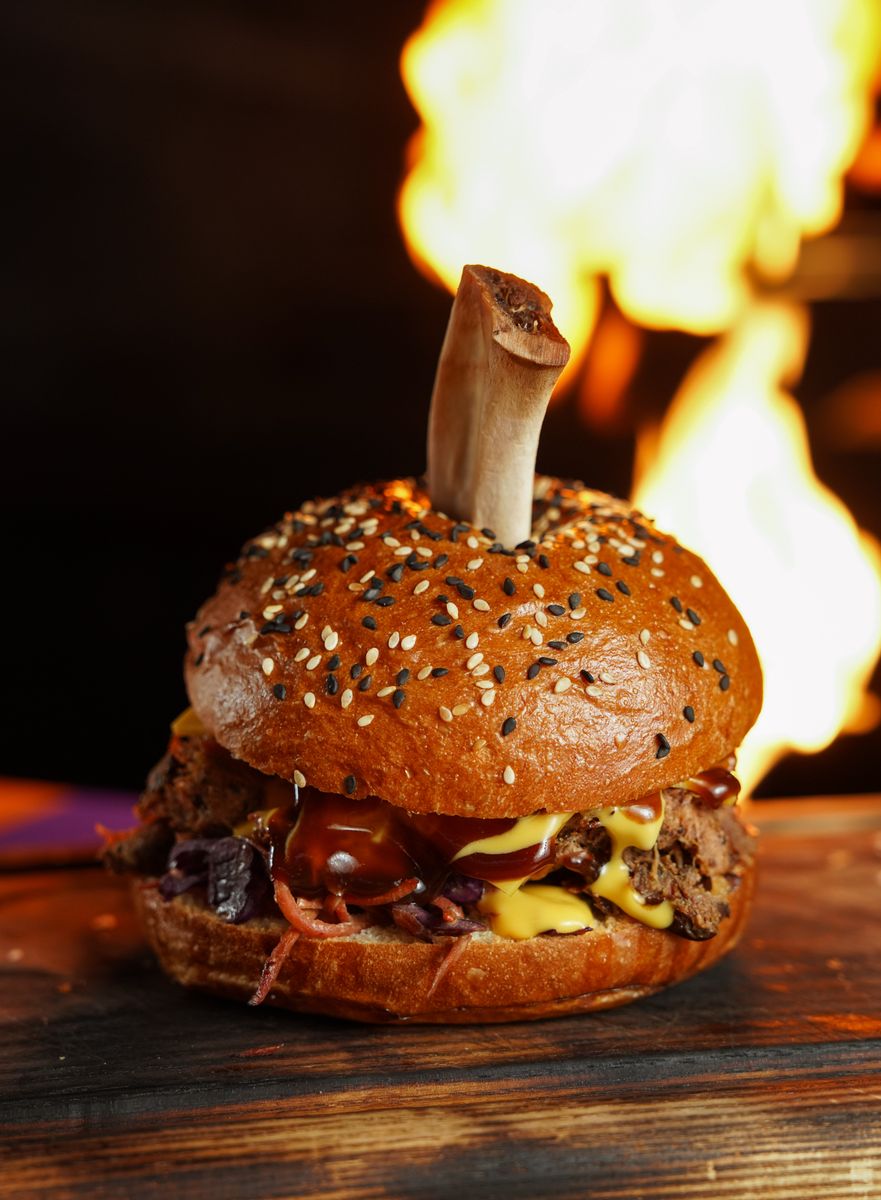
El Reno’s restaurants gave the sandwich staying power. Robert’s Grill has served onion burgers since 1926, according to Eater; Johnnie’s opened in 1946, and Hall established Sid’s Diner in 1989. These businesses made the burger more than an interesting origin story. They provided places where customers could keep eating it, bring their families, and develop loyalties to a particular balance of beef, onions, browning, and toppings.
“Johnnie’s opened in 1946, and we haven’t changed the recipe one bit, except adding more beef,” owner Lacey Brickey told BBC Travel in 2023. Meanwhile, the tradition gained a public celebration: the Pomeroy Foundation dates El Reno’s annual fried onion burger festival to 1988. Shana Ford, then executive director of the Burger Day Festival, described the local association plainly: “When asking the community what we are known for, the answer is unanimous: fried onion burgers.”
The burger has also traveled beyond its original diner counters. Tucker’s Onion Burgers opened in Oklahoma City in 2011, while Eater documented the style at George Motz’s Hamburger America in New York. Yet its strongest explanation may still come from the people who grew up eating it. As O’Dell told BBC Travel, “I don’t know how to explain it other than that it feels like Oklahoma. It tastes like home.” An affordable ingredient became a signature flavor, and repeated meals made it a regional attachment.
Other Posts You Might Like:
- 6 Tiny Restaurant Touches That Are Quietly Winning Over Diners and Making Every Visit Feel Personal
- 7 Restaurant Chains Americans Love the Most