A ready-to-eat lunch that seemed perfectly ordinary has become the center of a lawsuit after two women say eating Trader Joe’s chicken salad wraps left them seriously ill.
Two women are suing Trader Joe’s, alleging that its Tarragon Chicken Salad Wraps caused E. coli O157 infections that required hospitalization. The lawsuit, filed in October 2026, comes as federal health officials investigate a multistate outbreak linked to a suspected chicken wrap product. The case raises questions about food safety, supply-chain transparency, and how much information shoppers receive while investigators still try to identify an outbreak’s source. The allegations have been reported by Quality Assurance Magazine.
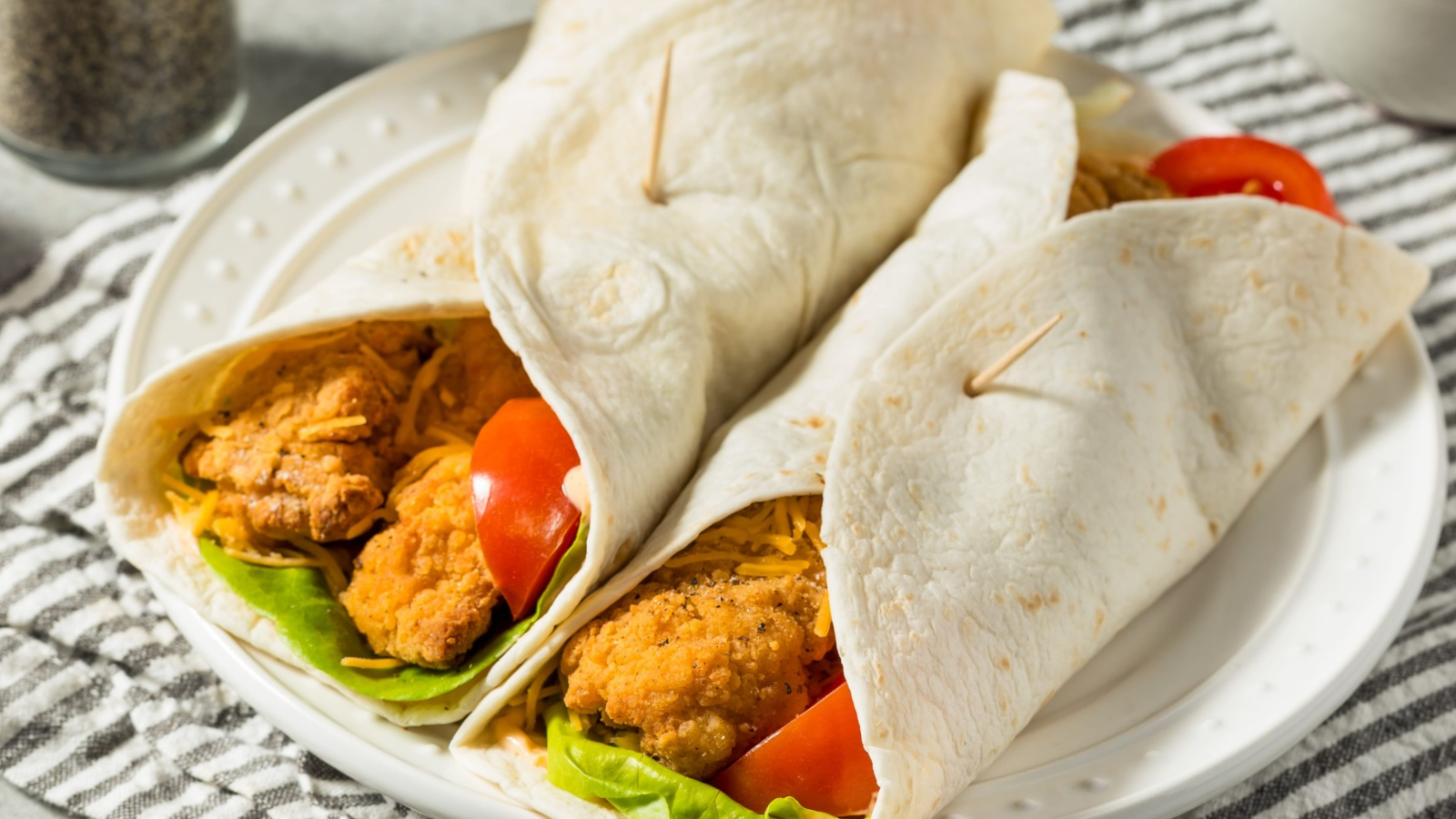
Two Women Describe Frightening Experiences
For both women, what began as an ordinary meal was followed by symptoms serious enough to send them to the hospital.
The lawsuit was filed on behalf of Gayle Gottlieb of North Carolina and Meaghan Egan Bright of Massachusetts. According to the complaint, Gottlieb purchased Tarragon Chicken Salad Wraps at a Trader Joe’s store in Myrtle Beach, South Carolina, while Bright bought one at a store in Allston, Massachusetts.
The women allege that they developed severe abdominal pain and other gastrointestinal symptoms after eating the wraps. Their infections were reportedly confirmed through laboratory testing, and their attorneys say local health departments connected their illnesses to the wider outbreak.
Reporting by WRAL describes Gottlieb’s account of becoming ill days after eating a wrap and subsequently seeking emergency treatment. The lawsuit also details Bright’s hospitalization after her symptoms worsened. These remain allegations in an ongoing legal case, not a final court determination of responsibility.
Federal Investigators Are Tracking 50 Illnesses
The lawsuit has attracted attention because the suspected outbreak extends beyond these two women.
The U.S. Food and Drug Administration’s outbreak investigation information lists 50 reported illnesses associated with E. coli O157 and identifies a multi-ingredient chicken wrap as the suspected source. The investigation began in September and involves the FDA and the U.S. Department of Agriculture’s Food Safety and Inspection Service.
Investigators are working to determine which ingredient may have been contaminated and whether it was used in other products. A wrap can contain several ingredients, including chicken, vegetables, dressing, and a tortilla, so it’s important to determine where contamination may have occurred.
According to the FDA’s outbreak investigation updates, the suspected product was past its shelf life and no longer available for purchase when the agency provided its update. Officials had not publicly identified a specific contaminated ingredient or confirmed every detail alleged in the lawsuit.
Why the Lawsuit Names Trader Joe’s
The plaintiffs want answers about how the wraps were made, distributed, and handled before reaching store shelves.
The complaint alleges product liability, negligence, and breach of implied warranty, among other claims. The plaintiffs are seeking a jury trial, and the legal process could help establish what happened and whether the retailer or other parties bear responsibility.
Their attorneys argue that information about the manufacturer, ingredients, distribution records, and timing of the product’s removal from stores is important to understanding the outbreak. Not all of those details are public.
Trader Joe’s had not responded publicly to the lawsuit in the reports available at the time of writing. The company will have an opportunity to respond through the legal process, and no liability has been established.
Related: 9 Weird Convenience Store Discoveries That Will Make You Look Twice.
The Recall Question Is Complicated
Shoppers understandably want clear warnings, but foodborne illness investigations can take time to identify a specific product or ingredient confidently.
The lawsuit alleges that no recall or public health alert identified the wraps. Federal agencies, meanwhile, have described chicken-containing wraps as the suspected source of the outbreak without publicly naming a specific manufacturer or confirming a particular ingredient.
Investigators may need to interview ill people, compare lab findings, trace ingredients through suppliers, and review product records. By the time a connection becomes apparent, the food may already have passed its use-by date.
The distinction between a suspected source and a confirmed cause matters. However, consumers also need timely, understandable information when health officials believe a food may pose a risk.
What Consumers Should Know About E. Coli
Recognizing serious symptoms early matters more than trying to identify the source of an illness on your own.
E. coli infections can cause severe stomach cramps, diarrhea, and sometimes bloody diarrhea. Certain infections may lead to hemolytic uremic syndrome, a serious complication that can damage the kidneys.
Anyone experiencing bloody diarrhea, severe abdominal pain, dehydration, or other concerning symptoms should seek medical attention promptly. People who suspect foodborne illness should tell their healthcare provider what they ate and when symptoms began.
For now, the lawsuit leaves important questions unanswered, while federal investigators continue examining the outbreak. The case may reveal more about the wraps’ supply chain and whether additional steps could have helped prevent the reported illnesses.
When a food is suspected of causing an outbreak, should retailers disclose the product name immediately, or wait until investigators confirm the source?