Artichokes deserve more attention than they usually get in the kitchen. Too often, they appear as a supporting ingredient in creamy dips or as a few pieces scattered through a pasta dish.
But these distinctive vegetables can do much more, from starring in traditional Italian recipes to making an ordinary weeknight dinner feel special.
The best part is that you do not have to spend ages preparing them to enjoy their versatility. Fresh artichokes offer a hands-on cooking experience, while canned, jarred, and frozen hearts provide convenient shortcuts.
Here are five reasons to give artichokes a bigger role in your next meal.
They Bring More Fiber to Your Plate
Globe artichokes offer more than an interesting appearance. According to USDA-derived nutrition data, one medium artichoke provides approximately 5.7 grams of dietary fiber in a 100-gram edible serving when cooked, boiled, drained, and prepared without salt. The same serving contains 59 calories and 2.9 grams of protein.
That makes artichokes a useful ingredient to consider when planning meals around vegetables and other fiber sources. Try serving a steamed or braised artichoke as the meal’s centerpiece rather than hiding small pieces among other ingredients.
Remember, these figures describe the edible portion of a plain, cooked artichoke. Butter, mayonnaise, olive oil, and other accompaniments change the finished dish’s nutritional profile.
They Make a Traditional Italian Dish Feel Special
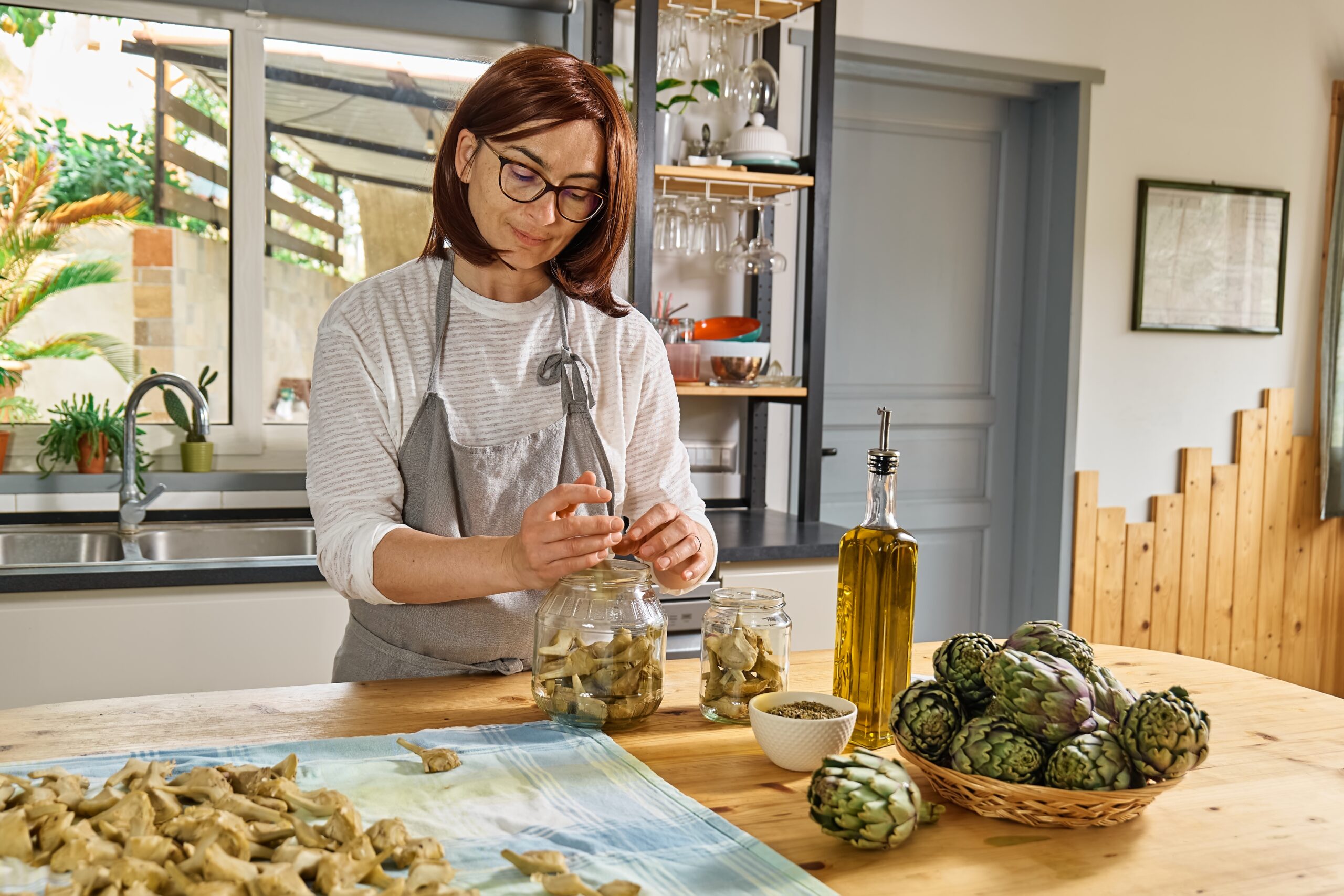
Carciofi alla Romana, or Roman-style braised artichokes, show how a straightforward cooking technique can make this vegetable the main attraction.
Serious Eats’ version combines artichokes with parsley, mint, oregano, garlic, olive oil, and white wine, letting the vegetables soften while absorbing the seasonings’ flavors.
The artichokes are trimmed, seasoned, and gently cooked until a fork can enter them easily. The recipe calls for about 20 to 30 minutes, though smaller artichokes may finish sooner. They can be served warm or at room temperature, making them suitable for a relaxed meal or an inviting shared table.
The traditional Roman approach often uses an herb called mentuccia, while the cited adaptation uses more widely available herbs to approximate its flavor. It is a good reminder that classic cooking can be approachable without requiring hard-to-find ingredients.
RELATED POSTS: 10 Restaurant-Worthy Dishes Chefs Are Bringing Home
They Can Transform Everyday Pasta and Pantry Meals
Artichoke hearts can turn familiar dishes into something more interesting without requiring an elaborate recipe. One approach is to sauté chopped canned or jarred artichoke hearts with garlic, then toss them with pasta, lemon, Parmesan, and toasted breadcrumbs. Their texture and savory character add another layer of interest.
You can also add artichokes to tuna and white bean salad or use them in braised chicken dishes with olives and capers. These are serving ideas rather than a single standardized recipe, so you can adjust the other ingredients to suit the meal.
The important detail is choosing the right type of artichoke. Plain canned hearts let you control the seasoning, while marinated hearts bring their own oil, acidity, and flavorings. Both can work beautifully, but they will not produce exactly the same result.
Convenient Artichoke Hearts Make Weeknight Cooking Easier
Canned, jarred, and frozen artichoke hearts make it easier to cook with artichokes without prepping whole fresh vegetables. Preserved hearts are already prepared and cooked, so they’re especially useful for pasta dishes, salads, and dips.
For spinach-artichoke dip, Serious Eats recommends canned or frozen precooked hearts as convenient options. With canned hearts, drain and dry them before chopping to manage excess moisture in the finished dip.
This shortcut is particularly useful when you want artichokes to be a regular part of your cooking rather than an occasional project. Just remember that marinated hearts may add oil, salt, and acidity, while frozen products may require preparation according to their package directions.
Whole Artichokes Make an Eye-Catching Centerpiece
Whole steamed or braised artichokes offer a distinctive way to serve vegetables at the table. Their layered appearance makes them visually appealing without elaborate decoration, and serving them whole lets diners appreciate the vegetable beyond its familiar canned heart.
There’s more to eat than many first-time cooks realize. The tender heart is edible, and the inner portion of the stem can be enjoyed after its tough exterior is peeled away. You don’t eat the tough outer bracts or fuzzy choke, so trimming and preparation still matter.
To prepare whole artichokes, trim the top, remove thorny tips where needed, and peel the stem. Cut surfaces can brown during prep, so the guide recommends keeping the trimmed artichokes in lemon water.
Serve the finished artichokes with accompaniments you enjoy, or make them the centerpiece of a meal alongside other dishes. Either way, they bring a little ceremony to the table without requiring complicated cooking.