Some of the world’s most beloved foods began with kitchen mistakes, unexpected discoveries, or cooks trying to solve an entirely different problem. Imagine a world without crispy potato chips, chocolate chip cookies, or ice cream cones. Surprisingly, the stories behind these favorites are not always as straightforward as you might think. From a child’s frozen treat to a famous cookie that became an American classic, these 10 foods prove unexpected results can be delicious.
Chocolate Chip Cookies
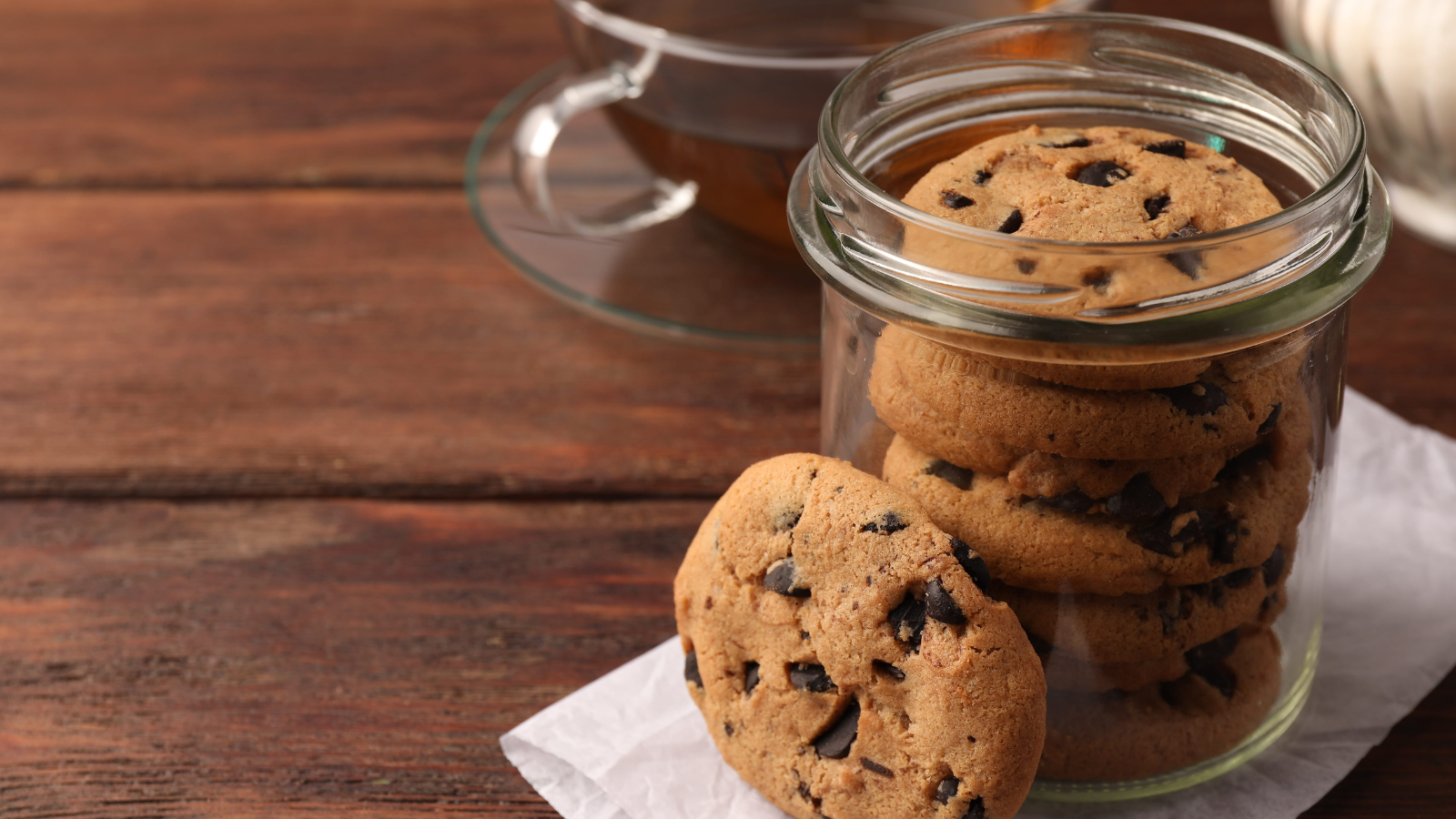
One of America’s favorite cookies began with a creative experiment in a Massachusetts kitchen.
In the 1930s, Ruth Wakefield, who ran the Toll House Inn with her husband, developed the chocolate chip cookie. The popular story says she added chopped chocolate to the cookie dough, expecting it to melt throughout. Instead, the pieces remained distinct, creating the familiar combination of buttery cookie and chocolate.
Historians note that the exact circumstances are debated, but Wakefield’s recipe helped popularize the treat. Today, chocolate chip cookies are a staple in bakeries and home kitchens. The Library of Congress explores Wakefield’s contribution to this classic dessert.
Potato Chips
A frustrated customer’s complaint may have helped inspire one of the world’s crunchiest snacks.
The famous story dates to 1853, when chef George Crum worked at a restaurant in Saratoga Springs, New York. Legend says a customer complained that the fried potatoes were too thick. Crum reportedly sliced another batch extremely thin and fried it until crisp.
The customer supposedly loved the result, and the potato chip became associated with Saratoga’s culinary scene. Although the details are debated, the story remains one of food history’s most entertaining tales. The Smithsonian’s Lemelson Center examines the invention.
Popsicles
An ordinary cold evening turned an eleven-year-old boy into a future inventor of frozen treats.
In 1905, Frank Epperson reportedly left a drink made with powdered soda mix and water outside overnight, with a stirring stick still inside. The mixture froze, creating a sweet ice treat attached to the stick.
Years later, Epperson commercialized the idea. His frozen creation eventually became known as the Popsicle, introducing generations of children to a refreshing summer favorite.
Ice Cream Cones
A shortage of serving dishes helped popularize a dessert combination we still enjoy today.
The ice cream cone became widely associated with the 1904 World’s Fair in St. Louis. One popular account describes an ice cream seller running short of dishes and receiving help from a nearby waffle vendor, who rolled a thin pastry into a cone.
However, several people have been credited with developing edible ice cream cones, and the precise origin remains disputed. What is clear is that the fair helped popularize this convenient way to enjoy ice cream. The Library of Congress explains the competing origin stories.
Cornflakes
A forgotten batch of cooked grain helped inspire a breakfast staple.
In the late nineteenth century, brothers John Harvey Kellogg and Will Keith Kellogg experimented with grain-based foods while working at the Battle Creek Sanitarium in Michigan. Their experiments with cooked grain and rolling techniques helped produce flakes that could be toasted.
The brothers later developed corn-based versions, contributing to the breakfast cereal industry. What began as experimentation became a product enjoyed in countless households.
Related: 9 Beloved Foods That Began as Poverty Staples
Worcestershire Sauce
A sauce that initially disappointed its creators eventually became a pantry favorite.
Chemists John Wheeley Lea and William Henry Perrins developed a sauce in nineteenth-century England after being commissioned to recreate a flavor inspired by India. The first mixture reportedly tasted unpleasant, so it was left to mature.
Over time, fermentation transformed the mixture into the tangy, savory condiment now known as Worcestershire sauce. Its distinctive flavor makes it a popular addition to marinades, soups, and savory dishes.
Nachos
A group of hungry guests inspired a quick dish that became internationally famous.
In 1943, Ignacio Anaya, known as Nacho, reportedly improvised a snack for American military wives visiting a restaurant near the Texas border in Mexico. With limited ingredients available, he topped tortilla chips with cheese and sliced jalapeños.
The simple combination became known as nachos and spread far beyond its original setting. Today, countless versions feature beans, meat, salsa, and other toppings.
The Popsicle’s Famous Cousin: Ice Pops
The frozen-treat idea became so popular that it inspired countless homemade variations.
The basic idea behind an ice pop is wonderfully simple: freeze flavored liquid around a stick or in a mold. Epperson’s accidental discovery helped popularize the commercial version, but families have long experimented with freezing fruit juices and sweet drinks.
Today, homemade ice pops can include watermelon, strawberries, yogurt, or blended fruit. They are proof that an easy kitchen experiment can become a refreshing tradition.
Chocolate Chip Ice Cream
A classic cookie eventually inspired another dessert favorite.
Chocolate chip ice cream combines creamy ice cream with small pieces of chocolate, while chocolate chip cookie dough ice cream takes the idea a step further. Ben & Jerry’s helped popularize the cookie-dough version after customers suggested it in the 1980s.
Although this flavor was developed deliberately rather than through a famous accident, it shows how unexpected inspiration and customer suggestions can influence food trends.
The Sandwich
A practical request helped name one of the world’s most adaptable meals.
The sandwich is traditionally associated with John Montagu, the fourth Earl of Sandwich, during the eighteenth century. According to a popular account, he wanted meat served between slices of bread so he could eat without interrupting his activities.
Historians debate the details of the story, and people had been placing fillings between bread long before the Earl. Nevertheless, his name became attached to a format that now includes everything from simple cheese sandwiches to elaborate restaurant creations.
When Kitchen Mistakes Become Classics
Sometimes, the best food discoveries happen when a recipe takes an unexpected turn.
These stories show how experimentation, practical problems, and happy surprises have helped shape the foods we enjoy today. Not every famous origin story is completely verified, but each offers a glimpse into the creativity behind everyday eating.
The next time a recipe goes wrong, remember that unexpected results can sometimes lead somewhere delicious.
Which accidental food invention surprised you most: potato chips, chocolate chip cookies, or the ice cream cone?