Some foods have a serious image problem. They sound like something your grandfather would order at a roadside diner while everyone else quietly sticks to pancakes. Liver and onions? Pickled eggs? A sandwich made with cheese famous for its smell? None of these exactly screams delicious at first.
But appearances can be deceiving, especially with old-fashioned American comfort food. Behind those strange names and questionable presentations are recipes that have survived generations for good reason. Some deliver incredible flavor, others focus on texture, and a few might change your mind after one bite.
Before you turn up your nose, these seven old-school favorites deserve a fair chance.
Liver and Onions
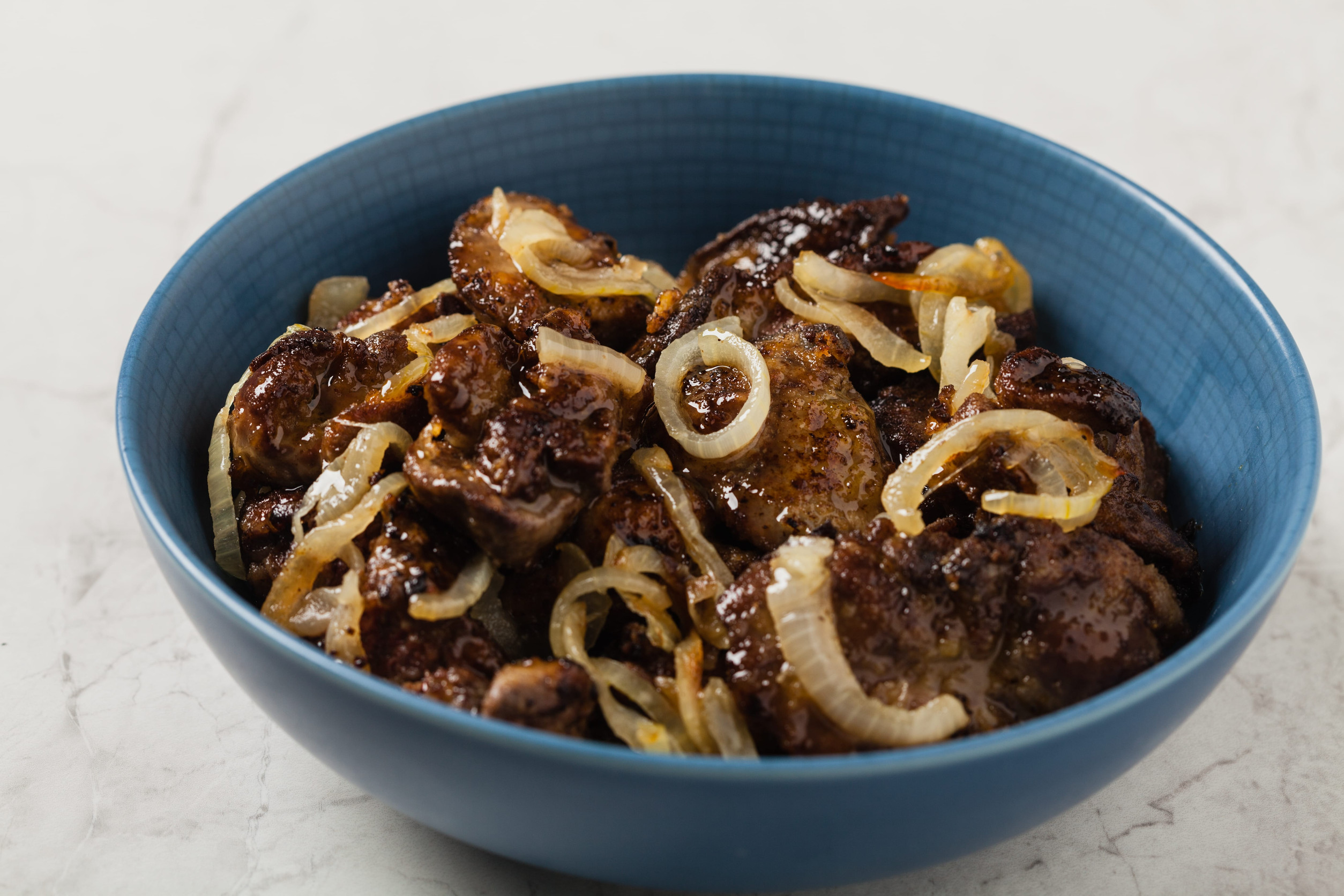
Liver and onions might be the ultimate food that separates adventurous eaters from everyone else. The thought of eating organ meat is enough to make some people push their plates away. And if you’ve ever tasted badly cooked liver, you probably understand why this dish has such a complicated reputation.
But properly prepared liver is a different experience. Cooked carefully, it develops a tender texture and a rich, savory flavor. The onions add sweetness that balances the meat’s stronger flavor, making the combination more appealing than either ingredient might sound alone.
This classic hasn’t disappeared from American restaurants, either. Texas cafeteria chain Luby’s still lists French Grilled Liver and Onions on its menu.
If you’re curious, start with a small serving and plenty of caramelized onions. The secret is finding a version that hasn’t been cooked until it’s dry and tough. One good plate might explain why this old-fashioned meal has lasted so long.
Pickled Eggs
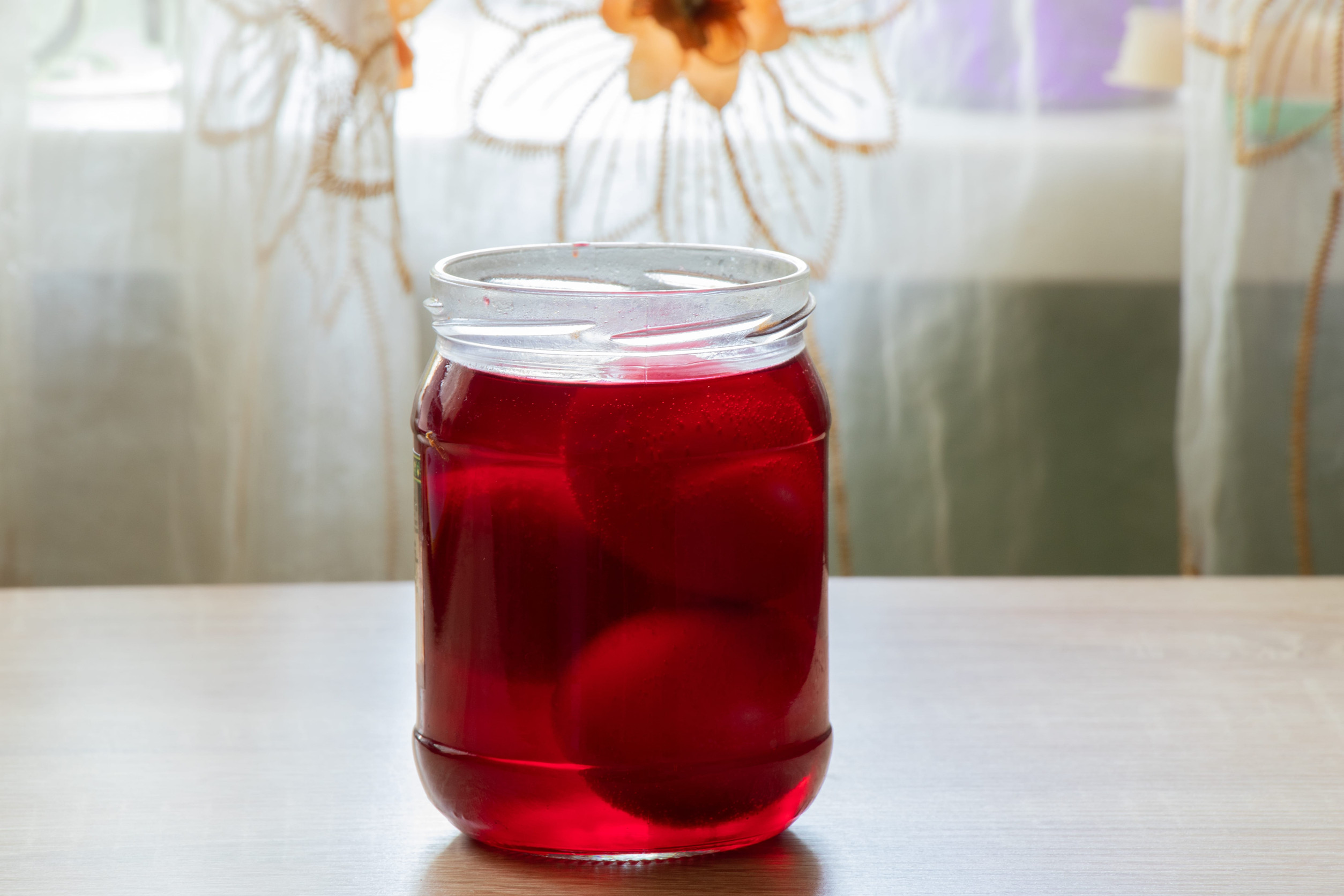
A jar filled with eggs floating in liquid doesn’t exactly inspire confidence. Add a bright pink color, and you’ve got something that looks more like a science experiment than an afternoon snack.
Yet pickled eggs have long held a place in American food traditions, especially in Wisconsin bars and Pennsylvania Dutch cooking.
The preparation is surprisingly straightforward. Hard-boiled eggs sit in a seasoned vinegar mixture, absorbing tangy flavors. Some versions include garlic, pepper, or chili, while Pennsylvania-style red beet eggs get their distinctive color and sweet-and-sour taste from beets.
Wisconsin’s Bay View Packing Company even sells a variety called Grandpa Bruno’s Garlic and Onion Pickled Eggs. Apparently, the grandfather connection is strong enough to make it onto the label.
For your first taste, skip the fiery varieties and try a mild pickled egg with crackers. It’s familiar enough to recognize but different enough to make an ordinary boiled egg seem a little boring.
Sardines on Crackers
Opening a tin of sardines can be intimidating. There’s the unmistakable fish aroma, the packing oil, and sometimes the sight of tiny bones. For someone used to tuna salad, it can feel like an ambitious lunch choice.
But sardines on crackers are a simple combination that makes more sense once you taste it.
The tender fish contrasts beautifully with a crunchy saltine, while a little mustard or lemon adds a welcome sharpness. You don’t need complicated ingredients or an elaborate recipe to make the pairing work.
Sardines also have a place in American food history. Maine once had a significant sardine-canning industry, although the country’s last sardine cannery closed in 2010. Interestingly, many of the fish canned as Maine sardines were actually Atlantic herring.
For an easy introduction, choose skinless and boneless sardines packed in oil. Place a small piece on a cracker, add lemon juice, and taste before deciding whether this pantry classic deserves another chance.
Creamed Chipped Beef on Toast
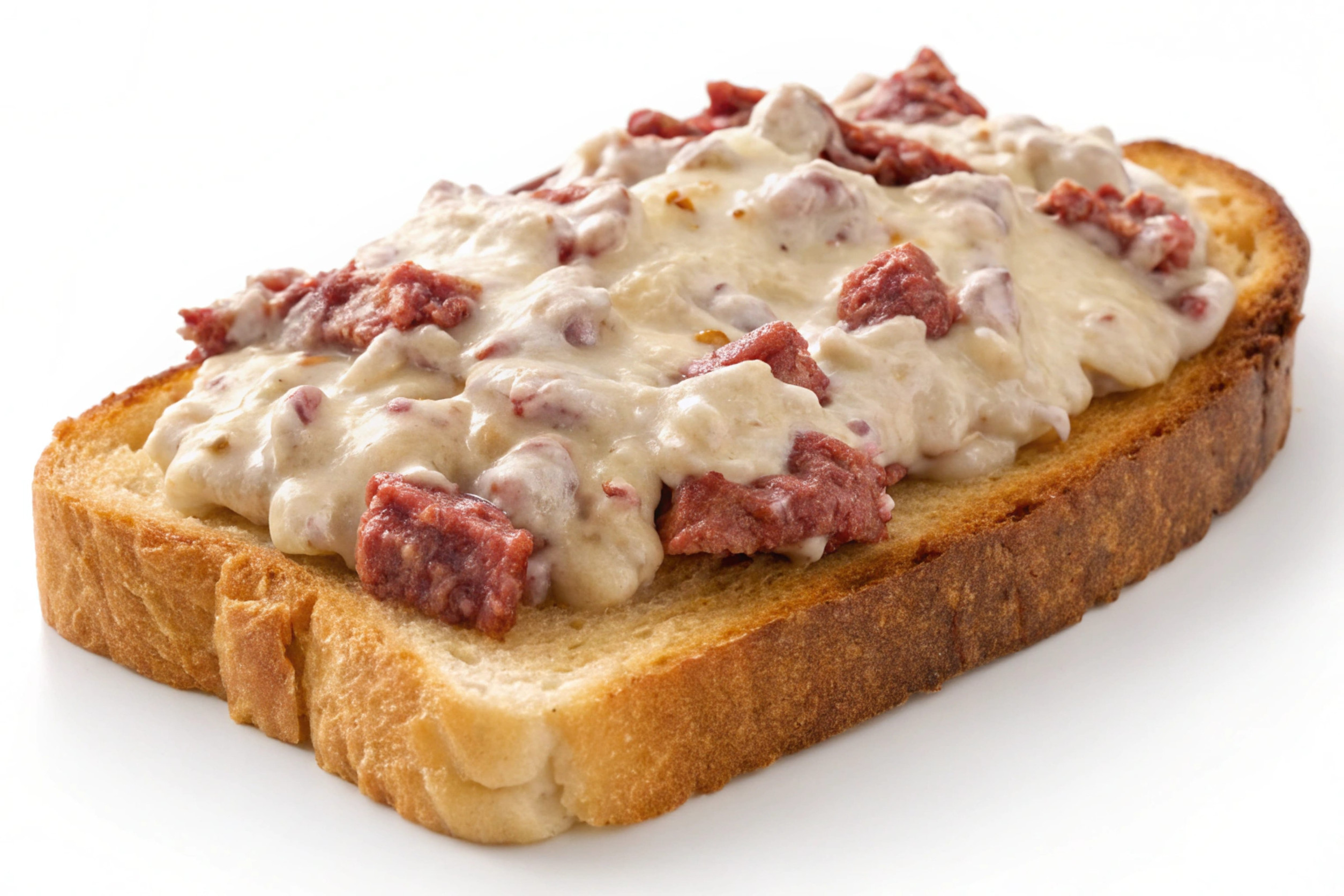
Let’s address the obvious problem: creamed chipped beef on toast isn’t winning any beauty contests. Thin pieces of dried beef swimming in pale gravy over bread can look like a meal someone assembled after discovering the refrigerator was almost empty.
And then there’s its military nickname, S.O.S., which isn’t exactly flattering.
Still, this dish proves comfort food doesn’t need to look impressive.
The basic preparation combines dried beef with a creamy, flour-thickened milk sauce, then spoons the mixture over toast. The beef adds concentrated savory flavor, while black pepper and buttery gravy tie it all together.
Its military connection goes back at least to the 1910 Manual for Army Cooks, which included a chipped-beef preparation designed to feed 60 men.
The best way to try it is over freshly toasted, thick-cut bread. That little bit of crunch makes a difference before the gravy softens everything. Think of it as an old-school cousin to biscuits and gravy, with its own personality.
Scrapple
With a name like scrapple, this breakfast food starts at a disadvantage. The name sounds suspicious, and its uncooked appearance doesn’t help matters. A grayish block of meat and grain isn’t exactly what most people expect to see beside their morning eggs.
But scrapple has a long history in Pennsylvania, where German food traditions helped shape the regional specialty.
It’s made by combining cooked pork with grains like cornmeal, then forming the mixture into a loaf. Once cooled, it’s sliced and fried until the outside develops a golden-brown crust.
That crispy exterior is where the magic happens. Inside, the texture stays soft, creating a contrast that makes scrapple more interesting than its appearance suggests.
According to the Encyclopedia of Greater Philadelphia, Habbersett began mass-producing scrapple in 1863.
If you’ve never tried it, order a thin, well-browned slice alongside eggs. Some people enjoy it with syrup, but tasting it plain first gives you a better idea of what makes this Pennsylvania classic special.
Related:8 Forgotten Childhood Foods That Should Be Part of Everyone’s Menu
Pickled Herring
Cold fish sitting in a jar of vinegar, onions, and seasoning might sound like a difficult sell. But pickled herring has earned its place in traditional food cultures for reasons that go beyond simply preserving fish.
It’s particularly associated with New York’s Jewish appetizing-store tradition, where preserved fish has been a familiar offering for generations.
Russ & Daughters, the famous New York food shop that opened in 1914, grew from founder Joel Russ’s early herring business.
The appeal comes from the balance of flavors. Herring brings a savory richness, while vinegar adds sharpness. Some preparations add sweetness and onions, creating a more layered combination than the description suggests.
There are also different styles to explore. Herring in wine sauce has a different character from the cream-sauce variety, so one version shouldn’t determine your opinion of them all.
For a first bite, try a small piece on rye bread or a cracker, with a little onion. You might discover that cold pickled fish is considerably more enjoyable than it sounds.
Limburger-and-Onion Sandwich
Some foods have unfortunate names. Limburger cheese has something arguably worse: a smell that announces its presence before you even see it.
Combine that famously pungent cheese with raw onions, put it between slices of bread, and you’ve got a sandwich that could clear a room before lunch.
Yet Limburger has a fascinating connection to Wisconsin cheesemaking and German-American food traditions.
Despite its powerful aroma, the cheese offers an earthy, creamy flavor. Sharp onions and sturdy rye bread create a contrast that brings the sandwich together.
Wisconsin’s Chalet Cheese Cooperative continues the state’s Limburger-making tradition, with roots in a cheese factory established in 1885.
If you’re feeling adventurous, start with a thin layer of Limburger on rye bread, a little mustard, and just a few onion slices. There’s no need to begin with a giant slab of cheese.
The smell might still challenge you, but the taste could explain why this unusual sandwich has loyal admirers.
These seven foods may never win a popularity contest based on their names or appearances. But give them a properly prepared first bite, and you might discover that some of the best comfort foods have been hiding behind the worst introductions.
Other Posts You May Like
- 12 Old-Fashioned Foods Your Grandma Made That You Rarely See on Dinner Tables Today
- 10 American Foods That Make Visitors Scratch Their Heads- But Many Americans Still Love