Even a quiet cup of decaf has a detail worth stirring into the conversation: FDA says an 8-fluid-ounce serving typically contains 2–15 milligrams of caffeine. That small range changes what the name means without changing what you ordered.
Give the same attention to a candy label, a bag of shredded cheese or a cooking instruction, and familiar foods offer plenty to talk about. The interesting part is getting the details right.
Some red sweets use an insect-derived color.

A pink or red sweet can get its color from an unexpected source. FDA identifies cochineal extract and carmine as insect-derived additives, and U.S. labeling rules require those names to appear when they are used in food.
Look for “carmine” or “cochineal extract” in the ingredient list rather than trying to identify the coloring by eye. The color catches your attention, but the label supplies the answer; red alone cannot tell you which ingredient a manufacturer chose.
Campfire marshmallows disclose their gelatin source.
Behind that soft marshmallow shape is an ingredient with a specific origin. Campfire’s FAQ says its marshmallows contain porcine gelatin, meaning gelatin from pigs, while noting a different recipe for certain Middle Eastern export markets.
For broader context, the Gelatin Manufacturers Institute of America describes gelatin as processed collagen, commonly sourced from cattle bones, cattle hides, and pig skins. Keep the brand and market attached to the claim, because Campfire’s disclosure does not describe every marshmallow on the shelf.
Shredded cheese may include ingredients that keep the shreds separate.
The little strands in a bag of cheese have some help staying apart. Sargento’s traditional-cut shredded sharp cheddar lists potato starch and powdered cellulose for that purpose. Its FAQ describes cellulose as coming from plants and says these ingredients prevent sticking rather than replace cheese.
Neither page identifies the product’s specific plant source, so calling the ingredient “sawdust” goes beyond those disclosures; the useful detail is the powder’s stated job in the bag.
Related: 12 Dinner Recipes That Are Just Tastier With Cheese
Decaf coffee still contains some caffeine.
The name is a shorthand, so it pays to read it carefully. The FDA’s typical range is 2–15 milligrams of caffeine in an 8-fluid-ounce cup of decaf, so the word doesn’t promise zero.
That range describes a category, not the coffee poured at a particular café. Keep the serving size beside the number, and consult the drink’s information for a precise figure when it matters; the general estimate won’t provide that detail.
Chocolate’s numbers describe a sampling test.
FDA’s threshold averages 60 or more insect fragments per 100 grams across 6 subsamples, or 90 or more in any single subsample.
These are enforcement criteria. FDA says actual averages are much lower, so those numbers do not describe every bar.
Peanut butter’s threshold doesn’t describe every jar.
For peanut butter, FDA lists an average of 30 or more insect fragments per 100 grams as an action level.
That is a sampling threshold. It neither predicts a jar’s contents nor establishes that manufacturers intentionally add insects.
Processed mushrooms appear in the defect handbook.
FDA’s handbook also sets criteria for insect larvae in canned and dried mushrooms. The details depend on larval size and the sample examined.
Finding that entry in a handbook does not tell you what is in a particular can.
Frozen broccoli’s listed defects begin in the field.
FDA lists an average of 60 or more aphids, thrips, or mites per 100 grams as the action level for frozen broccoli. It identifies field infestation as the source and classifies the defect as aesthetic.
This is an enforcement benchmark, not a finding about your freezer.
Flour is usually a raw ingredient.
That fine powder looks ready for anything, but FDA describes most flour as raw. Its guidance tells home cooks to follow the cooking temperatures and times on flour-containing products and advises against heat-treating flour at home for uncooked use.
Removing eggs from a dough recipe does not change the flour’s processing history. Read the flour and dough instructions as carefully as the ingredient list, and let the intended preparation guide what happens after the mixing bowl.
Dried kidney beans have a preparation schedule.
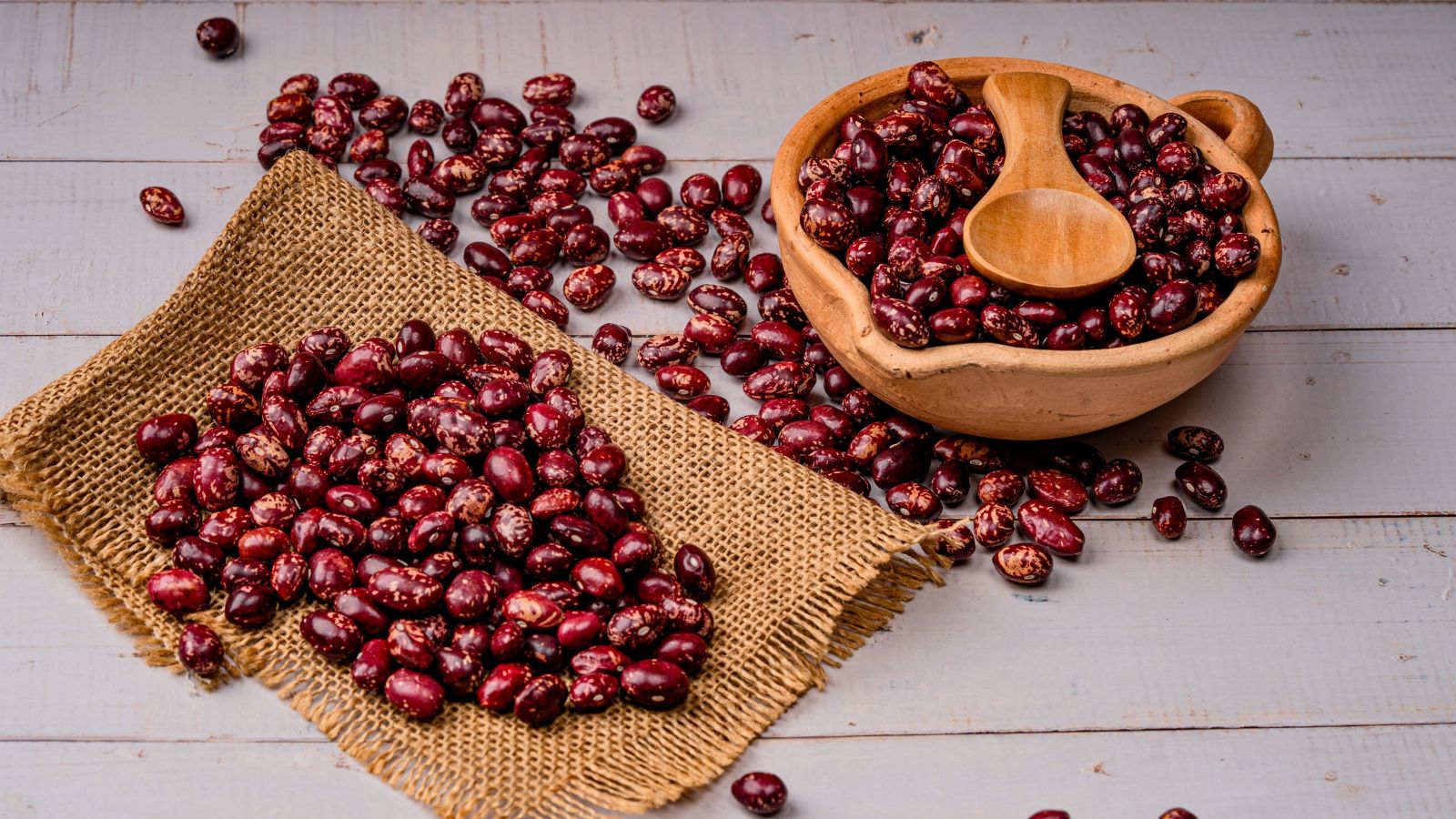
Dried kidney beans ask you to start the recipe before you start the stove. FDA recommends soaking them for at least 5 hours, discarding the soaking water, then boiling in fresh water for at least 30 minutes. Those are the agency’s stated minimums, so keep the soaking and boiling steps distinct when planning dinner.
Commercially canned kidney beans have already been processed; the dried-bean routine shouldn’t automatically become an extra assignment for a can you just opened.
Read the small print with the same care you give the recipe, and let dinner keep its charm.