Ever wondered whether the chef who prepared your dinner would order the same dish at your table? Restaurant kitchens have their own rhythms, and understanding how food is prepared, priced, and served can change the way you read a menu. No dish is universally avoided by professional chefs, but some experienced diners and culinary professionals approach certain menu items with a little more caution. Here are 11 dishes to consider before you order, plus what to keep in mind for the best experience for your money.
The Most Expensive Steak on the Menu
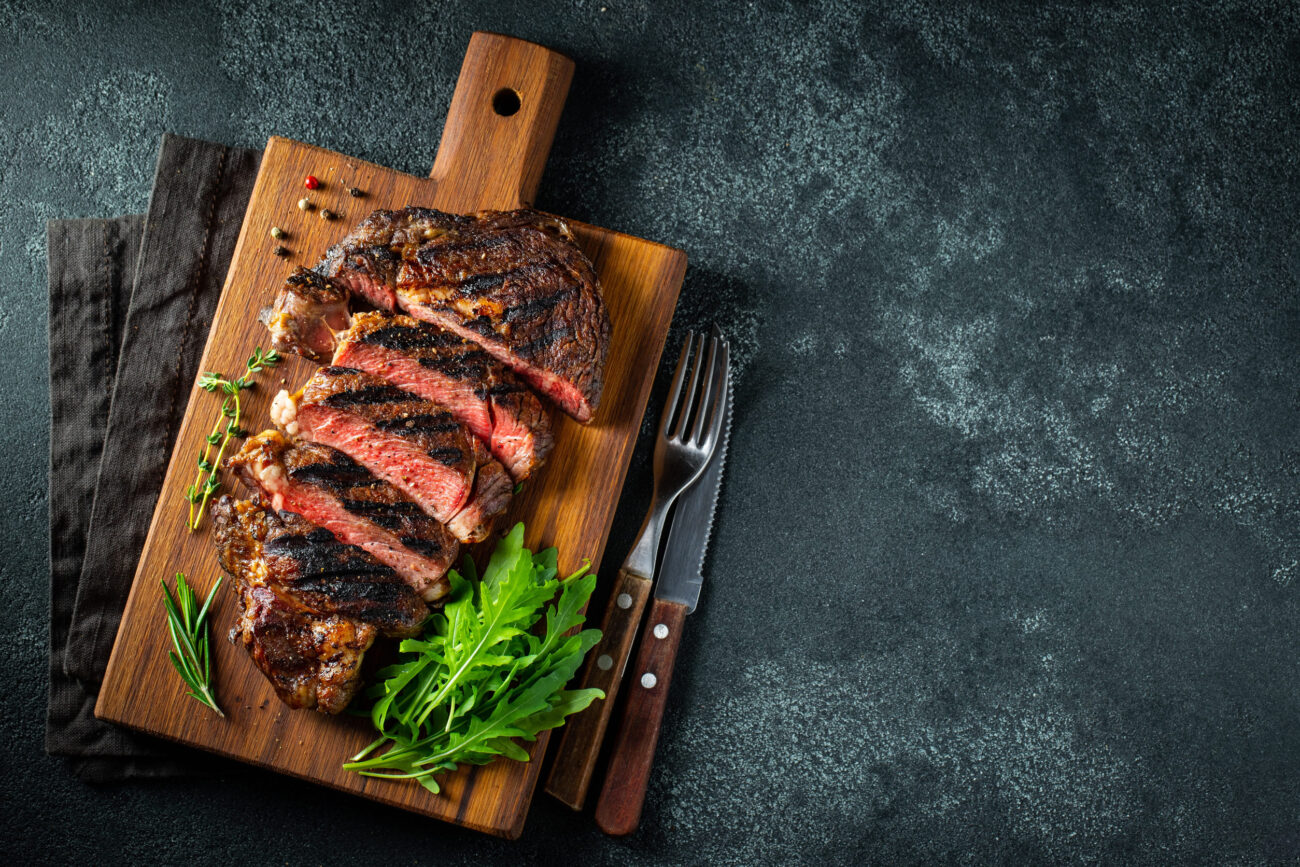
A higher price tag doesn’t automatically mean a better steak.
Premium cuts such as filet mignon, ribeye, and New York strip offer different textures and marbling levels, but the most expensive option isn’t necessarily the most enjoyable. A tender filet, for example, is generally leaner than a well-marbled ribeye, which often delivers a richer, beefier flavor.
The smarter approach is to choose a cut based on what you enjoy rather than its position at the top of the menu. Ask how the kitchen seasons and cooks the steak, and whether the listed price includes sides. A less expensive cut prepared properly can be every bit as satisfying as the restaurant’s most luxurious offering.
Seafood on a Monday at a Restaurant With Limited Turnover
With seafood, freshness and careful handling matter far more than the day of the week.
You may have heard the old advice about avoiding fish on Mondays because restaurants traditionally received fresh deliveries earlier in the week. That rule is outdated as a universal warning. Modern refrigeration, freezing, transport, and supply chains mean seafood quality depends on sourcing, storage, and handling rather than a particular weekday.
Instead of relying on the calendar, ask which fish is freshest or what the kitchen recommends that day. A restaurant with strong seafood practices can serve excellent fish any day. If the staff cannot explain the dish’s preparation or sourcing, consider choosing something else.
Related: 12 Kitchen Items Professional Chefs Say Never to Buying
The House Salad That Costs Almost as Much as an Entrée
A bowl of lettuce can get surprisingly expensive once restaurant pricing comes into play.
Salads can take a lot of work, especially when they include carefully prepared vegetables, premium cheese, nuts, fresh herbs, and house-made dressing. However, a basic salad made mostly from inexpensive greens may offer less value than you expect when its price approaches that of a complete meal.
Read the ingredient list before ordering, and look for salads that offer variety, texture, and enough substance to justify the price. If you want a light meal, a salad with beans, grilled chicken, eggs, or another protein may leave you more satisfied than a large bowl of greens alone.
The Pasta Dish With a Heavy Cream Sauce
Sometimes, the simplest pasta sauce delivers more flavor than the richest one.
Creamy Alfredo-style sauces can be delicious, but their richness may overwhelm delicate ingredients or fill you up before you finish your meal. In some kitchens, a sauce that sits too long can also become thick or lose its smooth consistency.
That does not mean you should avoid creamy pasta altogether. Instead, consider how the sauce complements the pasta and other ingredients. A well-made tomato sauce, a bright lemon-and-butter preparation, or a traditional olive-oil-based dish can deliver plenty of flavor without feeling excessively heavy.
The Dish With a Long List of Buzzwords
When a menu description sounds like a marketing campaign, look for the actual ingredients.
Words like artisan, gourmet, rustic, and handcrafted can create an appealing impression, but they say little about a dish’s quality. A beautifully written description cannot guarantee that the ingredients are fresh or that the food is prepared with care.
Pay attention to specific details instead. Does the menu name the type of cheese, describe the cooking method, or identify the vegetables accompanying the main ingredient? Clear descriptions give you a better idea of what you are ordering and make it easier to compare dishes.
6. The Truffle Dish That Relies on Its Name
Truffle sounds luxurious, but the name alone doesn’t tell you what is actually on your plate.
Real truffles are prized fungi with distinctive aromas, and their cost can make truffle-forward dishes expensive. However, some foods marketed as truffle-flavored rely heavily on truffle-infused oils or flavorings rather than generous amounts of fresh truffle.
Truffle oil is not automatically bad, and some diners genuinely enjoy its intense aroma. The important thing is knowing what you are paying for. If a dish carries a substantial premium, ask whether it includes fresh truffle, truffle oil, or another preparation so you can decide whether the difference is worth the cost.
The Complicated Burger With Every Topping Imaginable
Sometimes, piling everything onto a burger makes it harder to enjoy the burger itself.
A towering burger with multiple cheeses, sauces, onion rings, bacon, and fried toppings may look spectacular in a photograph. In practice, too many ingredients can compete for attention, overwhelm the bun, and make the whole thing difficult to eat.
A better burger balances a well-seasoned patty with a soft bun, a suitable cheese, fresh toppings, and a sauce that brings it all together. Choose elaborate versions when the combination genuinely appeals to you, but don’t assume the tallest burger is automatically the tastiest.
The Soup That Is Not Clearly Made In-House
A comforting bowl of soup can be wonderful, but how it’s prepared matters.
Some restaurants prepare soups from scratch using stocks, vegetables, herbs, and carefully developed recipes. Others use prepared bases or commercial ingredients to maintain consistency and manage kitchen workload. Neither approach automatically tells you whether the final dish will taste good.
If soup is why you are ordering, ask about the daily special or whether the kitchen makes its soups in-house. A seasonal vegetable soup or a slow-cooked broth may offer a more distinctive experience than a generic option, although a well-made prepared soup can still be enjoyable.
The Dessert That Sounds Better Than It Tastes
A dramatic dessert description cannot rescue a cake that’s been sitting too long.
Restaurant desserts range from freshly prepared pastries to products made in advance for consistency and convenience. Cheesecake, chocolate cake, and layered desserts can all be excellent when stored properly and served at their best, but presentation alone does not guarantee quality.
Ask which desserts are house specialties or popular with regular customers. If the restaurant offers a dessert made fresh that day, it may be worth choosing over an elaborate option that relies mostly on decoration. When in doubt, sharing one dessert is an easy way to try something without committing to a full portion.
The Restaurant’s Signature Dish Without Understanding What Makes It Special
A signature label is a useful clue, not an automatic guarantee that the dish suits your taste.
Restaurants often highlight signature dishes because they represent the kitchen’s style or have become customer favorites. However, a dish can be famous for its presentation, unusual ingredients, or sheer size rather than for the qualities you personally value.
Ask your server what makes the dish distinctive. Is it slow-cooked for hours, prepared using a family recipe, finished over a wood fire, or paired with a house-made sauce? Understanding the preparation helps you decide whether the dish offers something you actually want to experience.
Anything You Order Without Asking a Single Question
One thoughtful question can improve your meal more than choosing the fanciest item on the menu.
Experienced diners know that servers can often explain which dishes are especially popular, what has changed with the season, and which options suit particular preferences. They can also clarify portion sizes, ingredients, and preparation methods before you commit to an order.
You do not need to interrogate the staff or treat every restaurant like a culinary investigation. Ask what the kitchen does particularly well or which dish they would recommend today. That small conversation can reveal options you might otherwise overlook and help you avoid ordering something that does not match your expectations.
The Real Secret to Ordering Like a Chef
The best restaurant meal is not necessarily the most expensive, complicated, or fashionable dish on the menu.
Professional cooks have different tastes, budgets, and opinions, so no universal list of foods every chef refuses to order exists. What matters more is understanding ingredients, preparation, value, and the kind of experience you want from a meal.
Look for restaurants that communicate clearly, prepare food carefully, and take pride in their specialties. Ask questions when something is unclear, and do not be afraid to choose a simple dish if it appeals to you. A perfectly cooked roast chicken or bowl of pasta can be more memorable than a complicated, much more expensive plate. You can also learn how chefs develop flavor and technique through the Culinary Institute of America’s resources.
Your turn: When you sit down at a restaurant, what do you look for first: the chef’s specialties, the prices, the ingredients, or the dishes other diners seem to love?