Leftover vegetables deserve a better second act than another microwave spin. A curried vegetable potpie gives them a more inviting destination: a savory filling tucked beneath pastry, with enough spice to make dinner feel like a new meal, not a repeat performance. The idea isn’t just wishful fridge-clearing. The Cook’s Spoon publishes a leftover curried vegetable pie built around six cups of leftover roasted vegetables, while other tested recipes show how curry, a thick sauce, and pastry come together.
The appeal is easy to understand. Vegetables bring the substance, curry seasoning gives the filling a distinct direction, and the crust supplies the golden finish that makes the whole thing feel intentional. There’s room for flexibility, but not quite a free-for-all: the amount of filling, its consistency, and how it’s cooled all matter. Get those details right, and yesterday’s side dishes have a credible shot at becoming tonight’s main attraction.
The Vegetables Get a New Job and the Seasoning Does Some Heavy Lifting

The Cook’s Spoon starts its leftover version by roughly chopping six cups of roasted vegetables, allowing any mix. Its instructions begin with a little olive oil and the less watery vegetables, such as pumpkin or potato, along with two teaspoons of curry powder. That makes the leftover angle concrete rather than decorative: this is a dish specifically designed around vegetables that have already been roasted, not a from-scratch recipe simply advertised as a cleanup opportunity.
For a more structured example, Tried and True Recipes’ vegetable curry potpie combines parsnips, carrots, celery, shallot, garlic, Yukon Gold potatoes, and peas. Its filling uses Punjabi masala, with optional Kashmiri chili powder for heat, plus butter, flour, and water or vegetable stock to create a thick sauce. The recipe describes the result as a “well-spiced, thick and stewy curry”, a useful picture of the consistency you’re aiming for, rather than loose vegetables swimming in broth.
There’s more than one way to build that flavor. Food Network Kitchen’s curried vegetable potpie uses potatoes, chickpeas, spinach, ginger, garlic, serrano pepper, and Madras curry powder, rounded out with heavy cream. It finishes with a sheet of frozen puff pastry and suggests chutney and plain yogurt for serving. That version isn’t presented as a leftover recipe, but it demonstrates how pantry ingredients and frozen vegetables can also participate in the same comforting dinner format.
A Great Filling Needs More Than a Pastry Hat
The most important distinction is whether you’re starting with raw vegetables or cooked leftovers. Tried and True’s from-scratch filling requires sautéing the vegetables, adding potatoes, briefly cooking the garlic and spices, then building the sauce. Its simmer lasts 30 to 45 minutes, until the potatoes and parsnips are fork-tender and the filling is thick. That timing belongs to that raw-vegetable recipe; it shouldn’t be treated as a universal instruction for a mixture of vegetables that has already been cooked.
The sauce is where separate ingredients become a cohesive dinner. In Tried and True’s recipe, three tablespoons of butter and one-third cup of flour help thicken three cups of water or vegetable stock. The flour cooks with the butter and vegetables before the liquid goes in, and the mixture then simmers down. Frozen peas and chopped cilantro enter at the end. Those quantities are part of that specific recipe, not a guaranteed formula for every possible container of leftovers.
Quantity matters just as much as texture. Tried and True limits its diced starting vegetables, excluding the potatoes, to three cups because more would create too much filling for its nine-inch pie. That’s why you shouldn’t casually combine the six-cup leftover mixture from The Cook’s Spoon with another recipe’s quantities. Choose one recipe’s proportions and baking vessel rather than borrowing the vegetable volume from one and the pastry setup from another. Flexibility works best when it still respects the size of the dish.
Then let the filling cool before assembling a double-crust pie. Tried and True explains that hot filling can melt the dough’s butter too soon, undermining the flaky texture and leaving a soggy bottom. A wide dish helps the filling cool more evenly, and the recipe lets you refrigerate it overnight before assembly. There’s also a perfectly respectable shortcut: “And if you just don’t feel like fussing with homemade crust, you can make this with store-bought pie crust instead!”
Related: The Everyday Family Habits That Can Help Children Become More Comfortable With Vegetables
Let the Crust Shine Without Letting Food Safety Slide
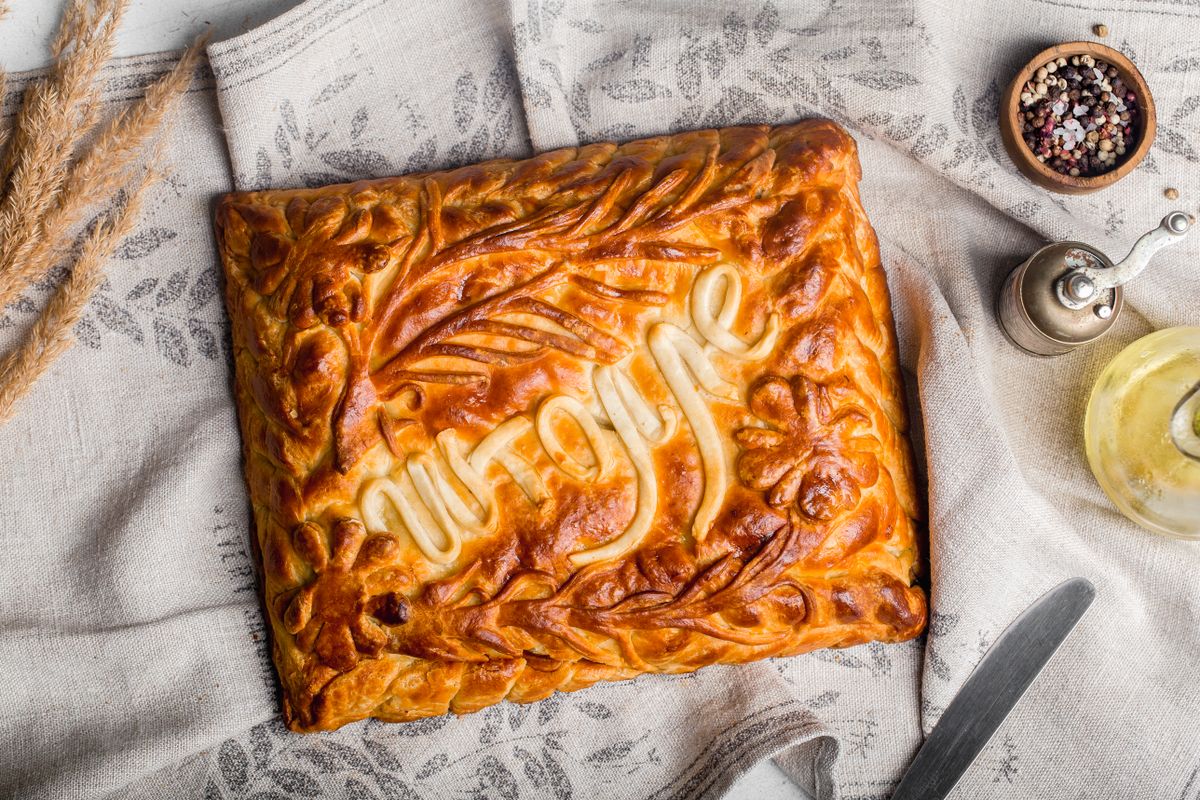
For its double-crust version, Tried and True calls for a 425°F oven and a nine-inch pie dish. The cooled filling goes between the pastry layers, the edges are sealed, and small slits in the top let steam escape. An egg-and-milk wash finishes the surface before baking for 35 to 40 minutes, rotating halfway through. The recipe then recommends resting the baked pie for 20 to 30 minutes so the filling doesn’t immediately spill out when sliced.
The word leftover does come with a deadline.elated: USDA guidance says refrigerated leftovers generally keep for three to four days, and food should be refrigerated within two hours of cooking or removal from hot holding. When reheating leftovers, the agency specifies an internal temperature of 165°F, checked with a food thermometer. A golden crust can tell you something about the pastry, but it doesn’t indicate the temperature of the vegetables underneath. The plan should include safe handling before the pie reaches the oven.
Once those practical details are covered, the finishing touches can stay simple. Tried and True serves its vegetable curry pie with minced cilantro, while Food Network Kitchen suggests chutney and plain yogurt alongside its version. Neither approach asks the pie to compete with an elaborate spread. The pleasure is already built in: vegetables with a new flavor direction, a substantial sauce, and pastry worth breaking into. It’s less “we need to use this up” and more “save me a slice.”
Other Posts You Might Like
- 7 Essential Tips for Growing Vegetables from Seed for Beginners
- Garden Design Mistakes You Must Avoid for a Beautiful, Functional Garden
- Ingenious Garden Storage Ideas to Transform Your Backyard