A butternut squash sitting on the counter can feel like a dinner plan with several missing instructions. This savory galette supplies them: roast the squash, soften an onion, add cheese and herbs, and tuck everything into a folded pastry crust. Deb Perelman’s butternut squash and caramelized onion galette, published on Smitten Kitchen, turns those ingredients into an open-faced tart baked on a sheet pan. No pie dish to line and no top crust to wrestle into place.
The appeal is its deliberately rustic shape. You roll out one round of dough, pile the filling in the middle and fold the edges inward, leaving the center exposed. Perelman calls the combination of squash, onion, sage and cheese “the embodiment of fall to me.” It looks relaxed rather than meticulously decorated, but the instructions still matter especially the time needed to chill the pastry and cool the filling before bringing them together.
A Simple Shape, Not a Thirty-Minute Promise
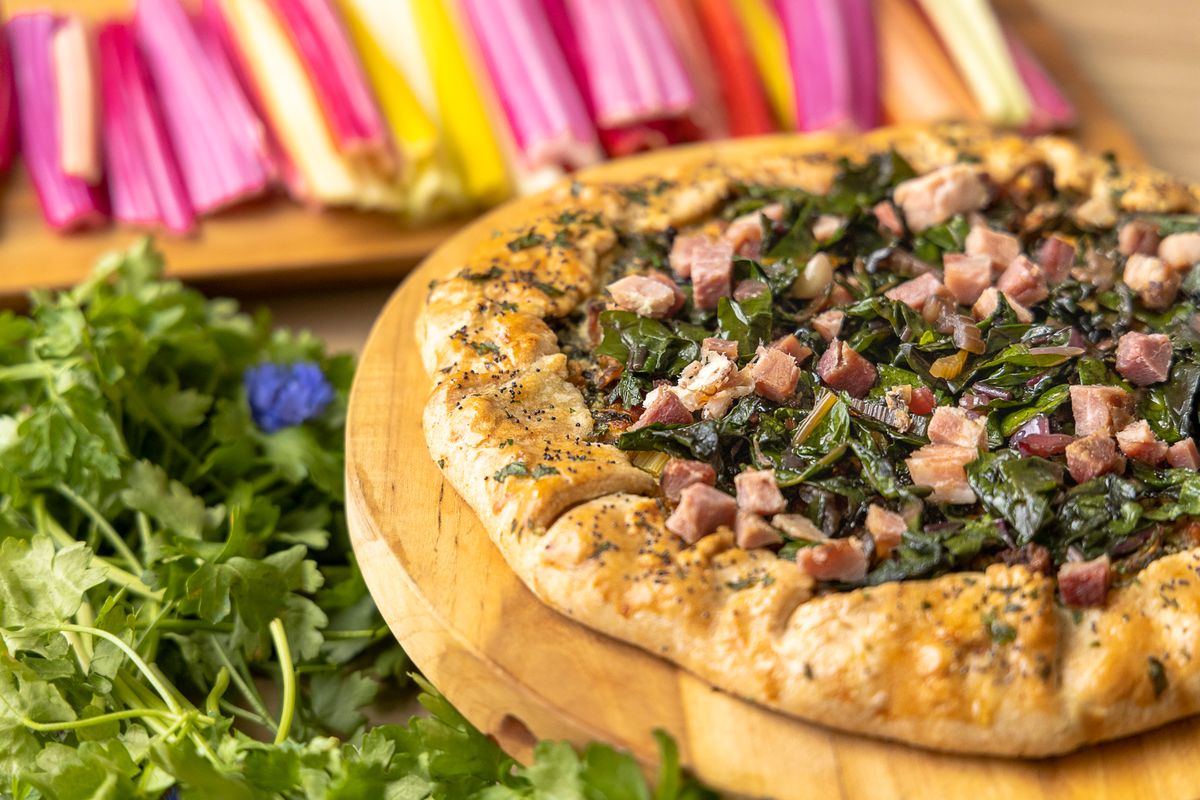
“Easy” describes the assembly better than the overall schedule. Perelman’s recipe lists two hours, while its instructions call for one to two hours of dough chilling, approximately 30 minutes of squash roasting and another 30 to 40 minutes of baking. Some tasks overlap: the onions cook while the squash roasts, and both can be prepared while the dough chills. Still, allow extra time if your pastry needs the longer chill; this is a relaxed cooking project, not a last-minute rescue dinner.
The published recipe makes six to eight servings, though how far it stretches as dinner depends on portion size and what accompanies it. The filling uses one small butternut squash (about 1 pound) and one large onion, halved and thinly sliced. Add ¾ cup fontina (about 2½ ounces) plus 1½ teaspoons chopped fresh sage or thyme. These herbs are alternatives, so you don’t need both, and the modest ingredient list keeps the squash and onion at the center of the dish.
For this autumn version, follow that filling before improvising with an entire refrigerator drawer of vegetables. The recipe roasts the squash and cooks the onion separately, then cools them before assembly. Replacing either with raw, differently sized vegetables would change the preparation rather than simply create an equivalent swap. The galette format leaves room for creativity, but this method centers on tender roasted squash, softened onion, and a filling ready before it reaches the pastry.
How to Build the Galette, From Dough to Golden Crust
Start the pastry with 1¼ cups all-purpose flour, ¼ teaspoon kosher salt,, and 8 tablespoons (½ cup) unsalted butter, cut into pieces. You also need ¼ cup sour cream or plain yogurt, 2 teaspoons fresh lemon juice and ¼ cup ice water. Whisk the flour and salt, then cut in the butter with your fingertips or a pastry blender. Stop when the mixture resembles coarse meal, with the largest butter pieces about the size of tiny peas.
Stir in the sour cream, lemon juice and water with a wooden spoon or spatula until large clumps form. Transfer the mixture to parchment or plastic wrap and gather it into a slightly flattened ball, kneading just once or twice to bring it together. Refrigerate until firm, approximately one to two hours. Perelman describes the appeal of this dough as “stretchy and smooth, dense and cold but never brittle,” but that enthusiasm isn’t a reason to skip the specified chilling time.
Meanwhile, heat the oven to 375°F, peel the squash, remove its seeds, and cut the flesh into ½-inch cubes. Toss with 2 tablespoons olive oil and ½ teaspoon salt, then roast on a foil-lined baking sheet for about 30 minutes, until tender. While it cooks, melt 1 to 2 tablespoons butter in a heavy skillet and add the onion, another ½ teaspoon salt, and a pinch of sugar. Cook over low heat, stirring occasionally, until soft and lightly golden, approximately 20 minutes; stir in ¼ teaspoon cayenne, or adjust it to taste.
Combine the squash, onion, fontina, and herbs on a large plate, and let the mixture cool to room temperature. Increase the oven to 400°F, then roll the chilled pastry into a 12-inch round on a floured surface. Transfer it to a parchment-lined baking sheet and spread the filling over it, leaving a 1½-inch border. Fold the border over the filling, making overlapping pleats where needed; leave the middle uncovered so you don’t need a second round of dough.
Bake for 30 to 40 minutes, until the pastry is golden brown. For a shinier finish, Perelman suggests brushing the exposed crust with a beaten egg before baking, but the egg wash is optional. Let the finished galette stand for five minutes before sliding it onto a serving plate and cutting wedges. The result should look like a free-form tart, not a sealed parcel, so the visible squash, onions, and cheese are part of the intended presentation.
Related: Pieces of Halley’s Comet Will Streak Across the Sky This October — When to Watch
Keep the Flexibility and Respect the Few Rules That Matter
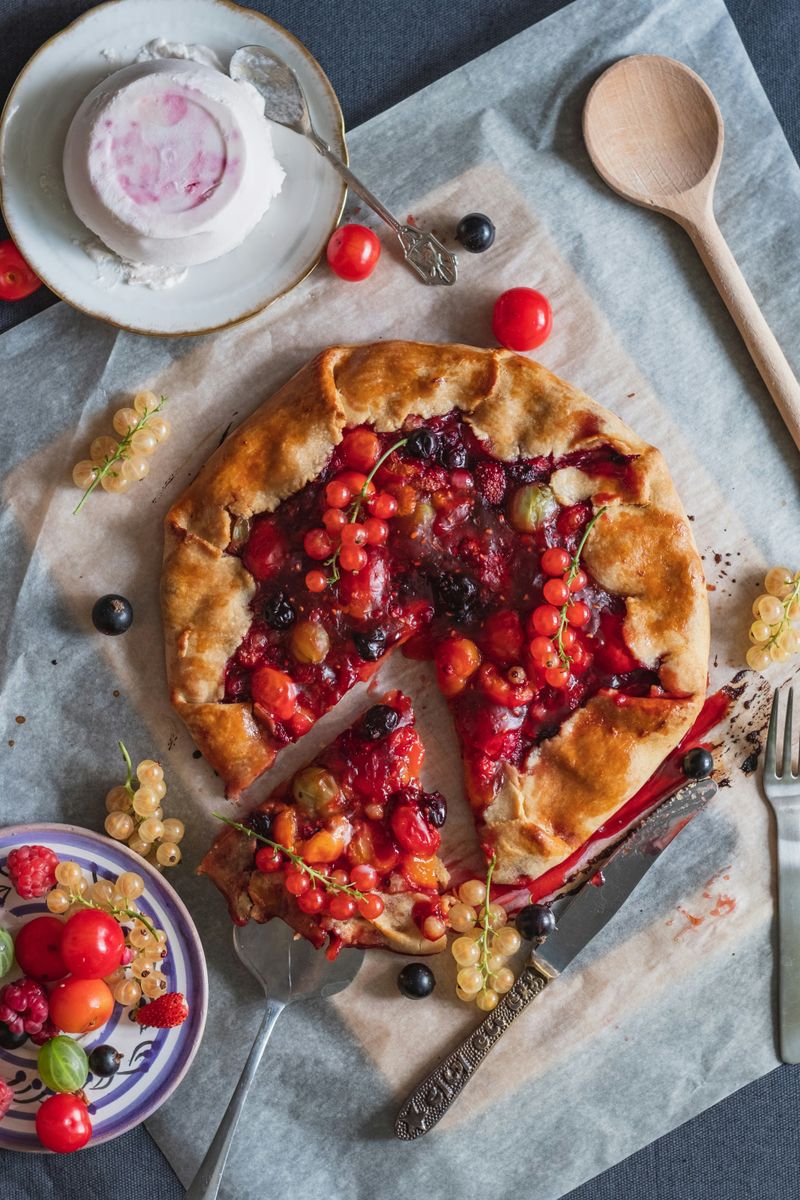
The recipe already supports useful ingredient choices. Plain yogurt can replace sour cream in the dough, and thyme can replace sage in the filling. In a reply to a reader, Perelman also suggested Asiago as a possible alternative for anyone who dislikes fontina’s stronger character. These changes give you room to work with what is available without inventing a new pastry formula or assuming every cheese will behave the same.
If you want to work ahead, Perelman recommends keeping the dough and filling separate and assembling shortly before baking. Responding to another reader who asked about making the galette a day early, she wrote, “I would probably go ahead and just bake it then rewarm it when needed, since it rewarms so well.” That leaves two practical routes: prepare the components in advance or bake ahead and rewarm. Either way, the pleasure is the same seasonal vegetables getting a buttery pastry border instead of becoming another side dish.
Other Posts You Might Like
- The Quest for Life on Mars: 10 Groundbreaking Discoveries
- 10 Groundbreaking Techniques Used by Experts to Determine the Age of Objects and Living Beings