A breakfast sausage made with oats. A burger that practically requires a bowl. A chocolate-covered candy with potato inside.
American regional cooking makes the unfamiliar feel immediately inviting. Behind an unusual name or unexpected ingredient, something recognizable often shows up: a practical lunch, a holiday tradition, or a recipe shaped by people building a home in a new place.
These nine dishes aren’t ranked, and “deserving more attention” is an invitation, not a claim about national popularity. Some have already traveled beyond their home regions. All offer a delicious reason to look past the usual greatest hits.
Consider this a roadmap for your next curious order.
Pepperoni Rolls: West Virginia
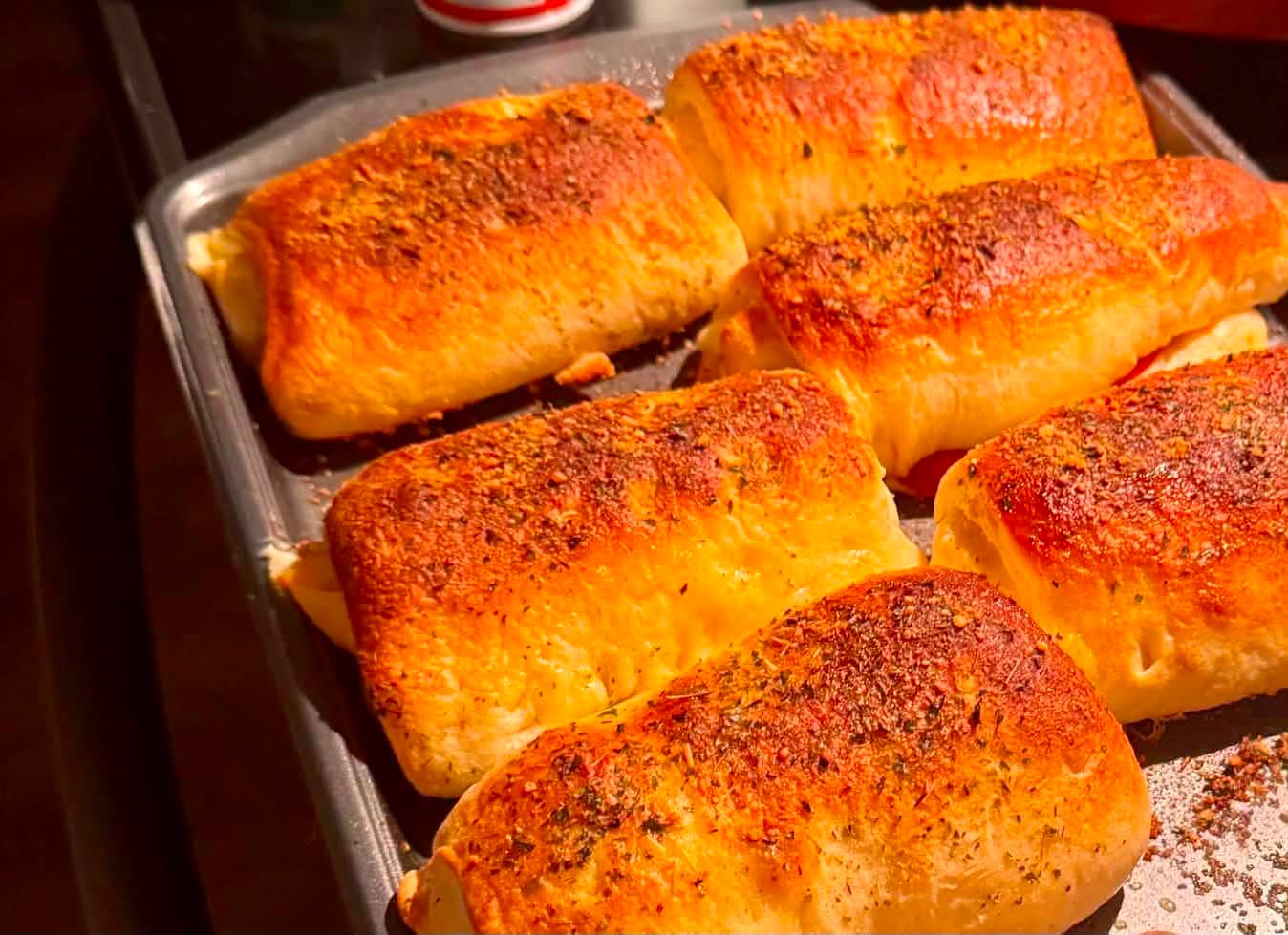
A soft bread roll with pepperoni baked inside sounds simple. That is part of its appeal. As it bakes, the pepperoni flavors the surrounding dough, combining the filling and bread into one portable package.
Country Club Bakery’s account of its origins connects the roll to Giuseppe “Joseph” Argiro, an Italian immigrant coal miner who opened the Fairmont bakery in 1927. The idea grew from making bread and pepperoni easier to carry and eat together.
The roll deserves attention as both a satisfying snack and an example of immigrant food traditions meeting the demands of working life.
Chislic: Southeastern South Dakota
Chislic gets straight to the point: small pieces of meat, traditionally lamb or mutton, fried and seasoned with garlic salt. Saltine crackers often accompany them.
Heritage Hall Museum & Archives’ history of chislic traces the local tradition to Germans from Russia who settled in Dakota Territory. The museum notes that no definitive record identifies the first person to introduce it. Beef versions, grilled preparations, and other variations also exist.
Its appeal goes beyond meat on a skewer. Chislic carries a migration story while remaining approachable enough to order simply because it sounds good.
Goetta: Cincinnati and Northern Kentucky
Goetta gives breakfast sausage a different texture and a more resourceful backstory.
The German-American specialty combines meat with steel-cut oats and seasonings. Sliced and fried, it adds a crisp surface to a mixture originally meant to stretch meat. It is closely connected to Cincinnati and neighboring northern Kentucky.
The oats are not an ingredient to overlook. They are what make this more than another sausage beside your eggs. Goetta deserves wider recognition because it turns an economical idea into something distinctive.
Chicken Riggies: Central New York
The name is friendly, and the dish follows through.
Chicken riggies combine rigatoni with chicken, a creamy tomato sauce, and cherry peppers. Associated with the Utica-Rome area, the dish comes in multiple variations rather than one fixed formula.
The draw is the combination: substantial pasta, creamy sauce, and peppers that keep the flavor lively. It offers a regional introduction without requiring diners to venture far from familiar ingredients.
If you want to switch up your usual pasta order, this is an appealing place to start.
Related: 6 Tiny Restaurant Touches That Are Quietly Winning Over Diners and Making Every Visit Feel Personal
The Slopper: Pueblo, Colorado
The Slopper doesn’t pretend to be tidy. It is a burger covered in green chile sauce and cheese, often served with fries.
The dish is associated with Pueblo and nearby Colorado Springs. Pueblo’s connection to green chiles helps explain why a familiar burger becomes something so locally distinctive.
Food Network’s regional-food guide includes the slopper among America’s place-specific specialties. Its appeal is easy to understand: the sauce is not an optional accent. It is central to the meal.
Bring a fork and let the burger take a different form.
Lefse: Minnesota
Not every memorable regional food needs a dramatic presentation.
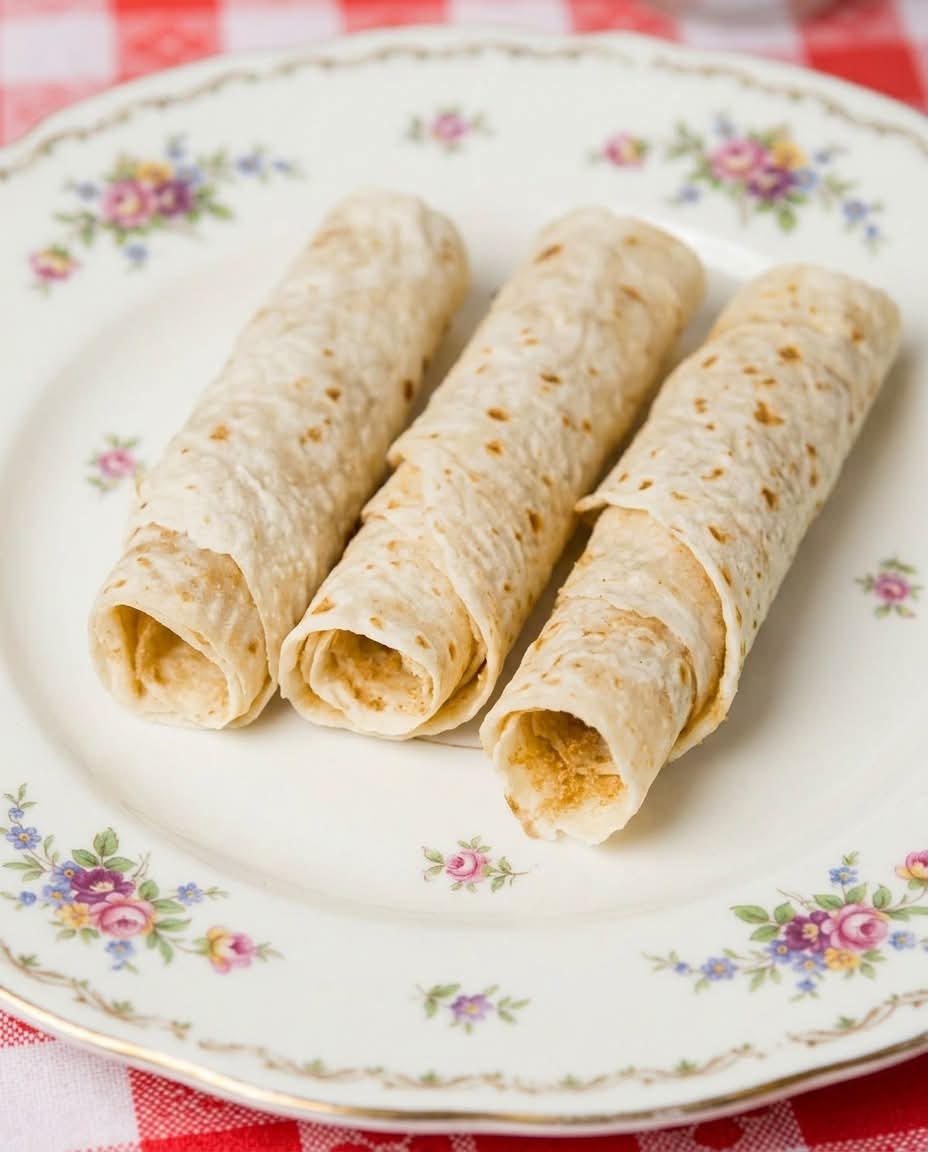
Lefse is a Norwegian flatbread, commonly made with potatoes, flour, cream, and butter. In Minnesota, it is associated with holiday eating and Norwegian culinary heritage.
Its appeal lies in that combination of simplicity and continuity. A modest flatbread can carry a tradition just as meaningfully as an elaborate celebration dish.
Lefse deserves attention on its own terms, not merely as an unusual wrap. Discovering it means discovering another way family food traditions remain part of American cooking.
Cudighi: Michigan’s Upper Peninsula
Cudighi makes a strong case for looking beyond the standard sausage sandwich.
This Italian-style sausage associated with Michigan’s Upper Peninsula can include red wine and warm spices such as cinnamon, nutmeg, cloves, and allspice. People commonly form it into patties and serve it on rolls with onions and peppers.
Those seasonings give it a distinctive identity. The sandwich format is familiar, but the flavor combination offers something less expected.
That makes cudighi an inviting discovery: a regional specialty you can approach without needing an explanation before every bite.
Sonker: Surry County, North Carolina
Sonker belongs near cobbler and deep-dish pie, but local recipes leave room for interpretation.
Fruit and sweetened dough are central to the dessert, with variations passed down through families. Surry County celebrates that connection through its Sonker Trail and an annual festival established in 1980.
Rather than demanding one definitive version, sonker highlights the differences between recipes. Its regional character lives partly in that flexibility.
It deserves a wider audience because discovering a dessert can mean discovering a community’s ongoing conversation about how to make it.
Needhams: Maine
Potato candy might require a second look. Chocolate-covered potato candy makes it easier to introduce.
Needhams are a Maine confection made with potato and finished with a chocolate coating.
The unexpected ingredient is the attraction, not a warning. This sweet encourages you to reconsider what belongs in the candy-making cupboard.
It also makes a fitting final stop: regional food does not have to be elaborate to be memorable. Sometimes, curiosity begins with one ingredient you never expected.
America’s regional table has room for all these dishes without needing to declare any one of them the next national sensation. Which would you try first, and what hometown favorite would you add to the journey?