If your favorite part of granola is the big, crunchy cluster, homemade batches deserve a different strategy than “mix, bake, and stir constantly.” Press the mixture into a compact layer, limit stirring, and let it cool completely to keep those satisfying chunks together. A binding ingredient can help, too. Tested recipes and a King Arthur Baking comparison show several effective approaches, from egg white to flour, but the best method depends on the recipe, not one magic ingredient sprinkled into any bowl of oats.
Granola can also be crisp or clumpy. In King Arthur’s tests, the unmodified control batch baked up golden and crispy but remained mostly loose. Adding certain binders changed how well the ingredients held together, while careful handling protected the resulting clumps. That means a batch can taste perfectly good and still miss the chunky texture you wanted. The goal is to encourage the oats, nuts, and seeds to stick together without sacrificing their crunch.
The good news is that you have options. Chef and cookbook author Jennifer Segal uses an egg white in her big-cluster granola, while baker Sally McKenney makes an egg-free version with almond flour and a two-stage bake. King Arthur contributor Leah Koenig tested several additions and favored all-purpose flour for its balance of cohesion and crispness. These are different routes to the same breakfast ambition: fewer scattered oat flakes and more substantial bites worth fishing out of the container.
Give the Oats Something to Hold On To
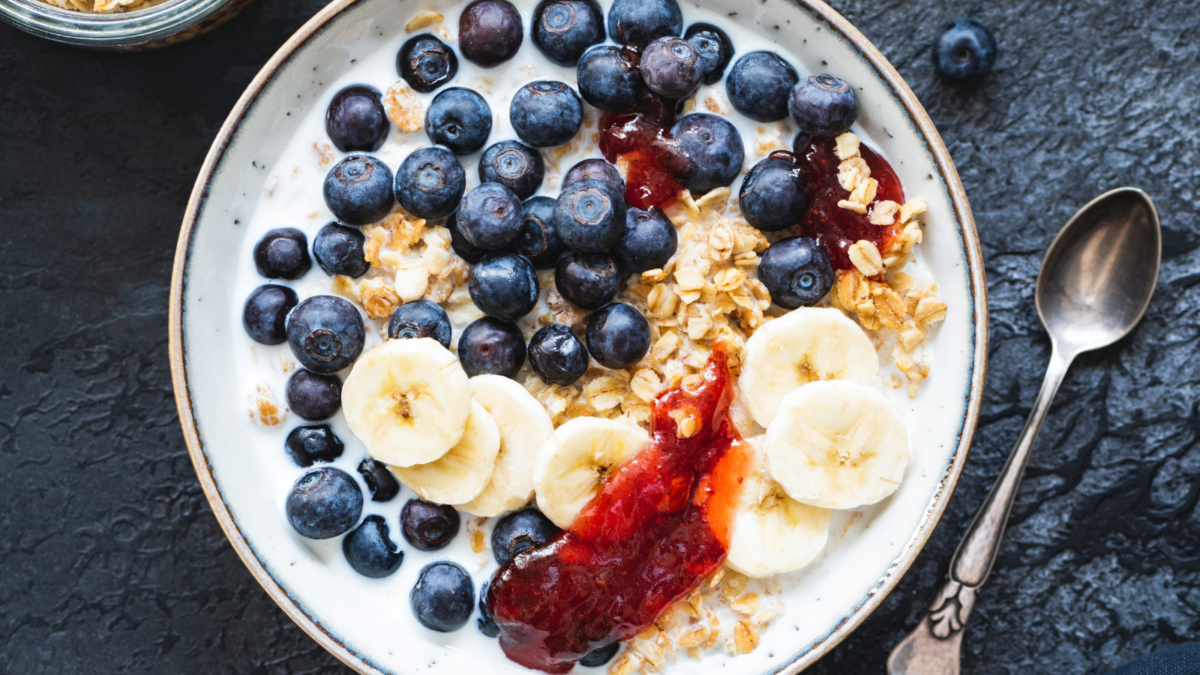
For Segal, the key addition is simple: one large egg white for a recipe built around three cups of old-fashioned rolled oats. On Once Upon a Chef, she explains that the egg white firms up during baking, “acting like a natural glue that holds the oats and nuts together.” Her method combines it with oil, maple syrup or honey, brown sugar, vanilla, cinnamon, and salt before adding the dry ingredients. That distributes the binder through the mixture rather than leaving it concentrated in one spot.
Egg white isn’t the only option, and it wasn’t the top performer in Koenig’s comparison. She tested a control batch alongside versions containing sourdough discard, almond flour, egg whites, peanut butter, or all-purpose flour. All six batches baked for 90 minutes at 250°F, were stirred once halfway through, and cooled completely on their baking sheets. Keeping those steps consistent made it easier to compare how each ingredient change affected cluster size and texture.
Peanut butter produced the largest clusters in that test, plates roughly six to seven inches across, but also made the granola noticeably chewier and left a slightly chalky mouthfeel. All-purpose flour produced clusters about two to four inches across without those texture drawbacks. “For effective cohesion without any textural downsides, adding all-purpose flour was the winner,” Koenig wrote. Her suggested starting point is about 1/4 cup all-purpose flour for every 3 1/2 cups old-fashioned oats, then experiment to find your preferred ratio.
That finding is useful, but it doesn’t guarantee the same results. Koenig’s egg-white batch formed fragile, approximately one-inch nuggets, while Segal’s separate recipe is designed specifically around egg white and compacting the mixture. The results reinforce a practical point: judge the whole formula, not just the binder. If you want a reliable starting place, choose a recipe developed for clusters rather than combining ingredient amounts and baking instructions from several different sources.
Related: What Food Should You Stock Up on for an Emergency? Start With These Essentials
Press It Down and Stop Breaking It Apart
Once the ingredients are evenly coated, compression becomes part of the process. Both Segal and King Arthur recommend pressing the mixtureinto an even, compact layer on a parchment-lined baking sheet. Koenig explains that packing it down helps the ingredients cling together as they bake. Parchment also makes removal easier, reducing the need to scrape and scoop the finished granola into smaller pieces. Treat the pan like the beginning of a loosely formed granola slab, not a tray of ingredients that need constant rearranging.
Stirring presents a trade-off: it encourages even browning, but it also disrupts developing clusters. Segal’s recipe bakes at 300°F for 15 minutes, then calls for one stir and another firm press into a compact layer.It returns to the oven for 15 to 20 minutes without further stirring. Koenig similarly recommends minimal stirring for cluster-focused batches and repacking the mixture afterward. Follow those instructions within the chosen recipe, and watch the edges, which Segal notes tend to brown first.
McKenney offers another approach for anyone who wants a batch made specifically as clusters. Her maple-almond recipe presses the mixture into a parchment-lined 9-by-13-inch baking pan, much like granola bars. It bakes at 300°F for 40 minutes, with the pan rotated every 10 minutes. After a five- to 10-minute cooling pause, lift the slab out, cut it, break it into pieces, and bake for another 10 minutes. “That’s the real trick here,” she writes of the baking-dish method.
The Cooling Time Is Part of the Recipe
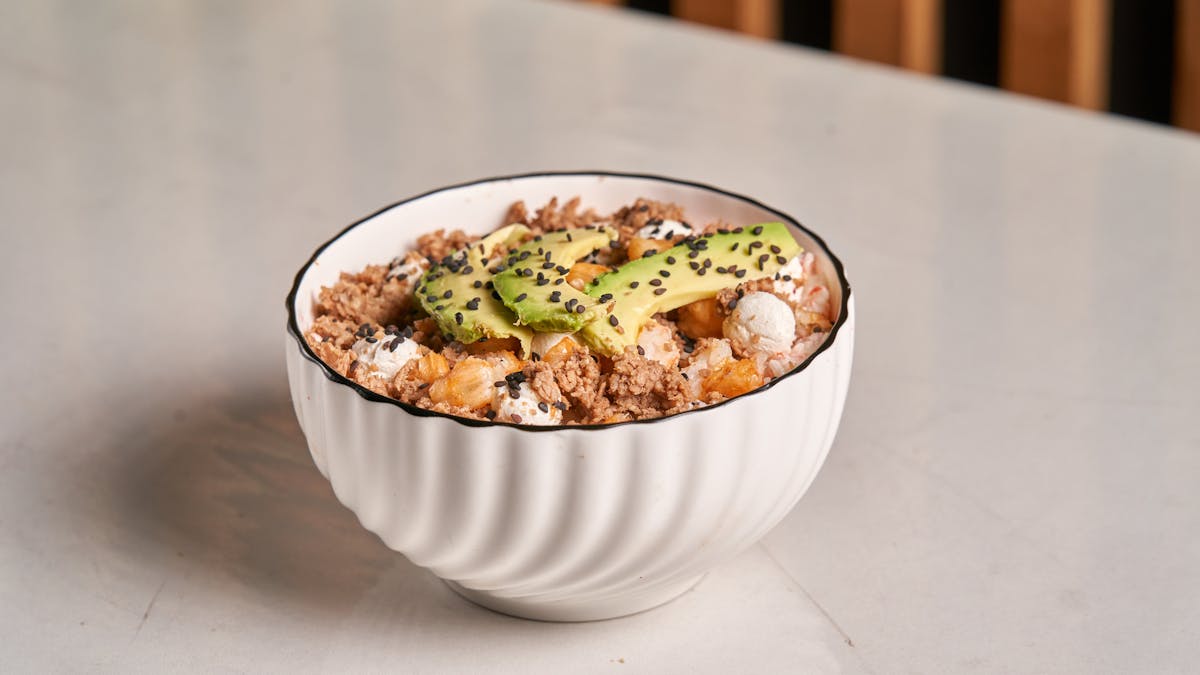
The hardest instruction may be the one that requires doing nothing. Granola continues to crisp as it cools, and moving it too soon can break apart the clusters you worked to create. Koenig puts it plainly: “A lot of the clustering action happens out of the oven, as your granola cools, crisps, and solidifies.” Segal likewise says to leave her granola untouched until completely cool. McKenney’s two-stage version includes an earlier breaking step, but its finished clusters still need a full final cool.
Customizing is welcome, but proportions matter. Segal recommends keeping the same ratios when swapping nuts, seeds, sweeteners, and spices, and adding dried fruit after baking and cooling. McKenney limits add-ins to about 1 1/4 cups total, including the almonds, warning that too many can make the clusters fall apart. Once cooled, store the granola as directed: Segal recommends an airtight container at room temperature for about 10 days, while McKenney suggests up to one week. The reward for that patience is a batch ready for yogurt, milk, or straight-from-the-container snacking.
Other Posts You Might Like
- 7 Food Basics Everyone Should Know
- 8 Natural Food Ingredients That Make Everything Taste Better
- 7 Foods That Support the Body During Chemotherapy