Chicago takes Italian beef seriously because the sandwich carries more than thinly sliced meat. It reflects Italian-American resourcefulness, neighborhood businesses, longtime bakery relationships, and a fiercely specific way of ordering lunch. Add competing origin stories and the national attention The Bear generated, and this messy mix of beef, bread, and seasoned juices becomes a particularly flavorful piece of civic identity.
Despite its name, Italian beef is a Chicago creation, rooted in the city’s Italian-American communities rather than imported whole from Italy. The familiar version layers thinly sliced roast beef in a roll, with options like sweet peppers or giardiniera and varying amounts of gravy or jus. Its preparation sounds straightforward; its history, preferred toppings, and ideal moisture level are where the conversation gets interesting.
A Sandwich Built on Making More From Less
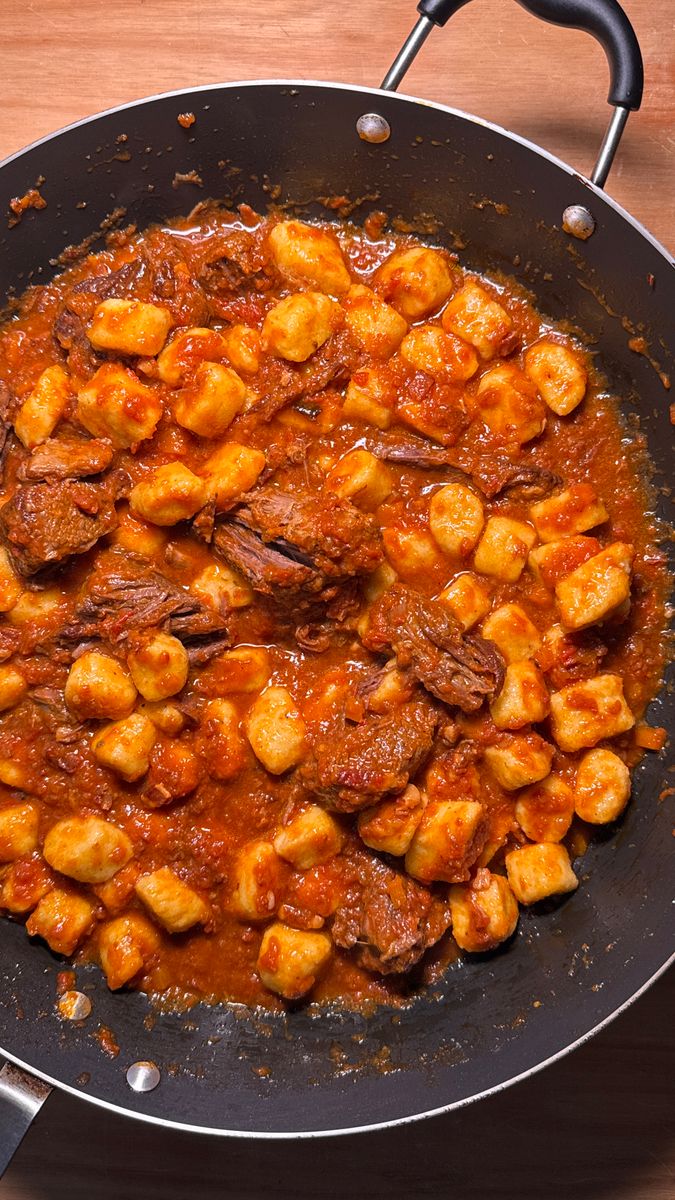
Food writer David Hammond, co-author of Made in Chicago: Stories Behind 30 Great Hometown Bites, traces Italian beef’s roots to modest celebrations known as “peanut weddings” in Chicago’s early Italian neighborhoods. Families stretched limited meat by slicing it thin, serving it on bread, and adding beef broth. That account connects the sandwich to communal hospitality and economy, not a chef unveiling a carefully branded invention at a restaurant opening.
The exact commercial origin remains disputed. Pasquale Scala is associated with supplying beef for those gatherings and later for sandwich businesses, while Al’s #1 Beef has its own family history. Hammond also reported a competing account from Mario Ferraro, whose family operates Ciccio on Navy Pier. Ferraro said his parents sold beef sandwiches around 1934 or 1935, before the commonly cited 1938 date associated with the sandwich’s commercialization. Those are competing claims, not a settled timeline.
Ferraro’s recollection makes the practical beginnings vivid: “When this little grocery store couldn’t sell the meat, they would cook it. It was all different cuts of meat.” He told Hammond that his parents made sandwiches and took them to Fulton Market to sell, eventually entering catering. Today’s Ciccio sandwich, he added, uses “my mom and dad’s recipe.” The account is significant as family testimony, but it should not be treated as conclusive proof of who sold the first Italian beef.
That uncertainty does not diminish the sandwich’s connection to Chicago. It changes the story from a single inventor’s triumph into a broader community history. Hammond concludes that the city’s iconic foods emerged from people combining older traditions with new circumstances. For Italian beef, the documented stories repeatedly return to families, affordable meat, neighborhood commerce, and feeding others, good reasons a sandwich might inspire loyalty well beyond its ingredients.
Related: Chicago Stole New York’s Steakhouse Crown And Meat Lovers Are Booking Flights to the Windy City
“Dipped,” “Sweet,” and “Hot” Are Part of the Experience
Ordering Italian beef involves decisions that go beyond choosing a sandwich size. “Sweet” generally refers to sweet peppers, while “hot” points to giardiniera, the vegetable mixture used as a spicy topping. A “combo” adds Italian sausage to the beef. These choices let regular customers specify their preferred version, but they are options, not evidence that only one arrangement is legitimate.
The moisture vocabulary requires a little more care. Shops use terms such as “dry,” “wet,” and “dipped,” but definitions can vary. A dipped sandwich commonly involves submerging the assembled beef and bread in the cooking juices, while a dry order limits added liquid. If you are visiting an unfamiliar shop, ask how it handles those terms rather than assuming every counter follows the same rules.
Bread is therefore not a passive wrapper. In WTTW’s 2018 reporting on Chicago bakeries, Gonnella Baking’s Tom Marcucci explained why a sturdy crust matters: “A lot of Chicagoans like their Italian beef wet, so you want a nice crispy crust there to begin with so it’ll hold up to that dipping process.” The roll has to absorb moisture while retaining enough structure to carry the filling, a demanding assignment for something people might otherwise overlook.
Roma’s co-owner Fred Rafidi made the same point from the restaurant side: “It holds the beef, you can dip it, it’s got wonderful flavor.” He also told WTTW, “We’ve been here since 1968 and always used Gonnella ever since.”That relationship illustrates the sandwich’s local ecosystem: the restaurant’s identity depends partly on a bakery’s product, not simply on the seasoning in the meat. This is tradition supported by everyday business relationships.
The Bear Expanded the Audience, Not the History
The Bear helped introduce Italian beef to a wider audience by making a Chicago sandwich shop central to its early story. Hammond noted in 2024 that beef businesses appeared in places including New York, Las Vegas, and Los Angeles, particularly after the show’s success. WTTW’s Chicago Stories likewise identifies the series as a force in popularizing the sandwich. Television brought attention to an established food culture; it did not create that culture.
National visibility can make Italian beef seem like a newly discovered obsession, but Chicago’s bakery and restaurant histories tell a longer story. Gonnella began as a small bakery in 1886, and Marcucci told WTTW that some customers had bought essentially the same bread since the bakery opened in the 1930s and 1940s. Those dates describe the bakery relationships, not the sandwich’s definitive invention. They show how familiar food can connect generations through repeat orders and consistent preparation.
Chicago’s seriousness ultimately makes sense because Italian beef sits at the intersection of personal preference and shared history. One customer wants sweet peppers; another wants heat. One wants a manageable roll; another wants the full gravy treatment. Behind those choices are immigrant-family stories, competing business memories, and the craft of keeping a heavily soaked sandwich together. The arguments are part of its identity, and, unlike the bread, they show little sign of falling apart.
Other Posts You Might Like
. 10 Reasons Some Americans Secretly Hate McDonald’s
. 7 Health Risks of Skipping Regular Bathing After Age 60
. How to Organize a Small Kitchen