The wildest twist in modern culture is that Gen Z roasted Boomer habits, then quietly started borrowing them. Terrifying Boomer habits Gen Z is copying are showing up in closets, kitchens, work routines, money choices, and even dating behavior. It feels funny at first, but these habits reveal something deeper about stress, survival, and the search for control.
This is not just nostalgia with better lighting. Younger Americans are reaching for older habits because modern life feels expensive, loud, unstable, and constantly online. So, let us look at the habits coming back and why they feel strangely familiar.
Choosing Home Over Constant Nights Out
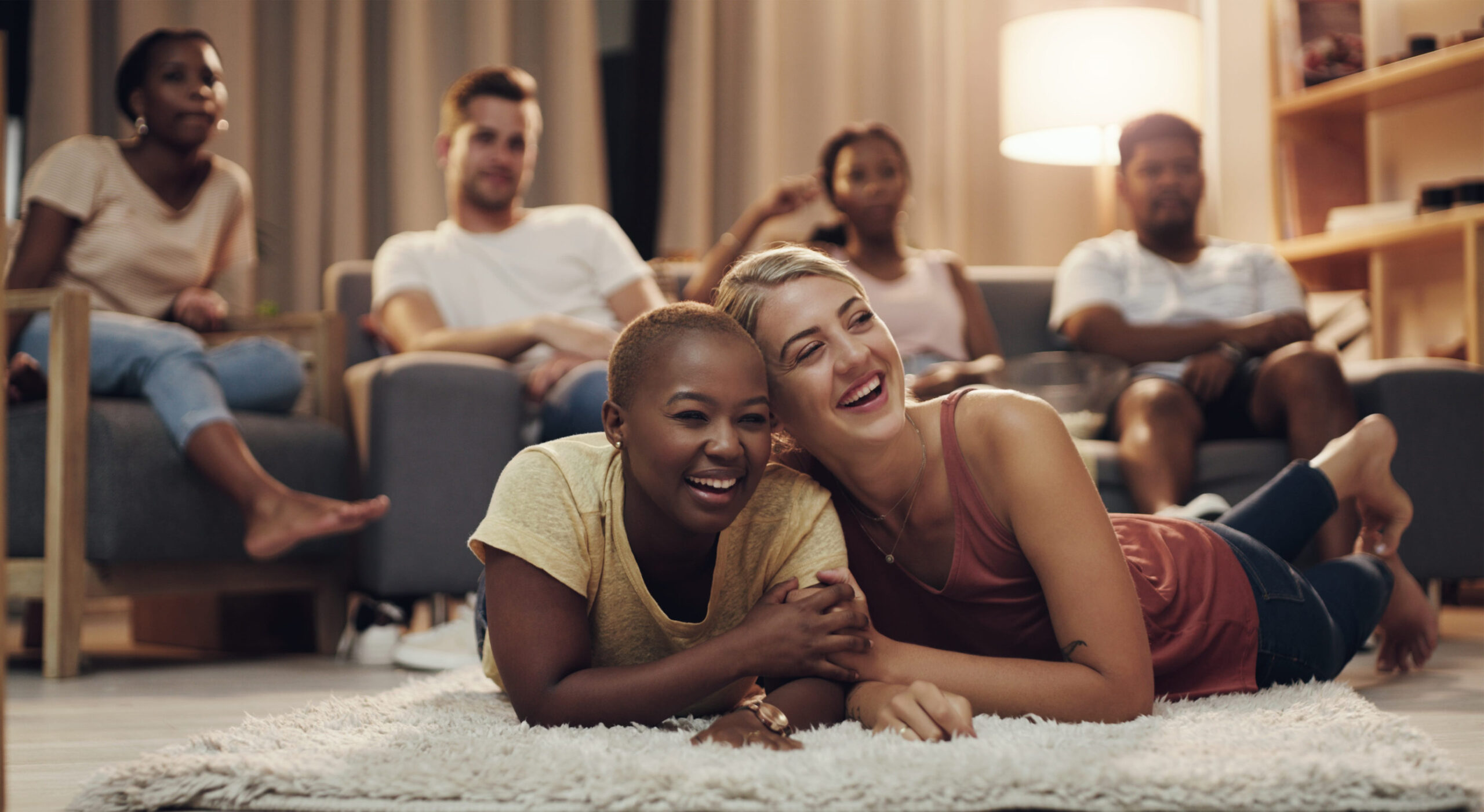
Gen Z once had endless social options on their phones, but many now prefer staying home. That sounds peaceful, but it also mirrors the Boomer habit of turning the house into the main social zone. After rent, food, rides, and drinks, going out can feel like financial cardio.
The homebody shift makes sense in a stressed economy. People want comfort, safety, and fewer surprise costs. Still, too much staying in can quietly shrink social life.
Boomers often hosted simple dinners, watched television together, or sat around talking for hours. Gen Z now does the same with streaming, takeout, and nearby group chats. Is it cozy, or is everyone just tired of the outside world?
Bringing Back Cash Awareness
Digital wallets made spending feel almost invisible. Gen Z now sees the danger and is starting to copy the Boomer habit of closely tracking cash. When money leaves your hand, it feels real in a way that tapping a screen never does.
This habit can be smart because it slows impulse spending. It makes people notice small purchases before they turn into monthly mysteries. FYI, five tiny treats can still bully a budget.
The terrifying part is why this habit returned. Many young adults feel squeezed by prices, rent, loans, and unstable work. Cash awareness may look old-fashioned, but it could be a survival tool.
Treating Work Like Identity

Boomers often tied pride, discipline, and personal worth to work. Gen Z challenged that mindset and slowly began building personal brands around productivity. Suddenly, work updates, side hustles, and career wins became part of the social feed.
This creates a strange mix of freedom and pressure. Young people want flexible lives, yet many still feel judged by output. A relaxed lifestyle sounds great until the algorithm starts clapping for burnout.
The habit can become dangerous when rest feels guilty about it. Work should support life, not swallow it whole with a polite calendar invite. Who wants to escape the office only to carry it inside a phone?
Cooking at Home Again
Boomers cooked at home because it was normal, practical, and often cheaper. Gen Z is bringing that habit back through meal prep videos, grocery hauls, and budget recipes. The kitchen has become both a survival zone and a content studio.
Cooking at home can improve routines and reduce waste. It also gives people more control over ingredients and portions. Still, the trend can feel stressful when every meal needs to look camera-ready.
A simple dinner should not require cinematic lighting and a perfect plate. Sometimes food just needs to feed you and not win an award. IMO, that is where the Boomer version had a point.
Choosing Phone Calls Again

For years, many young people treated phone calls like emotional emergencies. Now, some Gen Z users are returning to voice notes, direct calls, and long conversations. That sounds suspiciously close to the Boomer habit of solving things by actually speaking.
Texting can hide tone, delay honesty, and stretch conflict for days. A call can clear confusion faster than a paragraph full of nervous punctuation. Why type for an hour when a conversation can fix the mess?
The comeback is healthy, but it also shows digital fatigue. People want warmth that screens cannot fully deliver. The scary part is that basic human connection now feels like a retro skill.
Getting Serious About Household Skills
Boomers often knew how to mend clothes, fix small home problems, cook basics, and stretch household items. Gen Z is rediscovering those skills through tutorials, thrift culture, and cost-saving habits. Suddenly, practical competence looks cool again.
This shift comes from necessity as much as style. Replacing everything costs money, and many people want less waste. Learning to repair something can feel empowering in a throwaway culture.
The concern is that life forced the comeback before many people felt ready. Young adults now juggle work, bills, health stress, and adult tasks at once. Is it maturity, or is everyone speedrunning adulthood?
Collecting Real Objects Again
Boomers kept photo albums, records, books, letters, and family keepsakes. Gen Z is bringing back physical objects through vinyl, printed photos, journals, thrift finds, and film cameras. The digital world became endless, so real objects began to feel sacred.
This habit feels emotional because people crave texture and memory. A playlist is useful, but a record feels like an event. A cloud folder stores photos, but a printed picture can sit in your hand.
The terrifying part is the quiet mistrust behind it. People know apps vanish, accounts lock, and trends disappear overnight. Physical things feel stable when online life keeps changing the furniture.
Returning to Simple Beauty Routines

Boomers often had simpler beauty routines built around familiar products and steady habits. Gen Z pushed maximal trends, then began returning to cleaner routines and basic grooming. The shelf full of products started looking less glamorous and more like rent money.
This comeback makes sense because beauty fatigue is real. People get tired of chasing every serum, tool, and viral promise. A simple routine can feel like relief after years of product chaos.
Still, the pressure has not fully disappeared. Simplicity can become another trend to perform perfectly. Imagine stressing over looking effortless, because apparently, peace needed a marketing plan.
Wanting Clear Relationship Labels
Boomers came from a dating culture that often valued labels, commitment, and public clarity. Gen Z questioned traditional dating rules, but many now want direct answers again. Casual ambiguity gets old when feelings start paying rent in your mind.
Clear labels can help prevent confusion. They help define expectations, boundaries, and emotional responsibility. Nobody enjoys acting chill while secretly needing a meeting agenda for their heart.
This habit returns because modern dating can feel exhausting. Too many options can create less certainty, not more freedom. Sometimes old clarity looks attractive after too much digital guessing.
Building Quiet Routines

Boomers often built life around routines, morning habits, errands, chores, and predictable weekends. Gen Z now celebrates slow mornings, early nights, cleaning resets, and quiet hobbies. The soft life trend may look new, but the structure feels very familiar.
Routine helps people feel grounded when the world feels chaotic. It reduces decision fatigue and gives the day shape. That matters when news, work, social media, and money worries all compete for attention.
The scary truth is that routine now feels rebellious. Rest, cleaning, cooking, walking, and sleeping well should not feel like rare achievements. Yet here we are, cheering for people who drink water and go to bed on time.
Conclusion
Terrifying Boomer habits Gen Z is copying aren’t terrifying because they’re all bad. They feel unsettling because they reveal the pressure young people now carry. Behind the jokes, these choices show a generation trying to find stability in a messy world.
Many of these habits are practical, grounded, and even healthy. Cooking at home, saving money, calling loved ones, and building routines can improve daily life. The problem begins when these habits come from fear, exhaustion, or constant financial pressure.
Gen Z may be copying Boomer habits, but they are also reshaping them. They add humor, style, technology, and honesty to routines that once felt plain. Maybe the real twist is not that old habits are returning, but that young people are making them useful again.
So before anyone laughs at the comeback, it helps to ask why it happened. People do not return to older habits for no reason. Sometimes a generation reaches backward because the present feels too expensive, too noisy, and too unstable to handle on its own.