Most people never think twice about the food sitting in their refrigerators. A bag of fresh spinach, a container of ice cream, or a sandwich from a favorite deli hardly seems like something that could turn deadly.
Yet some of America’s most serious foodborne illness outbreaks have involved precisely these ordinary foods. Products that appeared perfectly normal were later connected to infections, hospitalizations, nationwide recalls, and heartbreaking deaths.
What makes these incidents particularly unsettling is that contamination isn’t always visible. Food can look fresh, smell normal, and taste exactly as expected while carrying dangerous bacteria.
From contaminated peanut butter to tainted cantaloupes, these eight documented outbreaks show how everyday foods can become part of devastating public health emergencies.
All the incidents described below are historical outbreaks that have ended, not warnings that these foods are currently contaminated.
Cantaloupes That Were Linked to 33 Deaths
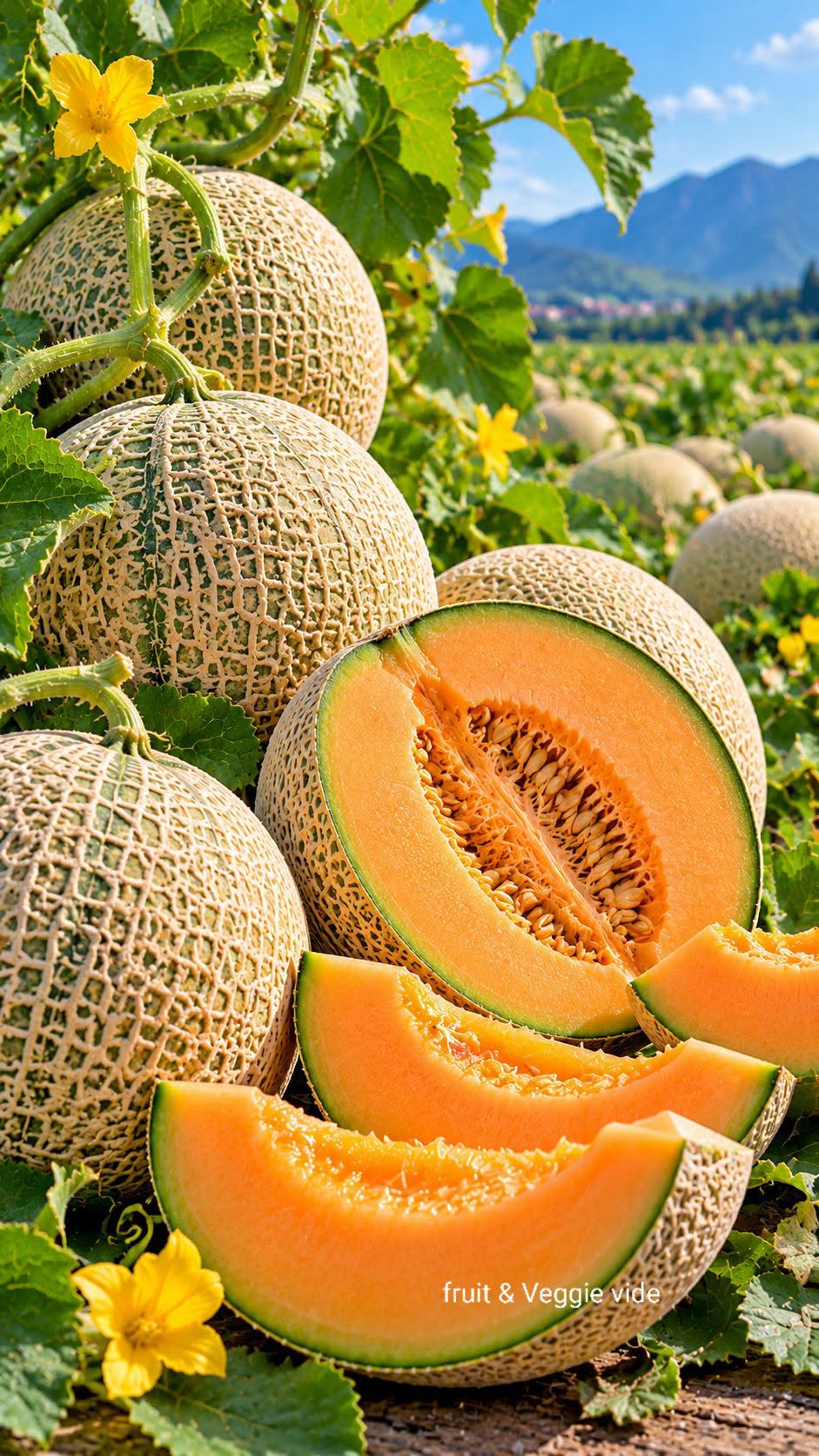
Few shoppers would expect a sweet, refreshing cantaloupe to become the center of a deadly national outbreak. But that is exactly what happened in 2011.
According to the Centers for Disease Control and Prevention (CDC), cantaloupes grown at Jensen Farms in Colorado were connected to a multistate outbreak of Listeria monocytogenes.
The outbreak infected 147 people across 28 states. Of those with available hospitalization information, 143 were hospitalized. Investigators reported 33 outbreak-associated deaths.
The tragedy’s scale was remarkable because cantaloupes are generally associated with fresh summer eating, not deadly contamination.
The incident also demonstrated how a problem originating at one agricultural operation could affect families across the country.
For many consumers, it was a sobering reminder that fresh produce isn’t automatically free from contamination just because it comes directly from a farm.
Peanut Butter That Sickened Hundreds Across America
Peanut butter is an American pantry staple, commonly spread on sandwiches, stirred into recipes, and enjoyed as a quick snack.
But between 2008 and 2009, peanut products became the focus of a massive Salmonella outbreak.
The CDC documented 714 infections across 46 states and one reported case in Canada. The agency stated that the infection may have contributed to nine deaths.
Investigators linked the outbreak to contaminated peanut butter and peanut products, sparking widespread concern about ingredients in packaged foods.
One particularly troubling aspect was how peanut ingredients could enter numerous products without consumers necessarily realizing where they originated.
The outbreak exposed the complexity of the country’s food supply chain. A contamination problem involving a common ingredient could extend far beyond a single jar sitting on a supermarket shelf.
Romaine Lettuce That Was Linked to Five Deaths
A salad is often viewed as one of the simplest meals to prepare. Just wash the vegetables, add dressing, and serve.
However, in 2018, romaine lettuce became the suspected vehicle for a dangerous E. coli outbreak that spread across the United States.
CDC investigators documented 210 infections in 36 states. Ninety-six people were hospitalized, and five deaths were reported.
Evidence pointed to romaine lettuce grown in the Yuma region as the likely source.
The outbreak challenged the assumption that only raw meat or improperly cooked foods present serious contamination concerns.
Leafy vegetables can also become contaminated before reaching grocery stores, restaurants, or home kitchens.
The incident became one of the country’s most widely discussed produce-related food safety emergencies, highlighting the difficulty of tracing contamination through agricultural distribution networks.
Related:How To Avoid Food Poisoning From Rice
Deli Meats That Were Connected to 10 Deaths
For millions of Americans, deli meat is a convenient lunch ingredient. Whether tucked into a sandwich or purchased for a family gathering, it rarely attracts much attention.
That changed dramatically in 2024.
A Listeria outbreak linked to meats sliced at deli counters, including Boar’s Head liverwurst, resulted in 61 reported illnesses and 10 deaths.
According to the CDC, 60 of the 61 affected people were hospitalized.
The investigation involved laboratory testing, interviews, and tracing food products through distribution channels.
What made the situation especially disturbing was how familiar the products were. These were not unusual foods purchased from obscure sources but everyday items sold through ordinary retail channels.
The outbreak underscored why recalls involving ready-to-eat refrigerated products can become especially serious.
Ice Cream That Was Linked to Three Deaths
Ice cream is usually associated with celebrations, family outings, and childhood memories.
But a Listeria investigation involving Blue Bell Creameries showed that even a frozen dessert could contribute to a deadly foodborne illness outbreak.
In 2015, investigators linked certain Blue Bell products to infections caused by several Listeria strains.
The CDC identified 10 affected people across four states, all of whom were hospitalized. Three deaths were reported in Kansas.
Some patients had consumed milkshakes prepared with Blue Bell ice cream while already hospitalized for unrelated conditions.
The investigation ultimately linked illnesses occurring over several years, showing how difficult it can be to recognize a contamination pattern right away.
For consumers, the case reminded us that freezing food does not necessarily eliminate every potential bacterial hazard.
Fresh Spinach That Became a Nationwide Emergency
Fresh spinach seems like an unlikely cause of a national food emergency. Nevertheless, contaminated spinach triggered a major E. coli outbreak in 2006.
According to the CDC’s October 6 investigation update, 199 confirmed infections had been reported across 26 states.
Of those affected, 102 were hospitalized, and the outbreak was associated with three deaths.
The incident attracted significant attention because spinach is often eaten raw, leaving little opportunity for cooking to eliminate contamination.
Consumers who bought what appeared to be ordinary leafy greens suddenly faced warnings and recalls.
The outbreak became a key example of how contamination in a single produce category could disrupt the food industry.
Related:Largest US Lettuce Outbreak in History Is Officially Over, CDC Says
Onions Served on Fast-Food Burgers That Were Linked to One Death
In 2024, McDonald’s Quarter Pounder burgers were linked to an E. coli outbreak that drew nationwide attention.
Investigators ultimately identified fresh, slivered onions served on certain burgers as the likely source.
According to the Food and Drug Administration (FDA), the outbreak affected 104 people across 14 states, resulting in 34 hospitalizations and one death.
Taylor Farms recalled affected onions, and McDonald’s removed the implicated ingredient from affected restaurants.
Although investigators did not recover the outbreak strain from onion samples, interviews and supply-chain evidence supported onions as the likely source.
The investigation ended in December 2024, and officials reported no ongoing food safety concern related to the outbreak.
The case demonstrated how even a small ingredient added to a familiar fast-food meal could become central to a serious contamination investigation.
Cooking Oil That Caused Hundreds of Deaths in Spain
Not every food contamination disaster involves bacteria.
In 1981, Spain experienced a devastating incident involving adulterated oil fraudulently marketed as olive oil.
The resulting condition became known as toxic oil syndrome.
According to a scientific review published in Environmental Health Perspectives, approximately 20,000 people were affected, and around 300 died shortly after the outbreak began.
Unlike bacterial outbreaks involving contaminated produce or meat, this tragedy involved a chemically altered product entering the food supply.
The incident demonstrated that food safety problems can arise from deliberate adulteration as well as failures in handling, processing, or storage.
It remains one of the most disturbing examples of the consequences of selling misrepresented food products.
The Lesson Behind These Food Contamination Tragedies
These incidents involve very different foods, but they share one unsettling reality: dangerous contamination doesn’t always change a product’s appearance, smell, or taste.
They also show why outbreak investigations, product recalls, and food traceability matter. What begins as an unexplained illness in one household can sometimes reveal a problem affecting consumers across several states.
Importantly, these historical tragedies do not mean the foods themselves should be avoided permanently. The outbreaks described here were tied to particular contaminated products or sources, not every cantaloupe, sandwich, salad, or ice cream.
For everyday shoppers, the practical takeaway is to pay attention to official recall announcements and follow established food-handling guidance rather than relying on appearance alone.
The most frightening part of these outbreaks is not that the foods were unusual. It is that they were familiar items people had every reason to believe were safe.
Other Posts You Might Like:
FDA Flags Olive Oil Recall Over an Unapproved Garlic Ingredient
23 Household Items That Can Kill a Dog Instantly