Walmart wants robots to take over more warehouse work, but some surprisingly ordinary products are proving difficult even for expensive machines.
The retail giant is investing billions in warehouse automation, hoping to move merchandise faster, cut operating costs, and improve product flow from distribution centers to stores. But the transition is proving more complicated than expected. Robots struggle with oversized items, cardboard boxes, and routine warehouse tasks that human workers have handled for years. According to recent reporting on Walmart’s automation challenges, the company is discovering that automating an existing warehouse involves much more than simply bringing in machines.
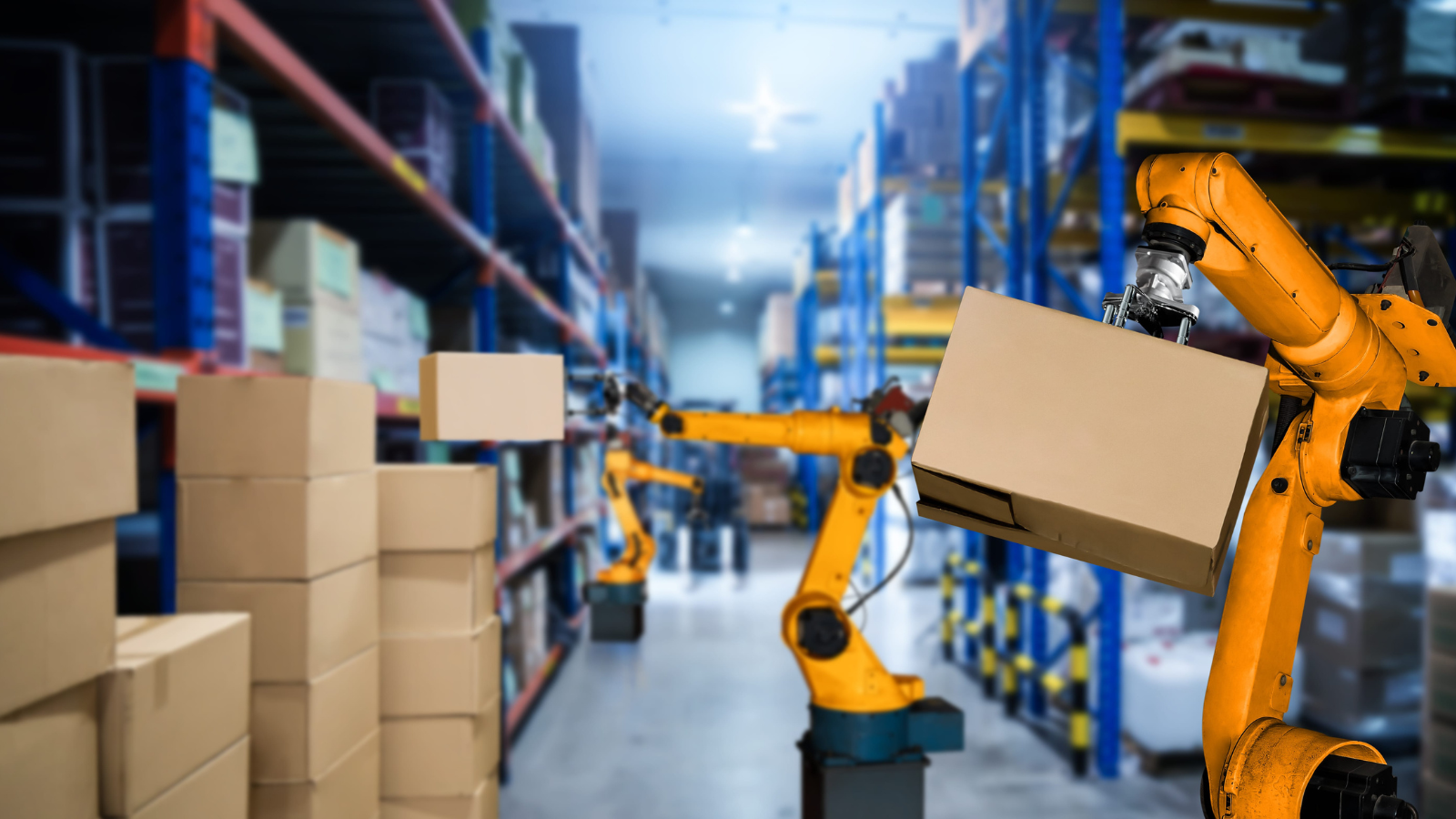
Why Dog Food Is Giving Robots Trouble
A heavy bag of dog food may not seem like a technological challenge, but warehouse robots struggle to handle it.
Walmart’s automated systems are designed to move merchandise through warehouses with limited human intervention. However, bulky and heavy products can be difficult for smaller wheeled robots and automated handling systems to transport.
Large bags of dog food are among the products that still require human assistance in some facilities. Large-screen televisions and other oversized merchandise present similar challenges.
The problem highlights a basic limitation of warehouse automation: machines designed for standard-sized packages cannot necessarily handle every item that passes through a distribution center.
Cardboard Boxes Are Creating Another Headache
Sometimes the obstacle isn’t the product inside the box. It’s the box itself.
Walmart has used familiar cardboard shipping boxes for decades, but some are too large for its newer automated systems. Workers can easily remove individual items from a box and sort them for separate shipments, a process known as breakpack. Teaching robots to do the same task reliably has proven much harder.
The company is responding by changing some packaging. Smaller boxes fit the automated equipment more easily, but replacing established packaging adds costs and disrupts employees’ familiar routines.
As the latest coverage of Walmart’s robot problems explains, these seemingly minor obstacles illustrate why real-world warehouse automation remains difficult.
The Robots Still Need Repairs
Even the most sophisticated warehouse system becomes a problem when its machines repeatedly stop working.
Walmart’s automation partners include Symbotic, a robotics company whose systems move merchandise through warehouses. Reports have highlighted breakdowns and maintenance issues, including dust buildup.
Maintenance rates have reportedly improved, but keeping large automated facilities running still requires technical expertise and regular servicing.
This creates a different kind of staffing challenge. Walmart may need fewer people to move merchandise manually, but it also needs skilled workers who can maintain equipment, troubleshoot faults, and keep automated operations running.
Related: What Could Happen If Robots Become More Powerful and Intelligent Than Humans?
Automation Is Becoming More Expensive Than Expected
Replacing manual work with machines does not automatically mean spending less money.
Automated warehouses require substantial investments in equipment, infrastructure, software, and maintenance. They also consume significant electricity, especially when systems run continuously or require extensive climate control.
According to reports on Walmart’s multibillion-dollar automation effort, monthly electricity bills at some automated grocery facilities have reached $800,000 or more, compared with roughly $250,000 when operations were more manual.
Those figures do not mean automation cannot eventually save money. They do show that the financial benefits depend on whether increased productivity ultimately outweighs the costs of operating and maintaining the systems.
Human Workers Aren’t Disappearing Overnight
Walmart’s automation plans may reduce some manual tasks, but people remain essential to the operation.
Workers still handle jobs machines struggle with, including unloading trailers and handling unusual or oversized merchandise. Other employees are needed to supervise, repair, and maintain automated equipment.
Walmart executives have indicated that the company expects its warehouses to need fewer traditional warehouse workers over time, while creating demand for more technical roles. They have also said high employee turnover could help the company adjust its workforce without widespread layoffs.
That transition will take time, particularly while the company works through technical challenges and adapts facilities that were originally built for conventional warehouse operations.
Walmart Is Still Betting on the Future
Despite the setbacks, Walmart has not abandoned its ambition to automate its supply chain.
The company operates a vast network of distribution and fulfillment facilities, and automation could move more products faster and more consistently. At its Brooksville, Florida, test facility, roughly 80% of inventory reportedly moves through automated systems, although difficult products and tasks still require help.
The larger challenge is extending those gains across a much bigger network of facilities with different layouts, equipment, and merchandise.
Walmart is also not alone in pursuing automation. Major retailers are investing in robotics to improve logistics and compete on delivery speed, inventory management, and operating efficiency.
The Bigger Lesson About Warehouse Robots
The most revealing part of Walmart’s story is that everyday work can be much harder to automate than it looks.
A human warehouse employee can recognize an awkward box, lift a heavy bag, adjust to an unexpected package, and keep moving. A robot must be designed, programmed, and maintained to handle those variations safely and reliably.
Walmart’s experience shows why automation is rarely as simple as replacing people with machines. The technology must work alongside packaging, warehouse layouts, inventory systems and the unpredictable realities of handling millions of different products.
For now, the company’s robot revolution remains a work in progress. Its eventual success will depend on whether the machines can become reliable and efficient enough to justify their enormous cost.
What do you think: will warehouse robots eventually replace most manual workers, or will human employees remain essential for the jobs machines struggle to handle?