The shortcut to creamy homemade mac and cheese is not necessarily more butter or a generous pour of heavy cream. In J. Kenji López-Alt’s three-ingredient stovetop recipe, the key is to cook macaroni in just enough water to cover it, then add evaporated milk and cheese. That small amount of water concentrates the pasta’s starch, helping the finished sauce stay creamy without a separate flour-and-butter base.
The recipe uses six ounces each of elbow macaroni, evaporated milk, and grated cheese, plus water and salt. It makes two servings, takes about 10 minutes of cooking and comes together in one saucepan or skillet. This is stovetop mac and cheese, not a baked casserole with a crisp topping, and the method appeals because it gets you to a creamy bowl without the extra sauce-making step.
The Trick Starts Before the Cheese Goes In
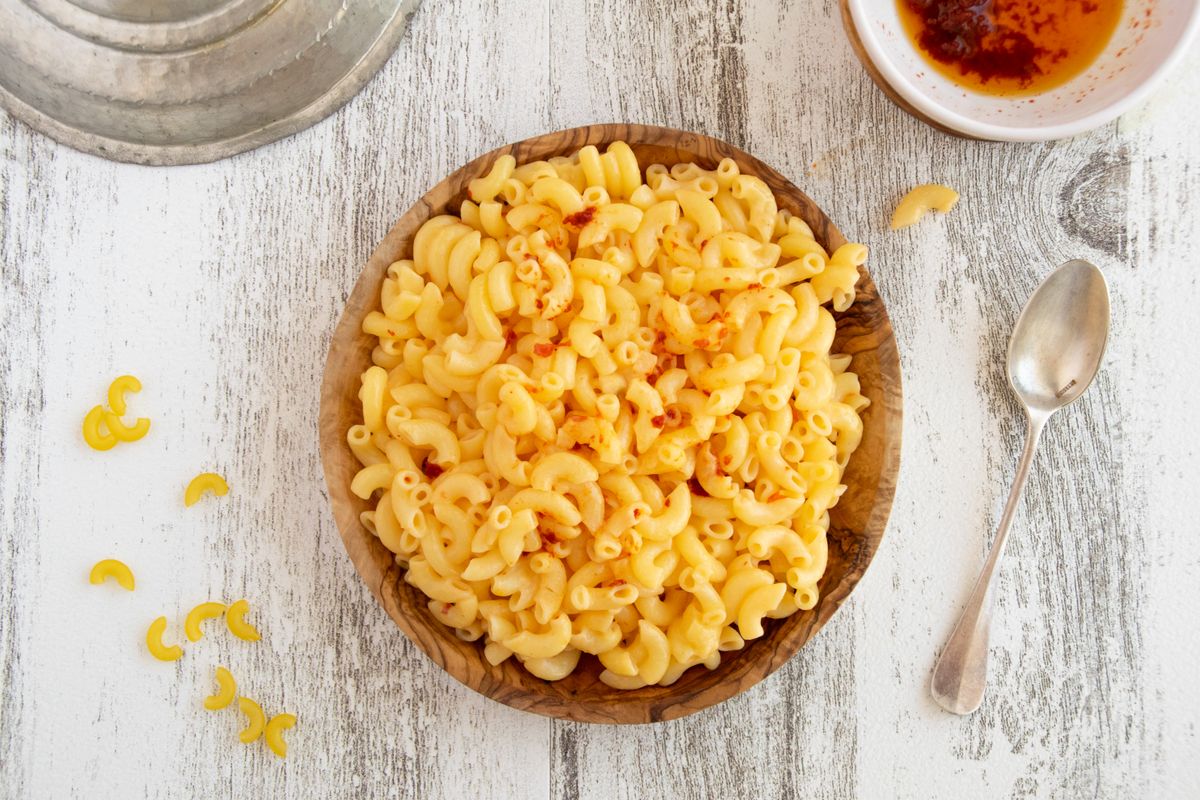
Most pasta instructions send you toward a large pot of boiling water and a colander. López-Alt’s method goes the other way: put the macaroni in a medium saucepan or skillet, add just enough cold water to cover it, and bring it to a boil. As the pasta cooks, it releases starch into that relatively small amount of liquid. Instead of draining that starch away, you keep it for the sauce.
In his 2017 roundup of favorite recipes, López-Alt described the technique directly: “Cooking the pasta in barely enough water to cover it and allowing that water to completely evaporate to concentrate starch (an emulsifying powerhouse) is the secret.” The formal cooking instructions are slightly more specific about the stopping point: the water should be almost completely absorbed and the macaroni just shy of al dente before the milk goes in.
That distinction matters because this is not an instruction to scorch pasta in a dry pan. Stir frequently as the water reduces, watching both the liquid and the macaroni’s texture. The recipe gives about six minutes for this stage, but the visual and texture cues explain what you are trying to achieve. You want concentrated starch and nearly cooked pasta, not a stuck-on layer that adds an unplanned scrubbing session to dinner.
The technique also keeps milk out of the initial pasta-cooking stage. Serious Eats explains that recipes that cook pasta directly in milk can scorch. Here, water does that first job, and evaporated milk arrives near the end. This sequence is part of the shortcut’s design, so combining everything at the beginning wouldn’t follow the published method.
Why Evaporated Milk Makes a Difference
Evaporated milk does more than add liquid. Serious Eats identifies its milk proteins as contributing to a smooth, emulsified sauce, where the components stay combined rather than separating into an oily, stringy mixture. Together with the concentrated pasta starch, those proteins help make a creamy cheese sauce possible without first preparing a traditional béchamel, the milk sauce thickened with a butter-and-flour roux.
López-Alt’s explanation of a more elaborate stovetop mac and cheese recipe shares the same goal: keeping the cheese’s fat from separating, providing enough moisture, and preventing its proteins from forming long strands. That separate recipe uses additional ingredients, including cornstarch and eggs, but those are not required for the three-ingredient version. The recipes share a sauce-making principle, but they shouldn’t be mistaken for identical formulas.
The cheese choice also deserves attention.The three-ingredient recipe calls for grated mild or medium cheddar, while an adaptation published by 12 Tomatoes suggests other good melting cheeses, including Gruyère and Monterey Jack. For a first attempt, the original cheddar recommendation is a straightforward starting point. This doesn’t mean every cheese, or any assortment of odds and ends from the refrigerator, will produce the same texture.
Another established recipe writer, Deb Perelman of Smitten Kitchen, was impressed by the simplicity and discussed the dish when launching The Recipe with Kenji and Deb podcast in 2024. “Kenji’s recipe is so easy, you’ll make it once and memorize it forever,” she wrote. That is her enthusiastic assessment, not a measured result. Still, the short ingredient list and repeated six-ounce quantities certainly make the formula easier to remember than a lengthy casserole recipe.
How to Make It, and Keep It Creamy
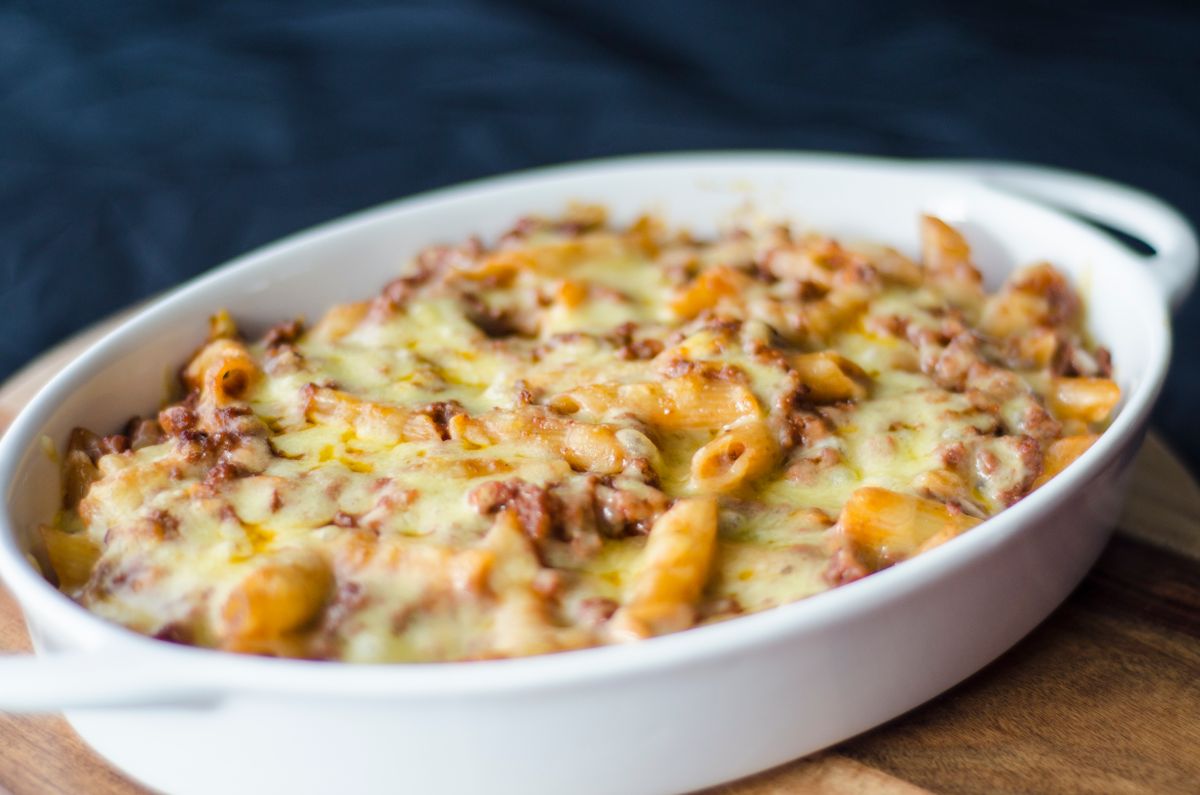
Start with six ounces of elbow macaroni in a saucepan or skillet, cover with cold water, and add a pinch of salt. Bring it to a boil over high heat, stirring frequently. Continue until the water is almost absorbed and the pasta is nearly al dente, about six minutes. Have the measured milk and grated cheese ready beforehand, because the next stage begins immediately, not after draining or cooling the pasta.
Add six ounces of evaporated milk and bring it to a boil, then add six ounces of grated cheddar. Reduce the heat to low and stir continuously for about two minutes, until the cheese melts and the liquid becomes a creamy sauce. Taste, adjust the salt and serve immediately. The high heat used to boil the pasta is not the heat setting specified for finishing the cheese sauce.
Expect the sauce to thicken as it sits. The 12 Tomatoes adaptation advises loosening it with a little additional milk or water if necessary. López-Alt’s separate, more elaborate stovetop recipe likewise recommends adding a few tablespoons of milk while stirring during reheating to restore moisture and help the sauce come back together. Those adjustments are useful guidance, not a guarantee that leftovers will be indistinguishable from a freshly finished batch.
This recipe is worth trying not for an extravagant new ingredient, but for a different use of familiar ones. Keep the pasta starch instead of pouring it away, add evaporated milk at the right stage, and melt the cheese over low heat. The result is a direct route to homemade mac and cheese with no separate roux, no baking dish, and considerably less fuss between the saucepan and your spoon.
Other Posts You May Like
- USDA’s ESG Funding Rollback Could Affect Over 20,000 Dairy Farms
- Canadian Grocers Are Ditching US Products as Buy Canadian Movement Grows