Plain rice is a dependable dinner starting point, but sometimes it needs a little help becoming the part of the meal you actually look forward to. Enter a creamy peanut sauce that combines peanut butter, lime juice, soy sauce, maple syrup, and sriracha. Registered dietitian Hannah Magee’s version takes five minutes to prepare and requires nothing more elaborate than a bowl and a whisk. The rice gets a generous helping of flavor; you avoid another pan to wash.
The appeal is not just that the sauce is quick. Peanut butter provides richness, lime brings acidity, soy sauce adds savory flavor, maple syrup balances the mixture, and sriracha supplies heat. Together, those ingredients give a simple rice bowl several things plain grains do not offer on their own. Rice producer Lotus Foods uses the same peanut-butter,lime, soy, and chili combination in its own rice-bowl recipe, thinning the sauce with water before serving.
There is one useful distinction behind the headline: five minutes refers to making the sauce, not cooking rice from scratch. You need cooked rice ready to serve, or properly stored leftovers ready to reheat. A drizzle also doesn’t automatically turn rice into a nutritionally complete dinner. Think of the sauce as the flavor anchor, with vegetables and a protein like tofu or chicken building out the bowl.
Five Ingredients, One Bowl and No Cooking Required
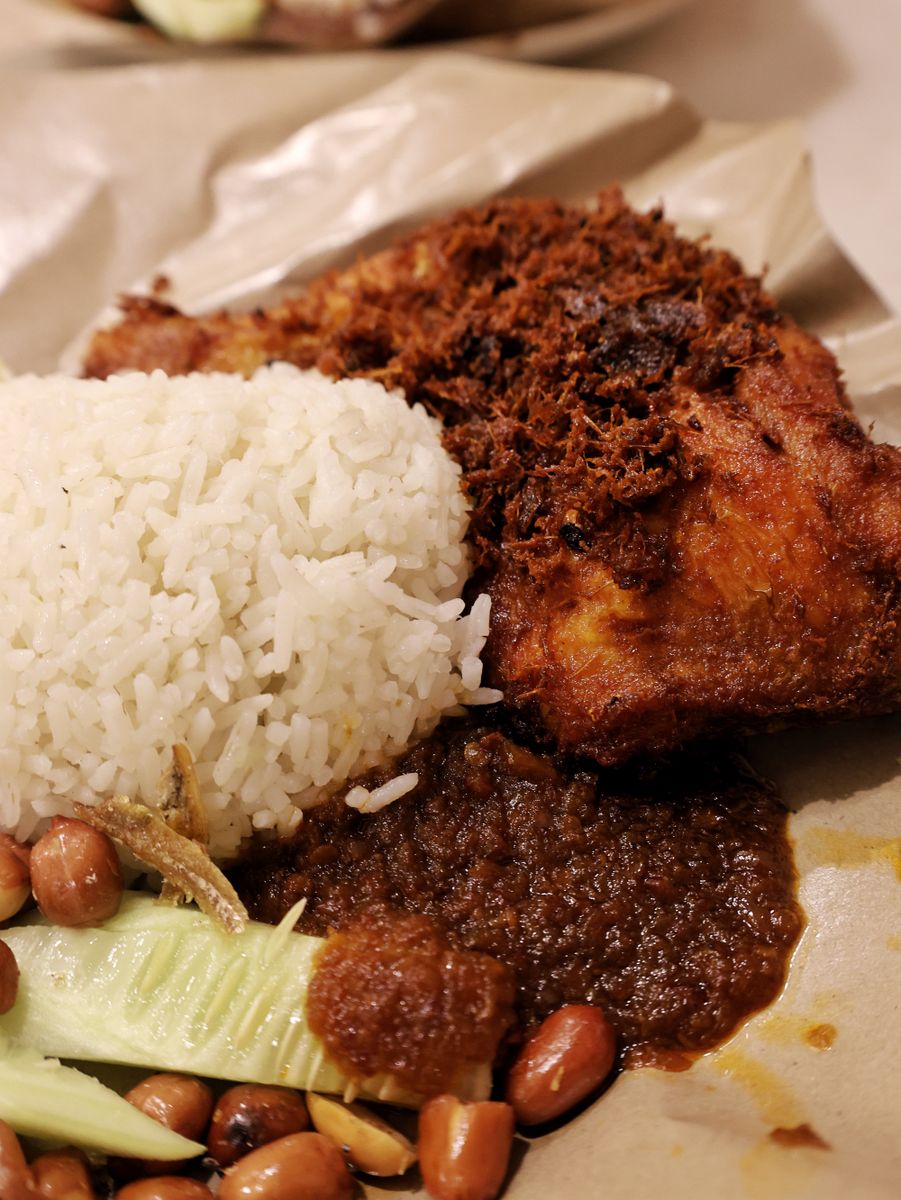
Magee makes the promise clearly in her recipe introduction: “5 minutes and 5 ingredients is all you need to make homemade peanut sauce.” Her recipe serves four and uses ¼ cup creamy peanut butter, 2 tablespoons lime juice, 1 tablespoon soy sauce, 1 tablespoon pure maple syrup and 2 teaspoons sriracha. You can add up to 2 tablespoons of hot water to thin. Measure the ingredients before mixing, and you don’t need a saucepan, blender, or food processor.
Add the peanut butter, lime juice, soy sauce, maple syrup and sriracha to a bowl, then whisk until combined. If the mixture is too thick to drizzle, add a little hot water and keep stirring, using up to the amount specified in the recipe. The goal is a sauce that coats the rice rather than sitting on top in a heavy lump. Lotus Foods also recommends adding water gradually until the sauce reaches your desired consistency.
Creamy natural peanut butter is the starting point in Magee’s recipe and in Love and Lemons’ five-minute version. The latter adds rice vinegar, sesame oil, and ginger, but those extras are not required for Magee’s shorter ingredient list. That distinction keeps the shopping list manageable: choose one recipe rather than combining every appealing ingredient from several versions. A quick dinner sauce should not quietly become a nine-bottle scavenger hunt.
Taste before spooning it over the rice, especially if you are adjusting the heat. Magee suggests increasing the sriracha for a spicier sauce, while Love and Lemons advises seasoning its version to taste. Neither approach requires turning dinner into a precision laboratory, but starting with the published measurements gives you a clear baseline. From there, small adjustments are easier to judge than an enthusiastic pour straight from the bottle.
Related: Root Beer in Pie? This Sweet-and-Salty Peanut Dessert Is the Throwback Nobody Saw Coming
Why It Works and How to Make the Bowl Feel Finished
The ingredient roles explain why this mixture is more than peanut butter diluted with water. Magee describes soy sauce as supplying “that signature umami taste,” lime juice as providing “zing and acidity,” and maple syrup as balancing the savory flavors. Sriracha adds the final kick. That combination makes the sauce useful beyond rice, too: her serving suggestions include spring rolls, noodles, and chicken skewers, so a batch doesn’t have to be a one-dinner commitment.
For a rice bowl, start with the cooked grains and spoon over enough sauce to coat them when stirred. Then add ingredients that add variety instead of asking the sauce to do everything. Love and Lemons recommends peanut sauce with rice bowls, roasted vegetables, crispy tofu and baked tempeh. Broccoli or carrots add a vegetable component, while tofu provides a substantial topping without introducing another sauce to compete for attention.
Chicken is another supported pairing, not a random addition meant to fill the bowl. Magee specifically recommends her sauce with satay chicken skewers and notes that it can also be used with meats such as chicken. For the simplest rice-bowl application, keep the sauce separate until your other ingredients are cooked and ready. That follows the same practical assembly approach as Lotus Foods: prepare the rice, mix the sauce, and serve with your chosen toppings.
It is also worth naming this shortcut accurately. Peanut sauces connect to Indonesian and Thai cooking, but a peanut-butter pantry version shouldn’t automatically be described as an authentic traditional recipe. Love and Lemons explicitly acknowledges that its own version is “not entirely authentic.” Here, the useful promise is simplicity: a quick homemade peanut sauce with clear ingredients and a clear method, not a claim to represent every peanut sauce tradition.
Make Smart Swaps and Treat Leftover Rice Properly
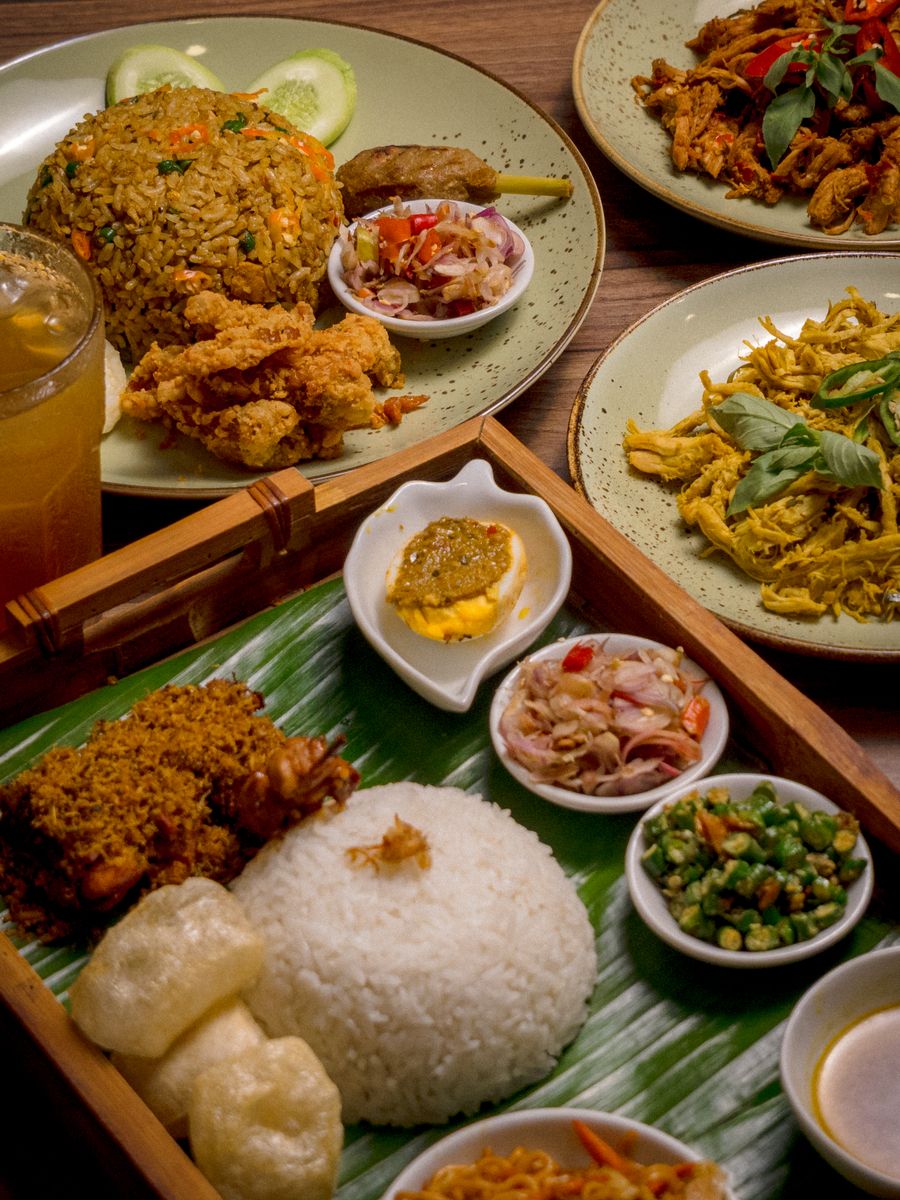
Missing an ingredient does not necessarily cancel dinner. Magee lists rice vinegar as a substitute for lime juice and brown sugar, honey or agave as alternatives to maple syrup.She also suggests almond butter for a different nut-based sauce, though that won’t work for someone who needs to avoid tree nuts. If you need a gluten-free version, Love and Lemons specifies certified gluten-free tamari rather than assuming any soy sauce or tamari will meet that requirement.
Store extra sauce separately from the rice in an airtight container in the refrigerator. Magee gives her version a storage window of up to one week. Keep that instruction attached to her recipe, rather than applying it automatically to every variation: Love and Lemons recommends up to five days for its different formula. Separating the components also makes it easier to reheat the rice and add only as much sauce as you want when serving.
For cooked rice, prompt refrigeration matters more than how impressive the next-day sauce tastes. USDA guidance says to refrigerate perishable leftovers within two hours and reheat them to 165°F; Food Network’s rice-specific guidance gives refrigerated rice a three- to four-day storage window. Don’t leave the rice on the counter while you decide what to do with it tomorrow. With the grains safely handled, this bowl-and-whisk sauce gives you a straightforward way to make that next meal considerably more interesting.
Other Post You Might Also Like
.6 Essential Foods to Keep Your Muscles Strong and Healthy as You Age
.5 Smart Ways to Shop Healthy and Save Money on Groceries