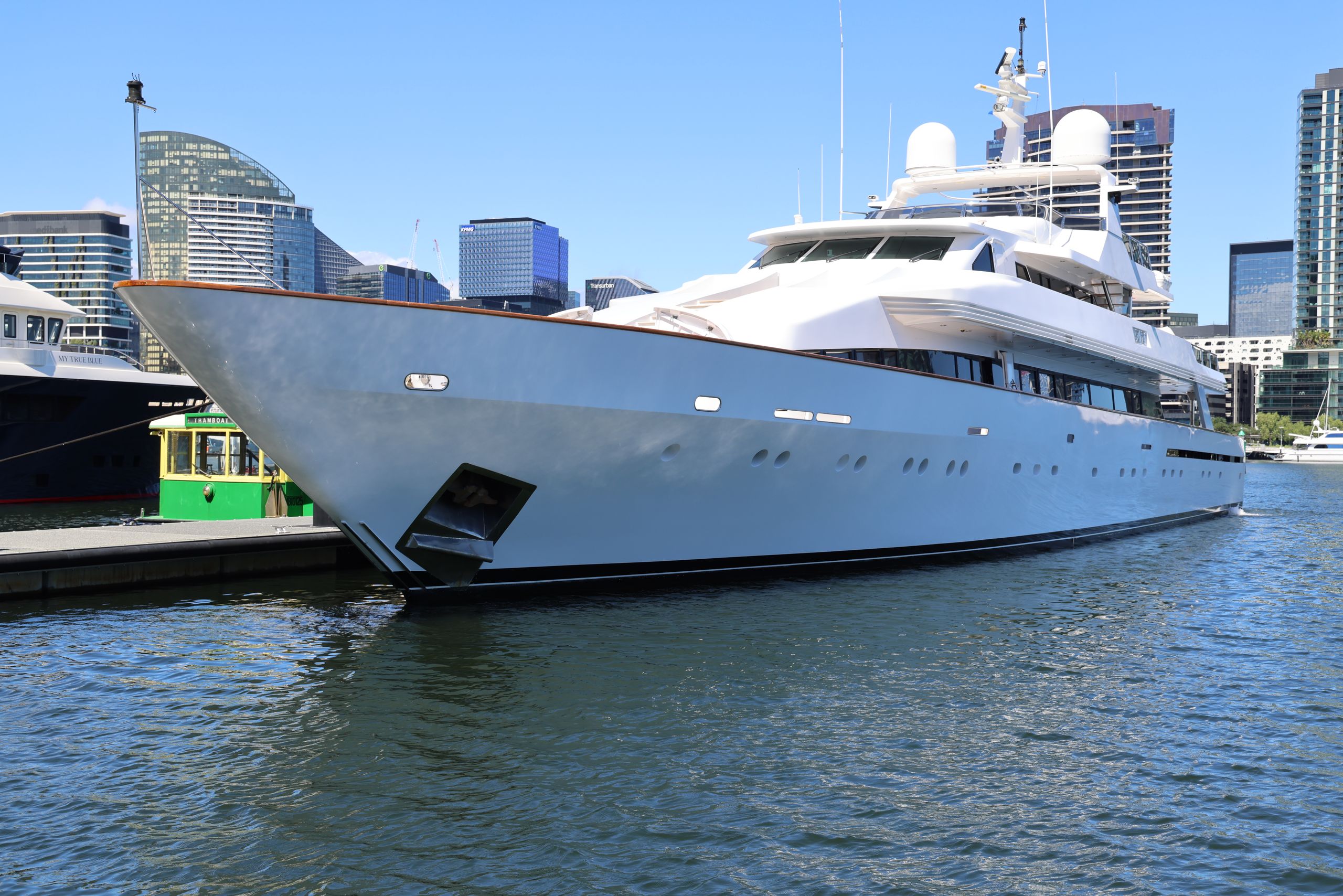
Mark Zuckerberg’s massive yacht was closer to a stranded boat than the ship that eventually helped, but a spokesperson says its crew never deliberately ignored the request.
The incident occurred on August 3, 2026, in Southeast Alaska. According to the U.S. Coast Guard, a 21-foot Hewescraft boat contacted officials at approximately 9:32 p.m. after running out of fuel between Petersburg and Juneau.
Zuckerberg’s 387-foot yacht, Launchpad, was reportedly closer to the stranded boat than the Wilderness Legacy, a small cruise ship that eventually answered the call. However, Zuckerberg’s spokesperson, Brian Baker, said Launchpad’s crew did not hear the request because it came through a different radio channel.
By the time the yacht’s crew reviewed the message, the Wilderness Legacy had already stepped in.
Cruise ship passenger says Zuckerberg’s yacht did not respond.
The episode gained widespread attention after Michael Love, a passenger aboard the Wilderness Legacy, described the rescue on Bluesky.
Love said he was traveling through Alaska with his son when their cruise ship diverted to assist the stranded boat. He claimed passengers learned that the Coast Guard had contacted Zuckerberg’s nearby yacht before the Wilderness Legacy responded.
Love wrote that there was “near unanimous booing” when the cruise ship’s captain told passengers what had happened.
That account quickly spread online, creating the impression that Launchpad’s crew had repeatedly refused to help. However, Zuckerberg’s representative rejected the suggestion that the yacht intentionally ignored the request.
“Mark and his family were not on board at the time of the incident,” Baker said in a statement reported by the Associated Press.
Baker added that the Coast Guard did not consider the smaller boat to be in distress. He said the crew discovered the message after assistance was already underway and expressed relief that everyone involved was safe.
The Wilderness Legacy ultimately towed the boat into Farragut Bay, where it could refuel. No injuries were reported.
Coast Guard classified the incident as an assistance request.
The distinction between a distress call and a general request for assistance plays an important role in the dispute.
The stranded boat reportedly contacted the Coast Guard on a frequency that vessels are expected to monitor. About 25 minutes later, officials determined that the occupants were not in immediate danger. The Coast Guard then issued a marine assistance request rather than treating the situation as an emergency rescue.
Maritime law generally requires nearby vessels to respond when lives are in danger, provided that helping would not place their own vessel or passengers at serious risk. That obligation does not necessarily apply in the same way when a boat is safe but needs fuel or a tow.
Maritime law specialist Ian Ralby compared the difference to calling emergency services rather than roadside assistance.
“It’s the difference between calling AAA and 911,” Ralby told the Associated Press.
Running out of fuel can still become dangerous, especially in Alaska’s unpredictable waters. A powerless boat could drift toward rocks, encounter bad weather or become difficult to locate. In this case, however, the Coast Guard concluded that the boat was not in distress when it sent the broader assistance request.
That finding means Launchpad’s crew may not have faced a legal duty to respond, even though another vessel ultimately chose to help.
Launchpad’s size made the controversy hard to ignore
The story attracted extra attention because Launchpad is no ordinary yacht. The vessel measures approximately 387 feet and was delivered in 2024. Public estimates have placed its value at hundreds of millions of dollars, although exact figures differ among reports.
Its enormous size created a striking contrast with the 21-foot boat waiting for fuel. The apparent gap between a billionaire’s superyacht and a small stranded vessel helped push the episode across social media before all the details had emerged.
Vessel-tracking information reviewed by news outlets reportedly showed Launchpad in the wider area and closer to the stranded boat than the Wilderness Legacy. That evidence supported claims about the yacht’s location, but it did not establish that the crew heard and knowingly rejected the request.
The spokesperson’s explanation instead points to a communications failure. Launchpad’s crew was operating on another radio channel and reviewed the Coast Guard contact only after the cruise ship had begun helping.
Zuckerberg and his family were not aboard the yacht, according to Baker. There is also no evidence that the Meta founder personally knew about the situation while it was unfolding or directed the crew not to respond.
The Coast Guard did not describe the event as a life-threatening emergency, and the stranded boat reached Farragut Bay safely. Still, the incident shows how quickly an unanswered radio call can turn into a public-relations crisis, especially when one of the world’s most recognizable billionaires owns the vessel involved.
The confirmed outcome is far less dramatic than early social-media accounts suggested: a small boat ran out of fuel, a cruise ship provided a tow, and everyone made it to safety. Launchpad did not assist, but Zuckerberg’s spokesperson insists its crew missed the call rather than refusing.