David Hearn went from representing the United States on the Olympic stage to facing the possibility of a decade behind bars over damage at the Lincoln Memorial Reflecting Pool.
Federal authorities initially accused the former Olympian of intentionally damaging one of America’s most recognizable landmarks during a major renovation project. Weeks later, prosecutors moved to dismiss the case after new evidence pointed toward construction problems rather than deliberate destruction.
The dramatic reversal transformed the story from a simple vandalism accusation into a broader debate about government oversight, contractor responsibility and whether blame was assigned before investigators understood the full picture. The Justice Department’s decision highlighted how quickly a technical failure at a public project can become a criminal case when early assumptions take hold.
For Hearn, the legal battle became a fight to clear his name after being accused of damaging a symbol of American history.
The Lincoln Memorial Reflecting Pool is more than a landmark in Washington, D.C. It is a place connected to some of the most important moments in American history, including the 1963 March on Washington where Martin Luther King Jr. delivered his famous “I Have a Dream” speech.
That history made the accusation against Hearn especially significant because the alleged damage involved a location recognized around the world.
A Landmark Renovation Turned Into a Federal Criminal Investigation
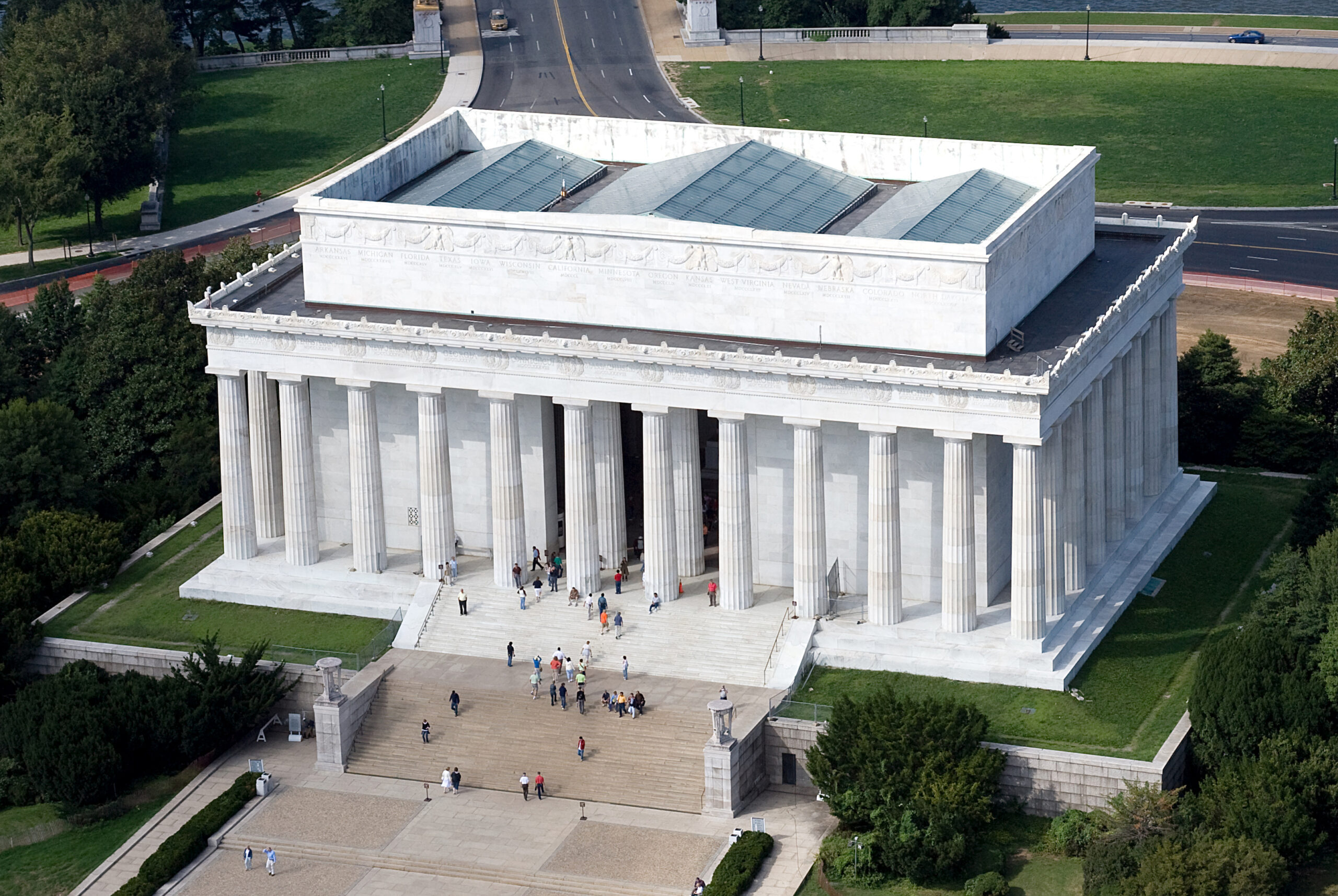
Aerial_view_of_Lincoln_Memorial_-_east_side.jpg: Carol M. Highsmith derivative work: upstateNYer, Public domain, via Wikimedia Commons
The Reflecting Pool renovation was designed to restore an aging national treasure before major events connected to America’s 250th anniversary celebrations. Officials wanted the project to be completed on schedule, but the work faced unexpected challenges from the beginning. Behind the scenes, contractors dealt with weather interruptions, installation difficulties, and technical problems that would later become central to the criminal case.
Heavy rain repeatedly slowed construction efforts and created challenges for applying the new lining system. Workers also encountered problems involving joint expansion, sealants, and coating materials during the installation process. According to later government filings, those issues created concerns about the quality and durability of the finished surface.
The Justice Department initially relied on information suggesting that vandals caused the damage to the pool. However, prosecutors later said newly obtained documents from the Interior Department changed their understanding of what happened. The records showed that the renovation itself may have created conditions that eventually caused the visible damage.
The Renovation Was Racing Against a Historic Deadline
The Reflecting Pool project carried unusual pressure because officials wanted the historic site to be ready for national celebrations. The timeline forced contractors to complete complicated restoration work under a strict deadline. That pressure became one of the most important factors in the government’s later review of the case.
The renovation required multiple layers of protective coating and specialized sealing work. Each stage depended on proper weather conditions and careful surface preparation. Delays created by rain and material shortages made the schedule increasingly difficult to maintain.
Project records later showed that problems appeared before Hearn ever visited the Reflecting Pool. Inspectors documented defects and peeling sections connected to the installation process. Those findings weakened the original theory that one individual caused widespread damage.
Damage Appeared Before David Hearn Ever Arrived
The timeline became one of the strongest reasons prosecutors reconsidered the case. Hearn visited the Reflecting Pool on June 19 while riding his bicycle through Washington, D.C. He said he noticed loose material and briefly examined it before following instructions from a park employee to stop.
Authorities initially viewed the encounter as an act of vandalism. Prosecutors alleged that Hearn intentionally damaged government property and caused enough harm to justify a felony charge. The accusation carried a possible sentence of up to 10 years in prison.
Later, evidence created a different picture. A National Park Service engineer had already documented peeling and damage before Hearn’s visit. That discovery raised a critical question about whether the pool was already failing before the former Olympian ever touched the surface.
From Olympic Achievement to Criminal Accusation
Before becoming involved in the Reflecting Pool controversy, David Hearn was known for representing the United States in international competition. The 67 year old competed in three Summer Olympic Games and achieved his best result at the 1996 Atlanta Olympics. His reputation was built around athletic dedication and national service rather than controversy.
The criminal accusation dramatically changed how the public viewed him. Instead of being recognized primarily for his Olympic career, Hearn became known as the man accused of damaging a national monument. The case placed enormous personal and legal pressure on someone who maintained that he had done nothing wrong.
Hearn’s attorneys argued that the government acted too quickly without fully understanding the condition of the pool. They described the prosecution as “ready, fire, aim,” suggesting officials reached a conclusion before examining all available evidence. Their argument became stronger as more renovation records came to light.
The Evidence That Forced Prosecutors to Reconsider
The turning point came when officials examined the drained Reflecting Pool and discovered damage across multiple areas. The findings challenged the idea that one person caused the entire problem. Investigators found issues in locations that would have been difficult for anyone standing near the edge to reach.
Prosecutors requested additional documents related to the renovation project after seeing the widespread damage. The Interior Department later provided hundreds of megabytes of records detailing problems during installation. Those documents changed the government’s understanding of the situation.
The Justice Department eventually acknowledged that the evidence no longer supported the original criminal theory. Prosecutors said they could not prove beyond a reasonable doubt that vandalism occurred. The government therefore asked the court to dismiss the case against Hearn.
A Criminal Case Became a Government Accountability Debate
The collapse of the case created questions that extended beyond David Hearn. Large public construction projects involve contractors, inspectors, engineers and government agencies working together. When a project fails, determining responsibility requires careful examination of every stage.
The Reflecting Pool controversy shows the risks of assigning blame before all evidence is available. Public frustration is understandable when a historic landmark is damaged. However, criminal charges require stronger proof than public suspicion or early assumptions.
The case also highlights the importance of transparency in government projects. Taxpayers expect public renovations to be properly managed and accurately reported. When information emerges late, trust in institutions can suffer.
What Remains After the Case Falls Apart
The Lincoln Memorial Reflecting Pool can eventually be repaired, but the controversy surrounding the case will remain part of its history. The physical damage may be temporary, but questions about accountability and decision making may last much longer. The situation became a reminder that public projects require careful oversight from the beginning.
For David Hearn, the dismissal represents the end of a legal battle but not necessarily the end of the consequences. A felony accusation can affect a person’s reputation even after charges disappear. The former Olympian now faces the challenge of rebuilding the public image that was damaged alongside the pool.
The story began with an accusation that a man destroyed a national landmark. It ended with prosecutors acknowledging that the evidence pointed toward a much different explanation. The Reflecting Pool case now stands as a powerful example of why facts, evidence and careful investigation must come before judgment.