President Donald Trump has issued one of his strongest warnings yet to Iran after American service members were killed in a deadly new phase of fighting across the Middle East.
“Every time Iran kills an American Soldier they will pay for that killing many times over,” Trump wrote Monday on Truth Social.
The statement came after a deadly weekend for U.S. forces, including Iranian missile and drone attacks on an American military installation in Jordan. Two Army soldiers were killed in those attacks, and other personnel were wounded. A separate U.S. service member died in Iraq during the controlled detonation of drone ordnance, according to military officials.
Trump’s message was brief, but its meaning was unmistakable: he was promising retaliation far beyond a simple one-for-one response.
That warning also raised the stakes in a conflict that has already spread beyond Iran’s borders, threatened major shipping routes and placed thousands of American troops across the region in greater danger.
Deadly Attacks Put American Troops at the Center of the War

The soldiers killed in Jordan were identified as 25-year-old First Lieutenant Tyler James Feehan of Hawaii and 19-year-old Private First Class Isabella Gonzales of Texas.
The two were serving with U.S. air and missile defense forces when Iranian ballistic missiles and drones targeted the military site. The attack marked the first confirmed deaths of American troops caused directly by Iranian fire during the current war.
Military officials said Feehan would be posthumously promoted to captain and honored with the Bronze Star, Purple Heart and Combat Action Badge. Gonzales, a recent high school graduate, had been assigned to the 10th Army Air and Missile Defense Command.
Their deaths sharpened the political and military debate surrounding the conflict. Airstrikes, naval confrontations and attacks on regional bases had already created serious risks, but confirmed American combat deaths brought the consequences home in a far more personal way.
The Pentagon also disclosed that nearly 100 U.S. troops had been injured during roughly two weeks of renewed fighting, illustrating how quickly the human cost was rising.
Trump is expected to attend the dignified transfer of four service members at Dover Air Force Base. The ceremony honors troops whose remains are returned to the United States in flag-draped transfer cases.
For the White House, the deaths create pressure to punish Iran without allowing retaliation to pull the United States into an even wider regional war. That tension now shapes the response officials must consider.
Trump Promises Force as the Conflict Spreads
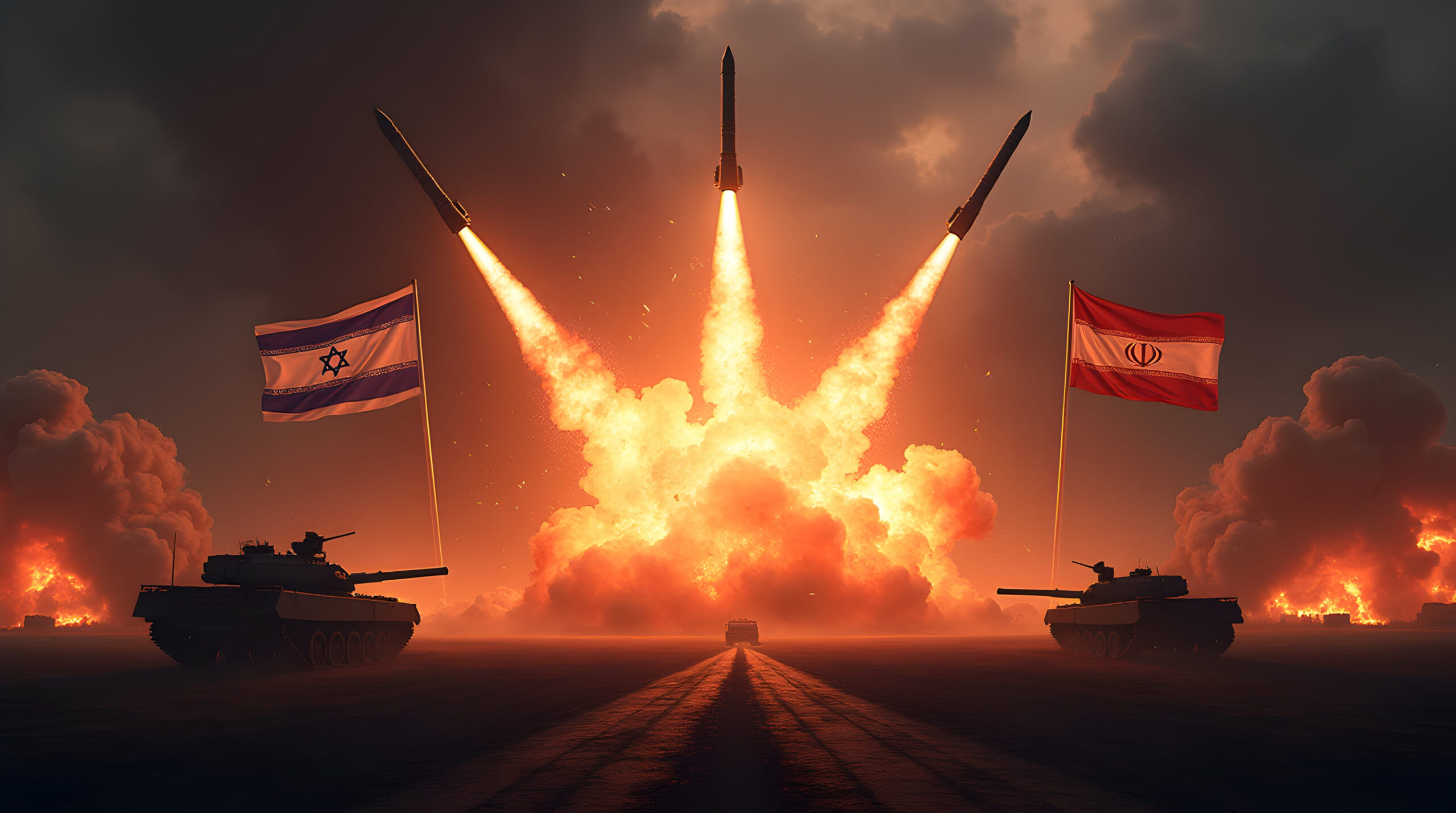
Trump’s “many times over” warning fits his administration’s broader strategy of presenting overwhelming military power as the best way to discourage further Iranian attacks.
However, deterrence becomes more difficult when both sides believe escalation will force the other to back down. That dynamic makes each new move harder to control.
The United States has carried out repeated strikes against Iranian military and strategic targets. Iran, meanwhile, has answered with drones and missiles directed at American positions and allied countries throughout the Middle East.
U.S. military operations continued for an 11th consecutive night before officials announced that the latest round of strikes had ended. The pause did not amount to a peace agreement, and there was no clear indication that the broader confrontation was over. Instead, it left the conflict unsettled.
The latest hostilities followed the breakdown of an interim ceasefire that had created limited space for diplomacy. After Iran resumed attacks on American military positions, Trump ordered fresh strikes and publicly threatened to intensify the campaign.
The battlefield has also expanded beyond direct exchanges between Washington and Tehran. Iran-aligned Houthi forces in Yemen announced plans for a naval blockade targeting Saudi Arabia, threatening shipping through the Bab el-Mandeb Strait, a route used to transport a significant share of the world’s oil and commercial goods.
That development added another layer of danger to a conflict already affecting the Strait of Hormuz, energy markets and military bases across the region. It widened the risks beyond the immediate exchanges.
A Warning That Could Shape the Next Stage
Trump’s statement was designed to leave Tehran with no doubt about the consequences of additional American deaths.
It may also serve a domestic purpose. With casualties increasing, the president must reassure military families and the public that attacks on U.S. personnel will not go unanswered.
Yet the promise of multiplying Iran’s losses creates difficult questions about what retaliation will involve, how targets will be chosen and whether another round of strikes will deter Iran or provoke further attacks. Those questions now follow every new threat.
Iran has continued to project defiance despite sustained U.S. military pressure. American officials have argued that aggressive action is necessary to protect troops, weaken Iran’s military capabilities and prevent Tehran from dominating strategic waterways.
Critics of the war have warned that each retaliation can create another reason for the opposing side to strike back.
For now, Trump has chosen unmistakable language instead of diplomatic ambiguity. American troops have been killed, and the president says Iran will face consequences far greater than the damage it inflicted.
The central question is no longer whether Washington will respond. It is how far Trump is prepared to go, and whether the next strike will end the cycle or deepen it.