A Department of Homeland Security review has sparked an intense election dispute among four major states after federal officials identified as many as 256,463 voter registrations that may be linked to noncitizens. The number is dramatic, but it does not mean 256,463 people have been confirmed as ineligible or proven to have voted.
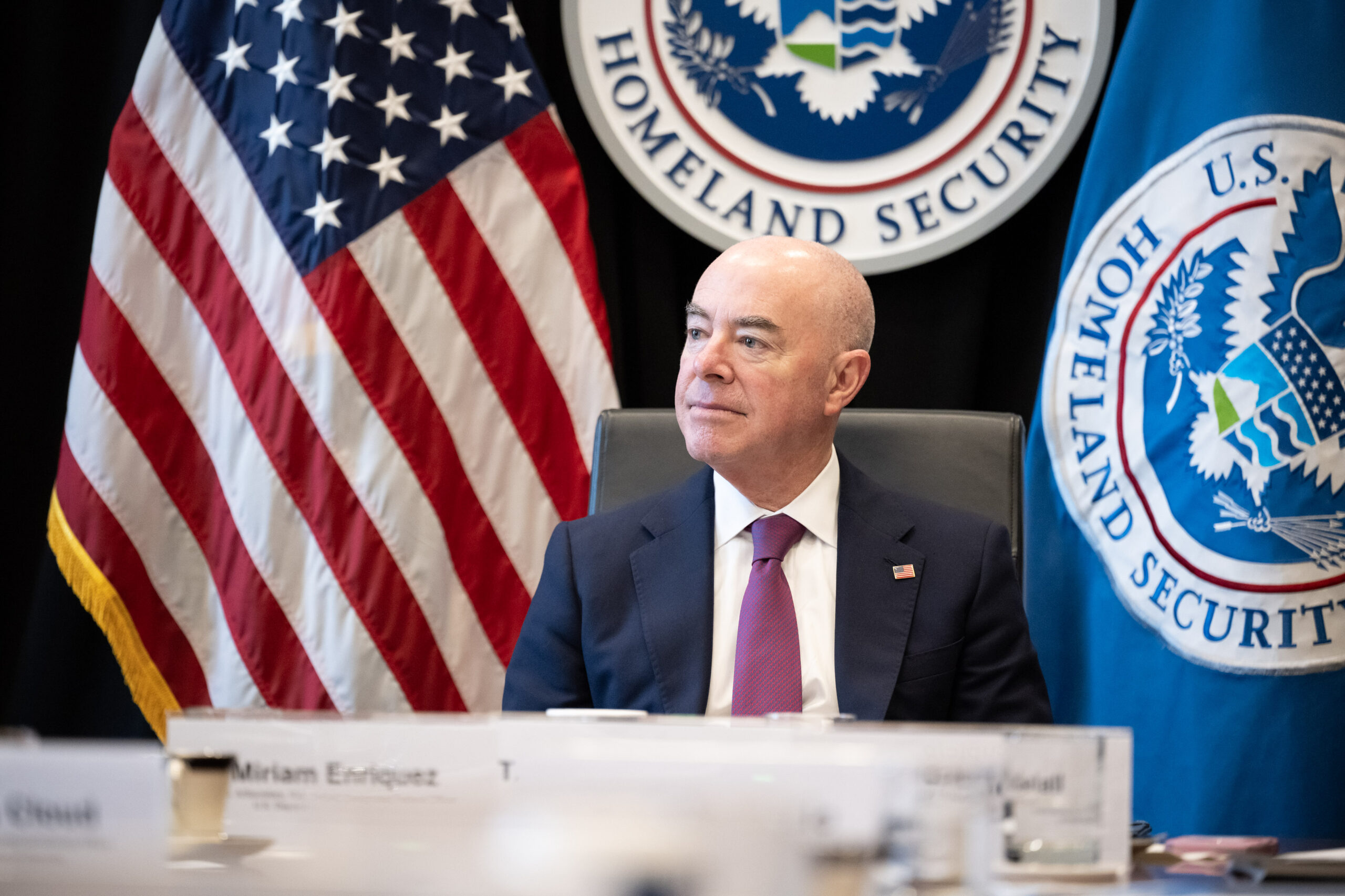
Homeland Security Secretary Markwayne Mullin sent letters to election officials in California, New Jersey, Nevada, and Pennsylvania asking them to help verify the identities before any action is taken. DHS described the review as preliminary, making the next stage more important than the headline.
California Accounts for Nearly Three Quarters of the Total
The DHS estimate includes 190,832 potential registrations in California, 35,152 in New Jersey, 15,903 in Nevada, and 14,576 in Pennsylvania. California alone represents roughly 74 percent of the total across the four states.
That figure looks different beside California’s enormous electorate. The state reported 23,155,447 registered voters ahead of its June 2026 primary. DHS’s broader California estimate therefore equals about 0.82 percent of the state’s voter roll.
The scale deserves investigation, but context matters. A six figure number can suggest a statewide failure when it represents less than 1 percent of registrations and remains subject to individual verification.
The Stronger Match Total Is Far Lower
The most revealing number may not be 256,463. DHS said 118,003 records matched federal immigration information using the full set of identifiers listed in the letters, including names, birth dates, addresses, and Social Security numbers.
Those matches include 81,336 records in California, 19,497 in New Jersey, 8,576 in Nevada, and 8,594 in Pennsylvania. Together, they represent about 46 percent of the broader estimate.
That leaves more than 138,000 potential cases that apparently did not match across all listed identifiers. DHS has not publicly explained the matching standard used for that larger group, how many registrations were active, or how recently the immigration information was updated.
The difference matters because an exact match involving several personal details carries more evidentiary weight than a partial match based on limited information. Election officials will need to review the records individually before deciding whether any voter is ineligible.
Registration Does Not Prove a Ballot Was Cast
The biggest unanswered question is simple: How many flagged people actually voted?
The published figures concern registration records, not confirmed ballots. DHS has not established how many registrations remain active, how many people received ballots, or how many participated in a federal election.
A record can belong to an inactive voter, someone who moved, a duplicate identity, or a person who became a naturalized citizen after an older immigration record was created. An automated match should begin an investigation rather than end one.
Federal law prohibits noncitizens from voting in federal elections, and recent prosecutions show that violations can occur. In May 2026, federal prosecutors charged four New Jersey residents with allegedly registering and voting while they were noncitizens. Another New Jersey defendant pleaded guilty in June to voting unlawfully in a federal election.
Those individual cases show that enforcement is possible when investigators obtain specific evidence. They do not prove that hundreds of thousands of people identified in the DHS review committed the same offense.
The Federal Database Is Already Facing Court Challenges
The dispute also involves the federal SAVE database, which contains immigration and citizenship related information. A federal judge blocked the Trump administration’s expanded use of the system for voter checks in June, citing concerns about accuracy, privacy and the possibility of eligible voters being wrongly identified.
Another judge later ordered DHS to restore database access to Florida, Ohio, Iowa, and Indiana, creating conflicting legal guidance on how the system may be used.
The controversy is especially important for naturalized citizens. Someone may appear as a noncitizen in an older immigration file after becoming an American. Without checking naturalization dates and current records, officials could mistake an eligible citizen for an ineligible registrant.
Social Security numbers also require careful interpretation. Many lawful permanent residents, visa holders, and people with federal work authorization legally receive Social Security numbers. Possessing one does not prove citizenship, but appearing in an immigration database does not necessarily prove that a person remains a noncitizen.
California Pushes Back as Local Rules Add Complexity
California Governor Gavin Newsom rejected the administration’s characterization and emphasized that state law requires United States citizenship for state and federal elections.
California also has a complication that DHS has not publicly addressed. San Francisco and Oakland allow some noncitizen residents to vote in limited local school board elections. Those programs do not permit them to vote for president, members of Congress, governors, or other state offices.
DHS has not clarified whether local only registrations were excluded from its California comparison. That answer could affect how many records represent a genuine federal or state eligibility concern.
The department must also explain whether its review separated active voters from inactive registrations. A person can remain in a historical voter database without automatically receiving a ballot or being eligible to participate.
A Legal Clock Is Now Ticking
DHS asked the states to respond by July 24, but the timing creates another pressure point. The 2026 federal election is scheduled for November 3, and the National Voter Registration Act generally bars systematic voter removal programs during the 90 days before a federal election.
That restricted period begins around August 5. States therefore have less than two weeks between the requested response date and the beginning of federal limits on broad removal programs.
Officials may still investigate individual cases, but a rushed mass cancellation effort would likely trigger immediate legal challenges. Federal law requires states to maintain accurate registration lists while also protecting eligible citizens from unreliable or discriminatory removals.
DHS Has Not Explained the 278,000 National Figure
President Donald Trump has cited a broader national figure of approximately 278,000 alleged noncitizen registrations. The four DHS letters account for 256,463 potential cases, leaving a difference of 21,537 registrations.
The public has not been told which other states account for the remaining records, whether the same matching method was used nationwide, or whether the broader number includes verified cases, partial matches, or preliminary estimates.
That gap deserves attention because the national figure and the four state figure should not be treated as interchangeable. Clear reporting requires DHS to show where every number originated and what level of verification supports it.
What Must Happen Next
The next phase should focus on verified identities rather than political slogans. State and federal officials need to determine which records belong to current noncitizens, which involve naturalized Americans, which registrations are inactive, and which individuals have documented voting histories.
DHS should release its methodology, including the age of its immigration data, the number of exact and partial matches, the process used to identify naturalized citizens, and the number of flagged people who actually cast ballots.
The allegation is serious enough to demand a transparent investigation. It is not complete enough to justify treating every flagged record as an illegal voter.
The most consequential figure remains unknown: not how many names appeared in a database comparison, but how many verified noncitizens knowingly registered and cast ballots. Until that number is established, 256,463 is a lead, not a verdict.