A case once presented as one of the Justice Department’s strongest answers to the violence of January 6 has ended without another verdict or a new trial. U.S. District Judge Timothy Kelly dismissed the remaining prosecution against four Proud Boys members after an appeals court vacated their convictions and the Trump administration asked that the case be closed permanently.
The order turns a historic courtroom victory into a legal conclusion shaped by presidential clemency and executive power. Kelly granted the request because prosecutors hold broad authority to abandon criminal charges. Yet his memorandum made clear that the court’s compliance should not be read as approval.
The last remnants of a landmark prosecution
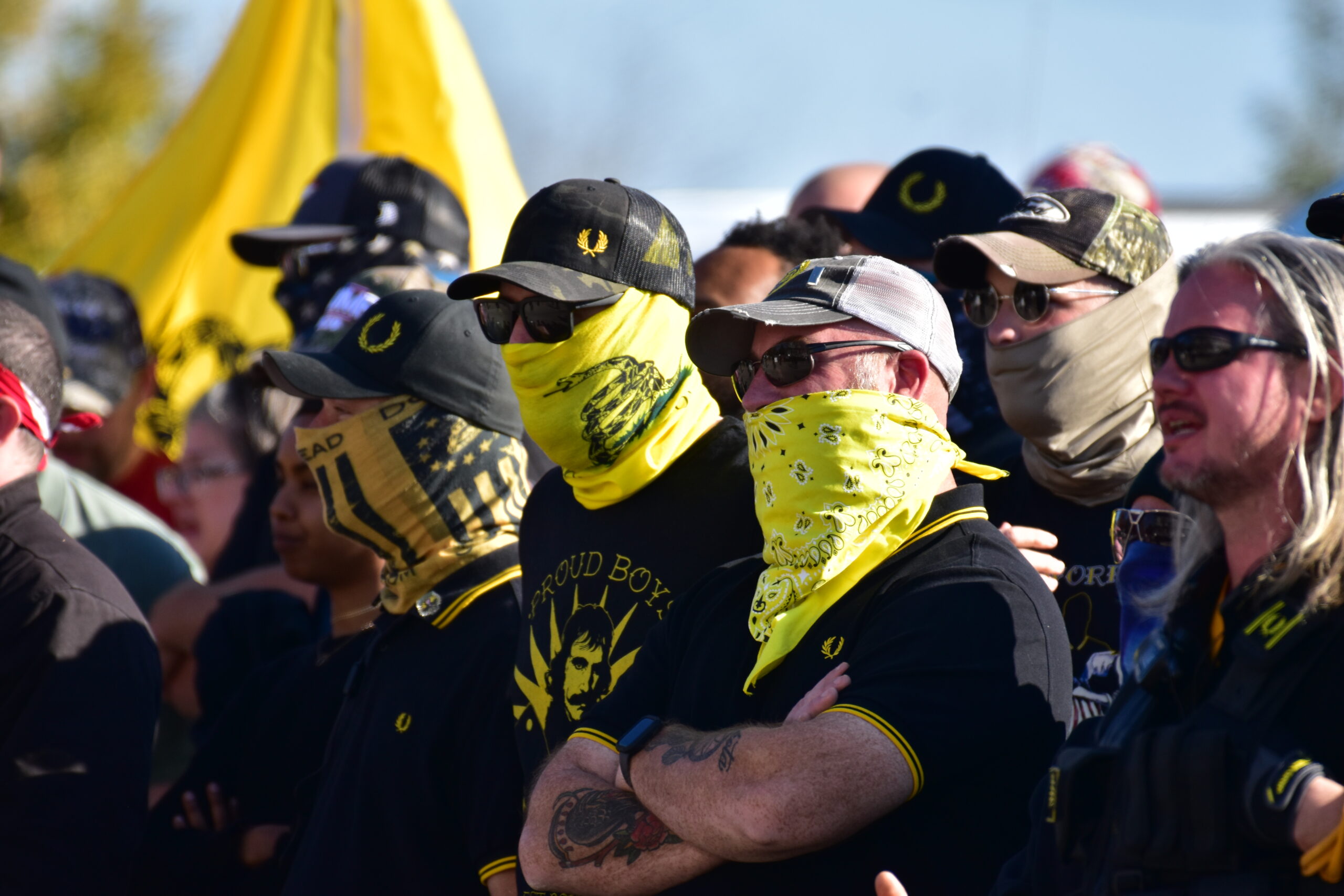
The ruling covers Ethan Nordean, Joseph Biggs, Zachary Rehl and Dominic Pezzola. A Washington jury convicted the men in 2023 after a months-long trial focused on the Proud Boys’ role before and during the Capitol attack. Nordean, Biggs, and Rehl were found guilty of seditious conspiracy, while Pezzola was acquitted of that charge but convicted of other serious offenses.
The jury also found Nordean, Biggs and Rehl guilty of conspiring to prevent federal officers from carrying out their duties, interfering with law enforcement during a civil disorder and destroying government property. Pezzola was convicted of assaulting or impeding officers, robbing government property, and smashing a Capitol window that became the first breach through which hundreds of rioters entered.
Former Proud Boys national chairman Enrique Tarrio was tried with the group and convicted of seditious conspiracy, even though he was not in Washington during the attack. Kelly sentenced him to 22 years in prison, the longest sentence imposed in a January 6 case. The punishment reflected the government’s argument that Tarrio helped direct a coordinated effort to block the transfer of presidential power.
That chapter appeared settled. Jurors had heard months of testimony, reviewed extensive communications and watched footage of the crowd advancing on the Capitol. The defendants received substantial prison terms intended partly to deter similar violence. Then the political landscape changed, and the case changed with it.
Clemency transformed the legal battlefield.
On January 20, 2025, President Donald Trump issued a sweeping clemency order addressing prosecutions tied to the Capital attack. He fully pardoned Tarrio and hundreds of other defendants, while commuting the sentences of Nordean, Biggs, Rehl and Pezzola. A commutation ended their prison terms but initially left their convictions standing.
The administration then moved beyond releasing the men. In April 2026, the Justice Department asked the federal appeals court in Washington to vacate the four remaining judgments and return the case to the trial court for dismissal with prejudice. The motion was unopposed, and the appeals court granted it in May.
By the time the case returned to Kelly, the original convictions no longer existed as enforceable judgments. The Justice Department asked him to dismiss the prosecution permanently. Kelly noted that refusing would not restore the jury’s verdicts, force prosecutors to retry the case or overcome an executive order directing the government to seek dismissal of pending January 6 cases.
Federal Rule of Criminal Procedure 48 requires prosecutors to seek a court’s permission before dismissing a case, but appellate precedent gives judges little room to reject an uncontested request. Courts generally cannot force the executive branch to continue a prosecution simply because a judge believes it should survive. The legal door was nearly shut before Kelly signed the final order.
A reluctant ruling with a sharp warning
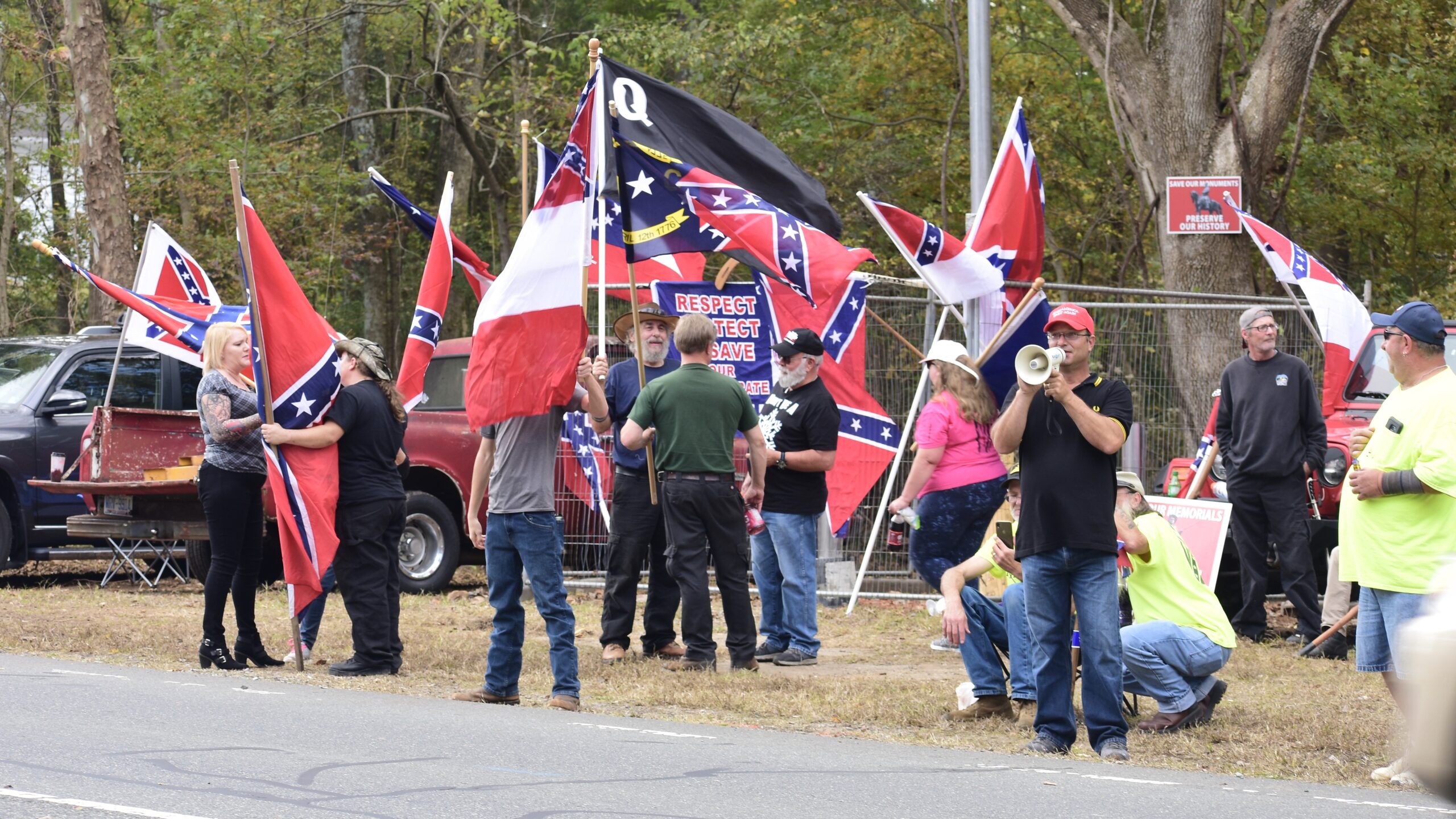
Kelly, a Trump appointee, did not hide the tension surrounding the decision. He wrote that there was “little mystery” about why the government wanted the case dismissed, pointing to Trump’s opposition to January 6 prosecutions and his decision to extend clemency. The judge also noted that the case had begun while Trump was still president, not after President Joe Biden entered office.
That detail challenged the claim that the prosecution was purely a Biden-era creation. The investigation began in the immediate aftermath of the Capital breach, when Trump’s Justice Department was still in charge. Years later, the second Trump administration took the opposite position and treated the remaining case like the other January 6 prosecutions it had decided to end.
Kelly said the Constitution, separation-of-powers principles, and appellate rulings required him to grant the motion. He emphasized that the executive branch controls charging decisions, including when to stop prosecuting. Dismissing the case with prejudice also prevents a future administration from attempting to revive it.
Still, the memorandum carried a warning for the historical record. Kelly called January 6 a “perilous event” that injured police officers, attacked Congress and struck at the constitutional process for transferring power between presidents. He stressed that the nation’s democratic system depends on Americans across party lines defending that process.
The ruling therefore has two faces. Legally, the case reached an unavoidable endpoint after the appeals court vacated the judgments and prosecutors refused to continue. Historically, Kelly rejected any suggestion that the conduct was harmless, the jury was mistaken, or the prosecution lacked importance.
What the dismissal does and does not mean
The dismissal closes the prosecution against Nordean, Biggs, Rehl, and Pezzola and removes the possibility of bringing the same case back later. Tarrio’s separate pardon had already eliminated the punishment and federal legal consequences attached to his conviction. Together, the actions complete the administration’s effort to end this chapter of the January 6 prosecutions.
But the order does not erase what happened at trial. A jury convicted three men of seditious conspiracy and found all four guilty of other serious crimes. Kelly did not conclude that the evidence had collapsed, that prosecutors committed misconduct, or that the defendants were wrongfully convicted. The case ended because the executive branch chose to abandon it after presidential clemency changed its course.
That distinction may become the ruling’s most enduring feature. Supporters of Trump’s clemency will view the dismissal as a correction of prosecutions they considered excessive or political. Critics will see it as proof that presidential power can erase the practical consequences of major convictions arising from an attack on the democratic process. The case now closes with two competing records standing side by side. One is the jury’s verdict, built through testimony, evidence and months of litigation. The other is the executive branch’s decision to wipe away the prosecution’s remaining force. Kelly’s order accepts the second as constitutional authority while preserving the first as history.
A related legal battle remains unresolved. Another federal judge had not yet ruled on the Justice Department’s request to throw out seditious conspiracy convictions involving leaders of the Oath Keepers, another group prosecuted over efforts to interfere with the certification of the 2020 election.
The Proud Boys courtroom battle is over, but the argument surrounding it is not. The dismissal will deepen the divide over January 6, presidential clemency and accountability when political power changes hands. The final order closes the file, yet leaves the country confronting a larger question: How should a democracy remember an attack on its institutions when the government itself decides to move on?