California drivers will pay a higher gasoline tax starting Wednesday, July 1, as the state’s excise tax rises by 2.2 cents per gallon.
The increase brings the state gasoline excise tax to 63.4 cents per gallon, adding new pressure on motorists already facing some of the highest pump prices in the United States.
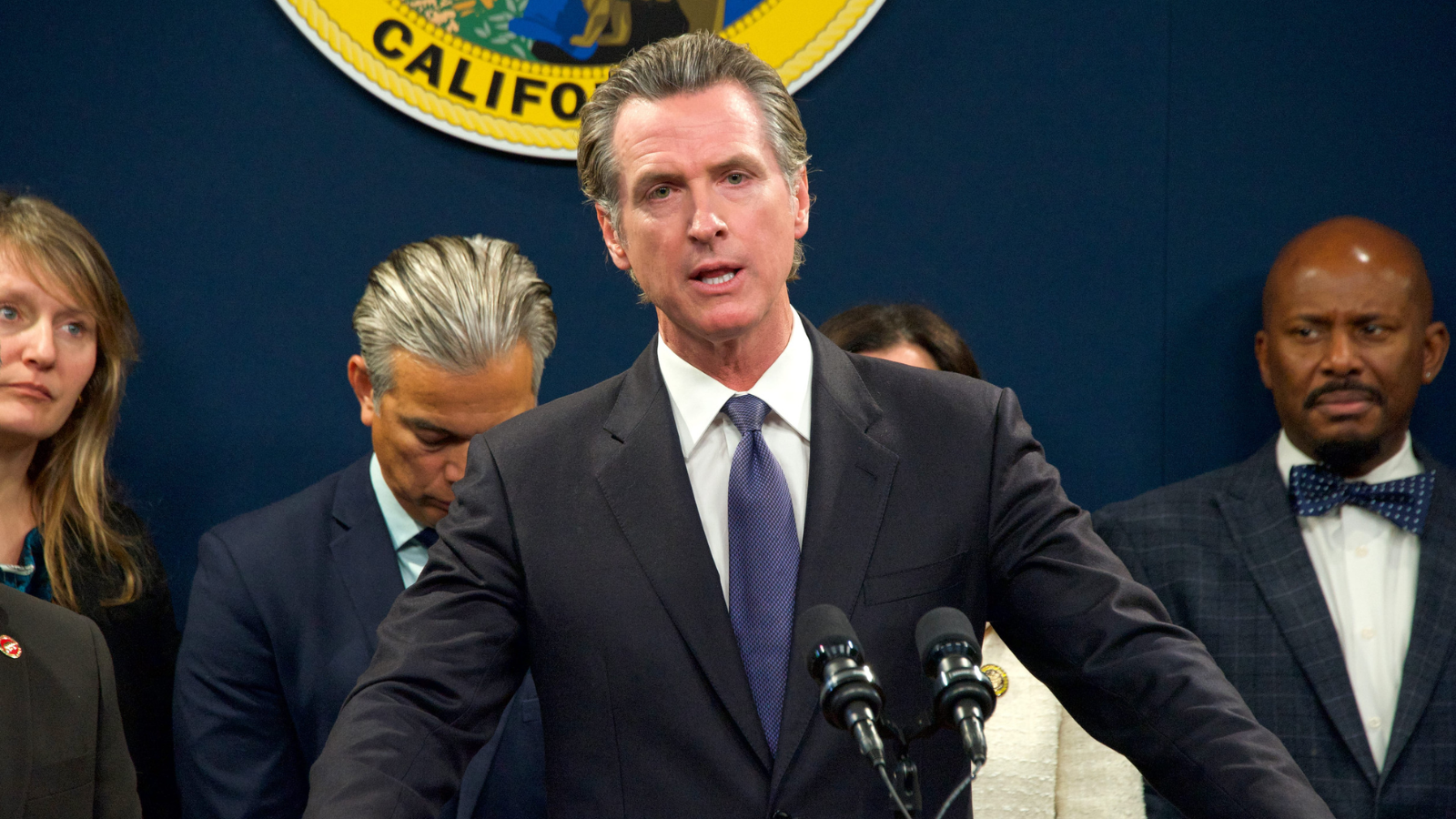
Gov. Gavin Newsom is facing renewed criticism from California Republican lawmakers who want the increase suspended. They argue the state should not raise fuel costs while families are dealing with high prices for housing, food, insurance, and utilities.
The dispute puts California’s transportation funding system back in the center of a broader affordability fight. It also gives Republicans a clear target as summer travel pushes fuel costs higher for commuters, small businesses and long-distance drivers.
Republicans press Newsom
sheilaf2002/123rf
Rep. David Valadao and other California Republicans have urged Newsom to halt the increase before it takes effect.
Their argument is direct: California drivers already pay far more than most Americans, and another tax hike makes daily life harder for households that cannot avoid driving.
The pressure is especially sharp in the Central Valley, where many workers commute long distances and public transit options remain limited. For farmworkers, warehouse employees, contractors, and delivery drivers, fuel prices can immediately affect weekly budgets.
Republicans also argue that California’s energy policies have made the state’s fuel market more expensive and less reliable. They point to refinery concerns, strict fuel rules and the state’s long-term push away from oil production.
Newsom has rejected past calls for broad gas tax relief. His office has argued that suspending or repealing the tax would not guarantee lower prices for drivers because oil companies could keep the savings.
That position has left the governor defending road funding while critics accuse Sacramento of ignoring household costs.
Pump prices remain high.
California’s average regular gasoline price stood at about $5.46 per gallon on June 29, while the national average was below $3.90.
That gap matters politically because fuel prices are visible. Every station sign becomes a reminder that California drivers pay much more than most motorists elsewhere.
The new tax increase is small compared with the total price of a gallon. A driver filling a 15-gallon tank would pay about 33 cents more from the latest increase alone.
But voters rarely separate one increase from the full cost at the pump. They see the final total, especially when a full tank can cost $70, $80, or more.
That is why the 2.2-cent increase has become a larger symbol. It lands inside a state where many residents already feel squeezed by rising costs across daily life.
Road money drives the debate.
California’s gas tax is tied to a transportation funding system created under Senate Bill 1, the Road Repair and Accountability Act of 2017.
The law was designed to fund repairs to roads, freeways, bridges, transit systems, and safety projects. It invests about $5.4 billion annually across state and local transportation work.
Supporters say the funding is essential because California has one of the largest and busiest transportation networks in the country.
They argue that suspending the tax could delay repairs, weaken local road programs, and reduce money available for bridge safety, highway maintenance, and transit projects.
Critics counter that drivers have paid high fuel taxes for years and still see damaged roads, traffic bottlenecks, and expensive commutes.
That trust gap is central to the fight. If residents pay more at the pump, they expect visible results on the roads they use every day.
California fuel market is isolated.

California’s fuel market is unusually vulnerable because it is not deeply connected to the rest of the nation’s gasoline supply system.
The state has no pipelines bringing fuel into California from other major refining regions. Gasoline is usually refined in-state or brought in by ship. That isolation can make prices rise faster during refinery outages, import disruptions, or global oil shocks.
California also requires a special cleaner-burning gasoline blend to reduce pollution. That rule helps air quality but limits how quickly the state can replace supply when shortages or disruptions occur.
Fuel that works in other states cannot always be sent directly into California’s market. Suppliers must meet California specifications, which narrows the pool of available gasoline.
Those structural limits help explain why California prices can stay high even when national prices fall.
Refineries add another concern.
Refinery capacity has become another flashpoint in the gas-price debate. California has been moving through a long energy transition, with state leaders pushing electric vehicles, lower emissions, and reduced reliance on fossil fuels.
At the same time, millions of residents still depend on gasoline-powered cars. That creates a difficult period between the old fuel system and the cleaner system California wants to build. If refinery capacity shrinks faster than gasoline demand falls, drivers can face higher prices and tighter supply.
Republicans argue that state regulations are making it harder for refineries to keep operating. They say that reduced fuel production will force California to rely more on imports.
Supporters of California’s climate policies argue that the state must continue to cut emissions and invest in cleaner transportation. They say oil companies should not use the transition as an excuse for higher prices.
The practical problem remains clear. California must keep gasoline available and affordable while it pushes toward a future with fewer gasoline vehicles.
Drivers face summer pressure.
The July 1 increase arrives during the summer travel season, when many families drive more often.
Higher fuel costs can affect vacations, commutes, delivery fees, rideshare fares, and small-business expenses. The burden is heavier for residents who cannot work from home or switch to an electric vehicle.
A homeowner in a coastal city may have more transportation choices than a worker in a rural county or inland suburb. That difference makes California’s fuel debate an affordability issue as much as an energy issue.
Lower-income drivers often spend a larger share of their income on transportation. They may also own older, less fuel-efficient vehicles. That makes even modest price changes meaningful. A few dollars per week can make a difference when budgets are already tight.
Sacramento faces a credibility test.
Newsom’s immediate challenge is to defend the tax without appearing disconnected from drivers’ frustration.
The state can argue that road repairs need money. It can also be argued that oil companies influence prices more than taxes do. But those arguments may not satisfy motorists who see California’s pump prices far above the national average.
Republicans will likely continue to cite the gas tax increase as evidence that Sacramento is making the state harder to afford. Democrats will likely argue that cutting transportation revenue without guaranteed consumer savings would be irresponsible.
For now, the tax increase is set to take effect on Wednesday. California drivers will pay the higher rate while the fight over pump prices, road funding, and state energy policy continues through the summer.