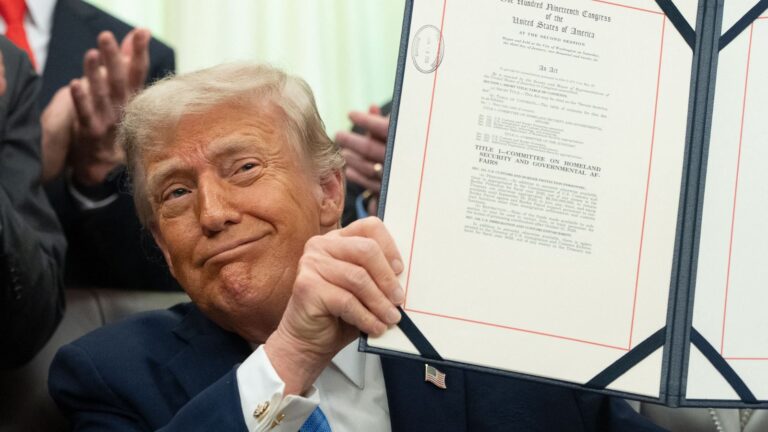
The Trump administration is appealing a federal ruling that struck down its $100,000 fee on certain H-1B visa petitions, keeping a major legal fight over skilled-worker immigration, executive power, and employer hiring costs active.
U.S. District Judge Leo T. Sorokin in Massachusetts issued the ruling on June 8, 2026. The decision rejected President Donald Trump’s September 2025 proclamation imposing the fee on certain new H-1B petitions involving foreign workers seeking entry into the United States.
Judge Blocks Six-Figure Visa Charge
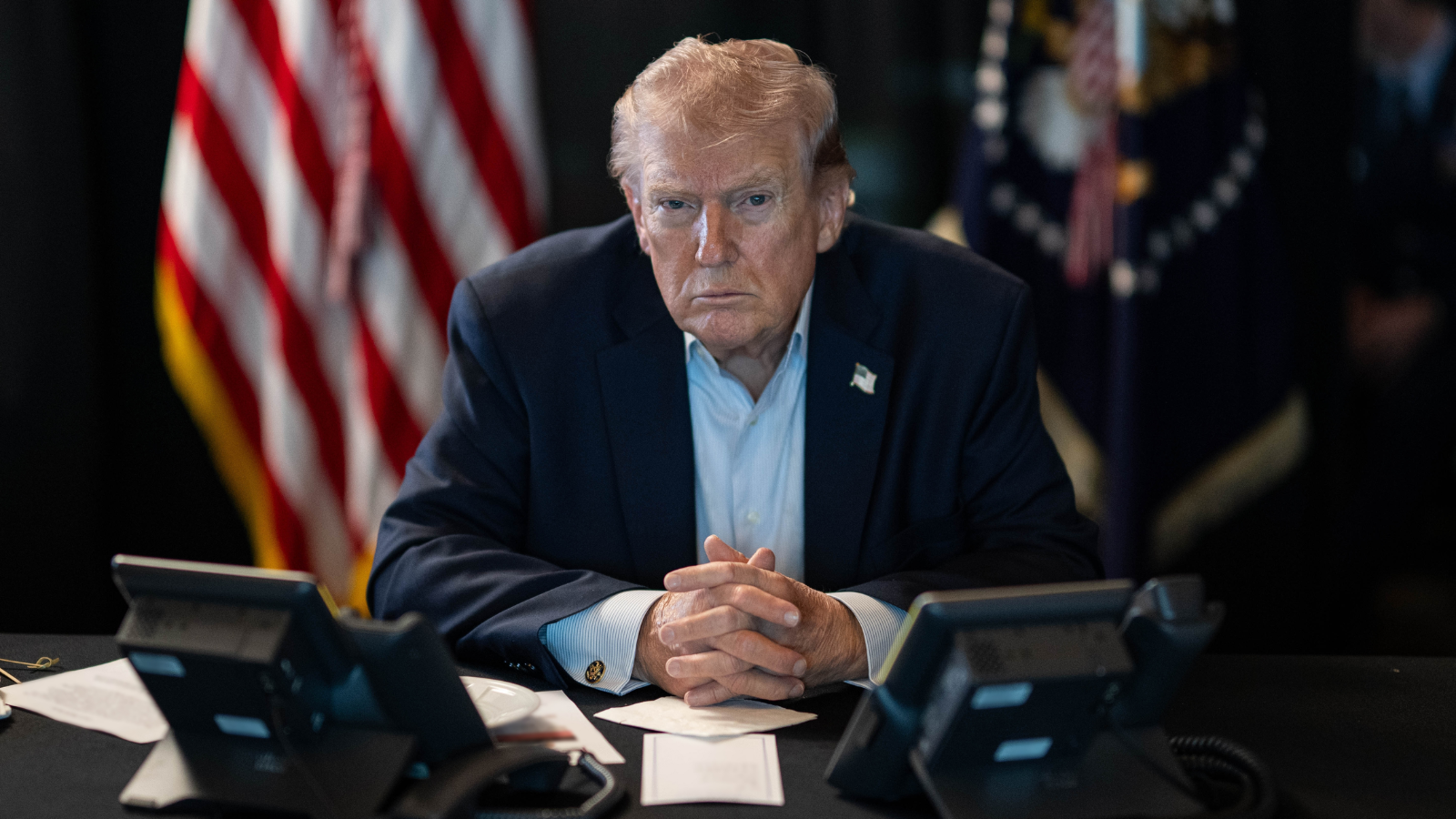
Sorokin found that the fee was unlawful because it operated as a tax imposed without congressional approval. The June 8 federal ruling said the administration exceeded its authority by creating a major financial requirement through executive action.
The ruling came after California and 19 other states challenged the policy. The states argued that the fee would harm employers, public institutions, and workers in fields that already face serious staffing shortages.
The judge also said the administration failed to properly consider the effect on hospitals, schools, universities, and other employers that use the H-1B program to fill specialized roles. The ruling vacated the policy, but the appeal means its final status remains unsettled.
States Challenged Trump Policy
California Attorney General Rob Bonta led the multistate lawsuit. The coalition said the fee would make it harder for employers to hire workers in health care, education, science, research, and technology.
The states argued that a $100,000 charge would be especially damaging for smaller employers and public institutions. A large technology company may be able to absorb the cost, but a rural hospital, public school system, or research program may not.
The lawsuit also framed the fee as a constitutional issue. The states said the president cannot impose a large payment requirement on a visa program that Congress created and regulated.
White House Defends The Fee
The administration has defended the policy as part of a broader effort to curb abuse of the H-1B system. Officials have argued that some employers use the program to replace U.S. workers, suppress wages, or avoid training domestic employees.
The September 2025 visa proclamation said the fee was meant to protect American workers and limit misuse of skilled worker visas. It applied to certain new petitions, not ordinary renewals for workers already in the country.
The White House said the president has the authority to restrict the entry of foreign nationals when their entry is not in the national interest. The court rejected that argument as applied to the payment requirement, finding that the immigration authority did not allow the president to impose an unauthorized tax.
H-1B Program Draws Scrutiny
The H-1B visa allows U.S. employers to hire foreign workers in specialty occupations. These jobs usually require advanced knowledge and at least a bachelor’s degree or equivalent experience.
The program is closely linked to the technology industry, but it reaches far beyond Silicon Valley. Hospitals, universities, research institutions, schools, engineering firms, and public agencies also use H-1B workers.
Federal law sets the annual H-1B visa cap at 65,000 new approvals, with 20,000 additional slots for foreign workers who earned advanced degrees from U.S. colleges and universities. Some employers, including universities and certain nonprofit research institutions, are exempt from the cap.
Critics say the program can be misused when employers rely on foreign labor instead of hiring or training U.S. workers. Supporters say it helps the country recruit specialized talent for jobs where qualified applicants are limited.
Fee Raised Hiring Concerns
Before the proclamation, H-1B filing costs were usually far below $100,000. Employers typically paid several thousand dollars in government fees, depending on company size, petition type, and processing choices.
The new charge would have immediately changed the economics of H-1B hiring. Smaller employers said the fee could force them to abandon petitions entirely.
The states said that risk was not limited to private companies. They argued that the fee could affect patients, students, and research programs if employers were unable to hire the physicians, nurses, teachers, scientists, and technical workers needed.
Bonta’s office said California led the challenge to protect employers and public services that depend on specialized workers. The ruling gave those states a major legal win, at least for now.
Appeal Leaves Employers Waiting
The administration filed an appeal after Sorokin’s ruling. That move keeps the dispute alive and sends the case into a higher court review.
Employers that sponsor H-1B workers now face continued uncertainty. The ruling blocked the fee, but the administration is trying to revive the policy.
Immigration lawyers are watching to see whether appellate judges allow the district court’s ruling to stand while the appeal continues. A reversal could restore the fee or reshape how the policy is enforced.
For foreign professionals, the case adds another layer of instability. Many H-1B workers already face lottery limits, employer sponsorship rules, long green card waits, and changing federal policies.
Legal Fight Tests Executive Power
The case is not only about visa fees. It tests whether a president can use a proclamation to add a major financial barrier to a legal immigration program.
Congress created the H-1B program and set its basic structure. The court found that a $100,000 payment requirement crossed a legal line because it imposed a tax without congressional approval.
That issue could affect future immigration policies. If higher courts agree with Sorokin, presidents may face limits in reshaping visa programs through large fees or entry restrictions.
If the administration wins on appeal, the ruling could expand executive power over legal immigration. That would give future presidents more room to use financial conditions as tools in immigration policy.
Case Moves To Higher Court
The latest known status is that a federal judge has struck down the $100,000 H-1B fee, but the Trump administration is appealing. The fee is not finally resolved while the case continues.
Employers, state officials, immigration attorneys, and foreign workers are now waiting for the next court action. The appeal will determine whether the fee remains blocked or returns as part of the administration’s broader immigration policy.