The scariest moment at a grocery store is not always the price on the receipt. For some Pennsylvania families, it is the few seconds after an EBT card is swiped, when the screen decides whether dinner is coming home or the money has already vanished.
That quiet fear is now driving a bigger fight in Harrisburg. A bill to replace older magnetic-stripe SNAP cards with chip-enabled EBT cards has advanced in the Pennsylvania House, giving families hope that the state may finally close a security gap that criminals have been exploiting for years.
The proposal, known as House Bill 2540, has cleared the House and now awaits action in the Senate. If it keeps moving, Pennsylvania could shift public assistance cards toward the same chip technology many shoppers already use with debit and credit cards.
For residents who rely on SNAP, this is not a technical upgrade buried in government paperwork. It is a kitchen-table issue. It is about whether the money meant for milk, bread, eggs, cereal, chicken, diapers, and school lunches will still be there when families need it.
The Theft Happens Before Shoppers Know They Were Hit
EBT skimming is a strange kind of robbery because the victim often does not see it happen. There is no broken window, no missing wallet, no suspicious person running away from the store.
The card may still be in a purse, pocket, or kitchen drawer. The PIN may have been entered at a checkout terminal days earlier. Then, suddenly, a family checks the account and finds the balance drained.
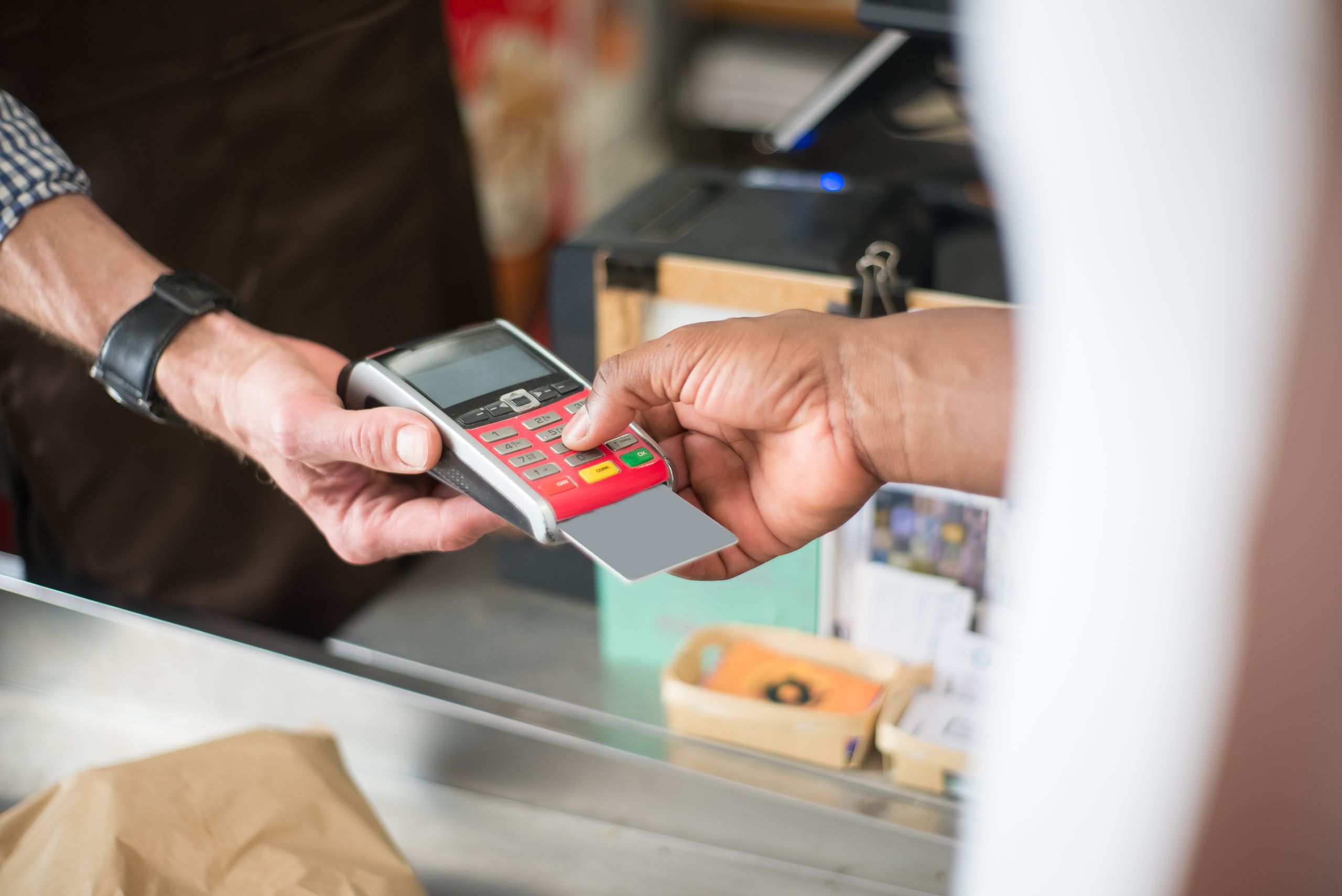
The scheme often starts with a hidden skimming device attached to a payment terminal. When a person swipes a magnetic stripe EBT card, the device can capture the card data. If thieves also get the PIN, they may clone the card and use the benefits elsewhere.
That is what makes the crime feel so personal. A household can do what it is supposed to do, shop normally, protect the physical card, and still lose the money.
Pennsylvania’s $15 Million Warning Sign
State figures show more than $15 million in Pennsylvania SNAP benefits were stolen through skimming in 2024. That number is big enough to sound distant, but the damage is deeply local.
It is a mother in Philadelphia trying to figure out how to stretch pantry leftovers until the next deposit. It is a retired resident in Scranton, wondering why a balance disappeared overnight. It is a working parent in Pittsburgh checking transactions and seeing purchases that never happened anywhere near home.
For families already dealing with high grocery prices, one stolen SNAP balance can knock an entire month sideways. Benefits are often planned down to the dollar before they arrive. A missing balance can mean skipped meals, unpaid bills, emergency visits to food pantries, or uncomfortable calls to relatives.
The theft also creates a public trust problem. SNAP is designed to help eligible households buy food. When criminals drain accounts, they are not only stealing from families. They are weakening confidence in a program millions of Americans depend on.
Why the Old Stripe Is the Weak Link
The central problem is the magnetic stripe. It is old technology, and criminals know how to copy it.
Most shoppers are used to inserting or tapping chip-enabled bank cards. That security shift occurred because magnetic stripes became easier targets for counterfeit card fraud. But many EBT cards still depend on the older swipe system, leaving low-income households with weaker protection than many bank customers already take for granted.
Chip cards are harder to clone because they create more secure transaction data. Federal food assistance guidance has also pointed to chip technology as a stronger protection against skimming and cloning, as part of a broader push reflected in that guidance.
A chip will not stop every scam. It will not prevent every phishing text, fake phone call, stolen PIN, or suspicious link. But it directly targets one of the biggest weaknesses in the current system: criminals copying card data from a magnetic stripe and using it elsewhere.
For Pennsylvania families, that difference matters. A stronger card may not eliminate fraud, but it can make the simplest form of the crime much harder to commit.
Checkout Lines Are Where Policy Gets Real
This debate may be happening in Harrisburg, but the pressure shows up in grocery aisles.
A stolen balance can turn an ordinary shopping trip into a public embarrassment. A parent may reach the register with a cart of groceries, only to learn the card does not have enough money. A cashier may have no explanation. The line behind them keeps moving. The shopper has to decide what to put back.
That moment is where policy becomes real.
It affects shoppers in big cities and small towns. It affects families near discount grocers, rural residents who drive long distances to shop, and seniors who plan grocery trips around benefit dates. It also affects local retailers, whose workers are often the first to deal with the confusion and frustration when a card balance is gone.
For stores, chip-enabled cards may bring a period of adjustment. Payment systems must be ready. Staff may need basic guidance. Customers will need clear instructions. But the larger question is whether the state can afford to keep using a card system that criminals have already learned to exploit.
The Replacement Safety Net Has Changed
The urgency is sharper because stolen benefits are now harder to replace through federal authority than they were during the temporary reimbursement period.
Federal records show states had authority to replace certain SNAP benefits stolen through electronic theft for incidents occurring from Oct. 1, 2022, through Dec. 20, 2024. That authority has expired for thieves after that window, as shown in the stolen SNAP benefit dashboard.
That shift changes the stakes. If a family’s benefits are stolen today, the path to restoring that food money may be more limited or uncertain than before.
That puts more weight on prevention. If the safety net for replacement is thinner, the card system itself needs to be stronger.
For SNAP recipients, this is not a debate about convenience. It is about whether the state will protect benefits before thieves get to them.
The Scams Do Not Stop at the Card Reader

Skimming may be the headline problem, but it is not the only threat.
Scammers also use text messages and phone calls that pretend to be official alerts. They may claim that an EBT card has been locked, that benefits are at risk, or that account information must be verified. The goal is simple: get a card number, PIN, login, or personal details.
That is why state agencies continue to warn cardholders to avoid suspicious links and to use official channels when checking accounts or reporting problems. Residents can review the state EBT scam warning for guidance on spotting suspicious messages and protecting benefits.
The best short-term habits are simple but important. Change the PIN regularly, especially before benefits are loaded. Check balances often. Review transaction history. Avoid sharing card information. Look at card readers before swiping, especially if a keypad feels loose or a card slot looks bulky.
These steps are not perfect protection. They are survival tactics while the larger system catches up.
Why This Bill Feels Bigger Than Technology
The chip-card push is about more than plastic.
It is about fairness. Many Pennsylvanians already expect stronger protection from their bank cards. They receive alerts, use chip readers, freeze cards, and dispute suspicious charges. SNAP users are asking for a basic version of that same protection for benefits that buy food.
It is also about dignity. People using SNAP should not have to feel like their grocery money is sitting behind outdated security. They should not have to wonder whether a card reader at a store might quietly empty their account later.
The fraud also cuts across politics. It hurts recipients, taxpayers, grocers, and communities. It gives critics more reason to question public programs while punishing the very people those programs are meant to support.
That is why the unanimous House vote matters. It suggests lawmakers understand that EBT skimming is not a niche problem. It is a statewide consumer protection issue with real consequences for families.
Harrisburg’s Next Move Matters at the Dinner Table
The bill still has work ahead. It must move through the Senate before it can reach the governor’s desk. Even if approved, the rollout would take planning, card replacement, retailer coordination, technology updates, and clear communication with recipients.
But delay carries its own cost. Every month that passes leaves families using cards that criminals have already proven they can exploit.
For Pennsylvania residents, the question is simple: should food assistance cards remain easier to clone than the average debit card?
The answer will not be found in a policy memo. It will be felt in grocery lines, kitchen cabinets, school lunchboxes, and the monthly anxiety of checking a balance after benefits arrive.
Until the state finishes the job, SNAP families will keep doing what they can: changing PINs, watching accounts, avoiding suspicious messages, and hoping the money meant for groceries is still there when the cart reaches the register.