The D.C. dining scene is not quietly adding new restaurants anymore. It is making noise, taking risks, and giving diners a fresh reason to leave the house even when prices are high, reservations are tight, and everyone claims they are “cutting back.”
Across the District, Northern Virginia, and Maryland, a new wave of restaurants is trying to win attention with big flavors, bold concepts, nostalgic comfort food, and the kind of dining room drama that turns a regular night out into a story.
Dining Out Is Becoming a Luxury, Not a Simple Night Out
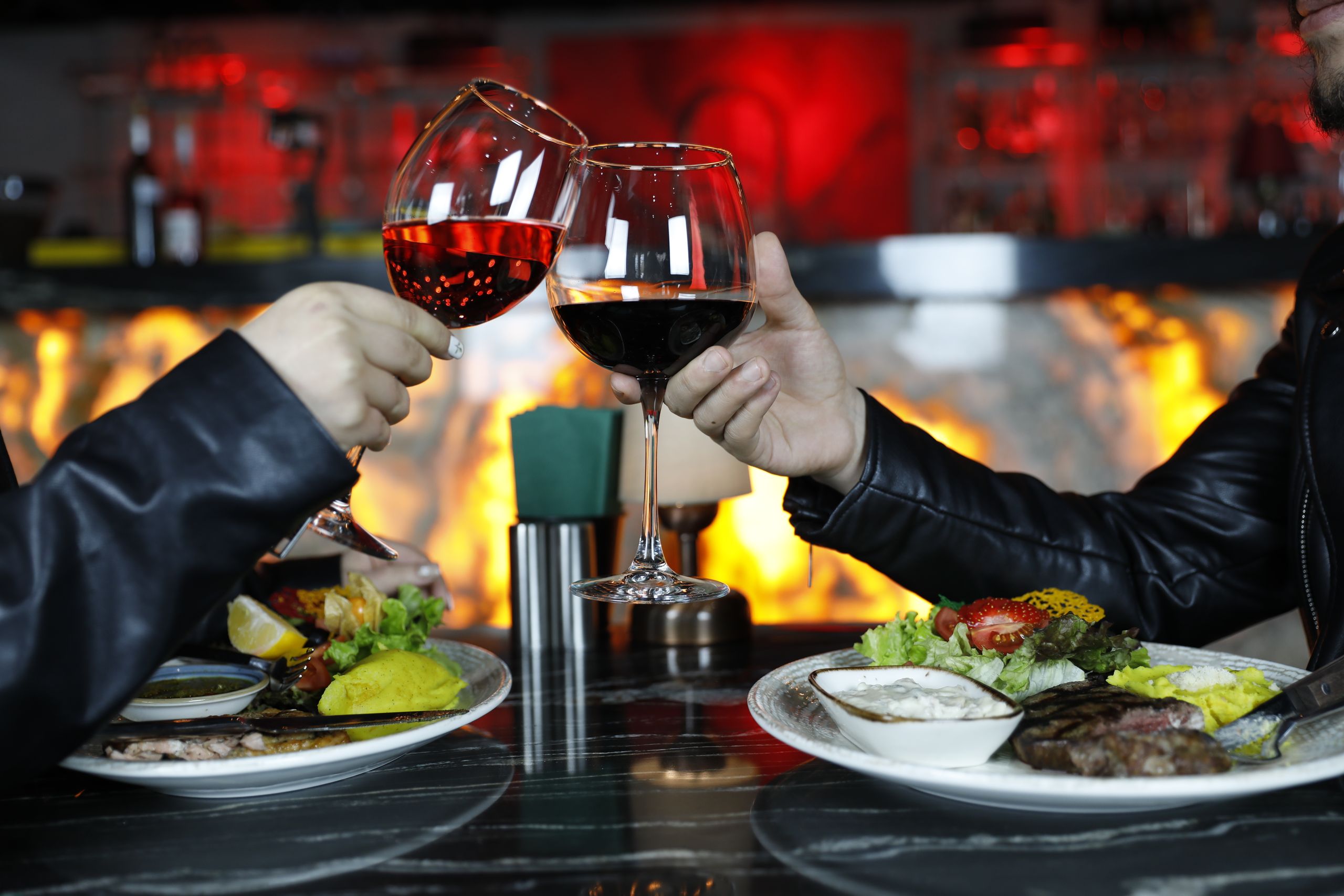
New restaurants are opening across the D.C. area, but many Americans are already feeling squeezed by high grocery bills, rent, gas, and everyday expenses.
A fresh wave of dining spots may sound exciting, but for working families, it also highlights how expensive a normal night out has become.
Trendy Restaurants Are Replacing Affordable Local Favorites
As new restaurants move into popular neighborhoods, many diners worry that simple, affordable places are disappearing.
The local diner, sandwich shop, or family owned carryout can feel pushed aside by polished concepts built for reservations, cocktails, and social media photos.
The “New Restaurant” Hype Often Means Higher Prices
Every new opening comes with buzz, but buzz usually comes with a bigger bill. Small plates, specialty drinks, service fees, and premium ingredients can quickly turn dinner into a costly experience.
For many Americans, that makes the restaurant boom feel less like progress and more like pressure.
Social Media Is Turning Dinner Into a Status Symbol
Food used to be about taste, comfort, and community. Now, some restaurants feel designed more for photos than real people.
Viral bagels, rooftop cocktails, dramatic dining rooms, and luxury plating can make ordinary diners feel like they are paying for an image instead of a meal.
Neighborhoods Are Changing Faster Than Residents Can Keep Up
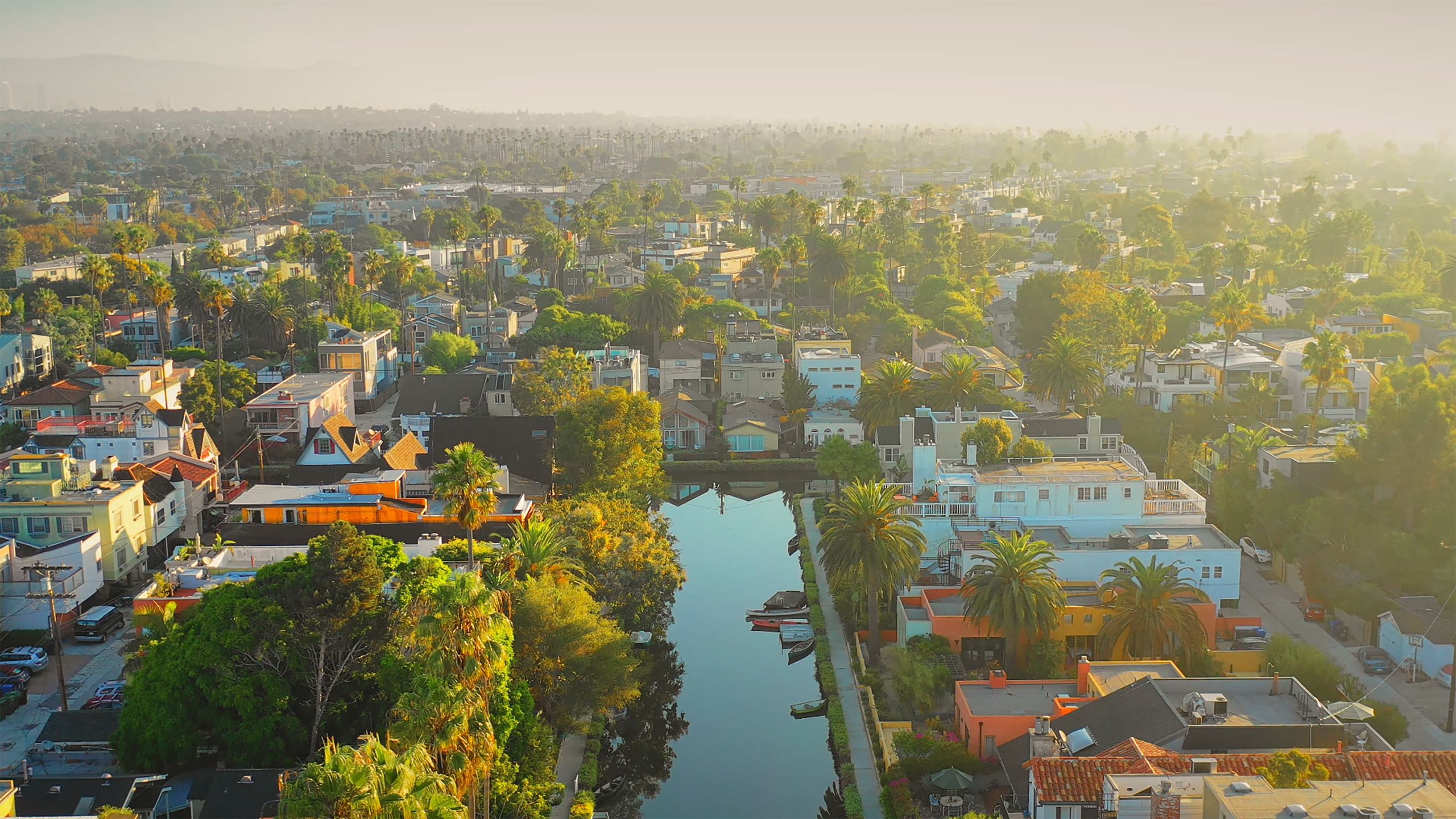
When new restaurants arrive, they often signal bigger changes in a neighborhood. Rents rise, foot traffic shifts, and long time residents may feel their own communities becoming less familiar.
What looks like a dining boom to visitors can feel like cultural displacement to locals.
Workers Still Carry the Pressure Behind the Scenes
A busy restaurant scene depends on cooks, servers, bartenders, hosts, cleaners, and delivery workers. While customers see beautiful plates, workers often face long shifts, unstable tips, high stress, and rising transportation costs. The restaurant boom is not always as glamorous behind the kitchen door.
Small Businesses Face a Brutal Fight to Survive
Opening a restaurant is risky, especially in a high cost market like D.C. Rent, labor, ingredients, insurance, and competition can crush even strong concepts. Many new restaurants open with excitement, but the real test comes months later, when the hype fades, and bills keep coming.
Eating Out Can Make Americans Feel Financially Guilty
Many people still want to enjoy life, celebrate birthdays, meet friends, and try new places. But in today’s economy, even a casual meal can come with guilt. Diners may enjoy the food while quietly wondering whether they should have cooked at home instead.
The Restaurant Boom Shows a Bigger Divide in American Life
The biggest problem is not that new restaurants are opening. The problem is that they reveal a growing gap between people who can casually spend money on dining experiences and people who are counting every dollar. In that way, D.C.’s restaurant boom is not just a food story. It is a cost of living story.