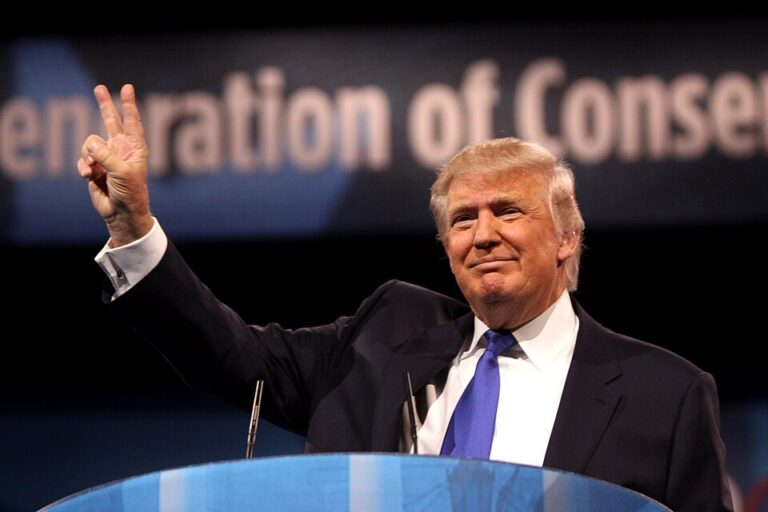
President Donald Trump’s statement that the United States secretly facilitated the movement of more than 100 million barrels of oil through the Strait of Hormuz has ignited a political and intelligence controversy. The claim has drawn immediate pushback from senior Democrats, raised scrutiny from administration officials, and provoked broader questions about military operations, energy logistics, and credibility in Washington. Americans are left to evaluate whether this was a true covert mission, a political exaggeration, or a miscommunication about U.S. military support for Gulf oil flows.
Jim Himes Challenges Trump’s Secret Iran Oil Mission Claim
Representative Jim Himes of Connecticut, ranking member on the House Intelligence Committee, described much of Trump’s account as flat-out untrue. Speaking on CNN, Himes argued that navigating the Strait of Hormuz secretly is virtually impossible given its narrow geography and constant monitoring. He emphasized that moving hundreds of millions of barrels of oil with U.S. military support would leave noticeable traces detectable in satellite imagery, commercial shipping data, and regional intelligence networks.
Himes also framed the claim within a broader pattern of Trump’s statements about Iran, suggesting that credibility problems extend beyond this single operation. He challenged the idea that a massive, secret oil movement could go undetected, highlighting the difficulty of verifying Trump’s numbers.
Why the Strait of Hormuz Amplifies Scrutiny
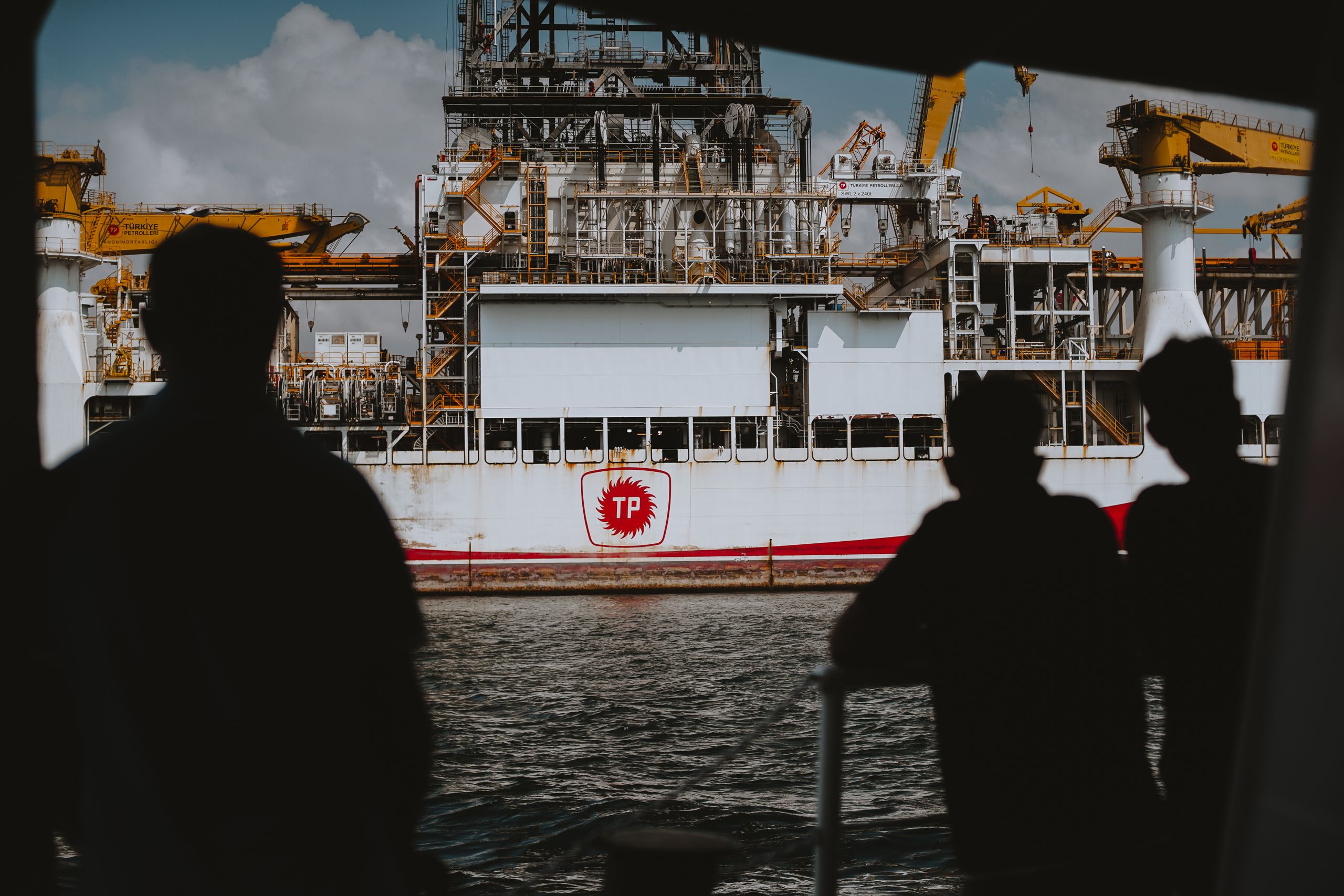
The Strait of Hormuz is one of the world’s most critical energy chokepoints, connecting Persian Gulf oil producers like Saudi Arabia, Iraq, Kuwait, Qatar, and the UAE to global markets. Before the crisis, it handled roughly 20 million barrels per day, representing a significant portion of global petroleum transport.
Trump’s 100 million barrel figure represents approximately five days of normal Hormuz flow, making the claim extraordinarily large and difficult to conceal. Even with military support, coordinating the movement of oil at that scale would require complex logistics, hundreds of commercial tankers, extensive surveillance, and regional cooperation.

Chris Wright’s Testimony and the Limits of Confirmation
Energy Secretary Chris Wright acknowledged that U.S. military operations had supported increased oil shipments through the strait but stopped short of confirming the president’s 100 million barrel claim. He clarified that the vessels in question were not Iranian, pointing to Gulf-based exporters.
This distinction is critical. Military assistance to ensure safe shipping is standard practice in volatile regions, but directly orchestrating or secretly moving 100 million barrels of oil would constitute a massive and unprecedented operation. Wright’s testimony highlights that while some support occurred, Trump’s public account may have exaggerated the scale.
The 100 Million Barrel Number and Logistics Implications
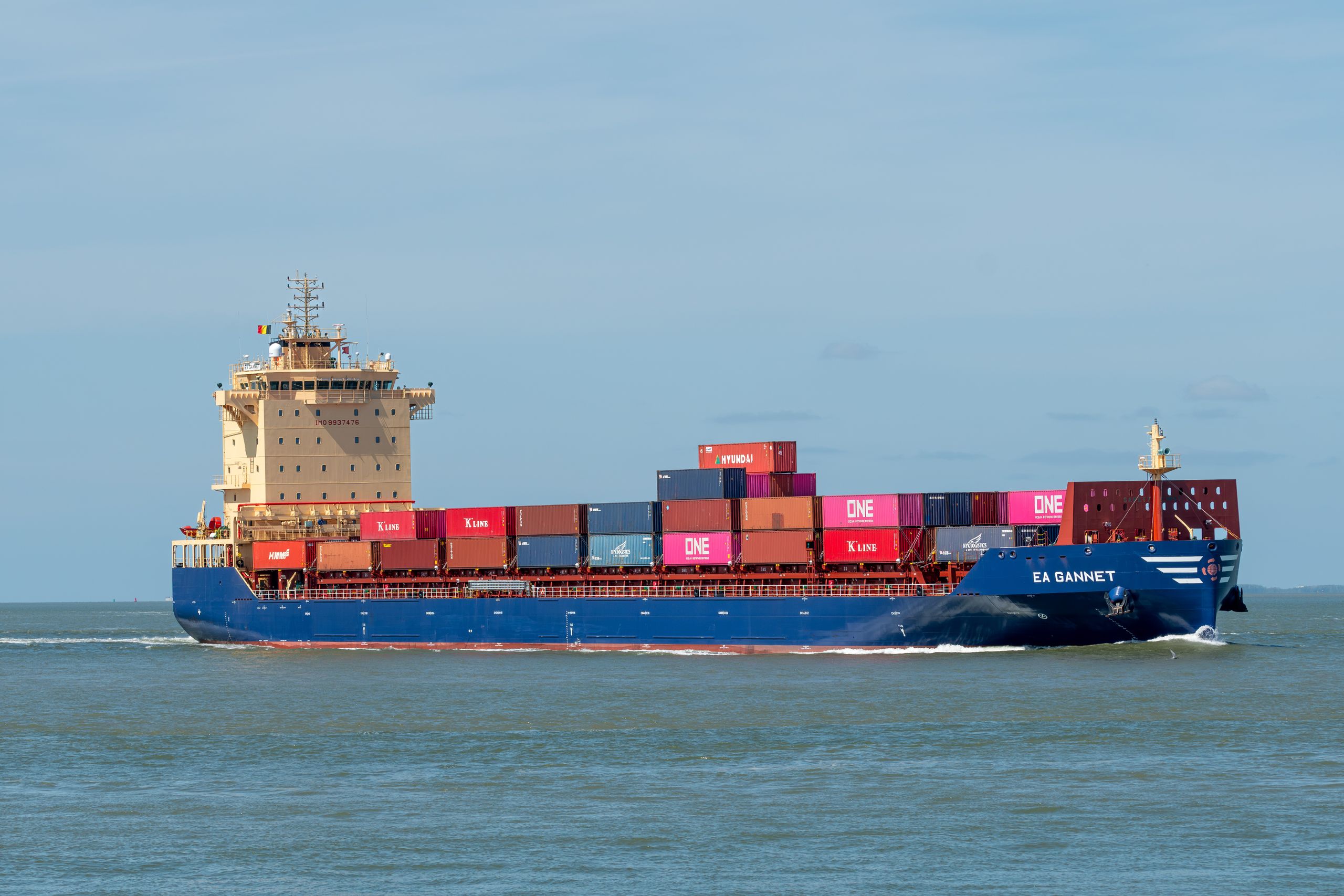
Moving more than 100 million barrels of crude is not trivial. Large tankers typically carry 2 million barrels per voyage, which implies at least 50 shipments or a coordinated fleet of hundreds of vessels. The logistics would include port coordination, maritime insurance, naval escorts, and constant intelligence monitoring.
Such an operation would almost certainly leave observable patterns in commercial data, satellite tracking, and insurance records. This makes the “secret” aspect of Trump’s claim challenging to reconcile with the operational realities of the region.
Inflation and the Political Context
The timing of the claim coincides with high inflation, particularly in energy costs. In May 2026, the Consumer Price Index rose 4.2% over the year, while energy prices surged 23.5% and gasoline rose 40.5%. Oil price volatility directly affects transportation, groceries, and household budgets.
Trump’s statement can be seen as a political narrative aimed at demonstrating control over energy markets, suggesting a protective U.S. response during a global supply disruption. However, the credibility of this narrative is under intense scrutiny due to conflicting testimony and logistical questions.
Gulf Oil Flows, Not Iranian Oil
Wright’s clarification indicates that the operation involved Gulf exporters rather than Iranian oil. This distinction is crucial for understanding the operational focus and geopolitical implications. While Trump’s statement implied a bold confrontation with Iran, the reality may have involved securing already-aligned Gulf shipments rather than covertly transporting Iranian crude.
Congressional Oversight and Accountability
The House Intelligence Committee has the authority to review classified briefings, operational data, and internal communications about the alleged mission. Oversight could focus on verifying the 100-million-barrel figure, evaluating the extent of military support, and confirming operational safety for commercial shipping.
The dispute underscores the balance between secrecy and accountability. Congress must evaluate the mission’s impact on U.S. foreign policy, energy markets, and strategic credibility without exposing sensitive military methods.
Market and Global Implications
Oil markets react not only to actual barrels but also to perceived risk. Statements about secret operations in Hormuz can influence global pricing, shipping routes, insurance costs, and trading behavior. Even if the majority of oil flows to Asian markets, U.S. consumers remain affected by global price interconnections.
The narrative is therefore both political and economic, influencing public perception, energy security, and inflationary pressures simultaneously.
Conclusion: Credibility in the Spotlight
Trump’s claim about a secret Iran oil mission combines extraordinary logistical assertions with political intent to demonstrate control over energy flows. Jim Himes’ challenge, Chris Wright’s cautious testimony, and the operational realities of the Strait of Hormuz expose gaps between the public narrative and verifiable facts.
The central question remains whether the administration executed a major covert operation that protected global oil flows or whether the claim exaggerated routine military support into a headline-grabbing story. Until detailed clarification emerges, the Trump secret Iran oil mission claim serves as a case study in the intersection of military operations, energy politics, and public credibility.