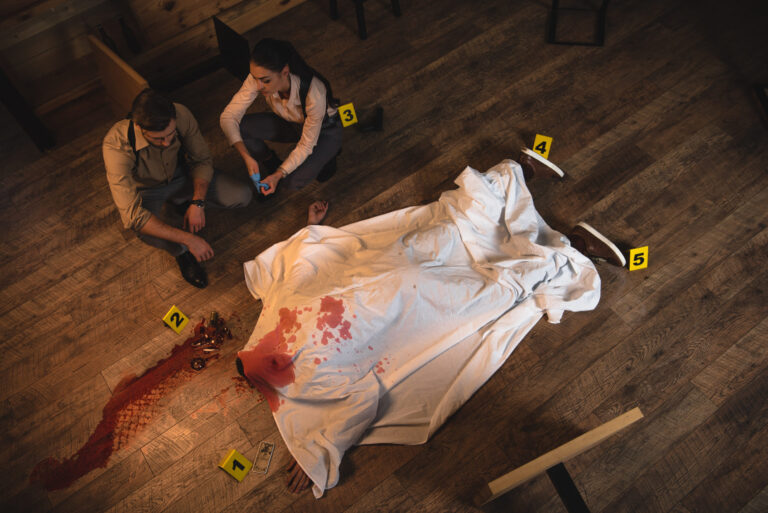
The early morning of June 1 brought a tragedy that has left Maple Shade, New Jersey, grappling with grief and unanswered questions. A single-vehicle rollover on Route 73 claimed the life of 5-year-old Alana Rose Corosanite, a child described by her family as bright, affectionate, and full of life.
Three adults in the vehicle were injured, including the driver, who required extraction by fire officials before being transported to Cooper University Hospital. The Maple Shade Route 73 rollover crash has become a lens through which to examine child passenger safety, vehicle design risks, and the latent hazards of familiar roads.
Route 73 is often traversed without a second thought, yet this incident reveals how even routine drives can have deadly consequences. Authorities have not confirmed whether Alana was restrained, and toxicology and crash reconstruction are still under review. The combination of late-night timing, road conditions, and vehicle dynamics illustrates the complexity of rollover crashes and the challenges families and communities face in preventing them.
The incident has prompted broader reflection on how local infrastructure, driver behavior, and safety awareness intersect. By exploring the causes, risks, and societal implications of this crash, families, drivers, and policymakers can better understand the stakes and consider concrete preventive measures.
When a Familiar Road Turns Deadly

Route 73 serves as a major connector across South Jersey, linking Maple Shade with Cherry Hill, Moorestown, and Cinnaminson. It accommodates commuter traffic, commercial vehicles, and local residents traveling at all hours. Yet, familiarity does not eliminate risk. The Maple Shade Route 73 rollover crash underscores how sudden miscalculations, environmental factors, or vehicle instability can transform a routine trip into a life-altering event.
The highway’s multiple curves, commercial entrances, and variable lane widths create conditions where even minor driver errors can escalate. This road has seen accidents before, but the loss of a child highlights the vulnerability inherent in high-speed corridors. Familiarity may breed confidence, but confidence alone cannot counter the physics of vehicle rollovers or human error.
For residents and commuters, the realization is unsettling: the same streets they traverse daily can harbor hidden hazards. Understanding this risk is crucial, not to alarm but to encourage proactive vigilance for themselves and their families.
How an SUV’s Design Can Become a Silent Threat
The vehicle involved was a Jeep, an SUV with a higher center of gravity. While such vehicles offer many advantages, their design can amplify rollover risks during sharp turns, sudden maneuvers, or single-vehicle accidents. In the Maple Shade crash, this structural vulnerability contributed to a rapid and violent rollover sequence that proved fatal.
Data from transportation safety studies indicate that SUVs and trucks are disproportionately represented in rollover incidents. Occupant ejection is particularly dangerous, and restrained passengers have significantly higher survival rates. The Maple Shade Route 73 rollover crash illustrates the stark consequences when vehicle design interacts with environmental or behavioral variables.
This factor emphasizes that risk is multi-dimensional. Even a cautious driver cannot entirely negate the influence of vehicle dynamics in extreme circumstances. The incident serves as a warning to families and drivers about the importance of awareness and mitigation strategies, particularly for high-center-of-gravity vehicles.
The Hour When Danger Peaks
Crashes between midnight and 3 a.m. are statistically more severe. Fatigue, slowed reflexes, and impaired judgment converge during these hours, creating a window of heightened vulnerability. The Maple Shade rollover occurred at 12:45 a.m., aligning precisely with this high-risk period.
Low traffic may create a false sense of security, yet late-night conditions reduce visibility and increase reaction time deficits. Environmental factors such as lighting, road curvature, and lane markings can exacerbate these risks. Drivers often underestimate these hazards, leading to decisions with catastrophic consequences.
Recognizing the timing as a critical factor underscores the need for heightened caution. Families should remain vigilant when traveling late at night, even on roads that seem familiar or lightly traveled. The Maple Shade Route 73 rollover crash highlights how the time of day can be a silent but deadly contributor to accidents.
The Unanswered Question of Child Safety
Authorities have not disclosed whether Alana Rose Corosanite was restrained during the crash. New Jersey law requires children under eight or shorter than 57 inches to ride in age-appropriate car seats or boosters. Correct use of restraints significantly reduces the risk of ejection and fatal injuries in rollovers.
Proper installation is essential. Harnesses must fit snugly, chest clips should sit at armpit level, and seats should be secured tightly. In practice, even minor errors can compromise safety. The Maple Shade Route 73 rollover crash reinforces that child passenger protection is not merely a legal obligation but a potentially life-saving intervention.
This aspect of the crash also magnifies its emotional impact. Families are reminded that everyday diligence with restraints can be the critical difference between survival and loss. The questions surrounding Alana’s restraint status leave a broader lesson for all caregivers.
How Quick Response Can Change Lives—Or Fail to
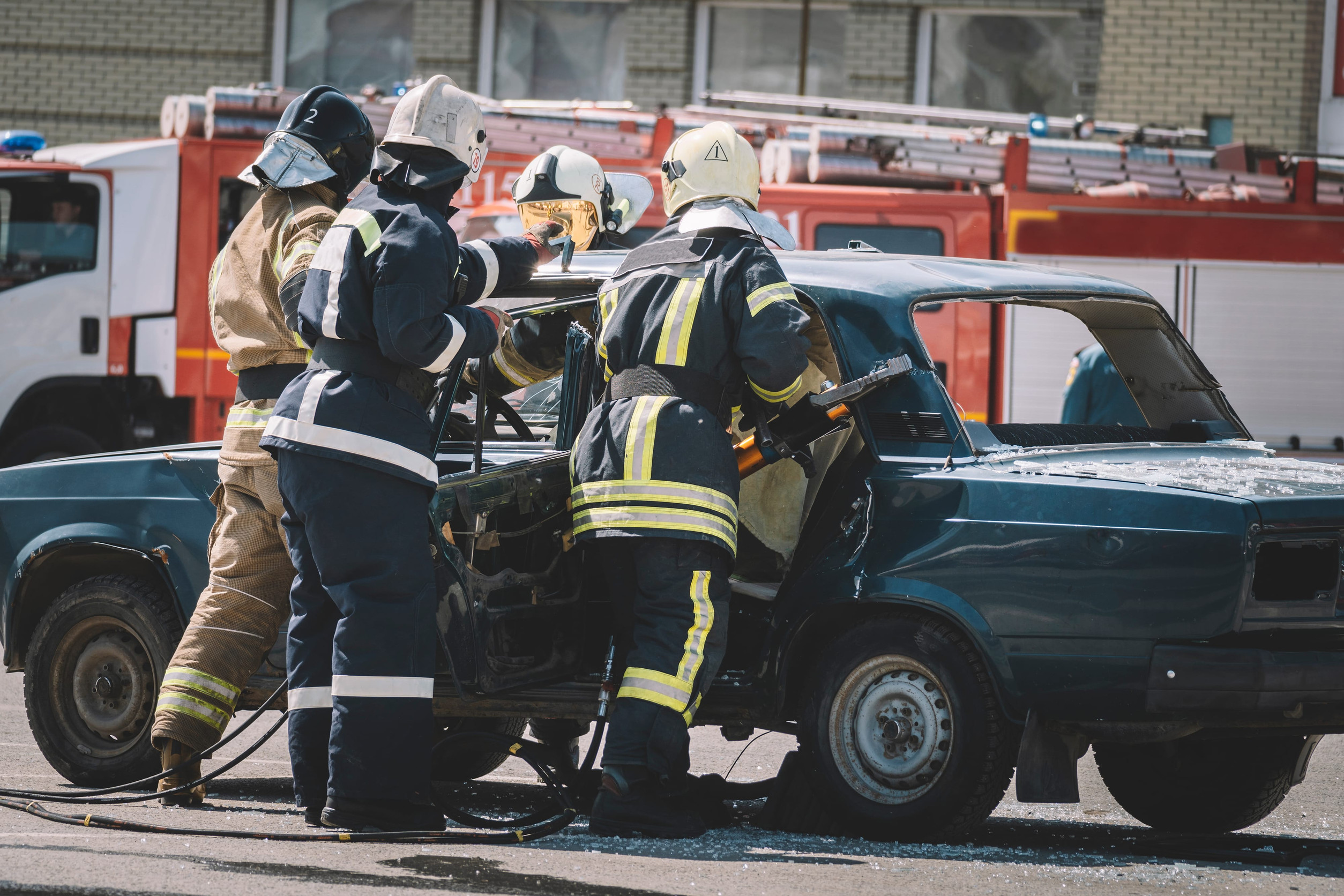
Emergency responders faced a challenging extraction to free the driver and other occupants. Time is crucial in rollover accidents, as even minutes can alter outcomes. The Maple Shade incident demonstrates how rescue operations are racing against both the physical dynamics of the crash and the medical urgency of injuries.
South Jersey’s coordinated emergency services highlight preparedness and rapid response capabilities. Yet, the unpredictability of rollovers, combined with late-night timing, increases the stakes for both victims and responders. Families witnessing such incidents must reconcile hope for swift aid with the reality that not all outcomes can be controlled.
The incident also underscores the importance of public education on emergency procedures and readiness. Awareness of how responders operate and what steps can aid them indirectly contributes to survival odds in similar accidents.
What Investigators Still Need to Uncover
Toxicology, vehicle inspection, and crash reconstruction are ongoing. The Maple Shade Route 73 rollover crash remains under investigation, and no charges have been filed. This unresolved status intensifies community anxiety and highlights the intricate process of establishing accountability.
Investigators examine multiple variables: driver actions, road conditions, vehicle behavior, restraint use, and environmental factors. Each element can significantly influence conclusions about causality and legal responsibility. The methodical pace reflects a commitment to accuracy and fairness rather than hastiness in judgment.
While the community waits for answers, the uncertainty itself is part of the tragedy. It prompts reflection on broader questions: how could similar incidents be prevented, and what lessons are drawn from delayed findings?
Why History Suggests This Could Have Been Prevented
Route 73 has a history of traffic incidents, ranging from minor collisions to severe rollovers. Patterns indicate that curves, commercial traffic, and vehicle types disproportionately contribute to accidents. Prior knowledge of these factors underscores the importance of targeted interventions, including roadway design improvements and public safety campaigns.
The Maple Shade Route 73 rollover crash exemplifies how historical awareness alone is insufficient without proactive measures. Driver education, structural modifications, and consistent enforcement of safety regulations are essential complements to historical insight. Communities cannot rely solely on experience; action must follow awareness.
This perspective emphasizes the balance between human behavior and systemic safety improvements. Roads, vehicles, and driver vigilance all intersect in determining outcomes.
Lessons We Cannot Afford to Ignore
The crash imparts actionable safety lessons. Families should routinely check restraints, verify harness fit, and ensure booster seats are appropriate for age and size. Drivers must exercise caution during late-night travel, account for vehicle-specific risks, and maintain awareness of road conditions.
Municipalities and policymakers also face lessons in infrastructure, signage, and traffic flow management. Even seemingly minor interventions such as curve warnings, guardrails, or targeted enforcement can reduce the likelihood of rollover incidents. The Maple Shade Route 73 rollover crash illustrates that both individual and systemic actions are vital to safety.
Understanding these lessons converts tragedy into insight. Each precaution represents a small investment of attention and care with potentially life-saving returns.
The Human Toll That Numbers Cannot Capture
Alana’s death represents immeasurable loss to her family and community. Her obituary paints a picture of a loving, joyful child whose presence brightened daily life. This personal dimension contrasts with analytical data but is equally critical in understanding the stakes of road safety.
Community grief, memorial gatherings, and social media tributes reflect a collective response to the tragedy. The Maple Shade Route 73 rollover crash is not just a statistic; it is a lived reality for those who knew Alana and those who now confront the vulnerability of everyday travel.
Acknowledging the human element underscores why safety, diligence, and awareness cannot be mere abstractions. They intersect with lives in tangible, irreversible ways.
A Final Thought on Vigilance and Risk
The Maple Shade Route 73 rollover crash leaves the community with both sorrow and reflection. It demonstrates that even familiar roads can conceal hidden dangers, that vehicle design and human error can collide in catastrophic ways, and that preventative measures are indispensable. Families, drivers, and policymakers must consider what is truly required to protect children and all road users.
Alana Rose Corosanite’s life, though tragically brief, carries lessons that extend far beyond Maple Shade. Her story invites us to examine how preparation, attention, and proactive action can influence outcomes. The questions linger: what more can be done to prevent such tragedies, and how do we reconcile everyday routines with the potential for life-altering risk?