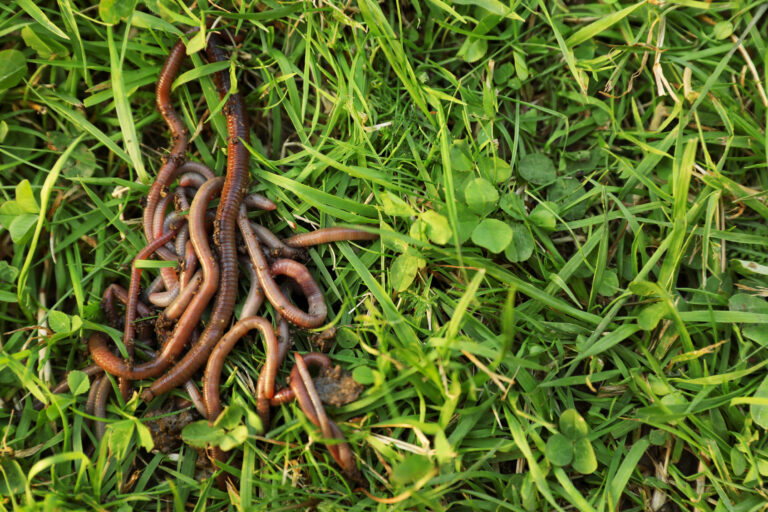
A parasite most Americans thought belonged to history books has returned to the national conversation, and it is not the kind of threat we can afford to brush off as farm news.
The New World screwworm is a flesh-eating fly larva that attacks living tissue. It is most dangerous to livestock, but it can also affect pets, wildlife, and, in rare cases, people. That is why the latest confirmed cases in Texas and New Mexico have turned a livestock emergency into a broader public-awareness story.
We should be clear from the start. This is not a reason for panic in every household. It is a reason for vigilance, especially for people who live near affected areas, work around animals, travel near outbreak zones, own pets, raise livestock, or spend long hours outdoors with cuts, scratches, or uncovered wounds.
What Is the New World Screwworm?
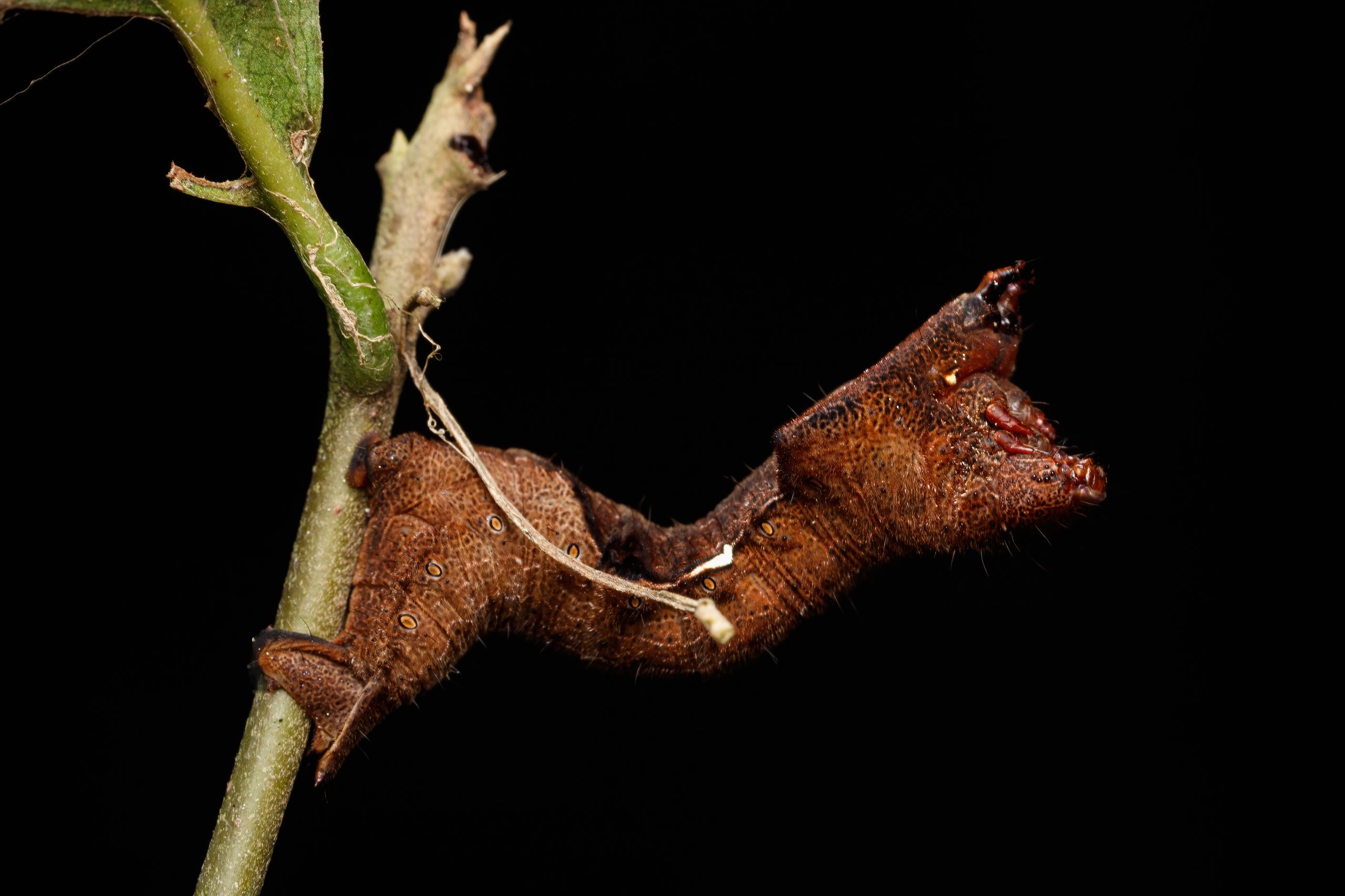
The New World screwworm is the larval stage of the fly known as Cochliomyia hominivorax. Unlike common maggots that often feed on dead tissue, New World screwworm larvae feed on living flesh. That single difference is what makes this parasite so destructive.
The adult fly lays eggs on open wounds or moist body openings. Those openings can include the nose, ears, mouth, eyes, genital area, or the navel area of newborn animals. Once the eggs hatch, the larvae burrow into living tissue and continue feeding as the wound grows larger, deeper, and more painful.
This is why ranchers fear it so much. A small wound on a calf, goat, horse, sheep, dog, or deer can become a serious infestation if it is missed. The parasite can cause severe tissue damage, secondary infection, suffering, and death if the animal is not treated quickly.
Why the U.S. Is Paying Attention Again
The United States eradicated New World screwworm decades ago through one of the most successful animal health campaigns in modern agriculture. The method relied heavily on the release of sterile male flies. When sterile males mate with wild females, the eggs do not hatch, and the population begins to collapse.
That success made the parasite rare in the U.S. for generations. Now the concern has returned because cases have moved northward through Central America and Mexico, with confirmed detections now reported in the United States.
The current concern is not just that cases exist. The larger concern is that this pest spreads through animals, wounds, and fly movement. In ranching states, one missed case can create anxiety across farms, veterinary offices, livestock auctions, hunting lands, and pet-owning households.
Why This Is Not Just a Cattle Story
It is easy to hear the word “livestock” and assume the risk stops at the ranch gates. That would be a mistake.
New World screwworm can infest warm-blooded animals. That includes cattle, goats, sheep, horses, dogs, cats, deer, and other mammals. Birds can also be affected less commonly. Humans are rare targets, but the parasite can infect people when the right conditions are present.
The confirmed dog case in New Mexico is especially important for everyday readers. It shows why pet owners in or near affected regions should not ignore wounds, sores, or strange behavior in animals. A backyard dog, a barn cat, or a working ranch dog can be exposed if flies are present and a wound is left open.
The Symptoms People Should Know
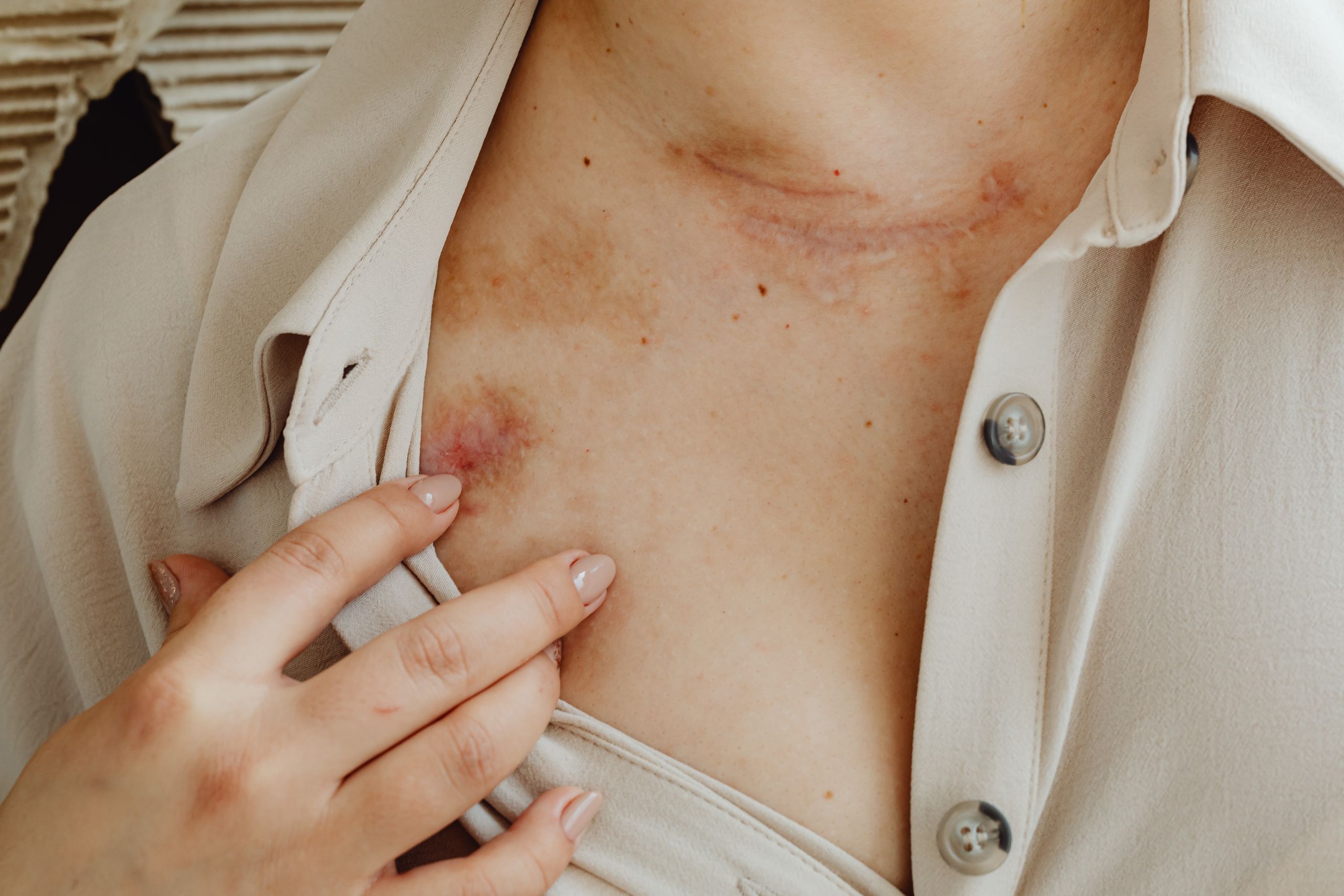
The most alarming sign is the presence of visible larvae or egg masses in a wound or body opening. That may sound obvious, but early infestations can be easy to miss if the wound is hidden under fur, inside an ear, near the nose, around the mouth, or in the genital area.
In people, warning signs can include a painful wound that worsens quickly, a foul odor, bleeding, swelling, discharge, or a sensation of something moving in or near the wound. Any wound with visible maggots should be treated as urgent until a medical professional says otherwise.
We should not wait for dramatic symptoms. A small scratch, insect bite, surgical site, or open sore can attract flies to the affected area. The danger comes from delay, as larvae can burrow deeper while feeding.
Symptoms in Pets and Livestock
Animals cannot explain pain the way people can, so owners must watch behavior closely. A pet or livestock animal may become restless, irritated, withdrawn, or unusually sensitive when touched near the affected area.
Look for draining wounds, enlarged sores, a bad smell, wet fur around a wound, blood, swelling, visible maggots, or clusters of tiny eggs. Check the ears, nose, mouth, genital area, and navel area in young animals. Newborn calves, kids, lambs, and puppies may be especially vulnerable around umbilical wounds.
In livestock, wounds from castration, branding, dehorning, wire cuts, predator attacks, ticks, and birthing can become entry points. In pets, scratches, hot spots, bite wounds, surgical incisions, and neglected skin infections can create the same problem.
Who Is Most at Risk?
The highest risk belongs to people and animals in areas where New World screwworm flies are actively circulating. Risk rises when open wounds are uncovered, animals are not checked daily, or people spend long hours outdoors.
Ranchers, farm workers, veterinarians, hunters, wildlife handlers, and people who sleep outdoors in affected areas should be especially careful. Pet owners in outbreak regions should also inspect animals more often than usual, especially after travel, boarding, hunting trips, or visits to rural properties.
For people, risk is still considered low in the United States. But low risk does mean no risk. Anyone with a suspicious wound after travel to an affected region should seek medical care quickly.
Why Small Wounds Matter

One of the most dangerous myths about screwworm is that it needs a large injury to invade. It does not.
A tiny scratch can be enough. A tick bite can be enough. A healing incision can be enough. The female fly is attracted to the odor of wounds and moist tissue, and once eggs are laid, the problem can grow quickly.
That is why prevention starts with simple wound care. Clean the wound. Cover it. Watch it. For animals, use veterinary-approved wound management and fly control. For people, use clean dressings and do not leave open sores exposed in high-risk areas.
What Makes New World Screwworm Different From Ordinary Maggots?
Many people associate maggots with decay. New World screwworm is different because it feeds on healthy living tissue.
That feeding pattern creates deeper wounds and greater damage. The larvae use sharp mouth hooks to tear into flesh as they develop. The wound may widen, deepen, and become infected by bacteria.
This is also why proper identification matters. Not every maggot found near a wound is New World screwworm. But no one should guess at home. Suspected cases should be reported and evaluated by medical or animal health professionals.
What To Do if You Suspect It in a Person
If a person sees larvae in a wound, feels movement inside a sore, or has a rapidly worsening, painful wound with odor or bleeding, medical care should be immediate.
Do not dig into the wound at home. Do not throw live larvae outside. Do not assume a home remedy will solve it. Treatment requires removal of all larvae and eggs, and deeply embedded larvae may require surgical removal.
Doctors may also need to treat secondary bacterial infection. Follow-up is important because any remaining larvae can continue feeding. A wound that appears cleaner but still has hidden larvae can worsen again.
What To Do if You Suspect It in a Pet
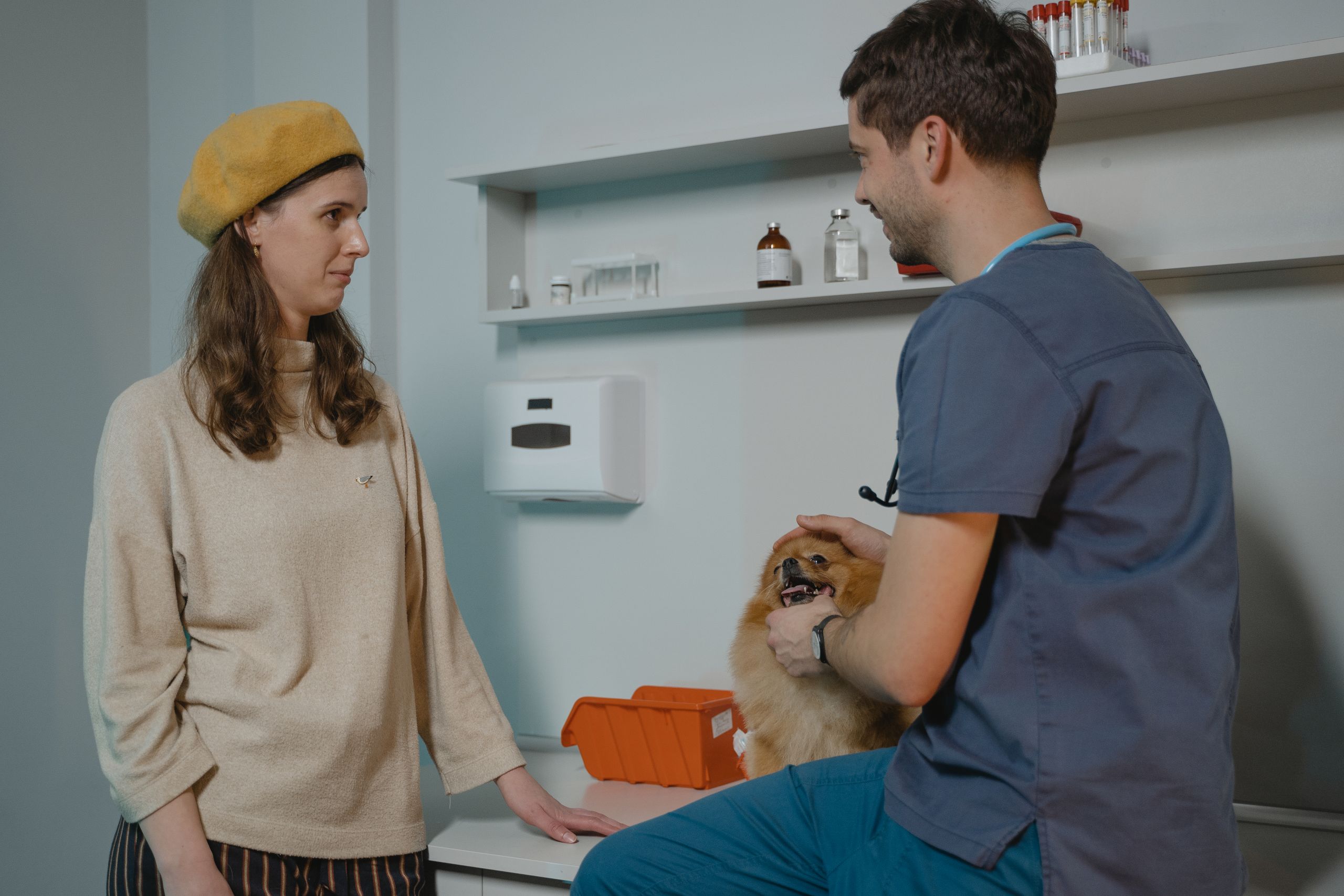
A suspected infestation in a dog, cat, or other pet should be treated as an urgent veterinary issue. Call a veterinarian and explain that you see maggots, egg masses, a foul-smelling wound, or a rapidly worsening sore.
Keep the animal contained and away from other animals until you receive instructions. Do not release larvae into the yard, trash, or soil. If officials are tracking the parasite in your area, proper handling is crucial because live larvae can contribute to its spread.
Pet owners should also think about recent movement. Did the animal travel to Mexico? Was it boarded? Did it visit a ranch, hunting lease, or border region? That history can help veterinarians and animal health officials respond faster.
What Livestock Owners Should Check Daily
Livestock owners in affected or nearby regions should build inspections into the daily routine. The most important places to check are fresh wounds, navels of newborn animals, ears, noses, genital areas, and any site with drainage or swelling.
Animals that isolate themselves, shake their heads, rub against posts, refuse feed, or show signs of pain need closer inspection. A wound that smells bad or seems to grow in a day or two deserves urgent attention.
Movement restrictions in affected zones may also affect how animals can be transported. Producers should check state animal health rules before moving cattle, goats, horses, sheep, or other warm-blooded animals out of an infested zone.
Why Quarantines Matter
Quarantines are not just government paperwork. They are designed to slow the parasite while officials inspect animals, track possible spread, and release sterile flies.
When warm-blooded animals move from an infested zone without inspection, they can carry larvae into new areas. That can turn a contained problem into a regional one. This is why inspections, movement certificates, and treatment records matter.
For ranchers, the rules may feel frustrating. For the broader community, they are part of the defense line that keeps a localized outbreak from becoming a national livestock disaster.
Is the Food Supply Safe?

The New World screwworm does not infest meat, fruits, vegetables, or pantry food. The concern is not that shoppers will bring screwworm home in a steak or a bag of produce.
The concern is animal health, livestock movement, and economic damage. If infestations spread widely, ranchers could face animal losses, treatment costs, movement limits, and trade disruptions. Those costs can ripple through local economies long before they show up in grocery aisles.
For consumers, the practical message is simple. Food safety inspections remain in place, and the parasite is not a food storage pest. The public health focus is wound exposure, animal monitoring, and rapid reporting.
Why Ranchers Are So Worried
Ranchers understand how fast a small animal health problem can become expensive. A single wound can threaten an animal. Multiple cases can trigger quarantines, inspections, market disruption, and lost confidence.
Cattle country is already under pressure from high input costs, drought stress in some regions, and tight herd numbers. A parasite that attacks calves and other animals adds another layer of uncertainty.
The emotional toll also matters. Ranchers are not just protecting business assets. They are trying to prevent animal suffering while navigating rules, reports, inspections, and public fear.
How Sterile Flies Help Stop the Spread
The sterile insect technique is one of the main reasons the United States previously defeated the New World screwworm. The strategy is simple in concept but difficult in scale.
Officials release sterilized male flies into affected areas. Female New World screwworm flies typically mate once. If a female mates with a sterile male, her eggs do not produce larvae. Over time, the wild population shrinks.
This method works best when paired with fast detection, wound treatment, quarantines, animal inspections, and public reporting. It is not magic. It is a coordinated campaign that depends on people noticing suspicious wounds early.
How Families Can Reduce Risk
The best protection is boring but effective. Keep wounds clean and covered. Use insect repellent where appropriate. Keep pets protected from flies. Inspect animals after outdoor activity, especially in rural areas.
For pets, do not ignore wounds hidden under fur. Long-haired dogs and outdoor cats may need closer checks. After a fight, scratch, tick bite, or surgery, keep the wound clean and watch for odor, swelling, or discharge.
For people, pay attention after traveling to regions where screwworm is present. A sore that gets worse quickly, smells bad, bleeds, or feels like something is moving inside it should not be left to heal on its own for several days.
Mistakes That Can Make the Problem Worse
The first mistake is waiting too long. Screwworm damage can progress quickly, and delay gives larvae more time to burrow.
The second mistake is carelessly handling larvae. Throwing live larvae in outdoor trash, soil, or a yard may create a bigger problem if the parasite is truly New World screwworm. Suspected cases need proper collection, identification, and disposal.
The third mistake is assuming pets are safe because they are not livestock. The New Mexico dog case shows why that assumption fails. Any warm-blooded animal with a wound can become a possible host if exposed.
When To Call a Professional Immediately
Call a doctor if a person has visible larvae in a wound, a rapidly worsening sore, unexplained bleeding, foul odor, swelling, severe pain, or a sensation of movement in a wound or body opening.
Call a veterinarian if a pet or livestock animal has maggots, egg masses, draining wounds, enlarging sores, irritation around the ears or nose, genital lesions, or a painful wound that looks worse than expected.
Call animal health officials if you manage livestock in an affected area and see suspicious signs. Reporting is not just about one animal. It helps officials map the outbreak, release sterile flies in the right place, and protect nearby farms.
What We Should Watch Next
The next phase will depend on how quickly new detections are made, how strictly movement restrictions are followed, and how effectively sterile fly releases suppress wild populations.
More cases may be reported as surveillance increases. That does not always mean the outbreak is exploding. Sometimes better detection simply reveals cases that would have been missed. Still, every confirmed case matters because it helps officials understand where the parasite is moving.
For now, we should treat New World screwworm as a serious animal health threat with rare but real human relevance. The smartest response is not panic. It is clean wounds, daily animal checks, fast reporting, and immediate care when symptoms appear.