Florida’s reputation as a sunny paradise is being challenged by a harsh reality for renters. Across the state, families and workers are facing rent increases that eat up more than a third of their income, turning everyday life into a financial struggle. Ordinary residents are finding themselves trapped in a cycle of rising costs and limited housing options.
From Miami to Tampa, Orlando to Jacksonville, the cost of renting is climbing faster than wages. Many households are forced to choose between keeping the lights on, buying groceries, or paying rent. The pressure is widespread, affecting young professionals, service workers, seniors, and families who once believed Florida offered opportunity and stability.
Rent Increases Are Hitting Hard
Monthly rent has jumped hundreds of dollars in just a few years, leaving renters scrambling. For people living paycheck to paycheck, even a small increase can force difficult decisions about food, transportation, and healthcare. This surge is pushing residents to the edge, making financial stability a distant goal.

New Construction Fails to Help Most Renters
While developers are building new apartments, most are priced out of reach for the average Florida renter. High-end amenities and luxury units dominate the market, leaving many working-class families stuck in older, increasingly expensive rentals. Affordable units remain scarce and difficult to access.
Steady Jobs Are Not Enough
Many renters are employed full-time yet still struggle to afford their homes. Teachers, retail staff, nurses, restaurant workers, and delivery drivers are seeing their incomes eaten up by rising rent. Hard work is no longer enough to keep a roof over their heads, creating stress and instability for households across the state.
Seniors Face Extra Pressure
Older adults living on fixed incomes are particularly vulnerable. Rising rent can force them to cut back on necessities or consider moving far from their communities. Florida’s promise of a secure retirement is under threat for many who rely on steady, predictable living costs.
Evictions Are Becoming More Common
High rents increase the risk of eviction. Missing a single payment can lead to legal action that follows renters for years. Families facing eviction are forced to relocate, often disrupting school, work, and social support networks. Housing instability is now a common concern in many communities.
Communities Are Feeling the Strain
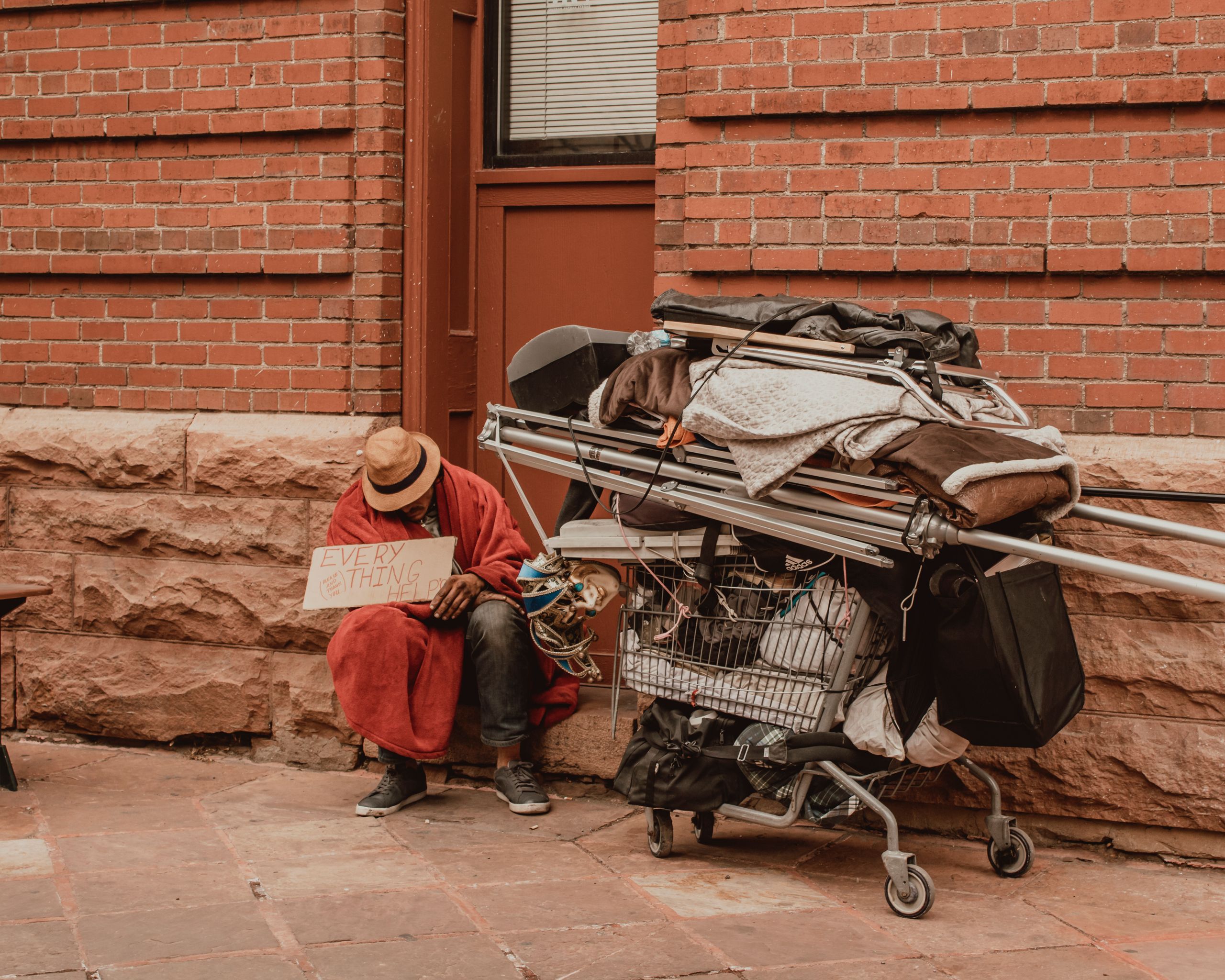
Neighborhoods are losing long-term residents as rents rise. Schools see student turnover, small businesses lose employees, and local economies are strained. The fabric of communities is fraying, as families struggle to stay close to jobs, schools, and friends.
Limited Tenant Protections Offer Little Relief
Florida law restricts rent control and other tenant protections, leaving renters with few options to prevent sudden hikes. While these limits are intended to encourage development, they leave many residents vulnerable to market pressures, with little recourse when rent rises sharply.
Affordable Housing Remains Out of Reach
Demand for affordable housing far exceeds supply. Public programs exist, but long waitlists and eligibility rules make it difficult for families to secure units near work and schools. Most renters are left paying market rates that consume a significant portion of their income.
The Florida Dream Feels Unreachable
What was once seen as an opportunity to start fresh or retire comfortably is slipping away for many renters. Rising costs and limited options are turning Florida into a state where ordinary families feel priced out, eroding confidence and forcing difficult life decisions.
Renters Are Questioning Their Future
The state’s rental crisis is a wake-up call. Households are reevaluating whether they can continue living in Florida. When working families, seniors, and long-term residents face eviction or financial strain, the consequences reach far beyond individual apartments. The challenge is not only finding a home but maintaining a life with dignity.
Final Thought
Florida’s rising rents are more than numbers on a spreadsheet. They represent real families struggling to stay afloat, seniors fearing displacement, and communities losing the people who sustain them. Without urgent action to make housing affordable and accessible, the state risks turning a vibrant paradise into a place where stability and security feel out of reach for the very residents who keep it running.