America has had presidents who talked tough, presidents who acted tough, and presidents who learned the hard way that toughness is not always loud. The most interesting leaders were often the ones who faced pain, war, illness, public hatred, or national collapse and still kept moving.
This is not just a list of men who fought battles or survived danger. It is a look at the presidents whose toughness showed up in different ways, from battlefield grit to emotional discipline, political courage, physical survival, and the ability to carry a nation through fear.
Theodore Roosevelt
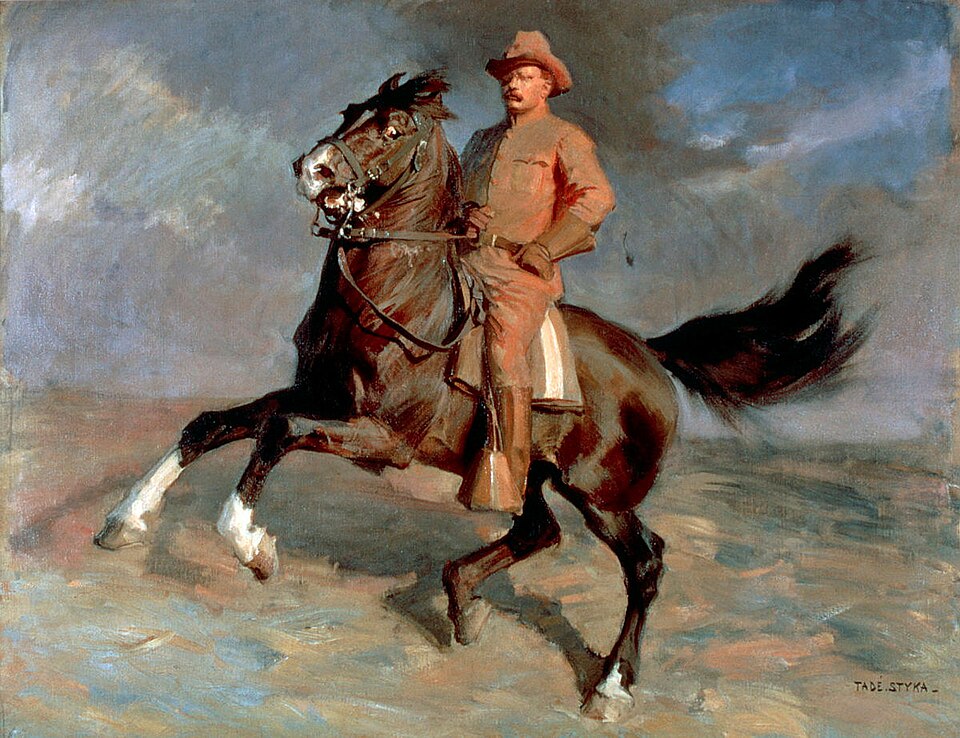
Theodore Roosevelt may be the easiest president to place on any toughness list because his life almost sounds like it was invented. He grew up sickly, built himself into a boxer, rancher, hunter, soldier, reformer, and public fighter, then carried that same energy into the White House.
His toughness was not just physical. Roosevelt turned grief into motion after losing his wife and mother on the same day. Instead of disappearing into bitterness, he went west, rebuilt himself, and returned to politics with a harder edge and a bigger national vision.
The most famous moment came after his presidency, when he was shot during the 1912 campaign and still gave his speech before going for treatment. That kind of public stubbornness made him a legend, but his real toughness was his refusal to let weakness define the rest of his life.
George Washington
George Washington’s toughness was quieter than Roosevelt’s, but it may have mattered more. He held together an army that was often hungry, cold, poorly supplied, and close to falling apart. He did not win the Revolution because every move was brilliant. He won because he endured longer than the British expected.
His strength was discipline. Washington knew how to survive defeat without letting defeat become surrender. That is a rare kind of toughness, especially when a new nation depends on a single exhausted commander to keep hope alive.
As president, he also showed restraint. Walking away from power after two terms may not look dramatic now, but it helped shape the office. Washington understood that strength could mean refusing to cling to authority.
Abraham Lincoln
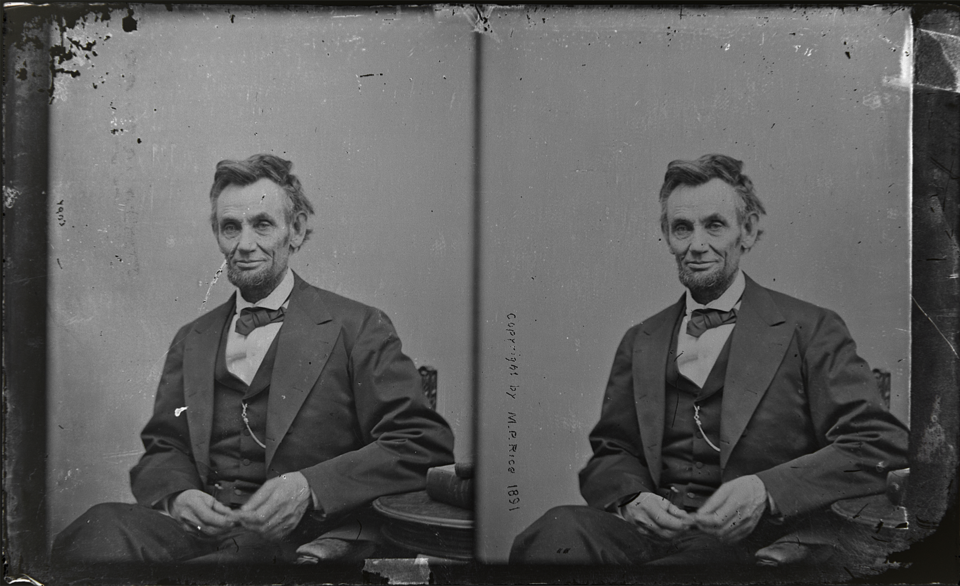
Abraham Lincoln did not fit the usual image of a polished strongman. He was tall, physically powerful, and known for frontier wrestling, but his real toughness was mental. He entered the presidency as the country was splitting apart and carried the burden of the Civil War almost every day of his administration.
Lincoln faced criticism from nearly every direction. Some thought he moved too slowly. Others thought he went too far. He had to manage generals, political rivals, grieving families, slavery, rebellion, and the survival of the Union all at once.
His toughness came from moral pressure. He kept pushing forward when every choice carried blood, cost, and rage. Many presidents faced crises, but Lincoln faced the possibility of the country’s death.
Ulysses S. Grant
Ulysses S. Grant was not a flashy warrior. He did not need dramatic speeches to prove he had nerve. His toughness came from patience, pressure, and a willingness to keep fighting when others lost confidence.
During the Civil War, Grant became the general who understood that the Union could not win by waiting for perfect conditions. He absorbed losses, kept moving, and forced the Confederacy into a war of exhaustion it could not survive.
As president, Grant’s reputation was complicated by corruption in his administration. Still, his postwar toughness deserves attention. He used federal power to protect Reconstruction and confront violent resistance in the South, even if the country later failed to sustain that commitment.
Dwight D. Eisenhower
Dwight Eisenhower’s toughness was not the kind that came from charging into gunfire. It came from the command. He had to manage massive armies, clashing egos, international pressure, and the staggering risk of D-Day.
Eisenhower understood that leadership sometimes means carrying responsibility for choices that could bury thousands. He planned, coordinated, and absorbed pressure while others became the visible heroes of the battlefield.
As president, his toughness became calmer but still serious. He worked through Cold War tensions, pushed the interstate highway system, and used federal authority during the Little Rock school desegregation crisis. Eisenhower proved that toughness can look like control, not chaos.
Franklin D. Roosevelt
Franklin D. Roosevelt’s toughness was deeply personal before it became presidential. Polio changed his body and could have ended his public life. Instead, he rebuilt his image, trained himself to appear strong in public, and turned personal limitation into political force.
His presidency opened during the Great Depression, when fear had become part of daily American life. Roosevelt had to convince people that the country was not finished. His confidence, even when criticized, became part of the nation’s emotional recovery.
Then came World War II. Roosevelt led through economic collapse and global war while managing his own health struggles. His toughness was not about brute force. It was about projecting steadiness while the ground was shaking under everyone.
Harry Truman
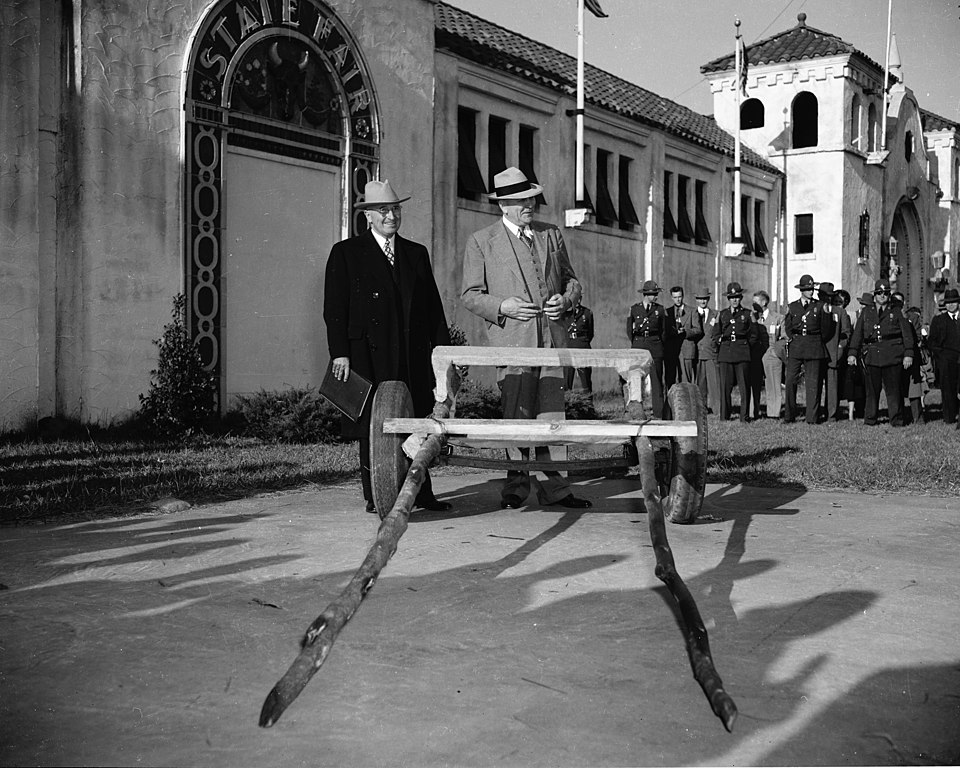
Harry Truman did not look like a giant of history when he suddenly became president. That may be what makes his toughness so striking. He stepped into the office after Roosevelt’s death and immediately faced the final stage of World War II, the atomic bomb decision, and the beginning of the postwar world.
Truman’s toughness was blunt and lonely. He had to make decisions that would be praised, condemned, debated, and studied for generations. He did not have the comfort of being universally loved or naturally glamorous.
He also stood his ground in domestic and foreign policy fights, from civil rights moves to the early Cold War. Truman’s legacy is complicated, but few presidents were thrown into heavier responsibility with less warning.
Andrew Jackson
Andrew Jackson belongs on a toughness list, but with a warning label. He survived a brutal childhood, served as a young soldier during the Revolutionary War, became a fierce military figure, and carried himself like a man who treated insults as a battlefield.
His physical toughness was real. He fought duels, survived wounds, and built a reputation as someone who would never back down. That quality made him magnetic to supporters who saw him as a rough champion of ordinary white voters against elite power.
But Jackson also shows the dark side of toughness. His defiance could become cruel, and his presidency brought lasting harm through policies such as Indian removal. He reminds us that toughness without mercy can become dangerous, especially when wielded in the most powerful office in the country.