Phone scams no longer sound like obvious tricks from a stranger in a noisy room. They now arrive with clean caller IDs, polished scripts, stolen personal details, cloned voices, and enough fear to make even careful people pause.
We are facing a scam economy built around speed. Criminals do not need victims to believe a lie forever. They only need a few panicked minutes, one shared code, one rushed bank transfer, or one payment before the victim checks the real number.
AI Voice Cloning Emergency Calls

AI voice cloning has turned the old family emergency scam into something far more disturbing. A caller may sound like a grandchild, child, spouse, or close friend, claiming there has been a crash, arrest, medical emergency, or kidnapping. The emotional hook is simple and cruel. The scammer wants the victim to be so frightened that they cannot think clearly.
The best defense is a family verification rule. We should agree on a private family code word and refuse to send money unless the caller can say it. We should also hang up and call the loved one directly using a saved number. A real emergency can survive a two-minute verification pause. A scam often cannot.
Social Security Suspension Calls
Social Security suspension calls remain one of the most frightening government impersonation scams. The caller claims that a Social Security number has been suspended, linked to a crime, or flagged due to suspicious activity. The victim is then pushed to confirm personal information, move money, or make a payment to avoid arrest.
This scam works because Social Security feels permanent and essential. Scammers know that people fear losing retirement income, disability benefits, or access to their identities. Remember one rule: Social Security will not threaten arrest, demand secrecy, suspend a Social Security number by phone, or ask for payment through gift cards, wire transfers, cryptocurrency, cash, or gold.
Fake IRS Tax Threat Calls
IRS scam calls become louder during tax season, but they do not disappear after April. The caller claims unpaid taxes, an audit problem, a refund error, or a criminal case. Then comes the pressure. Pay now, confirm your identity, or face arrest, deportation, license suspension, or legal action.
Real tax problems do not get solved through panic payments over the phone. The IRS provides taxpayers with rights, notices, and avenues to contest or appeal balances. We should treat any sudden phone demand as suspicious, especially when the caller asks for gift cards, prepaid cards, cryptocurrency, wire transfers, or payment apps. Fear is the product being sold.
Medicare Card Replacement Scams
Medicare scams often target older adults with calm, official-sounding language. The caller may say that a new Medicare card is required, that benefits are being updated, that coverage is at risk, or that a medical device can be sent free of charge. The real target is usually the Medicare number, Social Security number, bank details, or health plan information.
We should treat a Medicare number like a credit card. It can be used to bill fake services, order unnecessary equipment, or commit medical identity theft. Medicare does not need to cold-call people to ask for their numbers; it already has them. If a caller asks for Medicare details, the safest move is to hang up and call the number on the official card.
Debt Reduction Robocalls
Debt-reduction robocalls sound attractive because they promise relief at the exact moment when many households feel squeezed. The caller may say they can lower credit card interest rates, erase debt, consolidate balances, or negotiate with lenders for a fee. Some calls even mention the name of a real bank or card issuer to appear legitimate.
The danger is the upfront fee and the information grab. Scammers may collect card numbers, account login credentials, Social Security numbers, or payment information for services that never occur. We should contact our bank, card issuer, or a nonprofit credit counseling agency directly. A real financial institution does not need a surprise robocall to rescue us.
Bank Account Investigation Calls
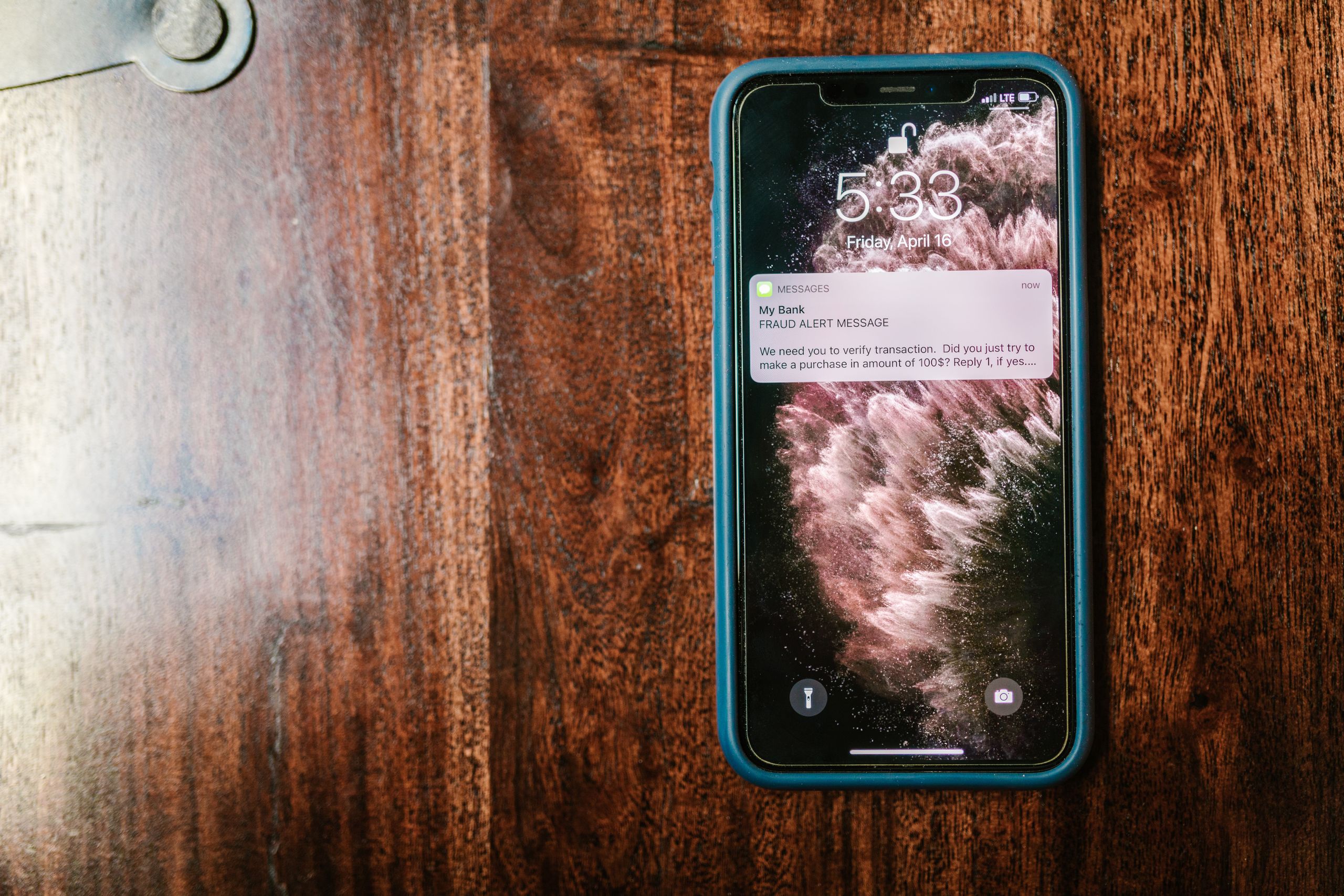
Bank account investigation scams are built around one terrifying claim. The caller says that a bank account is compromised, that a wire transfer is pending, or that criminals are using the victim’s identity. Then the scammer poses as a bank employee, federal agent, police officer, or fraud department specialist.
The instruction usually sounds protective. Move the money to a safe account. Withdraw cash. Buy gold. Keep the investigation secret. Do not tell the bank teller. These lines are red flags. No real bank or government agency asks people to move money to protect it from criminals. That request is the theft.
Gold Bar and Cash Courier Scams
Gold bar scams are among the most damaging phone scams because they often target people with savings. The caller may claim that the victim’s money is at risk due to identity theft, a hacked bank account, or a federal investigation. The victim is then told to buy gold bars, withdraw cash, or prepare valuables for pickup by a courier.
This scam feels dramatic, but the warning sign is simple. Real government agents do not ask citizens to buy gold, hand cash to couriers, or keep financial movements secret from family and banks. If someone says a courier is coming to collect money, stop the conversation immediately and contact local law enforcement through an official number.
Law Enforcement and Jury Duty Calls
Jury duty scams use authority and embarrassment. The caller claims to be from a sheriff’s office, court, or police department. They say the victim missed jury duty and now faces a fine, warrant, or arrest unless payment is made immediately. Some versions direct the victim to a fake website to enter personal information.
Courts do not handle missed jury duty through surprise payment demands over the phone. Real court systems use official notices and established procedures. Never pay a caller who threatens arrest over jury duty. The safer response is to hang up and call the local court clerk using a number found independently.
Tech Support Virus Calls
Tech support phone scams often start with a pop-up, warning message, or call claiming a computer has been infected. The scammer impersonates a well-known software company, device maker, or security service. The goal is to get remote access to the device or charge for fake repairs.
Once inside the device, scammers can steal passwords, banking details, photos, documents, and saved browser information. They may also install malware or lock the victim out. We should never call numbers from alarming pop-ups, and we should never give remote access to someone who contacted us unexpectedly. Real tech companies do not cold call people about viruses on personal computers.
Utility Shutoff Calls
Utility scams create pressure by threatening immediate disconnection. The caller says the electric, gas, water, or internet account is overdue, and service will be shut off within minutes unless payment is made right away. During storms, heat waves, cold snaps, and holiday periods, these calls become even more convincing.
A real utility company usually sends notices before disconnection and offers official payment channels. Scammers often demand prepaid cards, payment apps, wire transfers, or cryptocurrency because those payments are hard to reverse. We should hang up and call the number printed on the bill or on the official account portal.
Fake FTC and Government Refund Calls
FTC impersonation scams are especially dangerous because the FTC is known for fighting fraud. A caller may claim to be an FTC employee, privacy officer, refund agent, investigator, or fraud recovery specialist. The victim may be told they qualify for a refund, need to verify identity, or must move money to protect it.
The real FTC does not call people to demand money, request access to bank accounts, threaten arrest, or move funds into a safe government account. Scammers use official agency names because trust lowers resistance. We should treat any unexpected “government refund” or “fraud recovery” call with suspicion, especially when the caller asks for personal information.
Romance Callback Scams
Romance scams often begin online, but phone calls make them feel real. A scammer may start with a dating app, a social media message, or a wrong-number text. After a friendly conversation, they move to phone calls to build emotional trust. The voice on the line becomes familiar, patient, flattering, and believable.
The money request usually arrives after the bond has formed. It may involve a medical emergency, a travel problem, a frozen account, an investment opportunity, a customs fee, or a family crisis. We should be cautious when someone we have never met in person asks for money, financial help, crypto transfers, gift cards, or account access. Love does not require secrecy from trusted friends.
The Simple Rule That Stops Most Phone Scams
The most effective defense against phone scams is not a special app or a perfect memory. It is a pause. Scammers hate silence, verification, and second opinions because those things break the spell. A person who hangs up and checks independently becomes much harder to trap.
We should build one household rule around every unexpected call involving money, identity, benefits, medical coverage, taxes, court trouble, or family emergencies. No payment, no personal information, and no account movement until the claim is verified through a trusted number. That rule may feel small, but in 2026, it could protect an entire life savings.