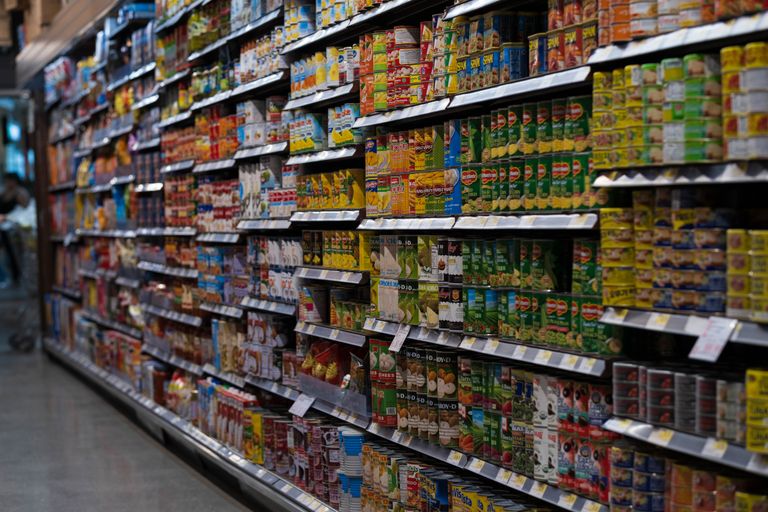
Grocery shopping has become a financial test with each trip down the aisle. A bottle here, a jar there, a bakery treat near the checkout, and the total climbs quickly. Many packaged foods seem convenient, but often come at a premium for water, salt, sugar, packaging, branding, and recipes we could easily make at home.
The good news is simple: instead of preparing every meal from scratch, you only need to focus on certain foods where homemade versions deliver the greatest savings and quality. By recognizing which pantry staples, sauces, breads, snacks, and meal helpers offer the most value when made at home, you’ll stretch your budget further and enjoy fresher, more flavorful results.
Homemade Salad Dressing Saves Money Bottle by Bottle
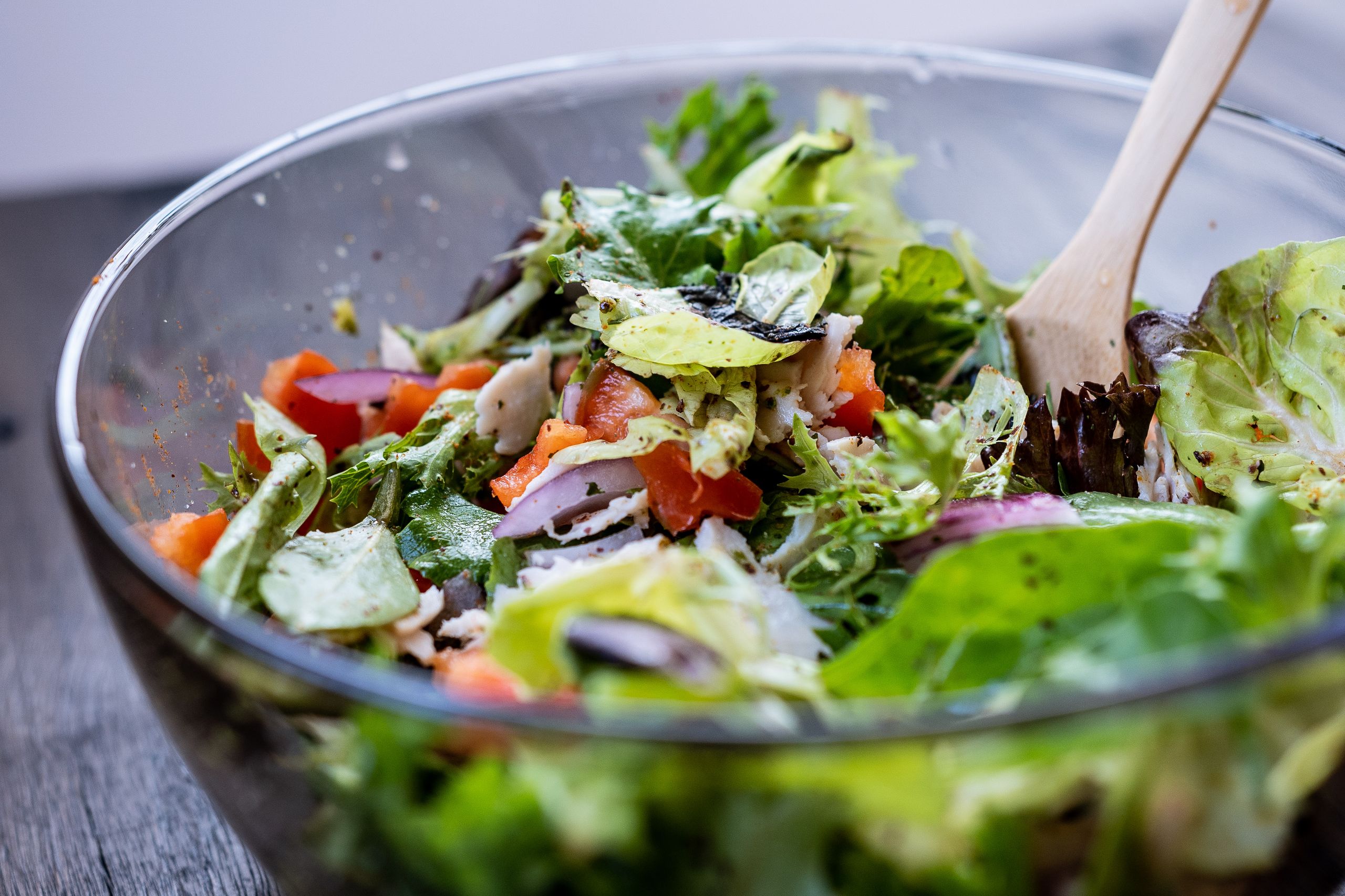
Salad dressing is one of the easiest grocery items to stop buying. Most basic dressings begin with oil, vinegar, or lemon juice, salt, pepper, and a flavor booster such as mustard, honey, garlic, herbs, or yogurt. Once we learn the basic ratio, we can make vinaigrettes, creamy dressings, ranch-style blends, and honey mustard in minutes.
The biggest advantage is freshness. Bottled dressings can taste heavy because they often rely on stabilizers, added sugars, and extra salt to keep them shelf-stable. Homemade dressing tastes brighter because the acid, herbs, and seasoning stay sharp. We can make a small jar for the week, shake it before serving, and avoid half-used bottles collecting in the refrigerator door.
Red Pasta Sauce Turns Cheap Pantry Staples Into Dinner
A good red pasta sauce does not need to come from a jar. Canned tomatoes, garlic, onion, olive oil, dried herbs, and a pinch of salt can become a rich sauce with very little effort. We can simmer it gently for a deeper flavor or keep it quick for a weeknight dinner.
Homemade pasta sauce stretches beautifully ;one batch can cover spaghetti, lasagna, baked ziti, meatball subs, homemade pizza, and shakshuka-style eggs. Store-bought jars are convenient, but rarely give us the same control over sweetness, acidity, spice, and texture. When we make it ourselves, we can keep it chunky, blend it smooth, add vegetables, or stir in cream for a softer finish.
Guacamole From Scratch Beats the Plastic Tub
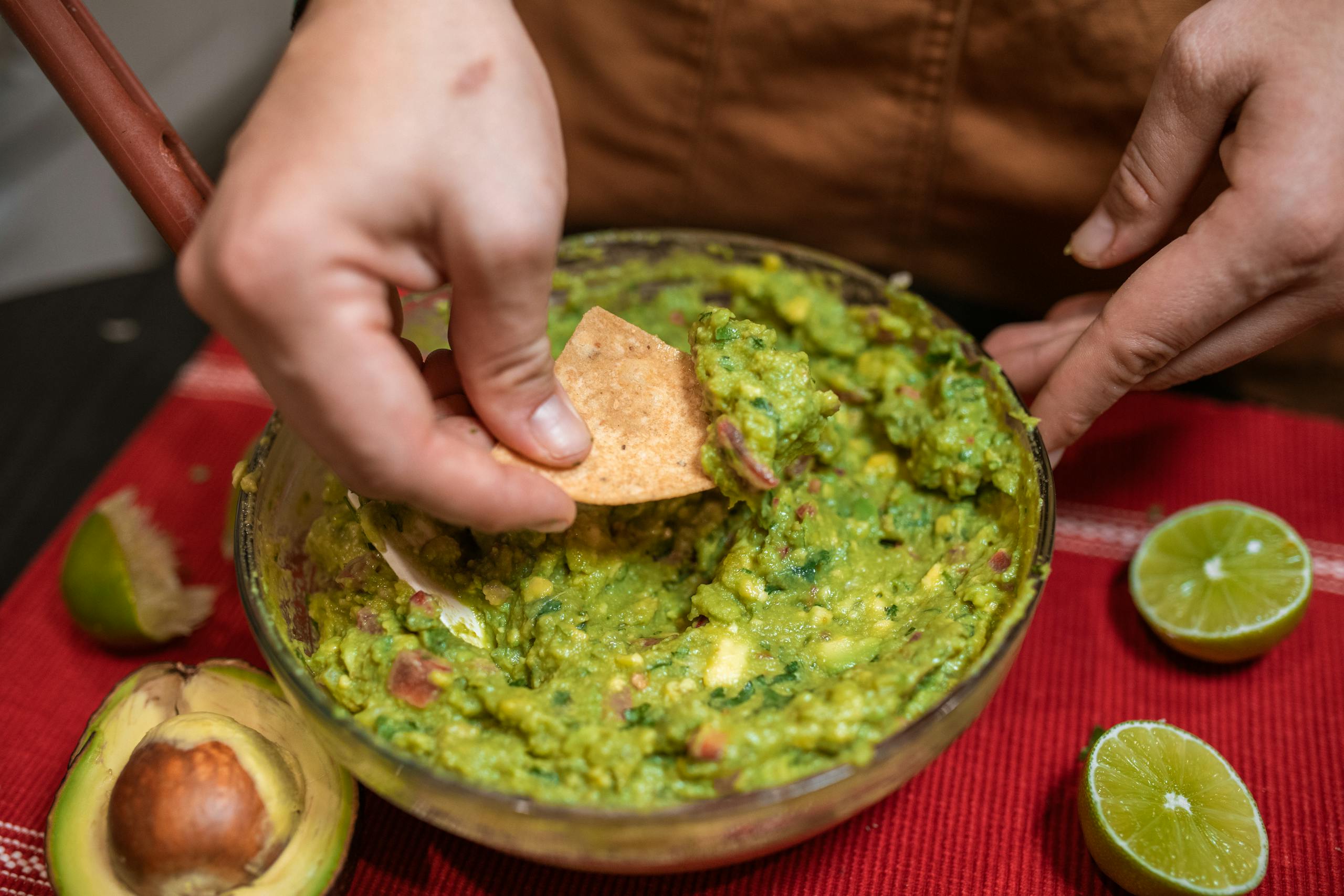
Guacamole often costs more when pre-made, especially for the amount provided. At home, ripe avocados, lime juice, salt, onion, cilantro, tomato, and a little jalapeño come together to make a fresh bowl in minutes. We can make it chunky, smooth, mild, spicy, citrusy, or extra savory.
The homemade version also lets us avoid the common disappointment of store-bought guacamole that tastes flat or overly preserved. Fresh avocado has a creamy richness that needs little help. When we make guacamole ourselves, we can serve it immediately with chips, tacos, toast, rice bowls, burgers, or grilled chicken.
Homemade Pizza Dough Makes Takeout Less Tempting
Pizza dough is one of those foods that seems more difficult than they are. Flour, yeast, water, salt, and a little oil can create a soft, chewy base for homemade pizza. Once we understand the process, we can make dough ahead, refrigerate it, freeze it, or portion it for quick dinners.
The real savings come from turning leftovers into toppings. A bit of roasted chicken, half a bell pepper, extra cheese, mushrooms, spinach, or sauce from the fridge can become a full meal. Store-bought frozen pizzas and takeout orders add up quickly. Homemade pizza dough gives us a cheaper base and lets us build a pizza that actually matches our taste.
Easy Homemade Bread Makes the Kitchen Work Harder for the Budget
Bread is a staple that can quietly drain money when we buy specialty loaves, rolls, buns, and bakery-style bread every week. Homemade bread uses basic ingredients and can cost significantly less per loaf than store-bought alternatives. Many beginner recipes do not require advanced baking skills; flour, yeast, water, salt, and patience do most of the work.
The reward is bigger than savings. Homemade bread smells warm, tastes fresh, and can be sliced for toast, sandwiches, garlic bread, croutons, bread pudding, and breakfast casseroles. We can also control the loaf size and avoid wasting bread that goes stale before we finish it. Even one homemade loaf a week can make the grocery routine feel more practical and more satisfying.
Yogurt Made at Home Cuts Packaging and Added Sugar
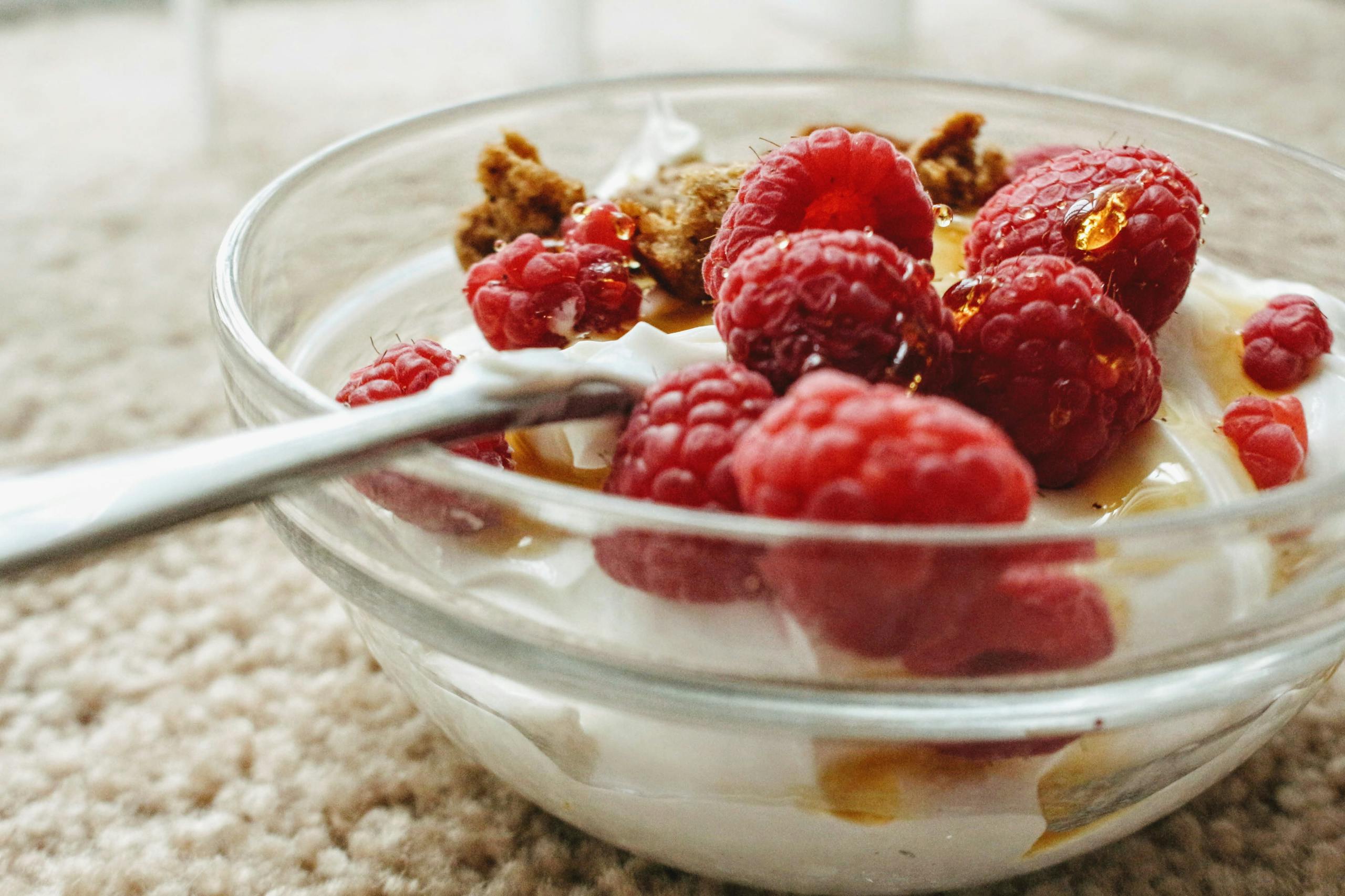
Homemade yogurt sounds fancy until we realize it only needs milk and a small amount of plain yogurt with live cultures. Store-bought yogurt often includes packaging and added ingredients that increase the price per serving, while homemade yogurt uses more cost-effective components prepared at home.
This is one of the best homemade swaps for households that eat yogurt often. We can control the sweetness, skip artificial flavors, add fruit, stir in honey, or use it in smoothies, sauces, marinades, overnight oats, and baked goods. Store-bought flavored yogurt often comes with more sugar than many people expect. Homemade yogurt gives us a cleaner base that can move from breakfast to dinner without feeling limited.
Tortillas From Scratch Make Simple Meals Feel Fresh
Tortillas are easy to overlook because they seem cheap at the store. The problem is that store-bought packs can dry out, crack, or taste bland. Homemade flour tortillas are made with simple ingredients: flour, fat, salt, baking powder, and warm water. Corn tortillas can be made with masa harina, water, and salt.
Fresh tortillas change the whole meal. They are softer, warmer, and more flexible than many packaged versions. We can use them for tacos, wraps, quesadillas, breakfast burritos, enchiladas, and quick flatbread-style lunches. When we make them at home, we can cook only what we need and keep the dough or balls ready for later.
Chicken Stock Turns Scraps Into Liquid Gold
Chicken stock is one of the smartest ways to use food that might otherwise get tossed. By making stock at home with scraps, we avoid paying for the markup in store-bought cartons, creating a rich, low-cost base for soups, rice, and sauces. A homemade batch can be frozen in containers or ice cube trays for easy use.
Store-bought stock often contains more salt than we want, and many cartons taste thin. Homemade chicken stock delivers deeper flavor because it captures the slow-cooked richness of bones and aromatics. We also reduce waste by using food scraps that still have value. It is a small kitchen habit that makes future meals taste more expensive than they are.
Cranberry Sauce Is Too Easy to Buy in a Can Forever
Cranberry sauce is one of the simplest holiday foods to make from scratch. Fresh or frozen cranberries, sugar, orange juice, water, and a pinch of salt can become a bright sauce after a short simmer. The berries burst, the mixture thickens, and the flavor becomes tart, sweet, and lively.
Homemade cranberry sauce also works beyond the holiday plate. We can spread it on turkey sandwiches, spoon it over yogurt, serve it with cheese, swirl it into oatmeal, or use it as a glaze for roasted meats. Canned cranberry sauce has nostalgia, but homemade sauce offers more texture, better flavor, and the option to adjust the sweetness.
Brownies and Baked Goods Taste Better Without the Bakery Price
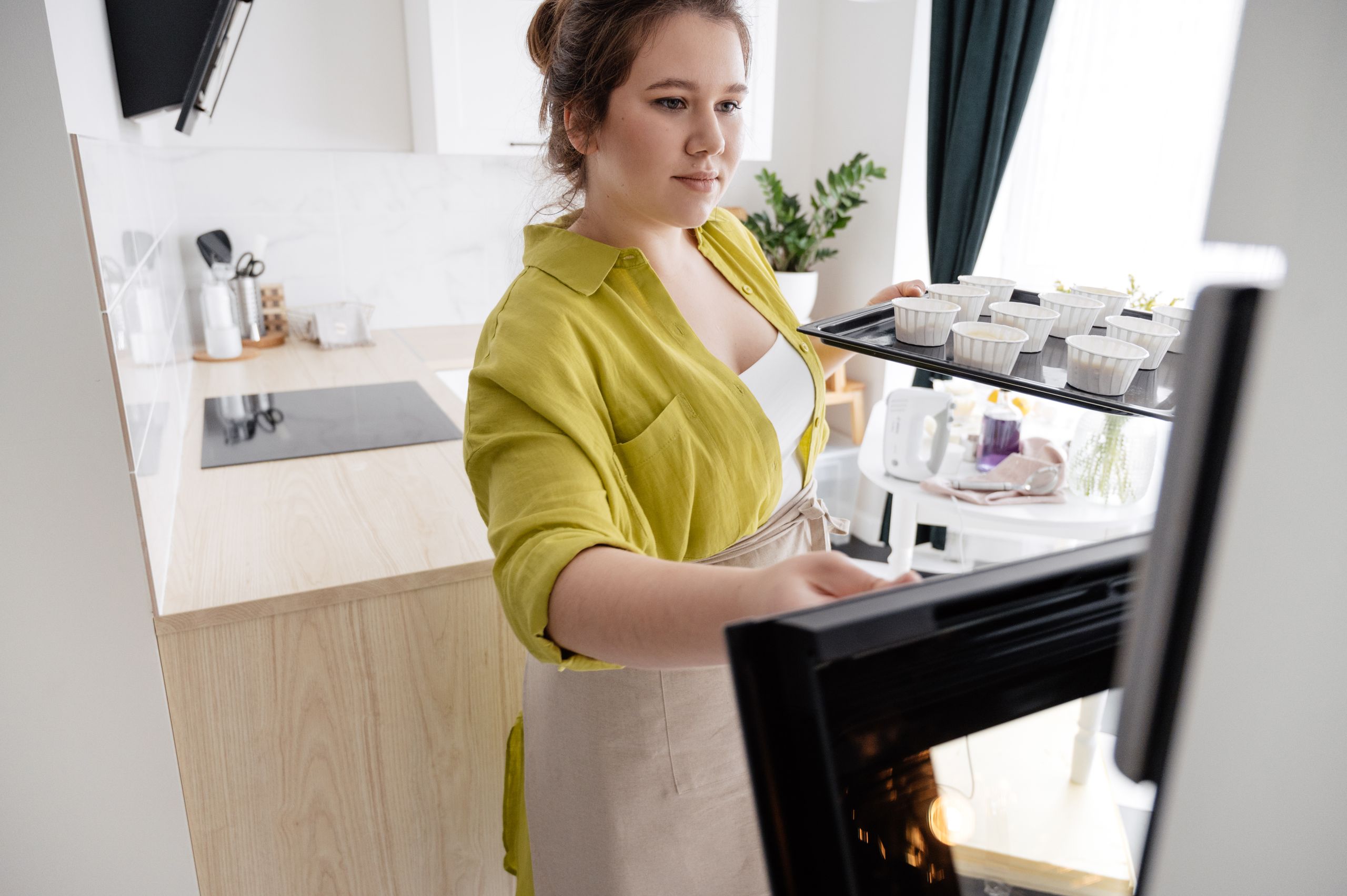
Brownies, muffins, cookies, quick breads, and cakes are often cheaper when made at home, especially when we already have flour, sugar, cocoa, baking powder, eggs, and butter or oil. Boxed mixes can be helpful, but a fully homemade batch gives us more control over richness, sweetness, and texture.
Homemade baked goods also let us use what we have on hand. Overripe bananas become banana bread, extra oats become cookies, leftover chocolate becomes brownies, and seasonal fruit becomes muffins or cobbler. Store-bought bakery treats can be expensive per serving and may not always taste fresh. Baking at home gives us warmer flavor, better portions, and the comfort of a kitchen that smells like dessert.
Pancake and Waffle Mix Is Better Built From Pantry Staples
Pancake mix is one of those products that mostly packages ingredients that many kitchens already have. Flour, baking powder, salt, sugar, milk, eggs, and butter can make fluffy pancakes without a boxed mix. We can also prepare a dry mix in advance and store it in a jar for busy mornings.
Homemade pancakes and waffles give us more flexibility. We can add cinnamon, vanilla, oats, blueberries, mashed banana, chocolate chips, or whole wheat flour. We can make a large batch and freeze extras for quick breakfasts. Instead of paying for a box that still requires wet ingredients, we can build a better version from the pantry.
Granola Becomes Cheaper When We Skip the Tiny Bag
Granola can be surprisingly pricey, especially when sold in small bags with premium branding. At home, rolled oats, oil, honey or maple syrup, nuts, seeds, coconut, cinnamon, and dried fruit can be combined to make a big batch. We can bake it until crisp and store it for breakfasts and snacks.
The homemade version helps us control both cost and sweetness. Many packaged granolas taste more like dessert than breakfast. When we make it ourselves, we can use less sweetener, more oats, and the exact nuts or seeds we already enjoy. It works on yogurt, smoothie bowls, fruit, oatmeal, or straight from the jar as a crunchy snack.
Conclusion
Homemade food saves the most money when the store-bought version is mostly packaging, branding, salt, sugar, water, or convenience. Sauces, dressings, breads, doughs, mixes, stocks, dips, and baked goods are some of the best places to start. These foods often use low-cost ingredients, stretch across several meals, and taste fresher when made at home.
The smartest approach is not to make everything from scratch. We should make the foods that give us the biggest payoff with the least stress. A jar of homemade dressing, a batch of red sauce, a loaf of bread, or a container of chicken stock can quietly lower the grocery bill and make everyday meals feel more thoughtful, flavorful, and satisfying.