A small Chihuahua can carry a story much bigger than his body. That is what makes Chiwee’s adoption story so touching, strange, and oddly funny. We often think of rescue dogs as animals starting over from zero, but sometimes they arrive with a whole past life tucked into their habits, their posture, and the quiet little ways they move through a home.
Chiwee became the kind of pet story people cannot scroll past because his new family did not just adopt a dog. They adopted a mystery. After his former owner passed away, the tiny Chihuahua moved into a new home, and his adopters slowly realized he did not behave like the average small dog. He was quiet, light on his feet, oddly graceful, and fond of sitting in a position many cat owners know too well.
The Rescue Chihuahua Who Arrived With a Hidden Past
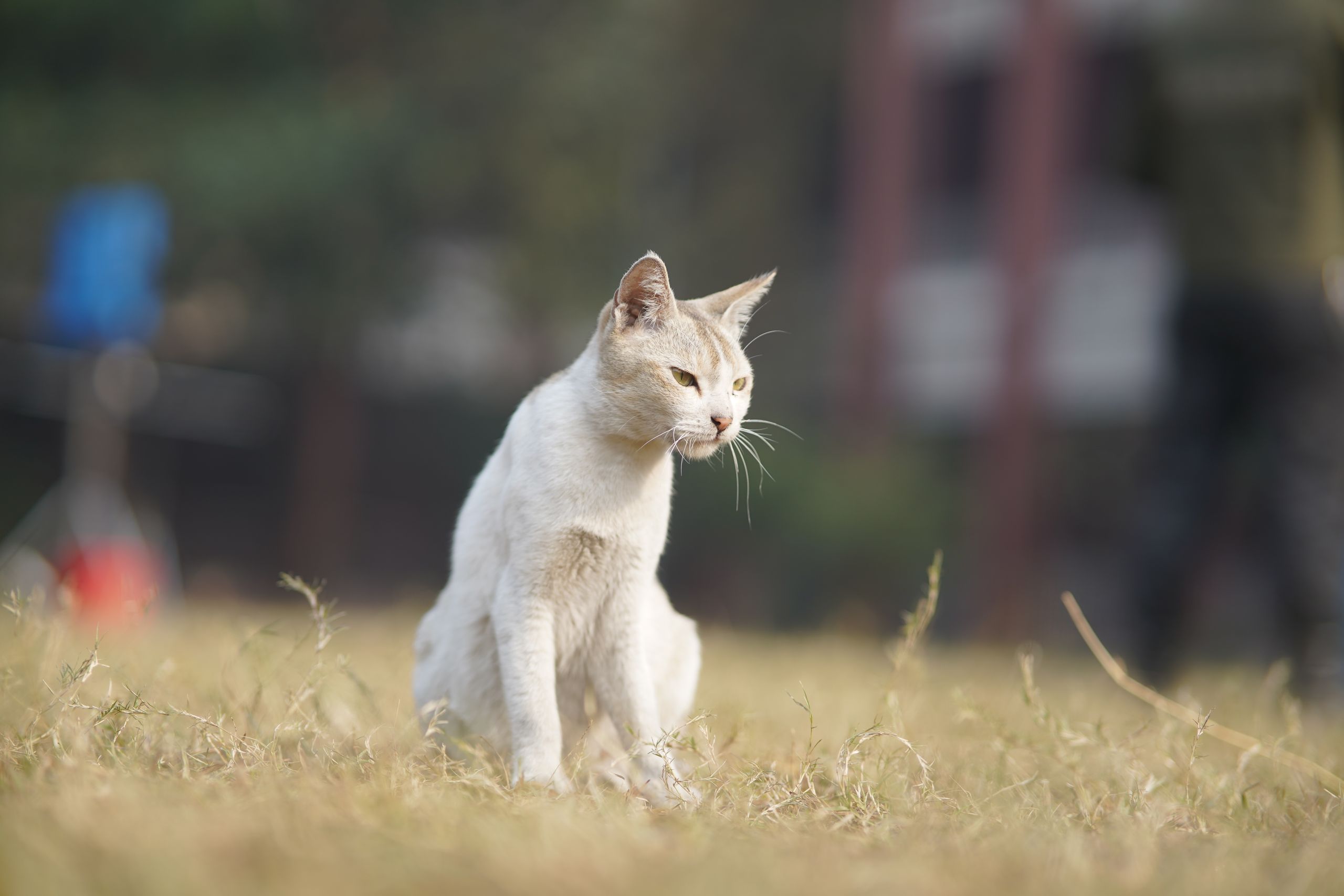
Chiwee’s story began with loss, but it did not end there. After his previous owner died, the small Chihuahua needed a new home, and his new family gave him the second chance every older or displaced pet deserves. At first, nothing about the adoption sounded especially unusual. He was small, reserved, and adjusting to a household that was not the one he had always known.
Then the little details started to pile up. Chiwee did not move through the house like a noisy, attention-demanding dog. He stayed quiet, even during play. He seemed to glide more than stomp, and his family noticed that he could jump higher than expected for a dog of his size.
The moment that made people look twice came when Chiwee sat with his front paws tucked neatly under his body. Cat owners call that pose a loaf because the animal looks like a compact loaf of bread resting on the floor. Dogs can curl up in many ways, but this tidy paw-tucked posture looked so feline that Chiwee’s new family could not ignore it.
The Viral Loaf Pose That Made Everyone Ask the Same Question
The internet loves a pet that breaks the rules in the gentlest way possible. Chiwee did exactly that. A video showed him sitting on the stairs with his paws tucked under him like a cat watching the room from a quiet perch. It was not dramatic. It was not loud. That was the charm.
The pose gave viewers a simple question to argue over with a smile. Was Chiwee just comfortable, or had he learned something from a cat in his former home? The answer became more interesting when his adopters received old photos from his previous owner’s family. Those photos revealed that Chiwee had lived around other pets, including a cat.
That detail changed the whole story. Suddenly, the loaf no longer looked like a random quirk. It looked like a small clue from an earlier chapter of his life. We see a dog sitting quietly on the stairs, but his body may be remembering a household rhythm shaped by another animal.
Why His Cat-Like Habits Felt Bigger Than One Funny Video
Chiwee’s loaf pose was only the beginning. His adopters also noticed that he stayed remarkably quiet. Even when he played, he did not make much noise. That kind of silence stood out because many Chihuahuas are known for being alert, expressive, and quick to announce themselves.
His movement added to the mystery. He was light, careful, and surprisingly athletic. Then came the bathroom incident that turned the family joke into a household theory. During bath time, his owner briefly stepped away, and when she returned, Chiwee had somehow climbed into the sink.
That is the kind of behavior many people would expect from a cat, not a tiny dog trying to avoid a bath. The sink moment made his family wonder if Chiwee had absorbed more than companionship from the cat he once lived with. Maybe he had learned where to perch, how to move, and how to vanish upward when the situation called for it.
Can a Dog Actually Learn Cat Behavior?
Dogs do not become cats because they live with cats, but they can learn from the animals around them. We should not treat Chiwee’s behavior like proof that he copied every feline habit in his old home. Still, dogs are highly observant social animals, and they often adjust their behavior based on the routines, reactions, and movements they see in a household.
That matters because a home is a learning environment. A dog notices where other animals sleep, how they respond to noise, how they approach people, and how they settle into safe spaces. If a cat spends years curling into compact poses, moving silently, and jumping onto surfaces, a small dog raised nearby may become comfortable around those same patterns.
Chiwee’s story works because it sits in that sweet spot between science and personality. We cannot say he learned his loaf pose directly from a cat. We can say that his early environment likely shaped how he moved, rested, and responded to the world around him.
Early Social Life Can Shape a Dog for Years
A dog’s early experiences can leave lasting marks. Puppies learn about people, other dogs, home routines, sounds, surfaces, and safe spaces during their most sensitive developmental period. Even after that window closes, dogs continue to learn, but early exposure can make certain experiences feel normal for the rest of their lives.
That helps explain why dogs raised around cats may behave differently from dogs that never shared space with them. A puppy who grows up near calm cats may become used to slower greetings, shared resting spots, elevated surfaces, and quiet movement. A dog who grows up in a loud, busy, dog-only setting may develop a very different style.
Chiwee’s past gives his new family a better way to understand him. His odd little habits are not just internet content. They are traces of a home he lost, an owner he once knew, and the animal companions who may have helped shape his personality.
Why Chihuahuas Make This Story Even More Charming
Chihuahuas already live with a funny contradiction. They are tiny dogs with bold personalities, and their size often makes their behavior look even more dramatic. A large dog climbing onto furniture may look clumsy. A Chihuahua appearing in a sink can look like a magic trick.
The breed’s small frame also makes cat-like behavior seem more believable. Chiwee can’t tuck himself into compact spaces. He can sit in a chair without looking awkward. He can move through a room with the quiet precision people usually associate with smaller animals.
That does not mean all Chihuahuas are secretly feline. It means Chiwee’s body size, past environment, and gentle personality created the perfect combination. He had the scale of a cat, the history of living with one, and the strange little habits to make the internet fall in love.
Adoption After an Owner Dies Comes With Emotional Layers
When a pet loses an owner, adoption is not just a cute rescue moment. It is a major emotional transition. The animal may lose a familiar voice, a daily schedule, favorite resting places, and other pets from the same home. A new family may offer safety, but the pet still has to rebuild trust in a world that suddenly feels different.
That is why old photos can matter so much. For Chiwee’s adopters, the pictures from his previous life did more than explain a funny habit. They gave his new family context. They showed that he had once belonged somewhere, had shared a bed with another animal, and had lived within a relationship that mattered.
We often talk about adoption as a fresh start, but for many pets, it is also a continuation. Chiwee did not arrive as a blank slate. He arrived with memories written into his body language, and his new family cared enough to read them.
The Quiet Signs That Help New Owners Understand Rescue Dogs
Newly adopted dogs do not always reveal themselves quickly. Some bark. Some hide. Some sleep more than expected. Some act polite for weeks before their real personality comes out. The first stage of adoption often looks less like instant bonding and more like careful observation.
Chiwee’s new family did the most important thing adopters can do. They paid attention. They noticed his silence, his jumping, his tucked paws, and his strange escape into the sink. Instead of treating those habits as random, they connected them to his history.
That kind of attention builds trust. Rescue dogs need food, vet care, and a safe bed, but they also need people willing to learn their language. Sometimes that language is a wagging tail. Sometimes it is a tucked paw loaf on the stairs.
Why Pets Pick Up Household Culture
Every home has a culture. Some homes are loud and playful. Some are calm and routine-driven. Some revolve around sofas, sunny windows, shared beds, and quiet companionship. Pets absorb those patterns more than many people realize.
A dog that lives with cats may learn that silence gets rewarded. A cat that lives with dogs may become more social or playful. Animals do not need human words to understand patterns. They watch movement, tone, space, and reactions.
That makes Chiwee’s behavior feel less mysterious and more meaningful. He may not think he is a cat. He may simply be a dog whose idea of comfort was shaped by years of watching one.
What Chiwee Teaches Us About Second-Chance Pets
Chiwee’s story is sweet because it reminds us that rescue pets are not broken objects waiting to be fixed. They are living histories. Their habits may be funny, confusing, or unexpected, but they often stem from somewhere.
A dog that sits like a cat may be carrying the memory of a feline friend. A quiet dog may be adjusting to change with caution. A small pet who climbs into a sink during bath time may be showing cleverness, fear, or both. The point is not to turn every behavior into a diagnosis. The point is to stay curious.
We love stories like Chiwee’s because they soften something hard. A previous owner died, a small dog lost the only home he knew, and yet a new family gave him room to become himself again. In return, he gave them a mystery, a laugh, and a little loaf-shaped reminder that pets never arrive without a past.