An American can fill up the car, complain about grocery prices, argue about politics, and still assume the rest of the world wants what America has. That belief is comfortable. It is also incomplete.
Outside the United States, America often looks less like a dream and more like a contradiction. It sells freedom while backing unpopular wars. It promotes opportunity while showing the world homelessness, medical debt, school shootings, and political chaos on every screen.
That does not mean the world hates every American. Millions of people still admire American music, movies, universities, technology, and individual freedom.
But admiration and resentment can live in the same room. America remains powerful, loud, wealthy, and unavoidable, and that is exactly why so many people around the world have complicated feelings about it.
America Preaches Freedom but Often Looks Chaotic

America’s strongest global brand has always been freedom. The country tells the world that democracy, speech, choice, and rights matter. Many people still respect that ideal, especially in countries where open criticism can carry real danger.
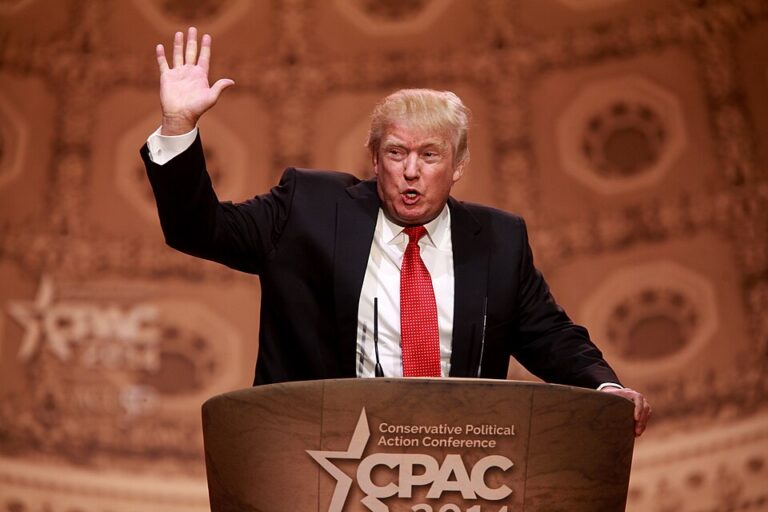
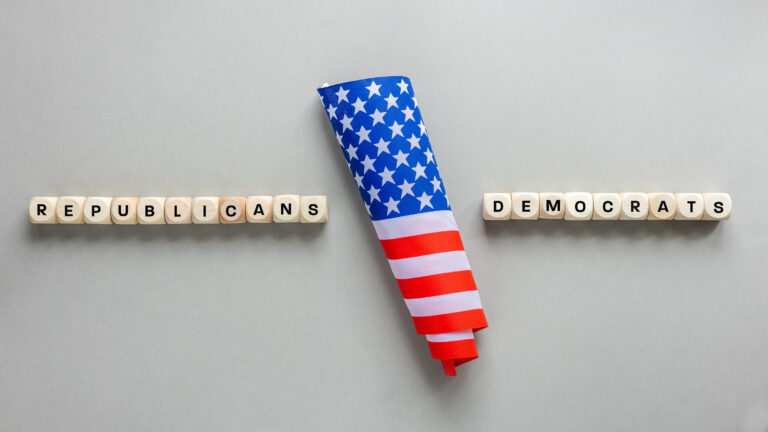
The problem is that America’s own politics now look unstable to many outsiders. Election fights, court battles, government shutdown threats, violent rhetoric, and nonstop partisan outrage make the country seem less like a model and more like a warning. When a nation lectures others about democracy while struggling to manage its own divisions, resentment grows fast.
U.S. Politics Feels Too Loud to Ignore
Many countries can choose to ignore another nation’s political drama. America does not give them that luxury. A U.S. election can affect currencies, wars, trade, climate policy, migration rules, and military alliances across the planet.
That global reach frustrates people who cannot vote in American elections but still live with the consequences. A political fight in Washington can change food prices, security arrangements, or aid decisions thousands of miles away. That imbalance makes America feel less like a partner and more like a landlord with emotional problems.
The Military Footprint Looks Like Control
America often views its military presence as protection, deterrence, or alliance support. Many allies depend on it, and some countries actively want U.S. forces nearby because they fear larger regional powers. That is the part Americans often understand.
What they may miss is how that presence can look from the other side. Bases, drone strikes, weapons sales, sanctions, and military interventions can feed the belief that America uses force to shape the world in its own image. SIPRI reported that the United States accounted for 37% of global military expenditure in 2024, a number that makes U.S. power impossible to ignore.
The World Sees the Wealth and the Suffering
America is one of the richest countries on Earth, and that makes its domestic pain more confusing to outsiders. People see billionaires, giant tech companies, luxury neighborhoods, and record-breaking corporate wealth. Then they also see tent cities, medical fundraisers, student debt, and families working multiple jobs.
That contrast creates a harsh global judgment. If a country has that much money and still leaves so many people struggling, critics ask what kind of system it is exporting. America’s poverty, health care fights, and housing crisis do not stay inside its borders anymore. They travel through TikTok, YouTube, documentaries, and news clips.
Foreign Policy Often Feels Selective
America regularly speaks about human rights, international law, and democracy. Those values matter, and many people across the world want the U.S. to defend them. The resentment starts when America appears selective about where those values apply.
Critics point to moments when Washington condemns one government but protects another ally accused of similar behavior. That double standard can make American moral language sound strategic instead of sincere. The more America presents itself as the global referee, the angrier people get when it seems to change the rules for friends.
American Culture Can Feel Everywhere at Once
Hollywood, Netflix, hip-hop, fast food, sneakers, tech platforms, and American slang have shaped global culture for decades. Many people enjoy that influence. They quote American movies, follow American celebrities, wear American brands, and use American apps every day.
But cultural dominance can also feel suffocating. Local artists, languages, traditions, and businesses sometimes feel pushed aside by the American machine. Resentment grows when a country’s culture is admired, copied, and consumed everywhere, yet people feel their own identity must fight harder to survive.
The Economy Feels Rigged Around U.S. Power
The U.S. dollar plays a central role in global finance, and American markets can shake economies far beyond U.S. borders. Decisions by the Federal Reserve can affect borrowing costs, currencies, debt payments, and inflation in countries that had no say in those decisions.
That creates a quiet anger. Many Americans feel trapped by their own economy, but the rest of the world can feel trapped by it, too. When America raises rates, changes trade rules, or imposes sanctions on a country, the effects can hit workers, importers, families, and businesses far from Washington.
Climate Promises Often Sound Late
America has produced enormous wealth through decades of industrial growth, consumption, and energy use. Many poorer nations see that history clearly. They also see themselves facing floods, heat waves, droughts, and food shocks that they did far less to create.
That is why American climate messaging can sound late or hollow overseas. People hear promises, then watch political fights weaken or delay action. When a rich country asks others to sacrifice while it continues to consume heavily, frustration is predictable. The anger is not just about emissions. It is about fairness.
Global Respect Is Slipping in Plain Sight
America still has enormous influence, but public confidence in U.S. leadership has taken real hits. Pew found that views of the United States declined in many countries in its 2025 survey, with confidence in American leadership sharply shaped by politics and foreign policy, which in turn affects America’s global image.
Gallup reported that median approval of U.S. leadership fell from 39% in 2024 to 31% in 2025, while disapproval rose to a record high. That does not mean America has lost the world. It means the old assumption that America naturally commands respect has become harder to defend.
Aid Can Look Generous and Self-Interested
America provides substantial foreign aid, and that support can save lives, fund health programs, stabilize food systems, and respond to disasters. Many countries benefit from it, and many Americans support helping vulnerable people abroad.
Still, aid can create resentment when people see it as conditional, political, or tied to U.S. influence. OECD data also showed a major drop in official development assistance in 2025, including a sharp decline in U.S. support through foreign aid. When America presents itself as generous but pulls back when politics change, is it any surprise that some countries question the promise?