We like to think our hands are mostly clean, but everyday surfaces are silently hosting bacteria and viruses. Touching them without washing leaves germs lingering long after contact. From the obvious to the surprisingly mundane, some items in our daily environment pose higher contamination risks than expected. Knowing what these hidden hotspots are is essential to keeping yourself and your loved ones safe.
Kitchen Sponges
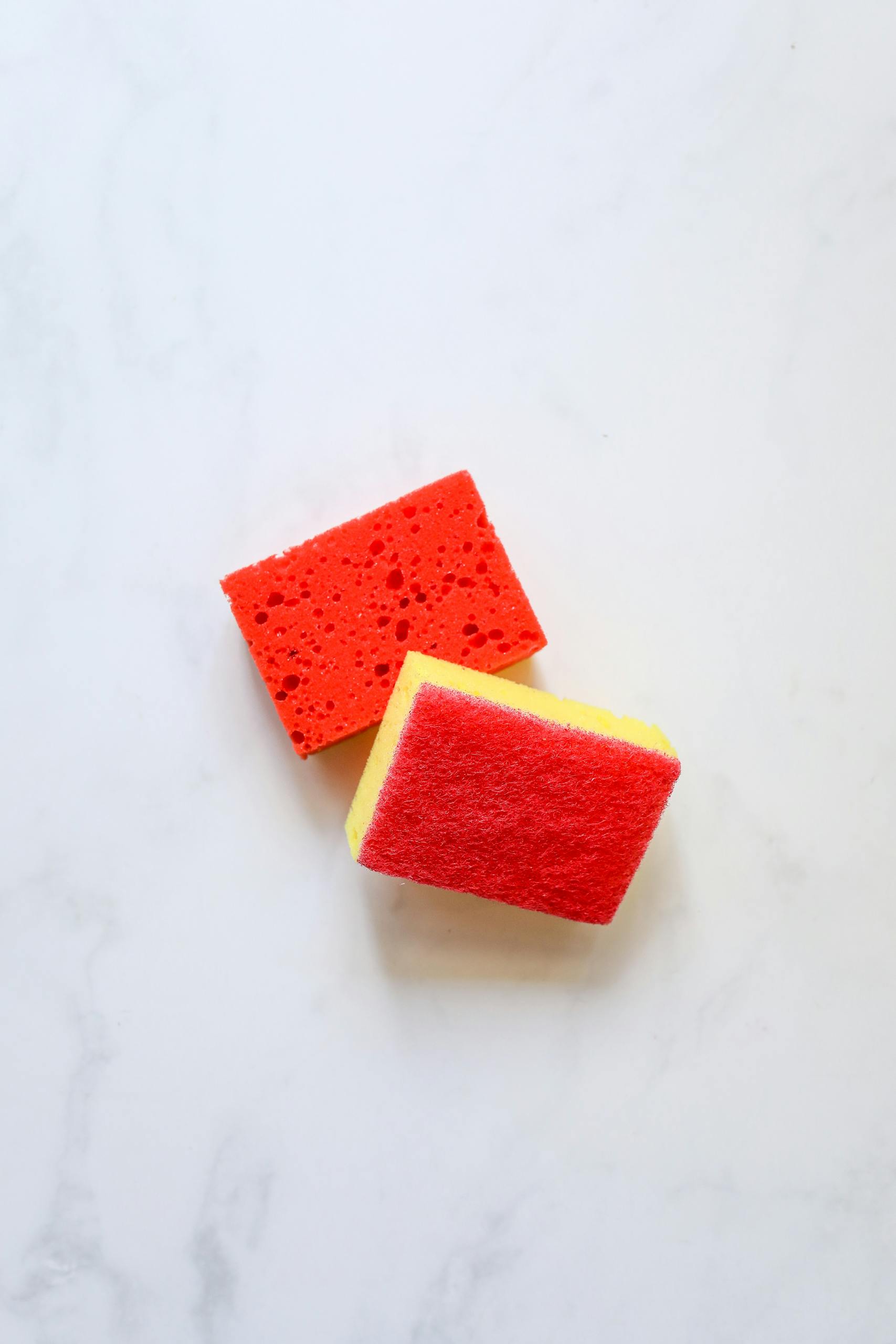
Kitchen sponges are notorious germ collectors. Warm, damp conditions make them ideal breeding grounds for bacteria, mould, and even viruses. Using a sponge without cleaning or replacing it frequently can spread germs across countertops, dishes, and utensils. This hidden contamination hotspot can turn routine kitchen tasks into exposure points for illness if hands are not washed immediately after handling.
Cutting Boards
Even when used correctly, cutting boards carry a heavy microbial load. Raw meats, vegetables, and unwashed foods leave bacteria behind, some of which can survive multiple washes. Handling a cutting board without washing hands can transfer pathogens to other surfaces or foods, increasing the risk of gastrointestinal infections. Cross-contamination is common and requires vigilance in cleaning practices.
Refrigerator Handles
Refrigerator handles are touched multiple times a day, often with unwashed hands. They pick up germs from groceries, spills, and dirty fingers, making them hotspots for bacteria. This simple high-contact surface can spread microbes throughout the kitchen if not cleaned regularly. Washing hands immediately after contact is essential to prevent these unseen transfers.
Bathroom Faucets
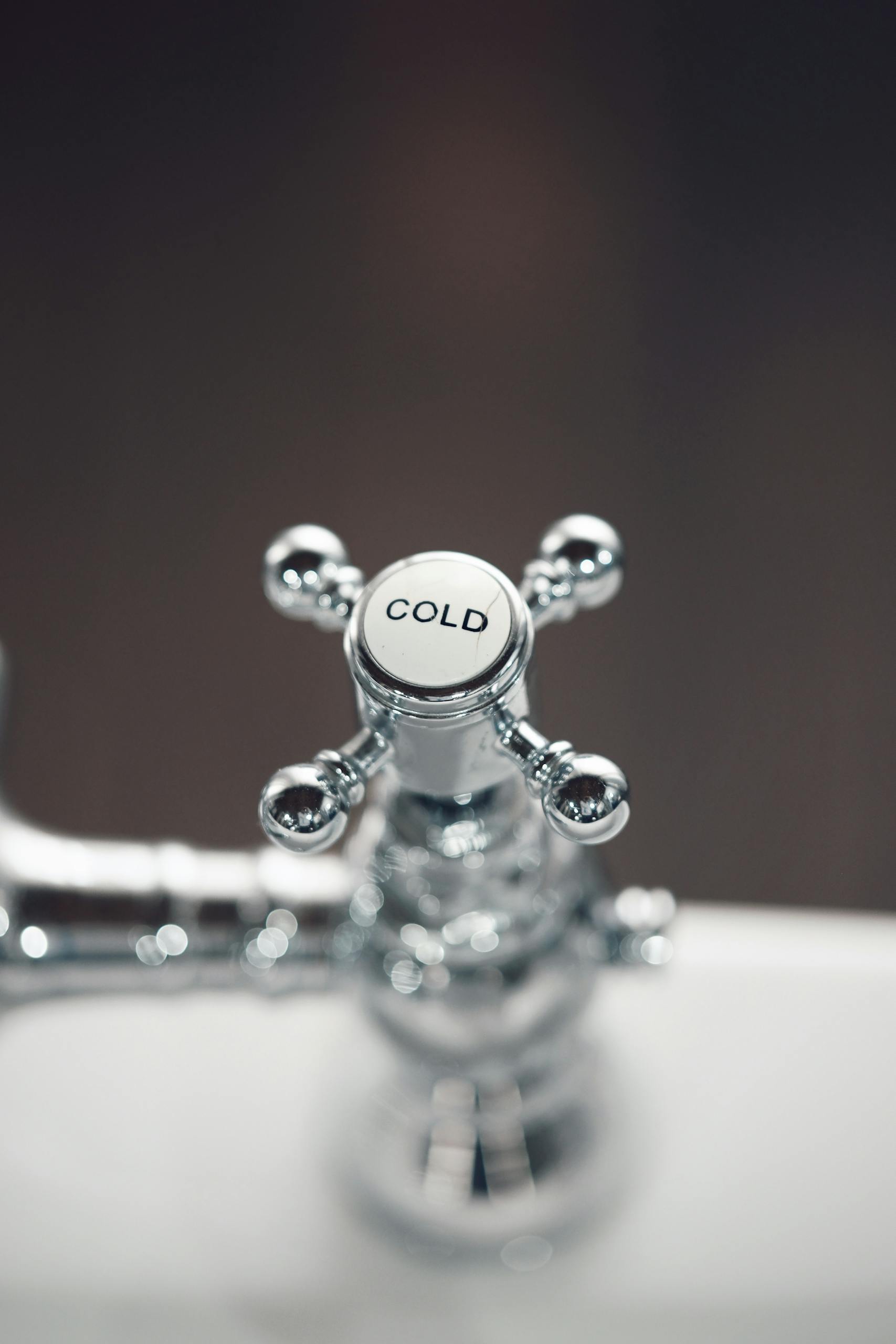
Bathroom faucets harbour germs despite appearances. Frequent use by multiple household members spreads bacteria, while water alone doesn’t remove pathogens. Handling the faucet after washing hands can re-contaminate them if the surface is ignored. Cleaning faucets and being mindful of contact reduces the risk of carrying microbes elsewhere in the home.
Elevator Buttons
Elevator buttons are touched by countless strangers daily, picking up bacteria, viruses, and even cold-causing pathogens. The small surface area means germs concentrate easily, making hands the primary vectors of spread. Using hand sanitiser or washing immediately after touching these high-traffic buttons is critical to avoid transferring microbes to your face or personal items.
ATM Keypads
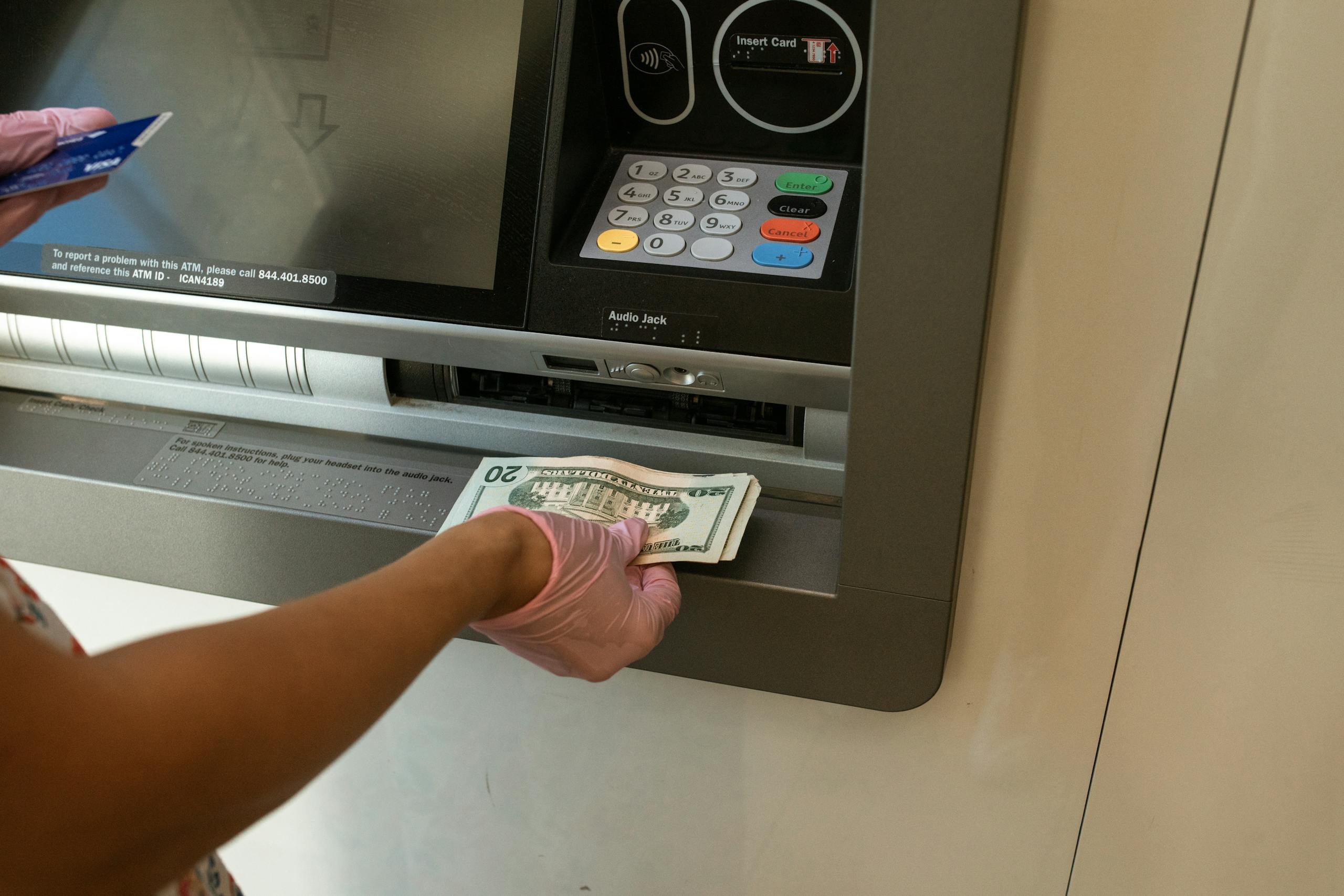
ATM keypads experience heavy traffic and rarely receive cleaning. Fingerprints deposit oils, germs, and viruses that can survive for hours. Using cash machines without washing hands afterwards poses a significant risk of contamination. Touching your phone, wallet, or face after this contact can quickly turn a routine errand into a germ exposure event.
Shopping Carts
Shopping carts carry bacteria from produce, meat, and other shoppers’ hands. Grabbing the handle can expose you to a range of microbes, including those responsible for stomach and respiratory illnesses. Wiping the handle with sanitiser wipes and washing hands after grocery trips is essential for minimising contamination from this common public surface.
Public Transportation Poles
Subway and bus poles are touched by hundreds of commuters daily, becoming hotspots for bacteria and viruses. Even brief contact can leave germs on hands, which then spread rapidly to personal items or food. Being mindful of hand hygiene and using sanitiser immediately after holding onto these poles reduces the risk of illness from these unavoidable public surfaces.

Remote Controls
Remote controls are shared frequently and rarely cleaned. Each touch deposits skin oils and microbes that accumulate over time. When someone eats or touches their face after using a remote, they risk transferring bacteria. Regularly wiping remotes and washing hands after use is key to keeping this household item from becoming a germ vector.
Computer Keyboards
Keyboards are touched continuously, often without washing hands beforehand. Typing, eating at the desk, and touching shared devices all contribute to bacterial build-up. Handling keyboards without proper hygiene can easily transfer microbes to your face, phone, or other surfaces, making them a hidden but significant source of contamination.
Gym Equipment
Gym equipment is exposed to sweat, skin bacteria, and shared contact from multiple users. Machines, mats, and weights can carry pathogens that can survive for hours. Touching equipment without cleaning hands afterwards spreads germs quickly. Handwashing or sanitiser use is critical after workouts to avoid bringing unwanted microbes home.
Conclusion
Everyday items we interact with without thinking can host dangerous microbes, turning routine actions into hidden risks. From kitchen tools to public surfaces, immediate hand washing after contact is the simplest and most effective defence. Being aware of these contamination hotspots ensures safer routines and healthier habits, protecting both you and those around you from unseen dangers.