Cotton Candy grapes sound like the kind of fruit that should come with a warning label and a circus tent. They look harmless in the produce aisle, sitting there like regular green grapes, until one bite tells your brain something strange is happening.
Suddenly, the fruit tastes less like a normal snack and more like someone smuggled carnival sugar into a clamshell. That is exactly why shoppers chase them every summer. Cotton Candy grapes are real, naturally bred, and famous for their candy-like sweetness, but the hype around them can get out of hand fast.
Before we treat them like the miracle snack of the season, it is worth looking at the small problems hiding behind all that sweetness.
The name makes shoppers expect too much.
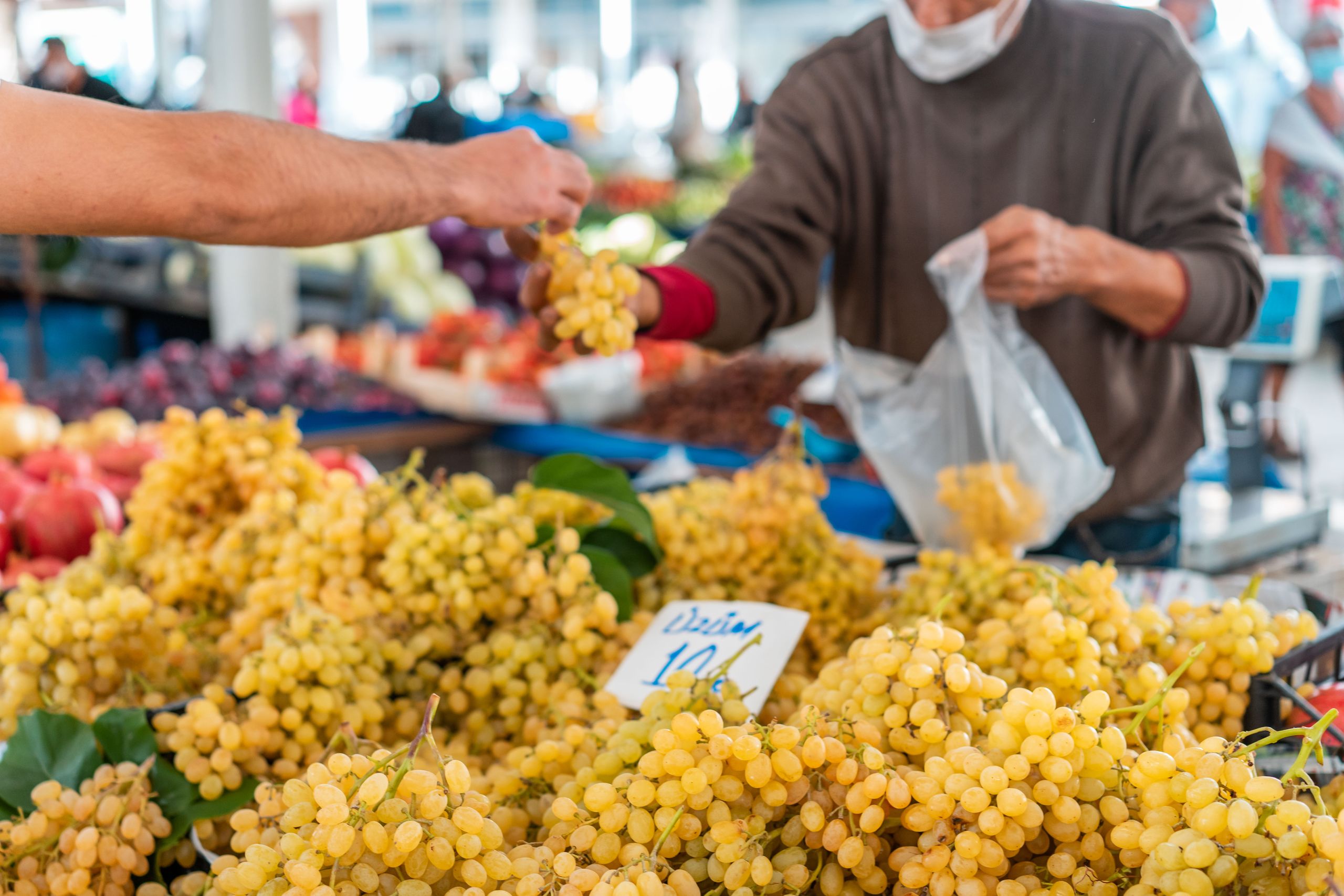
Cotton Candy grapes have one of the most powerful names in the produce aisle. The moment shoppers see that label, they expect a fruit that tastes exactly like pink spun sugar from a fairground stand.
That is a dangerous expectation because no grape can fully recreate the fluffy, sticky, melt-in-your-mouth drama of real cotton candy.
The truth is more subtle. A good batch can taste sweet, fragrant, and faintly carnival-like, especially when chilled. A weaker batch may taste like an extra-sweet green grape and nothing more. That gap between the name and the actual bite is where disappointment starts for many first-time buyers.
The price can make a simple snack feel like a gamble.
Cotton Candy grapes often cost more than regular grapes, and that premium price changes the way shoppers judge them. A normal bag of grapes can taste average and still feel acceptable. A pricey clamshell with a viral name has to perform like a produce-aisle celebrity.
That is where the problem begins. If the grapes are soft, warm, bruised, or past their best flavor window, the whole purchase can feel like a waste. Shoppers are not just paying for grapes. They are paying for the promise of surprise, and one flat batch can make the hype feel badly inflated.
The short season creates unnecessary grocery panic.
Part of the Cotton Candy grape craze comes from scarcity. They usually appear during a limited seasonal window, which makes shoppers treat them like a fruit version of a limited-edition sneaker drop. People see them once, worry they may disappear, and toss extra containers into the cart before thinking it through.
That urgency can make the grapes feel more exciting than they really are. Scarcity has a way of making ordinary decisions feel dramatic. A shopper may not need three pounds of ultra-sweet grapes, but the fear of missing out can make the purchase feel urgent.
The fruit benefits from the same trick that drives seasonal coffee drinks, holiday candy, and viral snacks.
The sweetness can trick people into overeating.

Cotton Candy grapes may be fruit, but they are still naturally sweet. That matters because the candy-like flavor can make portion control disappear quickly. A small bowl turns into a second handful, then a third, and suddenly the snack feels less like mindful eating and more like grazing through a dessert tray.
This does not make them unhealthy or bad. It just means the “fruit” label can give people a little too much confidence. A sensible serving can be a refreshing treat. A giant container eaten in one sitting may leave people wondering how a healthy snack became so easy to overdo.
They are only impressive when they are properly chilled.
Cotton Candy grapes need cold temperatures to deliver their best bite. When they are chilled, the skin snaps cleanly, and the sweetness feels bright instead of heavy. When they are warm, soft, or left too long outside the refrigerator, the famous flavor can fall apart fast.
This is one reason some shoppers swear by them, and others feel cheated. Two people can buy the same variety and have totally different experiences based on storage, freshness, and temperature. The best version tastes crisp and surprising. The tired version tastes like an overpriced grape that missed its moment.
The “healthy candy” label can be misleading.
Cotton Candy grapes are better than actual cotton candy when comparing whole fruit to spun sugar. They bring water, natural carbohydrates, and some nutrients that candy simply does not offer. That makes them a fun swap for people who want something sweet without reaching for cookies, gummies, or a carnival-sized sugar bomb.
Still, calling them “healthy candy” can oversell the idea. They are grapes, not magic. People who monitor blood sugar, carbohydrates, or calories still need to pay attention to serving size. The smarter message is simple: they are a sweet fruit treat, not a nutritional loophole.
The best clamshells disappear before casual shoppers find them.
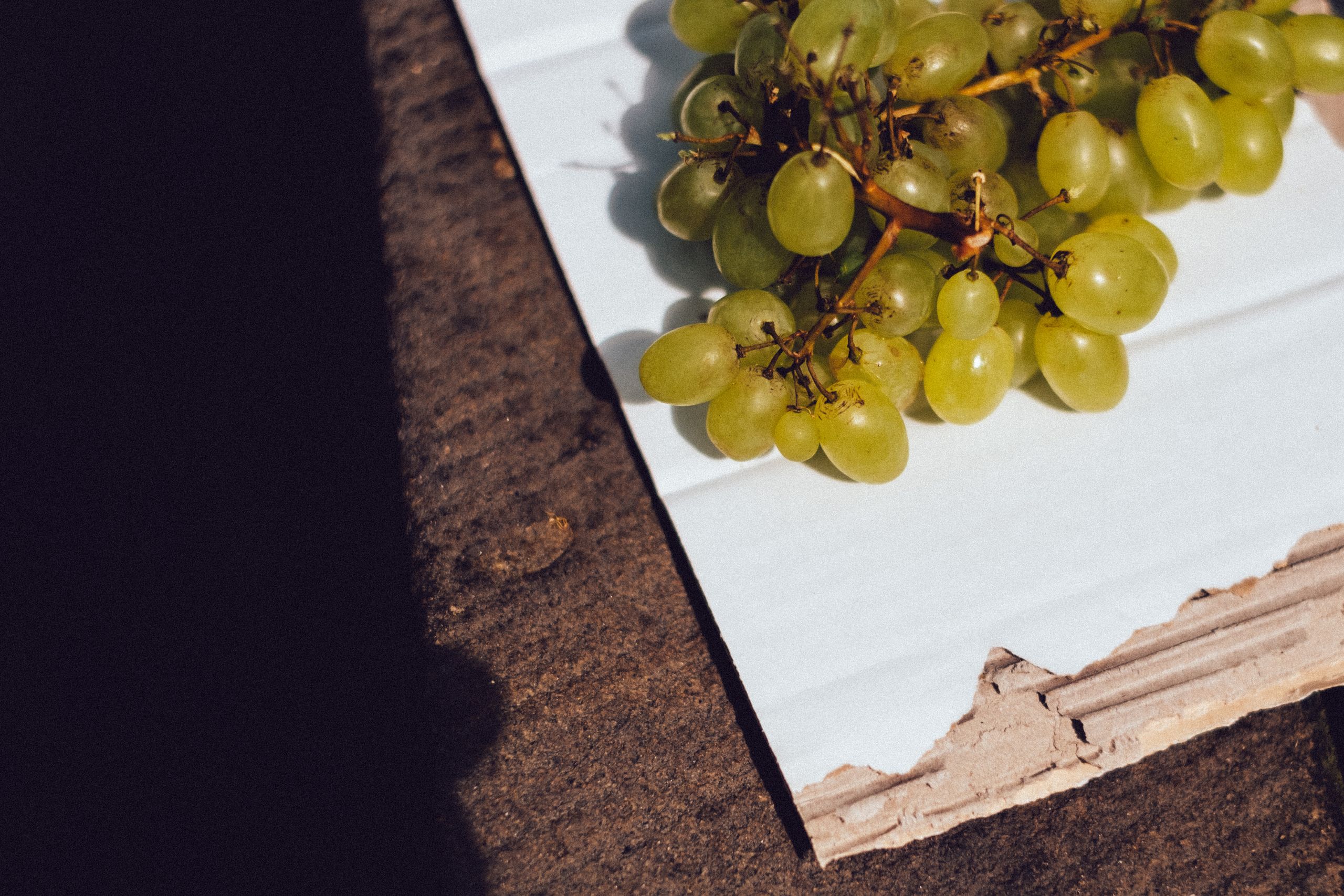
Cotton Candy grapes face a freshness problem due to their popularity. The best containers often sell quickly, especially at stores where shoppers know when shipments arrive. By the time casual buyers wander into the produce aisle, what remains may be picked over, soft, or less exciting.
That means shoppers need to inspect the package carefully. Firm grapes, dry packaging, and greener stems are better signs. Wet spots, crushed fruit, sour smells, and loose berries at the bottom are red flags. With regular grapes, a weak batch is annoying. With Cotton Candy grapes, it feels personal because the hype promised something better.
The frozen-grape trick may be better than eating them fresh.
Here is the awkward truth: Cotton Candy grapes may be more exciting frozen than fresh. Once washed, dried, and frozen, they turn into tiny icy bites that taste like a light summer dessert. The texture becomes firmer, the sweetness feels cleaner, and the whole snack becomes more refreshing.
That says a lot about the fruit’s weakness. Fresh Cotton Candy grapes can be inconsistent, but frozen ones are easier to enjoy because temperature does most of the work. They become snackable, fun, and forgiving. For shoppers who bought a batch that tastes good but not amazing, the freezer can save the purchase.
Coclusion
Cotton Candy grapes deserve some of their fame because they make fruit feel playful again. They turn an ordinary grocery run into a small discovery, and a good batch can genuinely surprise people.
That kind of reaction is rare in the produce aisle, where most shoppers already know exactly what apples, bananas, and standard grapes will taste like.
The problem starts when the hype promises perfection. Cotton Candy grapes are seasonal, expensive, delicate, and sometimes inconsistent. They can be a brilliant summer treat, but they can also be a letdown if shoppers expect them to taste exactly like carnival candy every single time.
The smartest move is to buy one fresh, cold, firm container, taste it without expectations, and let the grapes prove themselves before loading the cart.