The fight over diversity, equity, and inclusion in American schools has moved far beyond school board chambers and policy memos. In Los Angeles, students have stepped into the center of the debate, turning anxiety over federal threats, civil rights complaints, immigration enforcement, and race conscious support programs into a visible youth led protest movement.
We are watching a generation of students argue that school support is not a political luxury. For many of them, programs like LAUSD’s Black Student Achievement Plan represent counselors, mental health care, college exposure, cultural belonging, and adults who understand why some students feel invisible inside large public school systems.
L.A. students see DEI as survival, not symbolism

For many Los Angeles students, DEI is not an abstract phrase tossed around by politicians. It shows up as a counselor who knows their neighborhood, a Black student union that gives them community, a social worker who catches distress early, or a school climate coach who helps prevent conflict before it becomes discipline.
That is why student protests against the Trump era DEI pressure carry such emotional weight. We can frame the debate as politics from a distance, but students are responding to what they believe they could lose inside their own schools.
The Black Student Achievement Plan became the heart of the fight.
LAUSD’s Black Student Achievement Plan was created after years of pressure to address deep gaps affecting Black students. The program grew out of a larger push to move money away from school policing and toward academic, mental health, restorative justice, and cultural support.
Supporters say the plan helps students feel seen in a district where Black enrollment has declined over time and where many families still see school systems as places that discipline Black children faster than they support them. Critics argue that race conscious programs risk violating federal civil rights law, which has turned BSAP into a national flashpoint rather than a local budget item.
Trump’s DEI crackdown gave the protest a national target.
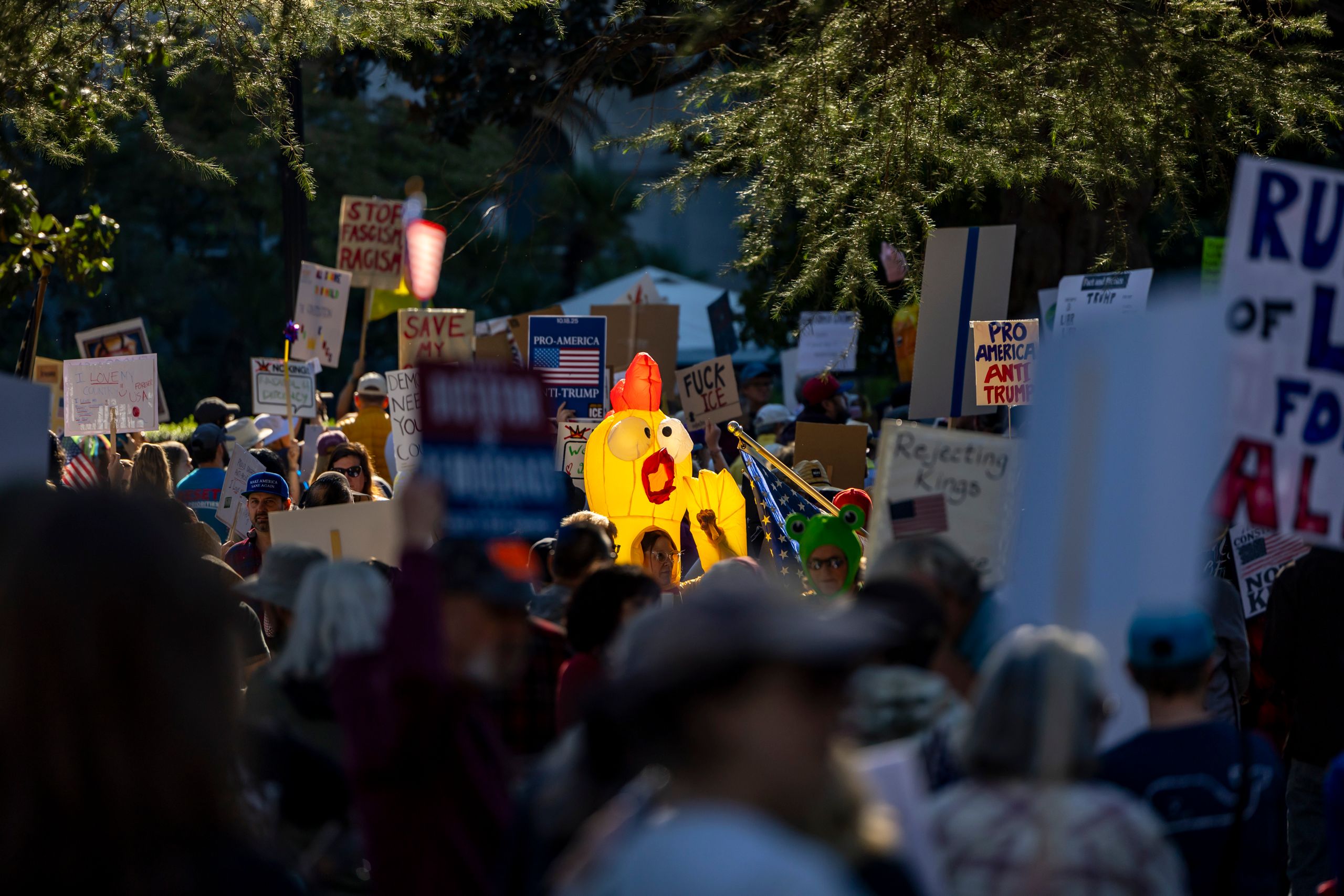
The federal pressure campaign against race-based school programming gave Los Angeles students a clear political opponent. The Department of Education’s 2025 guidance warned federally funded schools against race preferences in admissions, scholarships, hiring, discipline, and other programs, creating fear that local equity programs could face funding threats.
That federal posture turned student frustration into a larger argument about who gets to define fairness in education. For students at the protest, fairness did not mean pretending every child enters school with the same history, the same safety, the same resources, or the same access to trusted adults.
The legal picture changed, but the fear remained.
By 2026, the federal guidance that fueled much of the DEI panic had been blocked, abandoned, and legally weakened. That matters because it shows that the original threat was not the final word on what schools could legally do.
Still, fear does not disappear the moment a court ruling lands. Many districts had already begun reviewing, renaming, or narrowing programs, and students understood that a policy can survive legally yet still lose political protection, budget support, or public confidence.
Immigration fears added another layer of urgency.
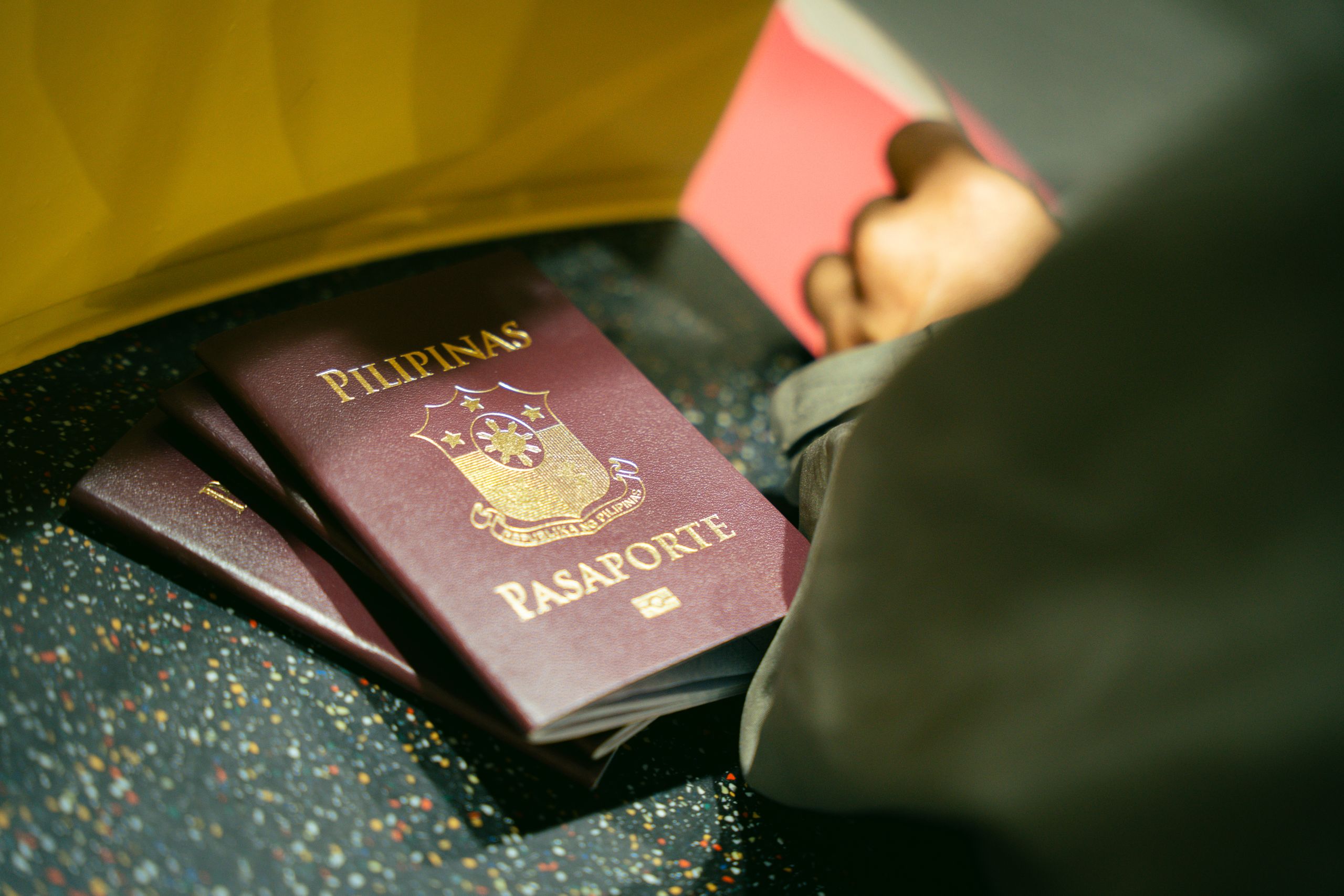
The protest was not only about Black student support. Students also connected DEI to protections for undocumented, immigrant, LGBTQ, and other vulnerable students who felt exposed under a harsher national political climate.
For immigrant families, school is supposed to be one of the safest public spaces in a child’s life. When students say children should not fear being separated from their parents, they are linking education policy to the basic emotional security students need before they can focus, learn, and succeed.
Students are challenging the idea that adults should speak for them.
One of the most powerful parts of the Los Angeles protest story is that students were not simply standing behind adult organizers. They were speaking for themselves, handing out stickers, joining walkouts, attending community meetings, and naming the programs they believed made school feel worth showing up for.
That matters because education debates often reduce young people to statistics, enrollment counts, discipline numbers, and test scores. In this fight, students are saying they are not just data points inside a district report but witnesses to what support feels like when it reaches the classroom.
LAUSD now faces pressure from both sides
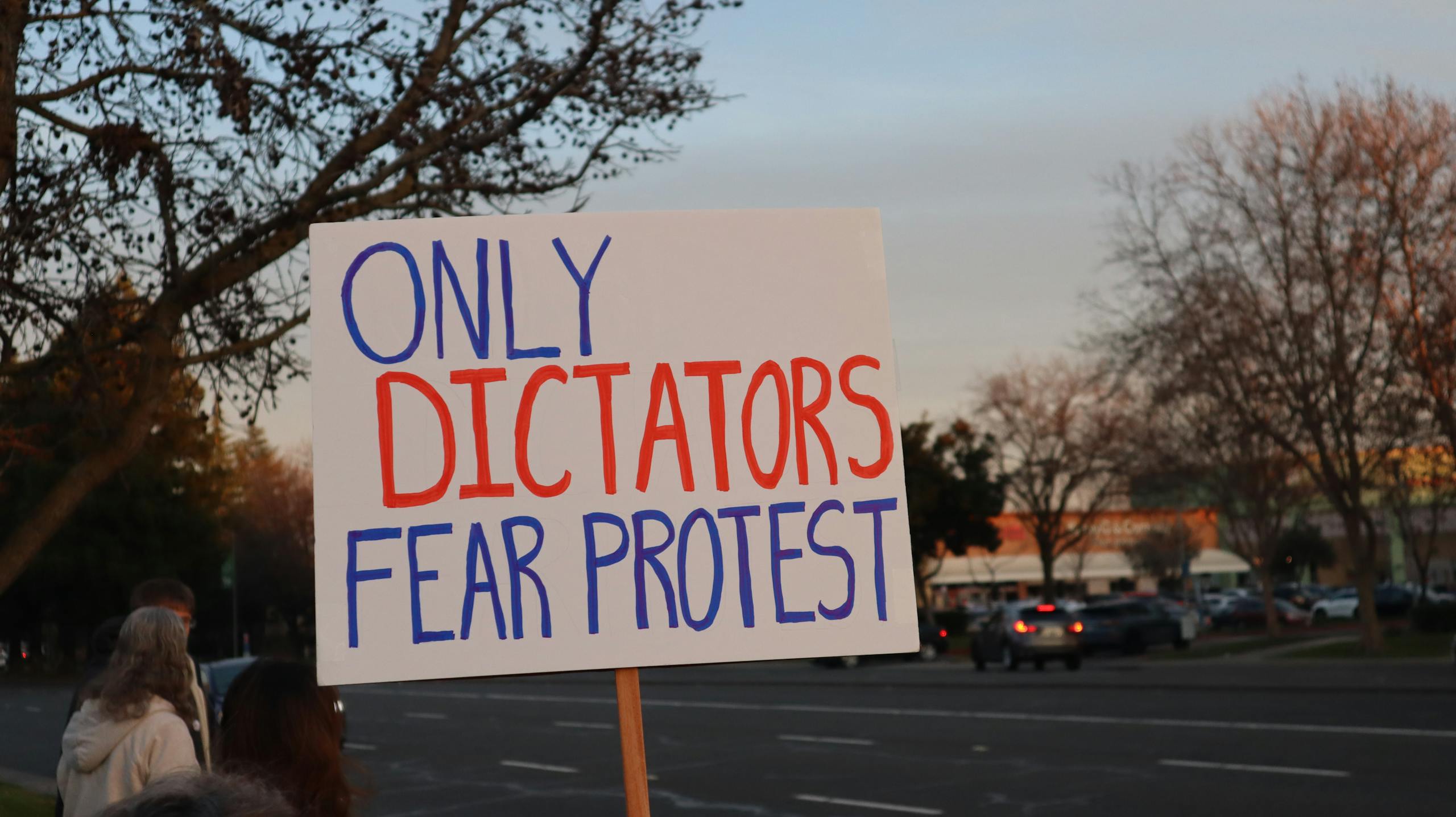
The district is caught between civil rights complaints, national political scrutiny, student activism, and community demands for deeper investment. Supporters want LAUSD to protect and expand BSAP, including stronger funding and more direct attention to Black student needs.
Opponents want the district to avoid using race as a criterion for program access or school selection. That leaves LAUSD with a difficult task: to preserve targeted support for students facing documented gaps but design it in a way that can survive legal scrutiny and political attacks.
Why this fight could shape schools beyond Los Angeles
What happens in LAUSD rarely stays local because the district is one of the largest school systems in the United States. If Los Angeles retreats from equity programs, other districts may read that as a warning; if it defends them successfully, other districts may treat it as a model.
We should see this protest as part of a larger national question. Can public schools respond directly to racial gaps, immigration fears, LGBTQ student safety, and historic inequity without being accused of discrimination, or will every targeted support program become a political battleground?
What students are really asking for

The students at the center of this fight are not asking for symbolic slogans. They are asking for counselors, college access, mental health support, culturally relevant learning, restorative justice, and safe schools that do not treat vulnerable students as political problems.
That demand is difficult to dismiss because it comes from the people living through the consequences. When teenagers organize around DEI, BSAP, immigration fears, and school safety, they are telling adults that the future of education is not being debated above them anymore.
Conclusion.
The Los Angeles student protests show how quickly a national policy fight can become personal inside a school hallway. For students, DEI is not just a phrase used in campaign speeches, and BSAP is not just a line in a district budget.
It is the difference between feeling watched and feeling supported. It is the difference between a school that reacts to struggle and a school that tries to prevent it. That is why this fight is unlikely to fade, even when one memo disappears, one lawsuit settles, or one political season ends.