Heart health often sounds like a strict lecture from a doctor’s office wall poster. Eat less salt. Walk more. Stop smoking. Watch your cholesterol. We know the big rules, but many people miss the smaller daily habits that quietly shape the heart’s future.
A heart attack does not usually come out of nowhere. It often builds over time through high blood pressure, poor sleep, chronic stress, unhealthy cholesterol, inflammation, smoking, diabetes risk, and long periods of sitting. That is why small choices can matter when we repeat them often enough.
We do not need a perfect lifestyle to protect the heart. We need a steady one. The habits below may help lower heart attack risk by supporting better circulation, calmer stress levels, healthier blood pressure, and stronger daily routines.
Laugh More To Ease Stress On The Heart
Laughter may seem too simple to belong in a serious heart health conversation, but the body responds to joy in powerful ways. A good laugh can ease tension, relax the body, and help us breathe more deeply. When stress drops, the heart does not have to work as hard against constant emotional pressure. That matters because long-term stress can feed habits and body reactions that increase heart risk.
We should not treat laughter like a cure, but we can treat it like a useful daily reset. A funny movie, a warm conversation, a family joke, or a silly pet video can break the heavy rhythm of worry. The heart benefits from moments that help the nervous system calm down. In a world that keeps people tense, laughter gives the body a small but meaningful pause.

Choose Dark Chocolate Carefully
Dark chocolate can fit into a heart-smart lifestyle when we keep portions small and sugar low. Cocoa contains plant compounds that may support blood vessel function, which is one reason dark chocolate often appears in heart health discussions. The mistake is turning that good news into permission to eat candy every night without limits. The heart-friendly version is small, rich, and controlled.
We can make dark chocolate work better by choosing higher cocoa content and pairing it with healthier foods. A small square with berries or unsalted nuts feels satisfying without becoming a sugar-heavy dessert. This habit works best when it replaces a less healthy treat rather than adding extra calories to the day. Heart health does not require joyless eating, but it does reward smart portions.

Use Spices Instead Of Heavy Salt
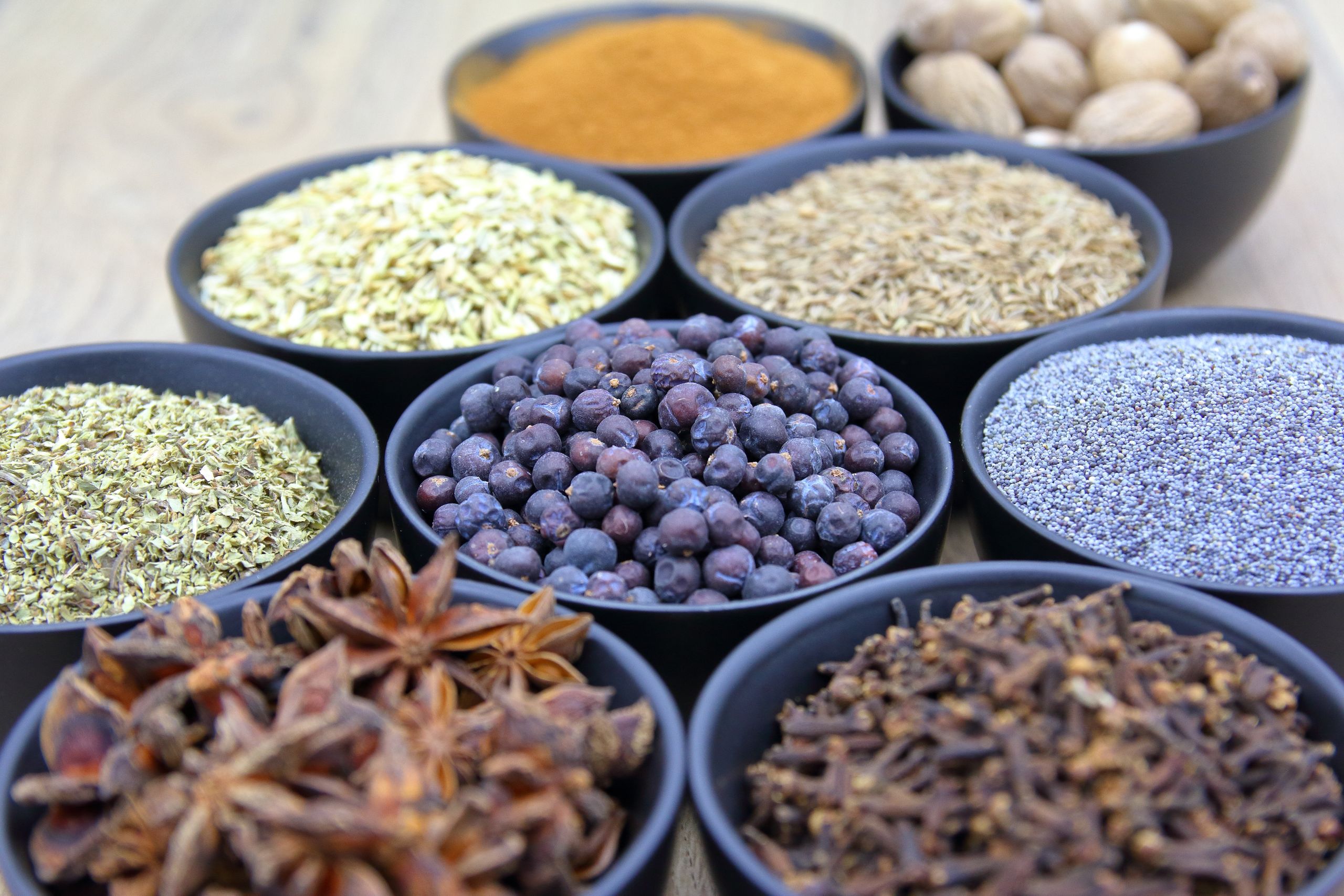
Food does not need to taste boring just because we care about the heart. Spices and herbs can make meals flavorful without leaning too hard on salt. Garlic, ginger, turmeric, basil, rosemary, cinnamon, chili, paprika, lemon, and vinegar can bring life to vegetables, beans, fish, soups, chicken, and whole grains. That matters because eating too much sodium can raise blood pressure, and high blood pressure is one of the biggest risks of a heart attack.
Spices also make healthy meals easier to repeat. A bland plate of vegetables may last one week, but a well-seasoned meal can become part of real life. We lower heart attack risk through habits we can keep, not meals we suffer through once and abandon. A spice rack may look small, but it can help us build a more enjoyable low-salt routine.
Add Gentle Yoga And Breathing
Yoga is often viewed as stretching, but its deeper value may lie in how it combines movement, breathing, balance, and calm. It can help the body step away from a constant state of alarm. For people who dislike intense workouts, yoga offers a gentler way to move while still supporting flexibility, circulation, and stress control. The heart benefits when movement feels possible instead of punishing.
We do not need difficult poses to get started. Simple stretches, slow breathing, chair yoga, or a short beginner routine can help build consistency. Even a few minutes of calm breathing can lower the emotional heat of a stressful day. Yoga works best as part of a broader heart-healthy lifestyle that includes walking, healthy meals, adequate sleep, and regular medical checkups.

Let Pets Encourage More Movement
Pets can quietly improve daily routines, especially dogs. A dog needs walks, attention, play, and structure, which can pull us away from long hours of sitting. Pets may also ease loneliness and stress, two emotional pressures that can affect overall health. The benefit is not magic; it comes from movement, companionship, routine, and emotional connection.
Of course, pet ownership is not right for everyone. Pets require time, money, care, and patience. Still, the lesson is useful even without a pet. We need daily reasons to move and connect. A walking partner, a neighbor, a gardening habit, or a regular outdoor routine can create the same kind of healthy push.

Snack On Nuts In Smart Portions
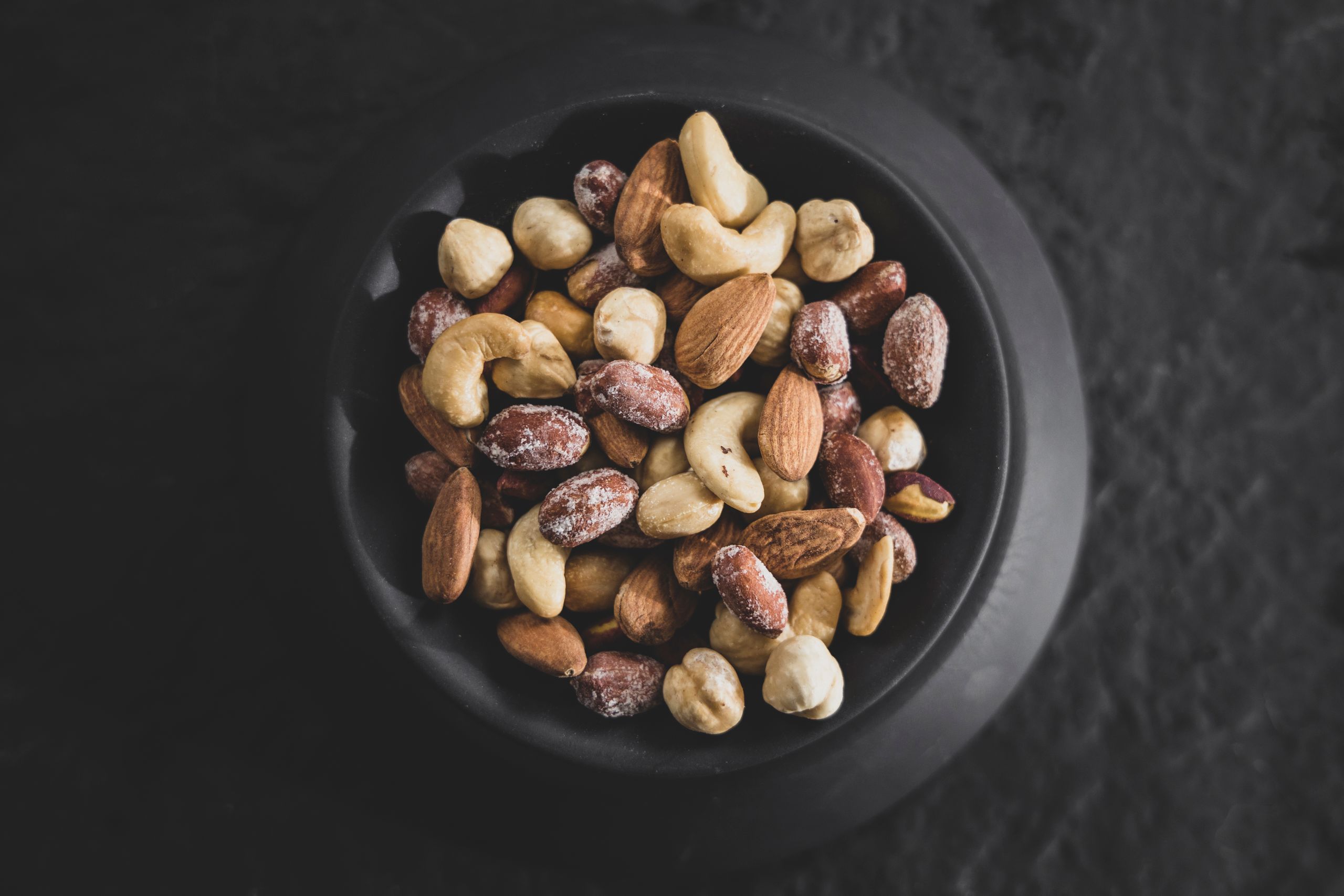
Nuts are among the easiest heart-smart snacks when chosen wisely. Almonds, walnuts, pistachios, peanuts, pecans, and hazelnuts contain unsaturated fats, fiber, protein, and minerals. They can help replace processed snacks that are often high in salt, sugar, and unhealthy fats. The best choice is usually unsalted and unsweetened.
Portion control matters because nuts are calorie-dense. A small handful is useful; a large bowl eaten mindlessly in front of the television is not. We can sprinkle nuts over oatmeal, yogurt, salads, roasted vegetables, or fruit to make meals more filling. This simple swap can support better eating patterns without making the day feel restrictive.
Protect Sleep Like A Heart Appointment
Sleep is one of the most underrated heart habits. When we do not get enough sleep, the body has a harder time regulating blood pressure, blood sugar, appetite, stress hormones, and inflammation. Poor sleep can also make people crave heavier foods, skip exercise, and rely on caffeine to survive the day. Over time, that pattern can work against the heart.
We can protect sleep by creating a steady evening routine. A cooler room, less late-night scrolling, earlier caffeine cutoffs, and a regular bedtime can make a real difference. Loud snoring, gasping during sleep, morning headaches, or heavy daytime sleepiness should not be ignored, as they may indicate sleep apnea. Good sleep gives every other heart habit a stronger foundation.

Dance Or Walk Your Way Into Better Circulation
Exercise does not have to feel like punishment. Dancing, brisk walking, light jogging, cycling, swimming, and active housework can all help the heart when they raise the heart rate safely. Dancing is especially powerful because it feels joyful, social, and easy to repeat. The best movement is often the one we actually look forward to doing again.
We can start small and build from there. A short walk after dinner, a few songs in the living room, or a weekend dance class can help reduce long sitting time. Movement supports circulation, stamina, weight control, blood pressure, and mood. When exercise becomes part of daily life instead of a dreaded event, the heart gains a lasting advantage.

Build A Heart Routine That Can Survive Real Life
Lowering heart attack risk is not about chasing one miracle habit. It is about building a lifestyle where the heart faces less pressure every day. We laugh more, sleep better, move often, eat smarter snacks, season food without excess salt, and find ways to calm the body before stress takes over. These choices may look ordinary, but ordinary habits become powerful when they are repeated.
The strongest heart routine is the one we can keep during busy weeks, stressful seasons, and imperfect days. We do not need to live like athletes or eat like monks. We need steady choices that protect blood pressure, cholesterol, blood sugar, sleep, and stress levels. The heart does its work quietly, and our daily habits should quietly return the favor.