A person walks into a job interview, a family gathering, a first date, or a crowded church lobby thinking their shirt, smile, and handshake will do most of the talking. Then someone glances down. The shoes are scuffed, dusty, too loud, too worn, too expensive, too casual, or painfully wrong for the room. Nobody says anything, but the judgment has already started.
That is what makes the things your shoes reveal so uncomfortable. Shoes sit low, but they carry high social meaning. People may pretend not to notice them, yet shoes can hint at income, taste, age, hygiene, confidence, work readiness, and even how prepared someone feels for the day. One study found that people could make certain judgments about a stranger’s age and income from shoes alone.
The unfair part is that shoes do not always tell the whole truth. A worn pair may belong to someone working two jobs. Cheap shoes may belong to someone saving for rent. Dirty sneakers may come from a long commute, a warehouse shift, a school pickup, or a muddy driveway in a rural town. Still, people often judge faster than they understand.
Shoes can become a quiet social bill. They can affect first impressions, workplace trust, dating confidence, family comments, customer reactions, and even safety. In a country where many households already stretch their money across housing, groceries, transportation, and health costs, one overlooked pair can send a message the wearer never intended. These are the things your shoes reveal that people secretly judge, even when they never admit it.
Dirty Shoes Make People Question Your Hygiene
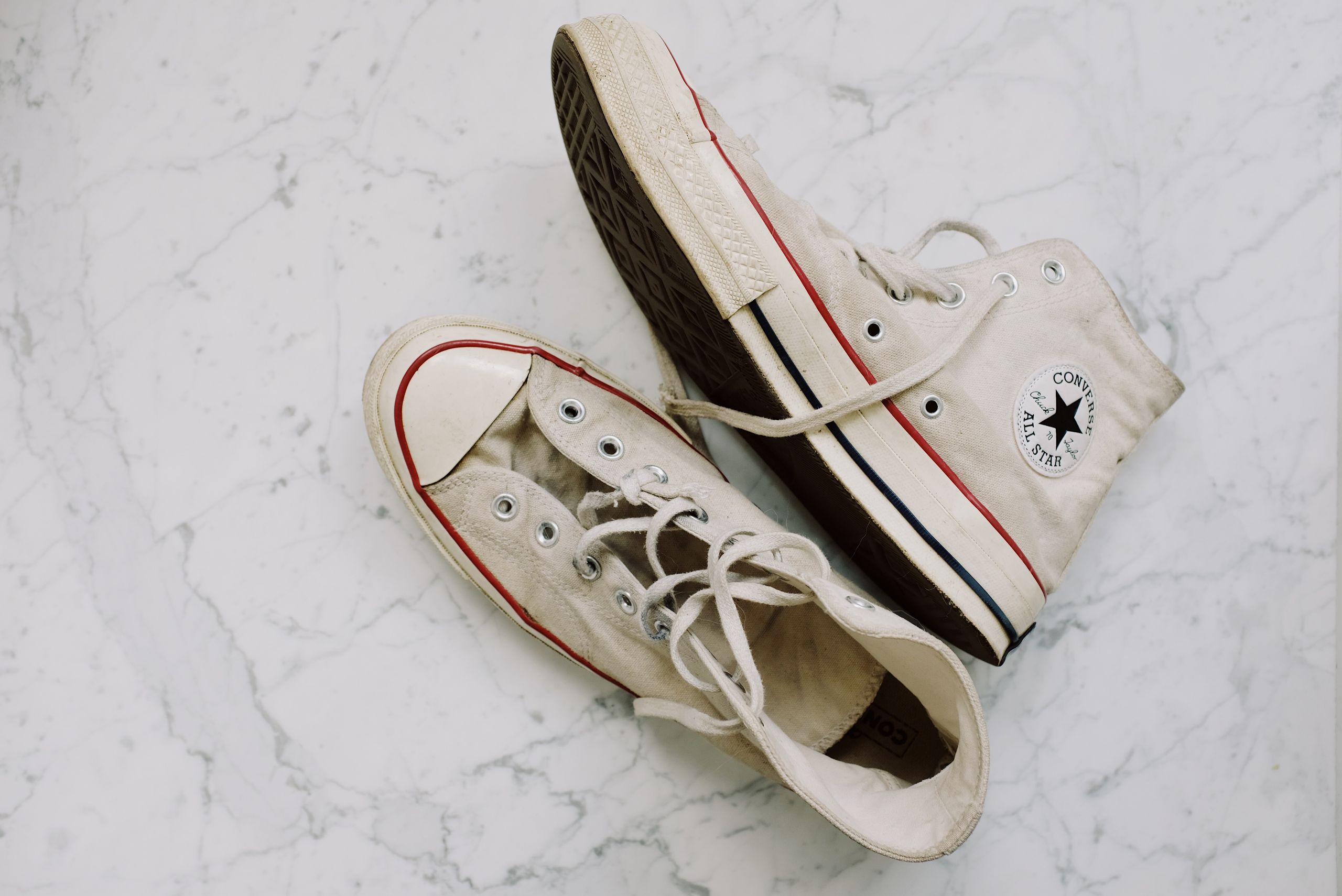
Dirty shoes can make people assume the rest of your life is just as messy. That judgment may be unfair, especially for construction workers, delivery drivers, parents, nurses, gardeners, and commuters who move through rough conditions all day. Still, a mud-stained or dusty pair at a dinner, meeting, office lobby, or school event can quietly change how people see you. The shoes may have a reasonable explanation, but the first glance rarely asks for one.
The real issue is not perfection. Most people understand that shoes touch sidewalks, parking lots, rainwater, playgrounds, and grocery store floors. The problem starts when the dirt looks ignored rather than unavoidable. A quick wipe before walking into a serious setting can protect your image without requiring expensive shoes. People may forgive old shoes faster than shoes that look forgotten.
Worn Soles Suggest You Ignore Problems
A pair of shoes with thin soles, leaning heels, split edges, or flapping bottoms sends a quiet message. People may assume you delay fixing problems until they become obvious. That can matter at work, on dates, in client meetings, or during family events where appearance carries emotional weight. Shoes that look like they are barely surviving can make others wonder if you are barely managing to.
The bigger danger is physical, not just social. Worn shoes can affect support, balance, and comfort, especially for people who stand all day or walk long distances. Good footwear depends on proper shoe fit, support, cushioning, and stability for different foot types. A damaged pair may look like a style issue, but it can also become a pain issue.
Expensive Shoes Can Make People Judge Your Priorities
Luxury shoes can impress people, but they can also invite quiet criticism. Someone may see designer sneakers, glossy heels, or limited edition shoes and assume the wearer is flashy, careless with money, or trying too hard. That can be especially tense in workplaces, churches, family gatherings, or neighborhoods where people are struggling with rent, groceries, and medical bills. The shoes may be beautiful, but the room may read them as a financial statement.
The judgment may be wrong, of course. The shoes could be a gift, a thrift find, a rare splurge, or something bought years ago. Still, people often attach spending habits to what they see first. In families living paycheck to paycheck, a bold purchase can spark side comments about priorities. Shoes do not need to be cheap to look tasteful, but they can become loud if they seem disconnected from the room.
Cheap-looking shoes can trigger class judgment.
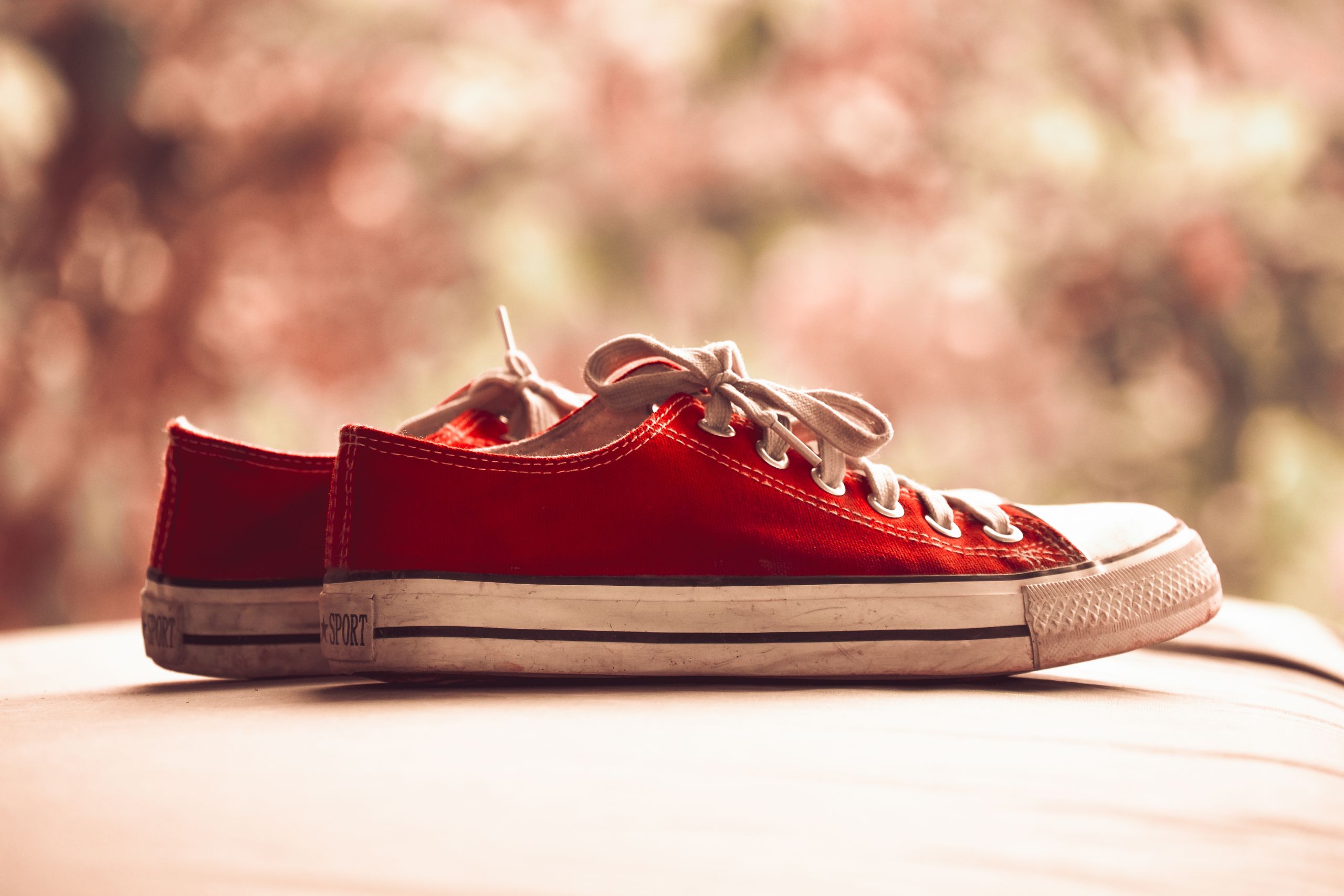
Cheap-looking shoes can expose how quickly people judge money. A simple pair from a discount store may be practical, clean, and comfortable, yet someone may still treat it as proof of low status. That quiet class judgment shows up in office elevators, school events, first dates, college campuses, airports, and weddings. People often pretend America is casual until someone’s shoes reveal a budget.
This is where the hidden cruelty lives. Many people choose affordable shoes because every dollar has a job. In 2024, housing and transportation accounted for half of household spending, leaving clothing and footwear to compete with bigger bills. A person should not be judged for choosing rent over leather, but that does not stop people from noticing.
Loud Shoes Can Make You Look Attention Hungry
Bright colors, oversized soles, glitter, extreme heels, wild patterns, or squeaky statement shoes can make people assume you crave attention. That may not be true. Some people simply enjoy fashion, color, and self-expression. Still, shoes that dominate an outfit can become the first thing people remember, even before your name, voice, or work.
The problem depends on the setting. Loud shoes may work beautifully at a concert, a birthday party, a creative office, or a weekend brunch. They can feel risky in courtrooms, job interviews, funerals, hospital visits, client meetings, or serious family gatherings. People often judge loud shoes as confidence, rebellion, immaturity, or poor timing. The shoe may be fun, but the room decides how it lands.
Unsafe Shoes Make People Question Your Judgment
Shoes that look unsafe can worry people fast. Thin flip flops on a worksite, slick soles in icy weather, high heels on cracked sidewalks, or loose slides in a crowded parking lot can make others wonder why you took the risk. This judgment grows sharper around older adults, pregnant women, caregivers, workers, and anyone responsible for children. Shoes can suggest whether someone understands the situation they are walking into.
Safety matters because shoes affect more than appearance. Footcare and safe shoes can help older adults reduce fall risk, especially when shoes have support and slip resistance. Some workplaces also require protective footwear where falling objects, sharp hazards, or electrical risks could injure feet. Shoes can reveal whether someone respects the danger around them.
Smelly Shoes Suggest You Lack Self-Awareness
Few things make people judge silently faster than shoe odor. It can show up in shared offices, airport security lines, dorm rooms, gyms, homes, fitting rooms, and family living rooms where someone removes their shoes at the door. Nobody wants to embarrass the person, so the room often suffers quietly. That silence can make the judgment worse because everyone notices, yet nobody wants to say it first.
Odor does not always mean poor hygiene. Some people sweat heavily, work long shifts, wear closed shoes for hours, or live in humid climates. Still, smelly shoes can lead others to assume the person does not notice or care. Keeping feet dry and changing socks daily can help prevent athlete’s foot, especially in warm, damp conditions. A small routine can prevent a large social cringe.
Shoes That Do Not Match the Setting Reveal Poor Judgment
Wearing the wrong shoes can make people question your judgment before you speak. Sneakers at a formal wedding, beach sandals at an interview, sky-high heels at a walking-heavy event, or work boots at a polished dinner can all send the wrong signal. The shoes may be comfortable, expensive, or personally meaningful, but the setting still matters. People often notice when someone looks unprepared for the room.
This judgment can feel harsh because dress rules keep changing. America has casual workplaces, strict workplaces, outdoor ceremonies, hybrid offices, rural gatherings, and city events where expectations shift fast. Still, people judge the gap between the shoes and the occasion. The wrong pair can say, “I did not think this through,” even when the person simply guessed wrong.
Overly Perfect Shoes Can Make People Think You Are Trying Too Hard
Perfect shoes can create their own problem. If they look too polished, too new, too coordinated, or too obviously selected to impress, people may read them as insecure or underperforming. In some rooms, spotless luxury shoes can feel less like style and more like a strategy. That can make others quietly wonder what image you are trying to sell.
This judgment is not always fair because people dress carefully for good reasons. A job seeker may want confidence. A first date may require effort. A worker may need to look polished for clients. The issue appears when the shoes look disconnected from the person or the moment. People often trust ease over perfection, especially in everyday American spaces where overdoing it can seem suspicious.
Neglected Shoes Reveal Stress People Secretly Notice
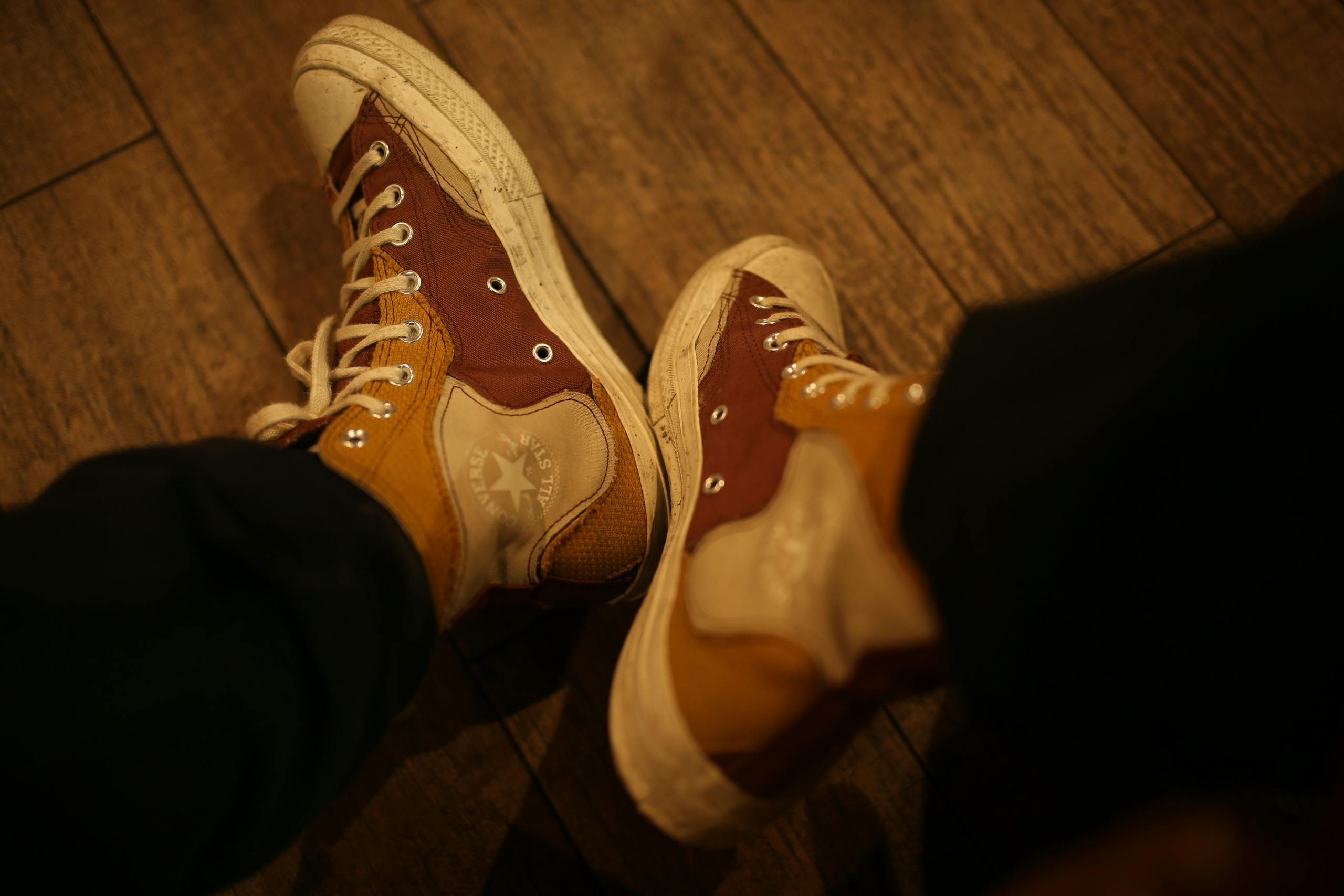
Sometimes shoes reveal exhaustion. The scuffed toe, flattened heel, salt stain, broken lace, dusty leather, or old sneaker may speak for a person who has no time left. Working parents, caregivers, students, service workers, retirees, and people juggling bills often put themselves last. Shoes can be the first place stress shows because they are easy to ignore until someone else notices.
That is why the things your shoes reveal can feel so personal. People may judge the neglect, but they rarely know the reason behind it. A tired pair may reflect long shifts, unpaid caregiving, money pressure, grief, illness, or a season where survival beat style. Still, because shoes travel everywhere with you, they can tell a story before you are ready to explain it. Which of these would bother you the most?