Religion shapes how billions of people understand life, death, family, morality, community, suffering, identity, and hope. Yet we often talk about major religions as if they can be explained by a single stereotype, a single headline, a single ritual, or a single controversial debate. That is where many wrong ideas about major religions begin.
We may grow up around one faith tradition, hear a few popular claims about another, and assume we understand the whole picture. The truth is richer and more complex. Many religious beliefs have centuries of history behind them, and many communities practice the same faith in very different ways.
When we reduce these traditions to quick assumptions, we miss the deeper meaning that believers carry into everyday life.
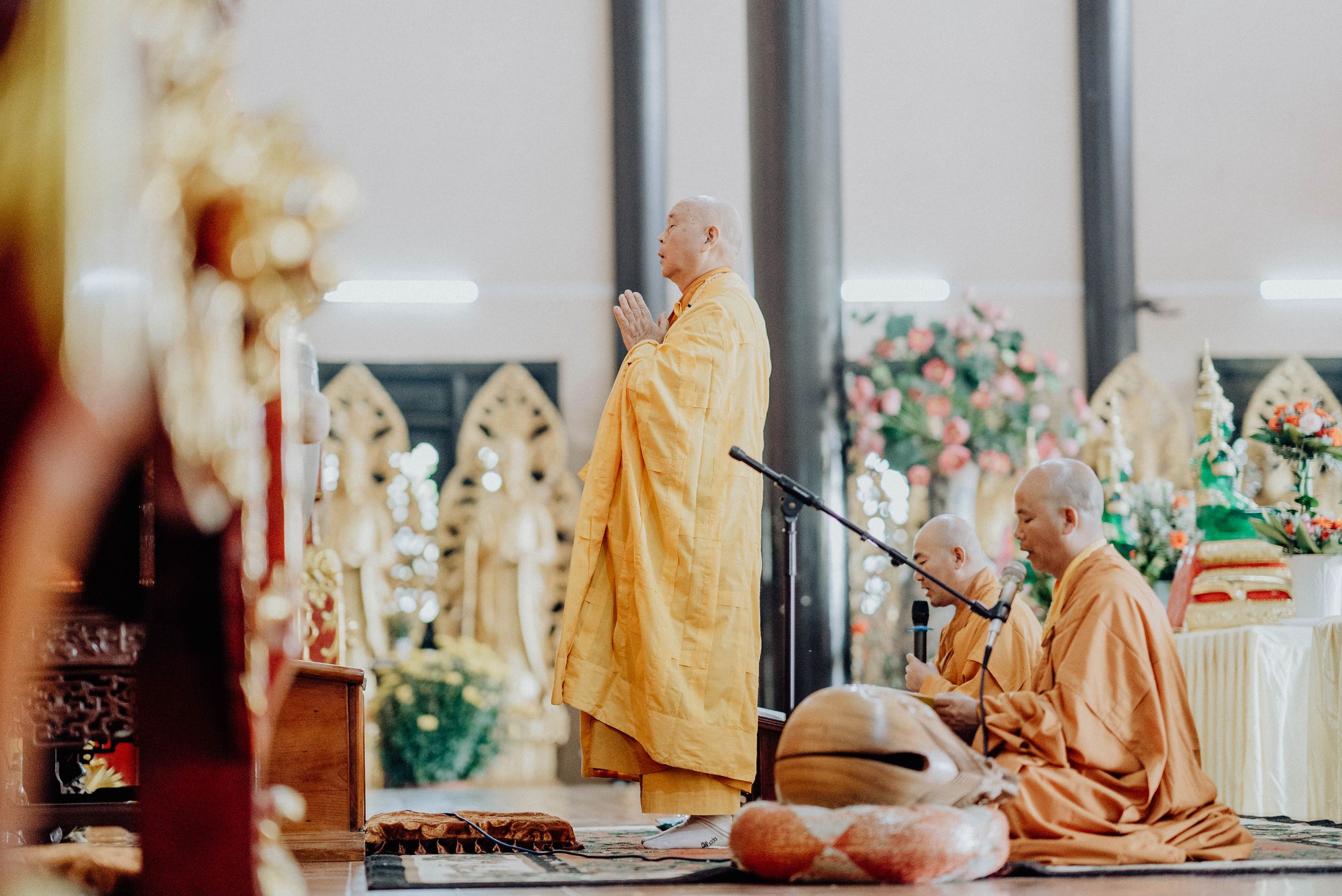
Buddhism Is More Than Meditation and Mindfulness
Buddhism is often presented in Western culture as a peaceful philosophy built around meditation, silence, and personal calm. That version is popular because it fits neatly into modern wellness culture, but it leaves out much of traditional Buddhist life.
Buddhism includes teachings about karma, rebirth, suffering, compassion, moral discipline, monastic practice, sacred texts, and liberation. Meditation matters deeply in many Buddhist traditions, but it is not the entire religion.
We misunderstand Buddhism when we remove everything that feels spiritual and keep only the parts that feel comfortable. For many Buddhists, the goal is not simply to feel relaxed after work or manage anxiety through breathing exercises.
The deeper aim is to understand suffering, loosen attachment, act with compassion, and move toward liberation from the cycle of rebirth. Buddhism can be philosophical, practical, devotional, and deeply religious at the same time.
Hinduism Is Not Just a Religion With Many Gods
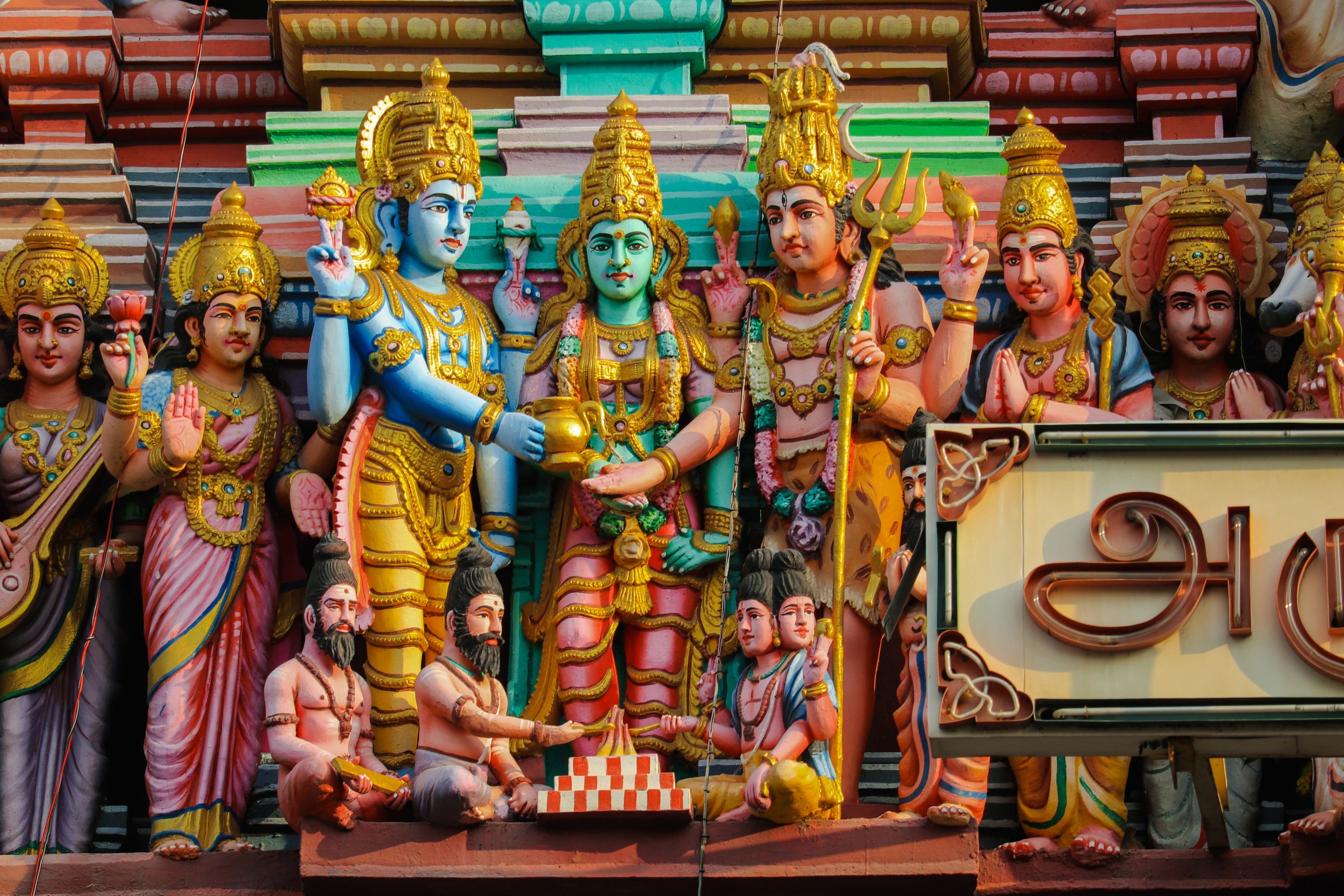
Hinduism is often described as a religion with many gods, but that description is too narrow. Hindu traditions include devotion to deities such as Vishnu, Shiva, Devi, Krishna, Ganesha, and many others. Still, many Hindus understand these divine forms through broader ideas about Brahman, the ultimate reality behind existence. In that sense, Hindu worship can look diverse on the surface while still pointing toward a deeper spiritual unity.
We get Hinduism wrong when we treat every deity as if it belongs to a simple list of competing gods. Hinduism includes philosophy, temple worship, family rituals, pilgrimage, yoga, festivals, sacred stories, moral duty, and devotion.
Some Hindus focus on one personal deity, some emphasize meditation and philosophy, and others practice through rituals passed down in family and community life. It is not one single narrow system. It is a vast religious world with many living paths.
Islam Cannot Be Reduced to Politics.
Islam is often discussed through the lens of politics, conflict, terrorism, or law. That creates one of the most harmful misunderstandings about one of the world’s largest religions. Islam centers on belief in one God, prayer, charity, fasting, pilgrimage, moral accountability, community, and submission to God.
Muslims live across many countries, cultures, languages, and legal traditions, which means there is no single Muslim experience that explains all of Islam.
We also misunderstand Islam when we talk about sharia as if it only means punishment or political control. For many Muslims, sharia refers to a broad path of religious guidance that can touch prayer, charity, business ethics, family life, food, worship, and social responsibility. Views about religion and government differ widely among Muslims around the world. One news story cannot explain a faith followed by nearly two billion people.

Catholic Teaching Does Not Mean the Pope Is Always Right
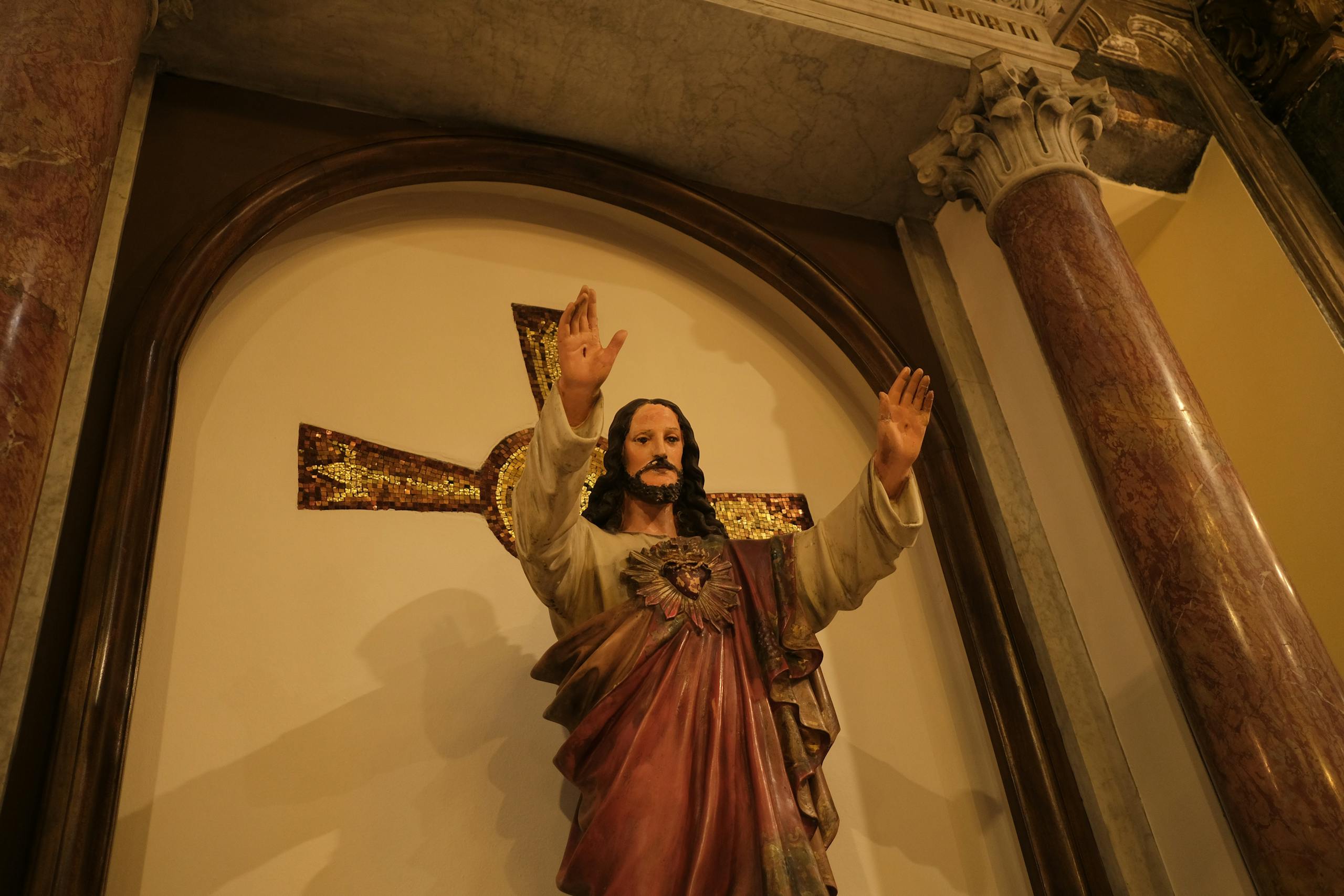
One common misunderstanding is that Catholics believe the pope can never be wrong. That is not what Catholic teaching means. Papal infallibility is a narrow doctrine that applies only under specific conditions involving official teaching on faith or morals. It does not mean every interview, speech, opinion, political comment, private remark, or personal decision from a pope becomes the perfect truth.
We create confusion when we turn a serious doctrine into a cartoon about blind obedience. Catholics may respect the pope as a spiritual leader, but Catholic teaching still recognizes that popes are human beings. They can make mistakes in judgment, leadership, communication, and ordinary life. The doctrine is about protected teaching authority in rare and formal matters, not a belief that every sentence spoken in Rome is automatically flawless.
Judaism Is More Than Rules and Restrictions
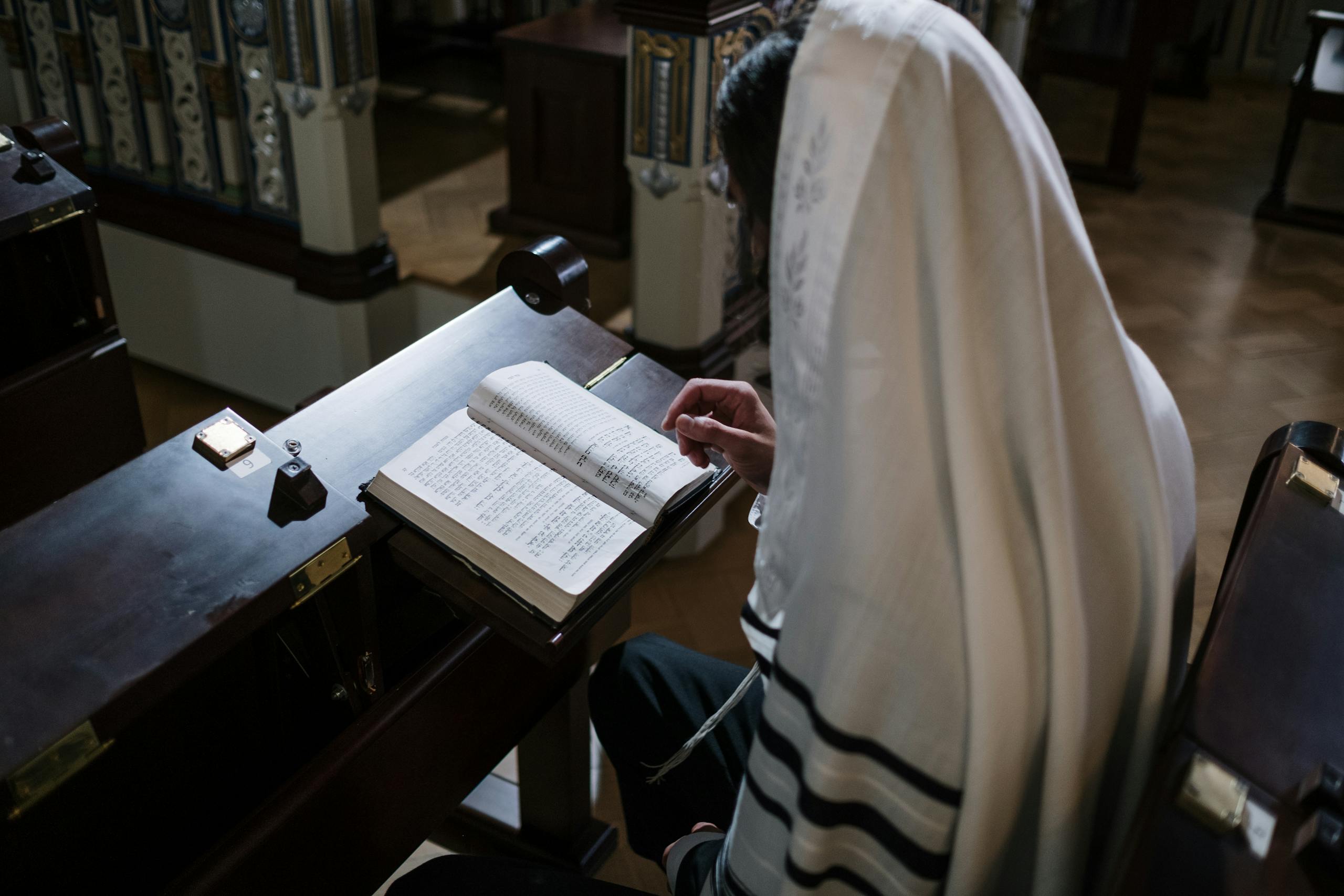
Judaism is often described from the outside as a religion full of laws, rituals, dietary rules, and restrictions. Those elements matter, but they do not tell the whole story. Judaism is also a peoplehood, a history, a covenant, a culture, a memory of exile and survival, a tradition of argument, and a living identity carried through families and communities. Jewish life cannot be reduced to a checklist of rules.
We misunderstand Judaism when we treat it only as a private belief system. Jewish identity can be religious, ethnic, cultural, historical, familial, or a combination of these. Some Jews are deeply observant, some are secular, and many live somewhere in between.
Orthodox, Conservative, Reform, Reconstructionist, and other Jewish communities may approach worship, law, tradition, and modern life differently. That diversity is not a side note. It is part of the Jewish story.
Christianity Is Not One Single Church With One View
Christianity is often spoken about as though it has one voice, one worship style, and one position on every issue. That ignores the major differences between Catholic, Orthodox, Protestant, Pentecostal, Anglican, Evangelical, Coptic, Ethiopian, and many other Christian communities.
Christians share central beliefs about Jesus, Scripture, sin, grace, worship, and salvation, but they often disagree on authority, sacraments, church leadership, saints, Mary, baptism, communion, music, politics, and moral questions.
We misunderstand Christianity when we assume one denomination represents all Christians. A Catholic Mass, an Orthodox Divine Liturgy, a Baptist service, a Pentecostal revival, and a Quaker meeting can feel very different from one another. Christianity also changes in cultural expression across Nigeria, Brazil, Greece, Ethiopia, Mexico, the Philippines, and the United States. The same faith can carry different music, language, public meaning, and daily rhythm depending on where it is practiced.
Latter Day Saint Beliefs About the Afterlife Are More Layered Than Many Assume
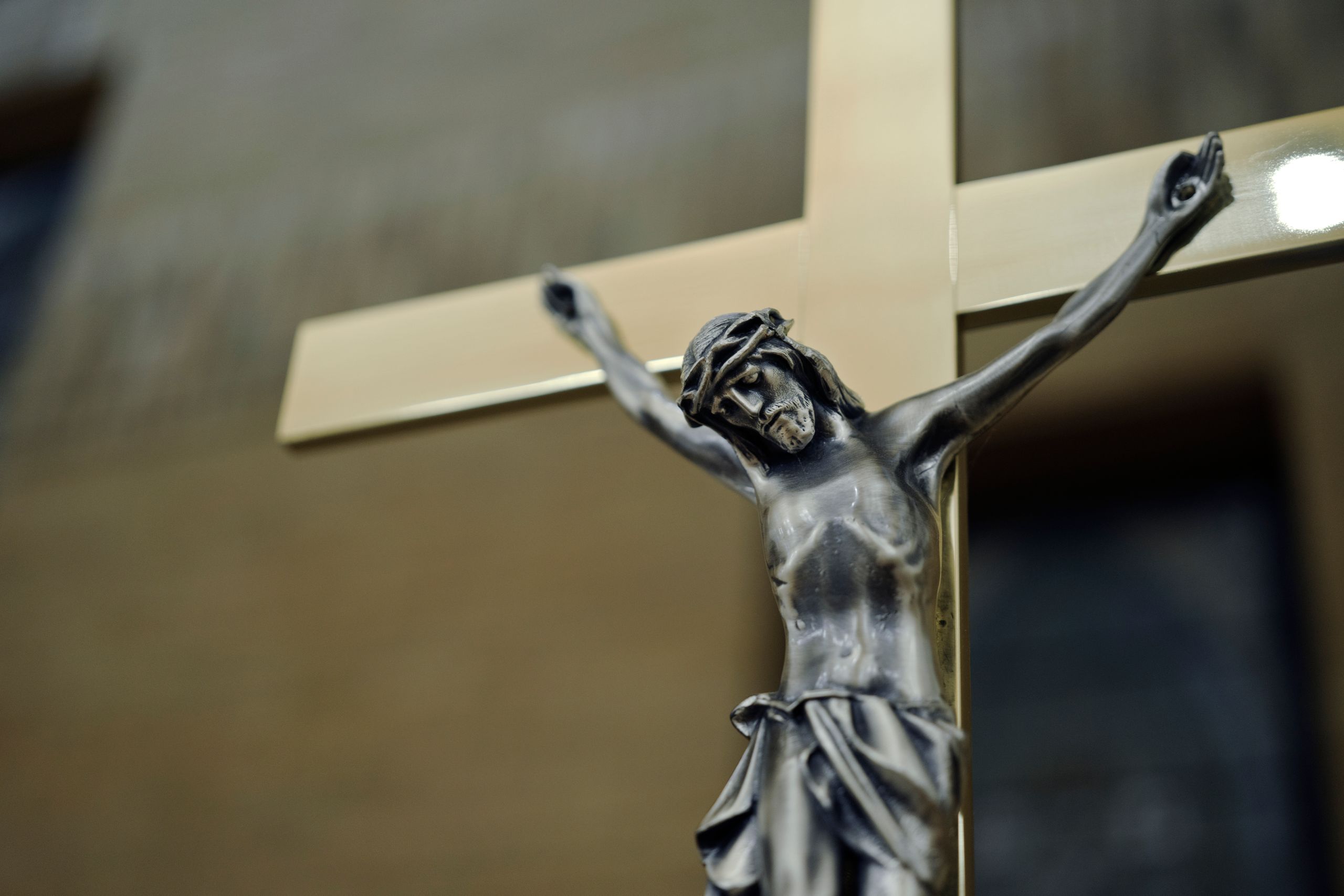
The Church of Jesus Christ of Latter-day Saints is often discussed through assumptions borrowed from other Christian traditions. One major misunderstanding involves heaven and hell. Many outsiders assume Latter-day Saints believe in the afterlife exactly the same way many Catholics or Protestants do. Their teaching is more layered than that simple picture.
Latter-day Saint belief includes degrees of glory, often described as the celestial, terrestrial, and telestial kingdoms. This creates a more detailed view of the afterlife than the familiar idea that every person goes to one of two final destinations.
The tradition still speaks about judgment, salvation, Jesus Christ, and eternal life, but its structure differs from many mainstream Christian assumptions. We miss the actual teaching when we force it into a framework that does not fit.
Sikhism Is Not a Blend of Hinduism and Islam
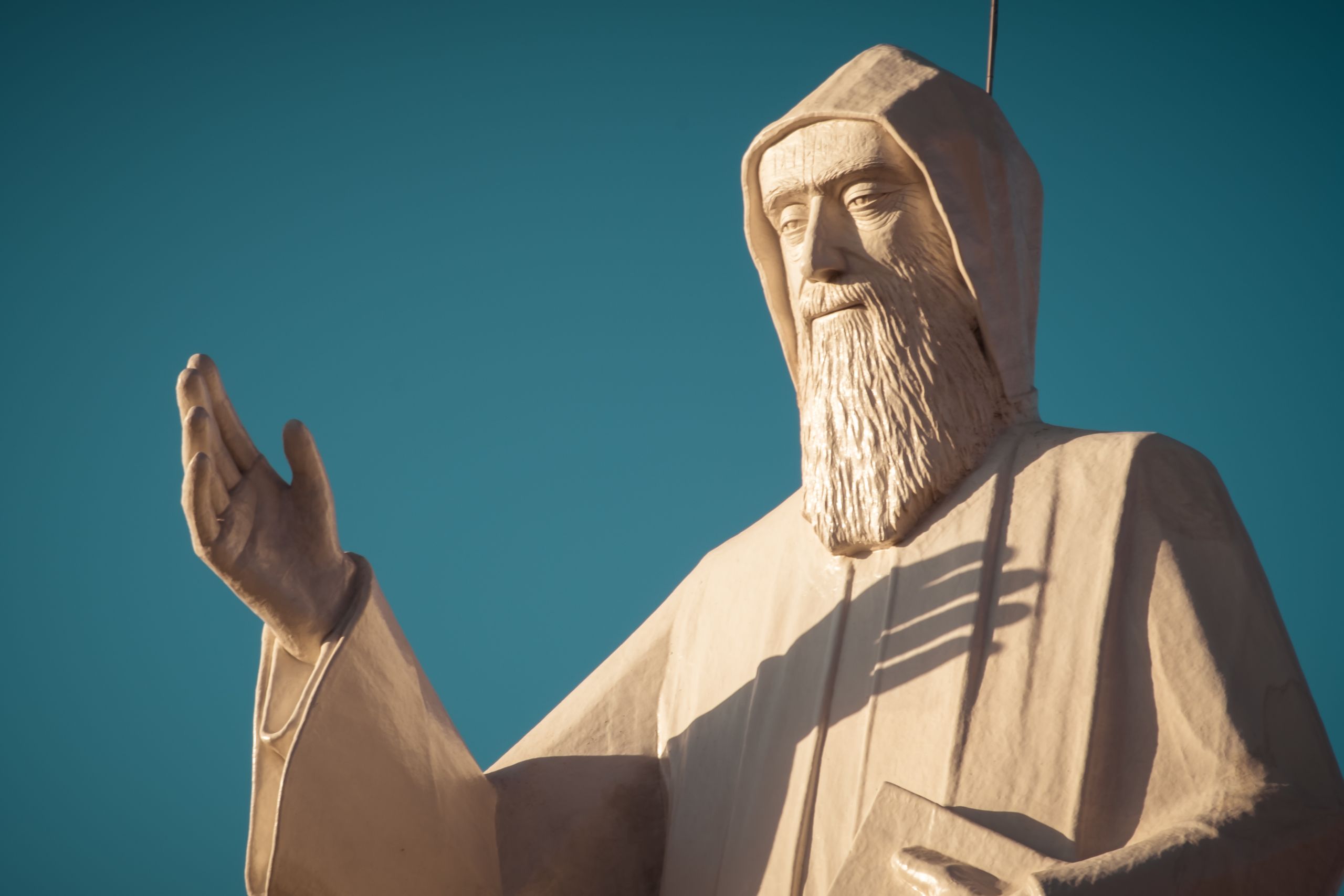
Sikhism began in the Punjab region of South Asia and was founded by Guru Nanak in the late fifteenth century. Because it emerged in a region shaped by Hindu and Muslim communities, outsiders sometimes describe it as a blend of the two. That description is too shallow. Sikhism is a distinct religion with its own scripture, theology, history, worship, ethics, and community identity.
Sikhs believe in one God and emphasize devotion, honest work, equality, remembrance of the divine name, and service to others. The Guru Granth Sahib is treated as the living Guru, and the gurdwara serves as a central place of worship and community life.
Langar, the free meal open to all, expresses Sikh commitments to humility, equality, and shared humanity. Sikhism deserves to be understood on its own terms, not as a compromise between neighboring traditions.
Wicca Is Modern, But That Does Not Make It Meaningless
Wicca is often described as an ancient pagan religion that survived unchanged in secret until the modern age. That story is attractive, but it is not historically precise. Modern Wicca developed largely in the twentieth century, with Gerald Gardner playing a major role in shaping and publicizing it. It drew from older pagan themes, folklore, ceremonial magic, nature spirituality, and Western esoteric traditions.
That does not mean Wicca is fake or empty. Many religions develop through revival, reconstruction, adaptation, and reinterpretation. Wicca matters to practitioners because it offers ritual, seasonal celebration, reverence for nature, divine feminine imagery, magic, community, and personal spiritual experience. The mistake is assuming that a religion must be unchanged for thousands of years before it can carry meaning.
Yazidis Are Not Devil Worshippers
Few religious myths have caused as much harm as the claim that Yazidis worship the devil. Yazidis venerate Tawûsê Melek, often translated as the Peacock Angel. Outsiders have sometimes compared this figure to Satan because of surface similarities in certain stories, but that comparison misrepresents Yazidi belief and has helped fuel suspicion, persecution, and violence.
Yazidis do not understand Tawûsê Melek as an evil power opposed to God. Their tradition includes belief in one supreme God and a sacred angelic order. Because Yazidis have often kept religious knowledge within the community, outsiders have filled the silence with rumors. This is why accurate religious language matters. A false claim about a vulnerable community can move from misunderstanding to real harm.

Indigenous Religions Are Not Primitive Superstitions
Indigenous religions are often dismissed as folklore, superstition, or old stories without serious theology. That view says more about colonial prejudice than it does about Indigenous traditions. Many Indigenous spiritual systems include deep relationships with land, ancestors, animals, seasons, ceremonies, oral histories, sacred places, healing practices, moral responsibility, and communal memory.
We misunderstand these traditions when we judge them solely by written scriptures, formal creeds, or buildings resembling churches, mosques, synagogues, or temples. Some religions preserve wisdom through song, dance, story, ritual, elder teaching, and land stewardship. That does not make them less sophisticated. It means they carry knowledge through forms outsiders have often failed to respect.
Modern Satanism Does Not Always Mean Literal Devil Worship
The word Satanism creates instant fear because many people connect it with evil, demons, violence, or horror stories. Some individuals and groups may hold theistic beliefs involving Satan or other supernatural beings, but public Satanist movements are not all the same. Some well-known forms of modern Satanism are atheistic and use Satan as a symbol of rebellion, individualism, skepticism, or resistance to religious authority.
That distinction matters because the same word can describe very different beliefs. We create confusion when we assume every Satanist is secretly worshipping a supernatural devil. Some are religious naturalists, some are activists, some are philosophical individualists, and some use the language of Satan mainly as a provocative symbol. The name may be shocking, but the reality is more varied than the stereotype.

Why Religious Misunderstandings Spread So Easily
Religious confusion spreads because simple stories travel faster than careful explanations. A stereotype is easy to remember. A nuanced doctrine takes time. We often prefer the version that confirms what we already believe about a group, especially when that group feels distant, unfamiliar, threatening, or strange.
The problem is not curiosity. Curiosity is healthy. The problem begins when we stop at the first answer and treat it as final. Religion lives inside language, history, family, law, ritual, migration, trauma, art, politics, and daily practice. A belief that looks unusual from the outside may carry deep meaning within its own tradition.
How We Can Understand Major Religions More Accurately
We can start by asking better questions. Instead of asking what a religion really is as if one sentence can settle it, we can ask how different communities practice it, what texts shape it, what rituals matter, what outsiders often miss, and how believers explain their own lives. That approach does not require agreement. It requires enough honesty to avoid lazy summaries.
We also need to separate a religion’s teachings from the behavior of every person who claims it. No major religion is represented perfectly by its worst follower, loudest politician, most extreme faction, or most viral controversy. The same rule should apply across the board. If we want others to understand our deepest values with care, we should offer that same care when learning about theirs.
Final Takeaway
The biggest misconceptions about major religions usually come from reducing living traditions to slogans. Buddhism becomes meditation. Islam becomes politics. Catholicism becomes the pope. Hinduism has many gods. Judaism becomes rules. Sikhism becomes a blend. Wicca becomes fantasy. Yazidism becomes a dangerous myth told by outsiders.
Real religious literacy asks more from us. It asks us to listen longer, read better, compare carefully, and admit when a tradition is larger than the version we inherited. Once we do that, religion stops looking like a list of strange beliefs held by other people. It becomes a map of how human beings search for meaning, order, mercy, identity, justice, and hope.