Retail spending rarely feels like one big decision. It usually happens through tiny nudges, friendly offers, polished displays, rushed countdowns, and prices that look harmless until the receipt tells a different story. We walk into a store for bread, toothpaste, or a simple shirt, then leave with a cart that looks like it made its own choices.
That is the quiet power of modern consumer behavior. Retailers no longer rely only on bright signs and big sales. They study attention, emotion, convenience, habit, stress, loyalty, and the small mental shortcuts shoppers use when prices feel confusing. In a market where food, restaurant meals, subscriptions, and online shopping continue to pressure household budgets, these tricks work because they feel normal.
One-Click Checkout Removes the Thinking Gap
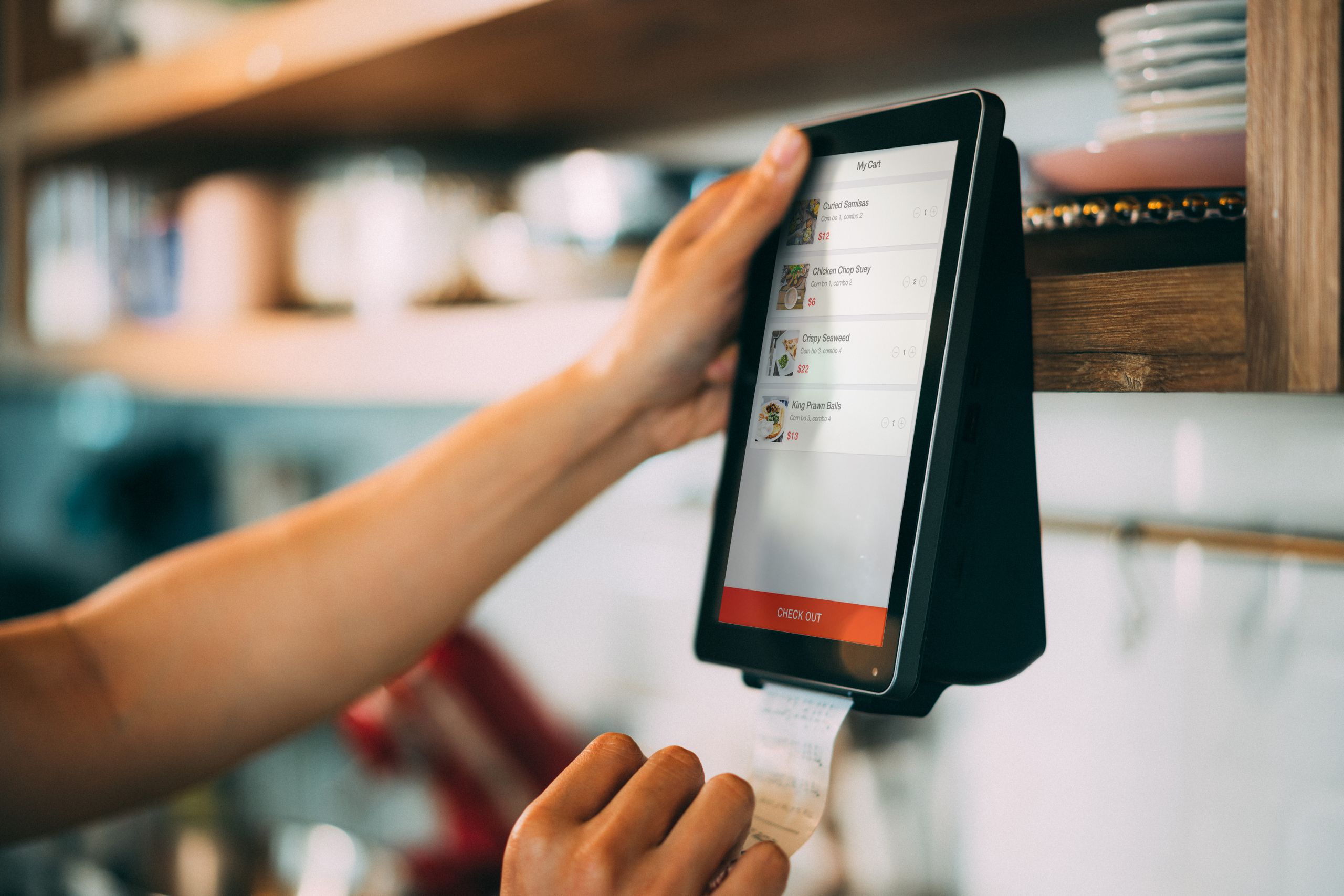
Convenience is useful, but it can also become expensive. One-click ordering, saved cards, stored addresses, buy-now buttons, and app-based checkout systems remove the small pause that used to happen before a purchase. That pause mattered because it gave shoppers time to reconsider.
When buying becomes almost invisible, spending feels less like spending. We do not withdraw cash, read the total aloud, or type payment details. We tap, swipe, and move on. Retailers love this because fewer steps mean fewer abandoned carts. We should create our own friction by turning off instant checkout for nonessential purchases or keeping a 24-hour cart rule for items we did not plan to buy.
Charm Pricing Still Tricks the Eye
The difference between $9.99 and $10 is only one cent, but the brain often treats it like a bigger gap. Charm pricing works because many shoppers read prices from left to right. The first number lands hardest, so $9.99 can feel closer to $9 than $10, even when the difference is almost meaningless.
Retailers use this because it makes prices feel softer without giving up much revenue. The same method appears in grocery aisles, on clothing racks, in online carts, on fast-food menus, and in household goods. We should mentally round prices up, not down. A $4.99 item is a $5 item. A $29.99 item is a $30 item. That tiny mental adjustment can make a shopping cart look much more honest.
Loyalty Programs Turn Spending Into a Game

Loyalty programs can save money, but they can also train shoppers to spend more often. Points, badges, member-only prices, birthday rewards, tier upgrades, app coupons, and streak bonuses make shopping feel like progress. The customer returns for the reward, and the retailer gains repeat behavior, personal data, and more chances to sell.
The danger comes when we buy to earn rather than earn from what we already planned to buy. A $5 reward loses value when it requires $50 in extra spending. A loyalty program should serve the budget, not lead it. We should join only the programs attached to stores we already use and ignore rewards that require unplanned purchases.
Free Shipping Minimums Inflate the Cart
Free shipping sounds like a gift, but it often works like a spending trap. A shopper with a $32 cart may add an unnecessary $18 item to reach a $50 free-shipping threshold, even when the shipping fee was only $6. The word “free” makes the extra purchase feel logical, although the final bill proves otherwise.
This trick works because shoppers hate paying for delivery more than they hate buying another product. The fee feels like wasted money, while the added item feels like value. Retailers know this and set thresholds just above the average cart size. We should compare the added cost with the shipping cost. Paying the fee can be cheaper than buying clutter.
Supersized Carts Encourage Supersized Spending
A large shopping cart can make a reasonable grocery run look unfinished. Empty space creates a subtle sense that we have not bought enough. Big carts are especially effective in supermarkets, warehouse clubs, and home stores where bulk items and impulse buys blend into the same trip.
The cart changes the visual scale of spending. A few items in a basket feel complete, but those same items in a giant cart feel small. That gap invites extras. We should choose a basket for short trips and a smaller cart whenever possible. Physical limits are among the simplest ways to prevent the store from expanding its shopping list.
Free Samples Trigger the Urge to Return the Favor
Free samples feel generous, but they are built on a powerful social instinct. When someone gives us something, even a tiny bite of cheese or a sip of coffee, we often feel a small urge to respond. Buying the product becomes a quiet way to settle the emotional account.
The sample also reduces risk. We know the taste, scent, texture, or quality before buying, so the product feels safer. That is why samples work so well in grocery stores, warehouse clubs, beauty counters, and food courts. We should enjoy the sample without treating it like a contract. Gratitude does not need to become a purchase.
Subscription Plans Profit From Forgetfulness

Subscription services often win because cancellation requires attention. Streaming apps, meal kits, software tools, beauty boxes, fitness apps, delivery memberships, and paid trials can become background charges. One forgotten renewal may look small, but several subscriptions can quietly eat into a monthly budget.
The real trick is inertia. Signing up is easy, but canceling can feel annoying, delayed, or hidden behind extra screens. The customer keeps paying because doing nothing is simpler than taking action. We should review subscriptions every month and cancel anything we would not actively sign up for again today.
Easy Returns Make Risky Purchases Feel Safe
A generous return policy can help honest shoppers, but it can also encourage overbuying. When returns feel easy, we order extra sizes, colors, styles, and backup options. The purchase feels temporary, so the spending feels less serious.
The catch is that returns still cost time, attention, fuel, packaging, and sometimes restocking or shipping fees. Some shoppers also keep items because returning them becomes inconvenient. Retailers benefit from that hesitation. We should buy as though returns will be annoying, because they often are. That mindset makes the first purchase more careful.
Conclusion
Smart shopping is not about refusing every pleasure. It is about refusing to let design, pressure, and hidden costs make decisions for us. The best deal is not the one with the loudest sign. It is the one that fits the need, the price, and the plan before the retailer gets involved.
Source notes used for accuracy: U.S. retail and food-service sales rose in April 2026, with nonstore retailers up strongly year over year, based on Census data. E-commerce accounted for about 16.8% to 16.9% of total U.S. retail sales in Q1 2026.
The Federal Reserve’s 2025 household well-being report found that price increases remained the most common financial concern, cited by just over 9 in 10 adults. BLS data show that food prices continued to rise in 2025, including for food away from home. The FTC’s fee rule for live-event ticketing and short-term lodging took effect in May 2025 and targets misleading hidden-fee pricing.