Nothing ages a room faster than the wrong word said with too much confidence. One minute you are in a work meeting, family group chat, grocery store line, or school pickup conversation, and the next minute someone says “groovy” like the decade never ended.
Language moves fast now. Social media, texting, memes, streaming culture, workplace Slack messages, and short videos can make a word feel fresh on Monday and embarrassing by Friday.
That is why Gen X, Boomer, and Millennial words that are not cool anymore can feel so funny and painful at the same time. They are not always bad words. Some were iconic, useful, or perfectly fine in their moment.
The problem is timing. A word can be harmless and still prompt younger people to exchange a silent look that says, “Please don’t say that again.”
Groovy
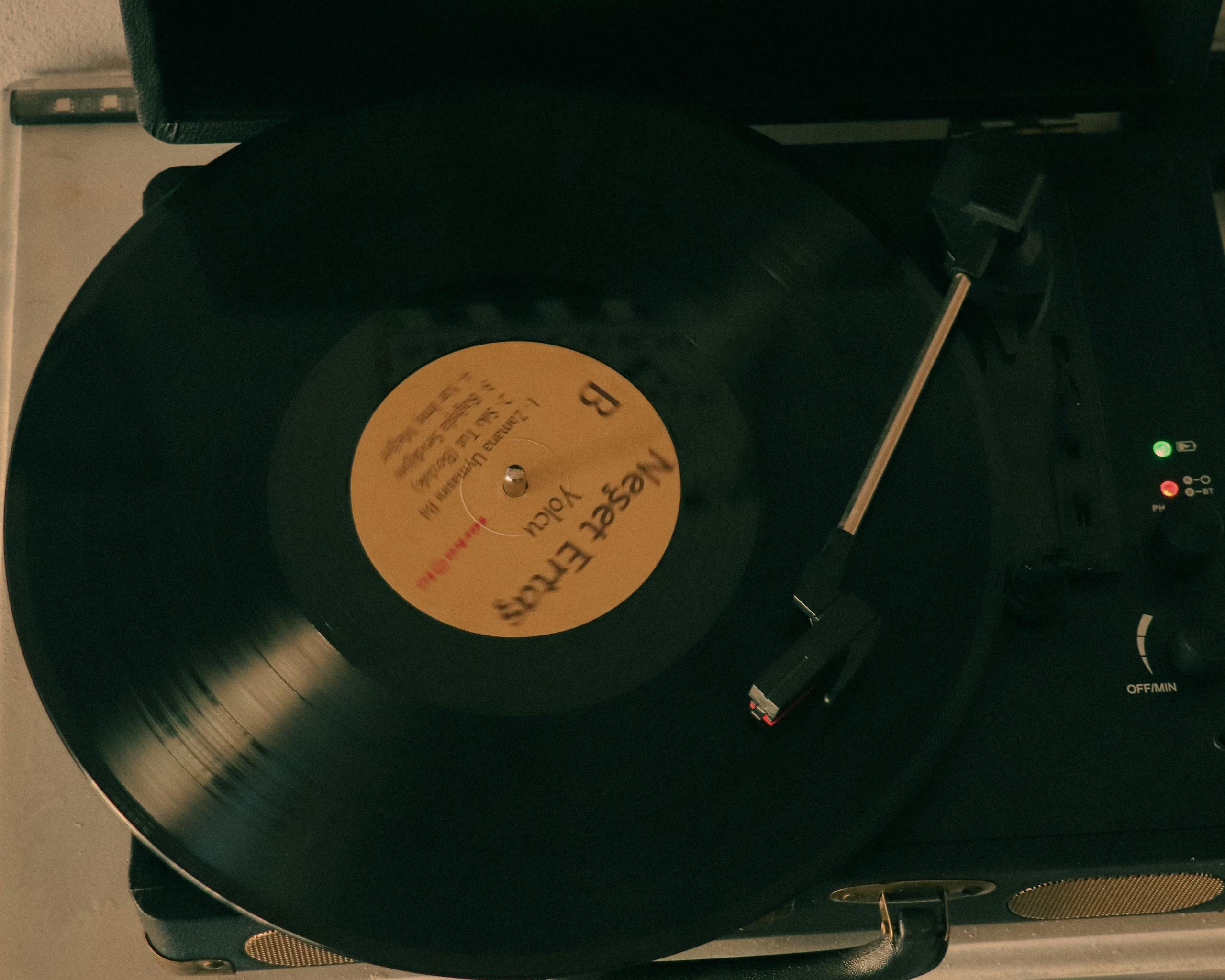
“Groovy” once had rhythm, color, and real cultural flavor. It belonged to music, counterculture, bell-bottoms, record stores, and a mood that felt loose, cool, and slightly rebellious in its time.
Now it often sounds like someone is wearing a Halloween version of the past. Unless it is being used with clear irony, “groovy” can make a normal sentence feel like it wandered out of an old sitcom.
Rad
“Rad” still has charm, especially for people who grew up around skate culture, surf energy, mall arcades, and Saturday morning cartoons. It is short, punchy, and once carried a casual cool that did not need much explanation.
The trouble is that younger ears often hear it as retro more than current. In a world where slang spreads quickly through teen platform habits, “rad” can sound less like excitement and more like someone quoting a decade they still miss.
Chillax
“Chillax” tries to do too much at once. It wants to be relaxed, playful, and casual, but it often lands like a dad joke wearing sunglasses indoors.
The word had its moment because combining “chill” and “relax” felt clever enough to stick. Now it can sound forced, especially when someone uses it to calm down a tense conversation that needed empathy, not a goofy verbal speed bump.
Amazeballs

“Amazeballs” came from a time when quirky internet language felt fresh, silly, and harmless. It had the energy of cupcakes, reaction GIFs, brunch captions, and early social media enthusiasm before irony swallowed everything.
Today, the word can feel painfully overdecorated. It announces excitement so hard that the excitement itself starts looking suspicious, like someone is trying to prove they are fun instead of simply being fun.
YOLO
“YOLO” once gave people permission to be bold, spontaneous, and slightly reckless. It showed up before questionable purchases, wild weekend plans, extra drinks, impulse trips, and decisions nobody wanted to explain later.
Now it often sounds like the preface to a bad idea. Slang can rise and fall fast because slang meaning shifts through use, repetition, and overexposure, and “YOLO” eventually became less cool than cautionary.
Adulting
“Adulting” once captured the exhaustion of paying bills, doing laundry, buying groceries, scheduling appointments, and trying to look functional while secretly feeling unprepared. Millennials made it useful by naming the shock of being responsible in an expensive world.
The word now feels tired because adulthood never stopped being hard. When rent, debt, childcare, and healthcare already feel heavy, calling basic survival “adulting” can sound too cute for how serious life has become.
Bae
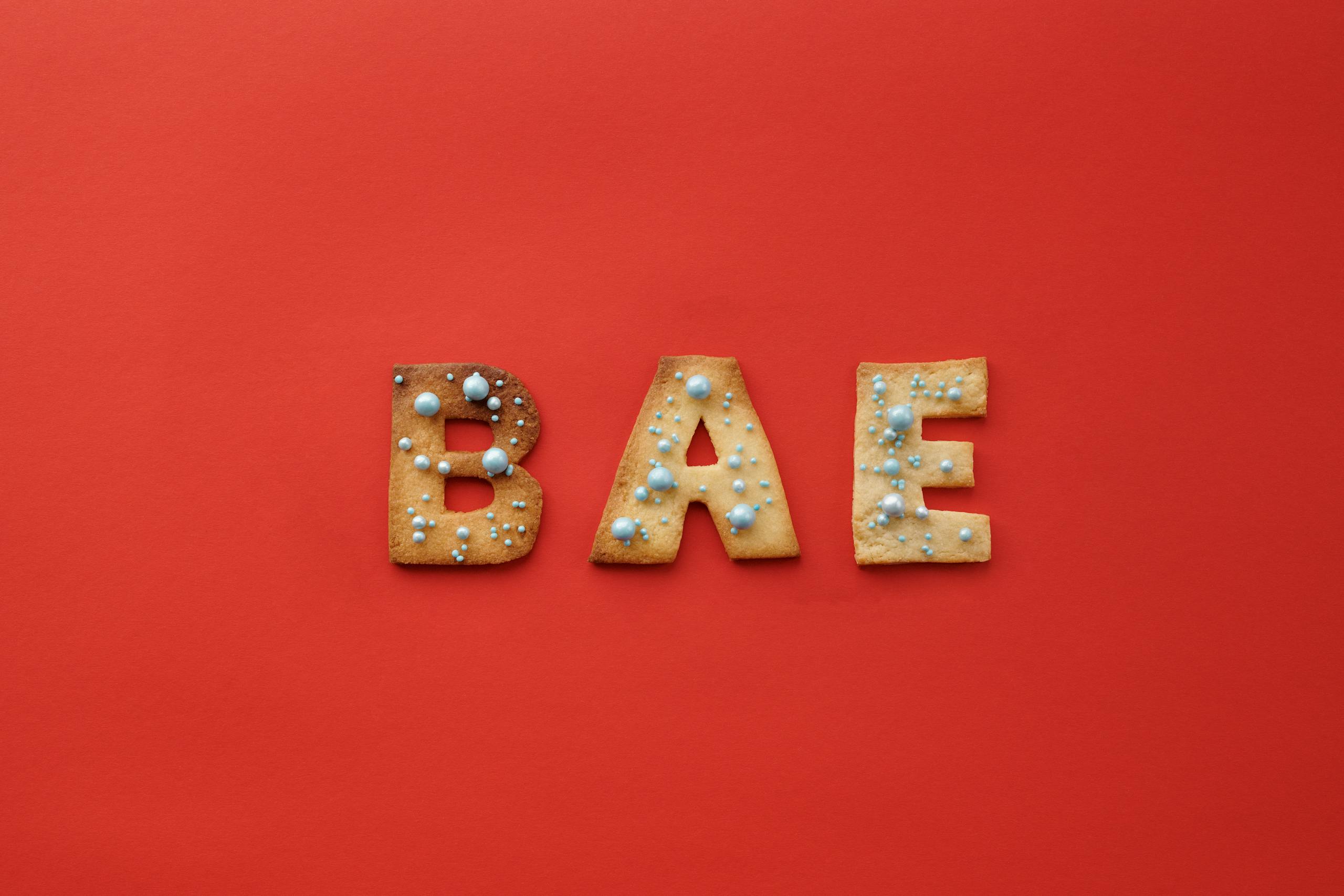
“Bae” had a strong run in captions, texts, pop culture, and casual flirting. It was short, affectionate, and easy to toss into a sentence without sounding too formal.
But once a word gets printed on mugs, shirts, throw pillows, and Valentine’s Day displays, the cool starts leaking out. “Bae” now often feels like a preserved social media fossil from a very specific moment in Millennial internet culture.
On Fleek
“On fleek” once ruled the beauty corner of the internet. Eyebrows, outfits, nails, makeup, hair, and confidence all passed through that phrase when people wanted to say something looked perfectly done.
The problem is that some phrases get too attached to the moment that made them famous. As newer terms like “rizz” moved into the mainstream through a major word-of-the-year spotlight, older internet slang like “on fleek” started sounding like it was locked in a different feed.
Yeet
“Yeet” was funny because it sounded like action. It could mean excitement, approval, surprise, or throwing something with dramatic force, which made it perfect for memes, sports clips, and chaotic online humor.
The word still exists, but it no longer hits with the same freshness. Even its yeet meaning history shows how flexible the term became, and once a word becomes too explainable, part of the magic disappears.
Slay
“Slay” still works in the right voice and the right room, but it has been stretched thin. People used it for outfits, performances, speeches, selfies, makeup, jokes, workouts, and almost any moment that needed applause.
That overuse made it lose some sparkle. The term’s slang definition shows how it became tied to doing something spectacularly well, but constant repetition can turn even a strong compliment into background noise.
Cheugy
“Cheugy” was supposed to call out things that seemed try-hard, outdated, or aggressively Millennial. It worked because it named a very specific kind of uncool: not awful, just a little too proud of being cute.
Then the word itself became the thing it was mocking. The cheugy meaning explains why it was aimed at trends that feel ordinary or old-fashioned, but once everyone had to explain it, the joke had already started aging.