You see it after the court date, after the cameras leave, after the family goes home, and the victim is still sitting with the damage. Bills keep coming, sleep stays broken, and the world expects them to return to normal as if nothing permanent happened.
Then the story shifts. People start talking about the offender’s childhood, potential, rehabilitation, future, and whether society should give them another chance. Those questions matter, but they can feel brutal when the victim is still fighting to get through an ordinary Tuesday.
That is why the idea that criminals get more second chances than victims hits such a raw nerve. It is not always about wanting endless punishment. Sometimes it is about watching compassion arrive faster for the person who caused harm than for the person forced to survive it.
America talks a lot about justice, redemption, and moving forward. But many victims feel trapped in the part nobody wants to discuss: what happens after everyone else decides the case is over.
The Courtroom Often Centers the Accused More Than the Hurt
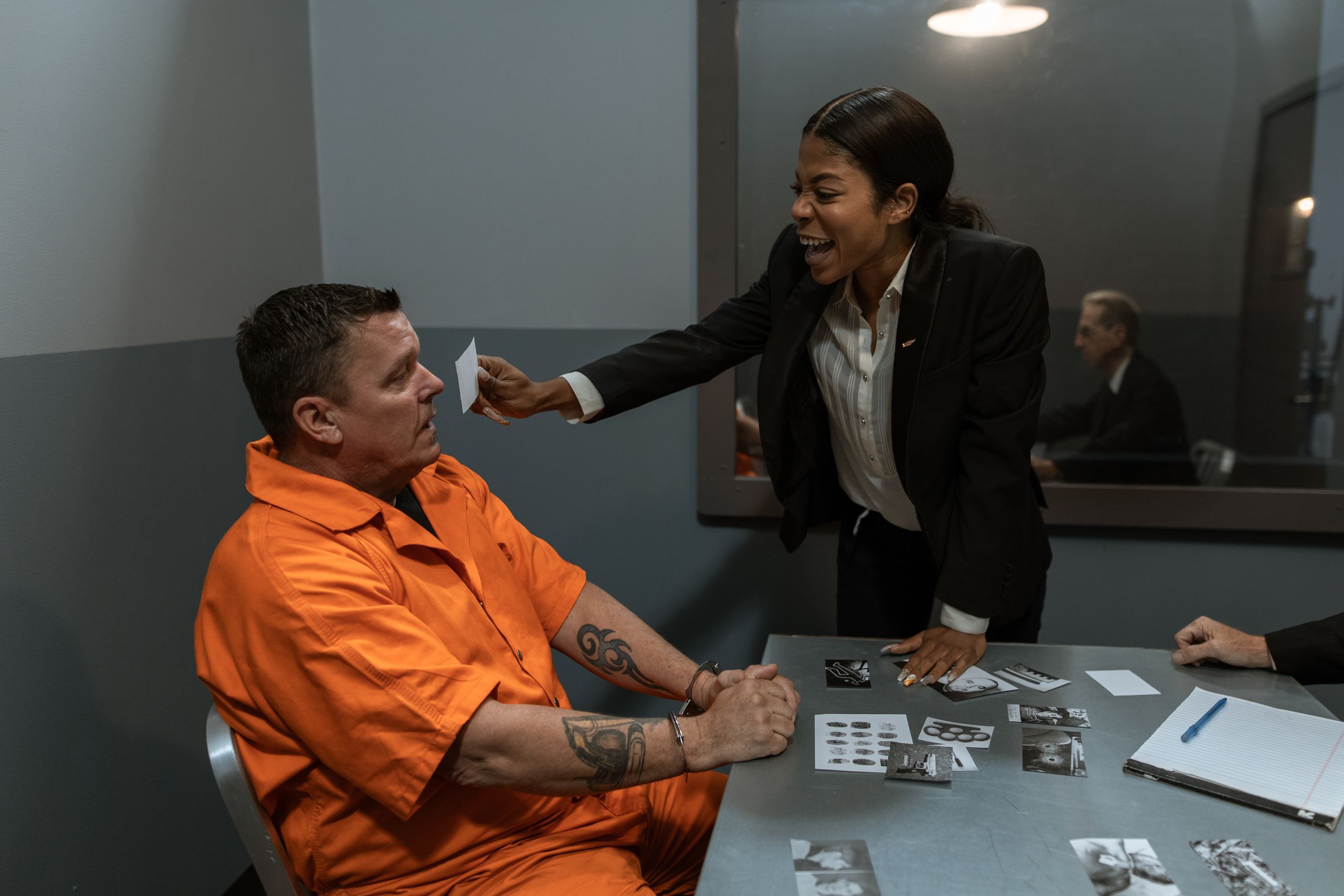
The justice system must protect the rights of the accused because wrongful convictions can destroy lives. That protection matters, and any fair system needs it. Still, victims can feel like side characters in a process built around charges, pleas, evidence, sentencing, and legal procedure.
Victims do have legal protections, including the right to be heard, to be treated fairly, and to receive restitution under crime victims’ rights. But having rights on paper does not always mean feeling seen in real life, especially when the process moves in a language only lawyers seem to speak.
Plea Deals Can Make Harm Feel Negotiated Away
Many criminal cases never reach a dramatic trial. They end through negotiations that may reduce charges, limit sentencing exposure, or resolve cases quickly because courts are overloaded and both sides face pressure to move on.
That can be efficient for the system, but painful for victims. When criminal defendants pleaded guilty in the overwhelming majority of federal cases examined, it showed how rare trials have become, and victims may feel that the full story is never publicly told.
Rehabilitation Programs Are Easier to Name Than Victim Recovery
Programs for people leaving jail or prison often have clear labels, goals, offices, and public language. Reentry, rehabilitation, diversion, supervision, job training, and second-chance initiatives sound organized, even when they are imperfect.
Victim recovery is often messier and less visible. A victim may need therapy, safe housing, transportation, medical care, lost wages, childcare, legal support, and years of emotional rebuilding, but that process does not always fit neatly into a press release.
Victims Often Have to Chase Help While Offenders Are Assigned Systems
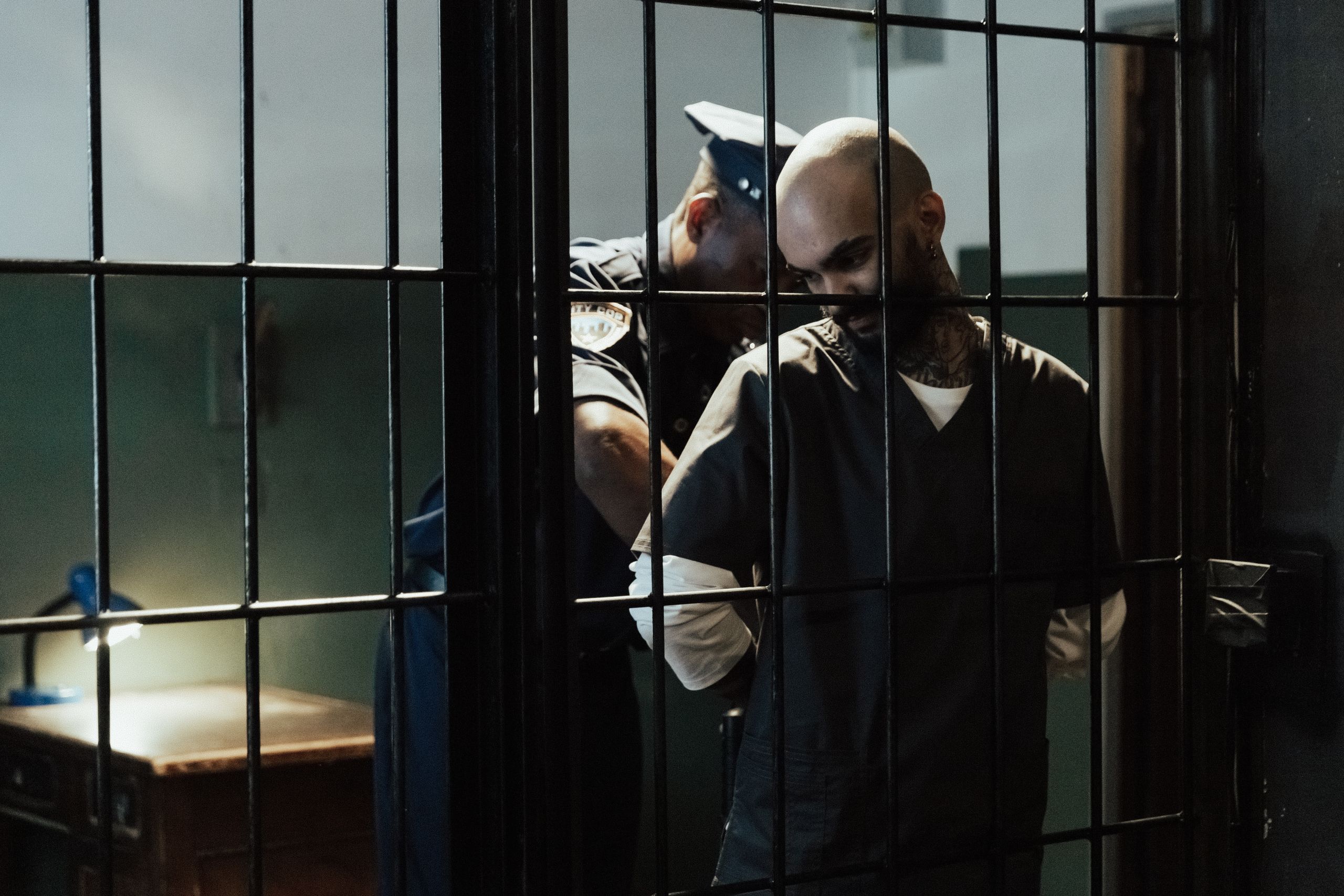
Someone convicted of a crime may be assigned probation, parole, mandated classes, case managers, check-ins, treatment requirements, or structured supervision. That system can be difficult, but it at least creates a pathway with names, dates, and officials attached.
Victims often have to find their own way through paperwork, phone calls, waiting lists, denied claims, and confusing rules. Even victim compensation programs collect data on applications, approvals, denials, and expenses, which hints at how much effort victims may face just to be considered for help.
Public Sympathy Loves a Redemption Story
America loves a comeback. A person who admits wrongdoing, finds faith, gets sober, learns a trade, writes a book, or speaks about change can become a powerful symbol of transformation.
That can be inspiring when it is honest. But it can also make victims feel erased, especially when the public becomes more interested in the offender’s second act than the victim’s first attempt to feel safe again.
Victims Are Expected to Forgive Before They Are Fully Healed
Many victims hear some version of the same message: move on, forgive, stop being bitter, do not let it define you. Those words may be well-meaning, but they can feel cruel when the person saying them does not have to live with the aftermath.
Forgiveness is not a public performance. It cannot be forced by family pressure, community discomfort, faith language, or people who want the story wrapped up because the victim’s pain makes them uneasy.
Restitution Sounds Stronger Than It Often Feels

Restitution can sound like accountability because it suggests the person who caused harm must help repair the damage. In practice, victims may wait a long time, receive small payments, or never recover anything close to what they lost.
Money cannot undo trauma, but unpaid costs can deepen it. Medical bills, therapy, property damage, relocation, missed work, and security costs can become a second punishment for people who have already paid emotionally.
Crime Statistics Can Hide the Personal Aftermath
Numbers matter because they help the public understand trends, funding needs, and safety concerns. But statistics can also flatten pain into a chart when victims are living with panic attacks, distrust, lost income, and family disruption.
National data on violent victimization can show how many people experience crime, but it cannot fully capture what one assault, robbery, stalking case, or violent threat does to a person’s daily life. The public sees rates, but victims live with consequences.
The System Measures Reoffending More Clearly Than Healing
A person who commits a crime again can be tracked through arrests, convictions, incarceration, supervision violations, and recidivism studies. That kind of measurement gives policymakers something concrete to debate and fund.
Victim healing is harder to measure. Recidivism research shows how the justice system tracks repeat offending, but there is no equally simple national scoreboard for restored sleep, repaired trust, reduced fear, or a victim finally feeling safe in their own neighborhood.
Victim Services Often Fight for Money After the Headlines Fade
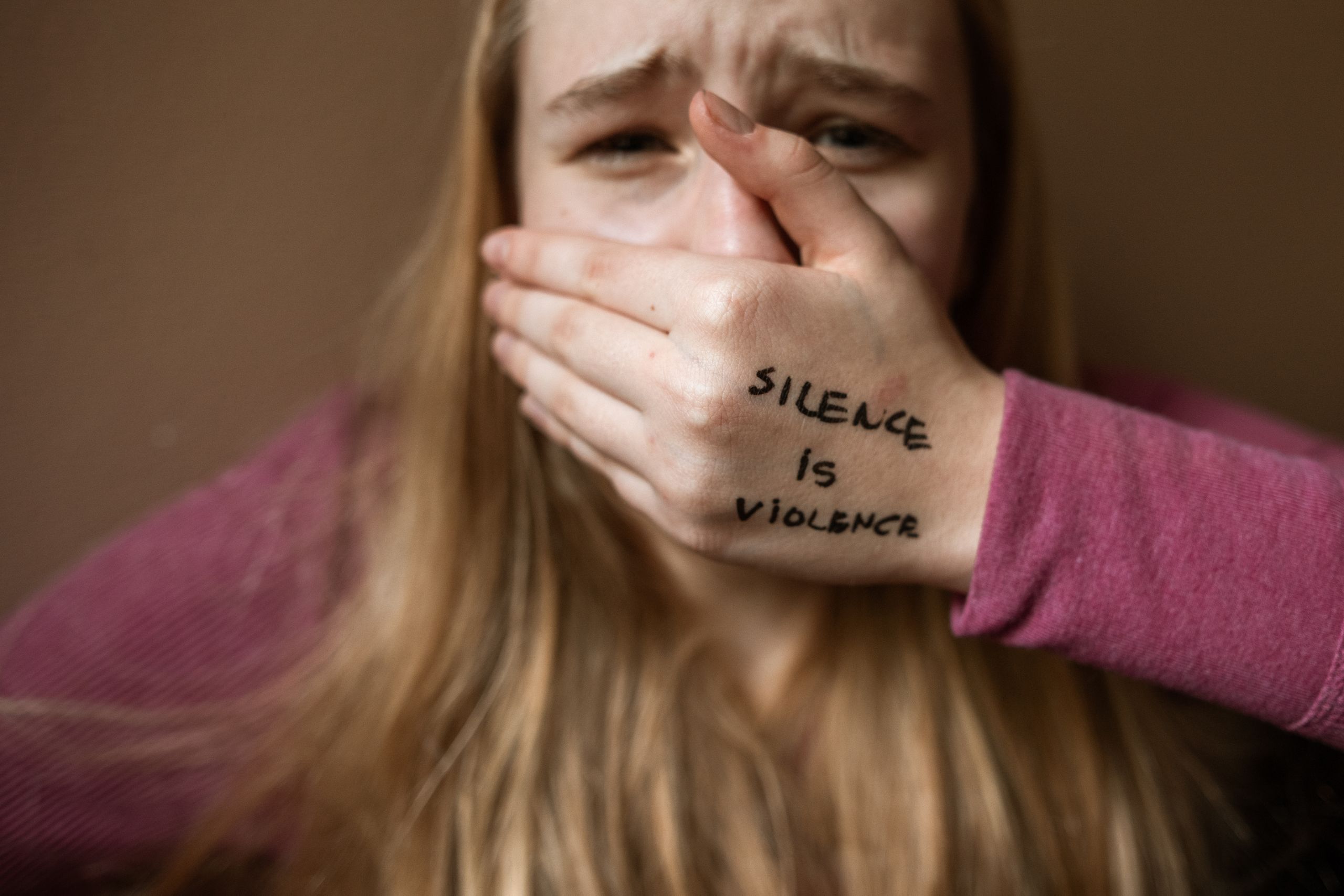
The public may care intensely right after a crime, but attention moves quickly. Victim service organizations are left doing the quieter work of counseling, safety planning, legal navigation, crisis response, and long-term support.
That work depends on funding, staffing, and political will. When victim services funding is threatened or reduced, the people most affected may be the same victims everyone claimed to support when the story first broke.
Key Takeaway
The reason some people feel criminals get more second chances than victims is not always because society cares too much about rehabilitation. It is often because society still does not care enough about the long, expensive, lonely road victims face after harm is done.
Second chances can matter. People can change, and a justice system that never allows for repair can cause more harm. But any conversation about redemption becomes hollow when victims are left with trauma, bills, fear, and silence.
A fair society should be able to hold two truths at once. People who cause harm can be offered a path to accountability and change, but victims should never feel like their pain became less important the moment the offender’s future became more interesting.