Food inflation has turned ordinary grocery runs into small financial negotiations. We no longer walk into the store thinking only about cravings, recipes, or family favorites. We compare ounces, scan shelf tags, question brand loyalty, and quietly put back the foods that used to feel normal. A cart that once carried comfort now carries compromise.
The most painful part is how familiar these foods are. We are not talking about luxury caviar, rare imported cheese, or fine dining tasting menus. We are talking about coffee, beef, berries, cereal, snacks, fast food, orange juice, seafood, and simple deli sandwiches. These are everyday American staples that have slowly drifted into “maybe next time” territory.
Fast Food Combo Meals No Longer Feel Cheap
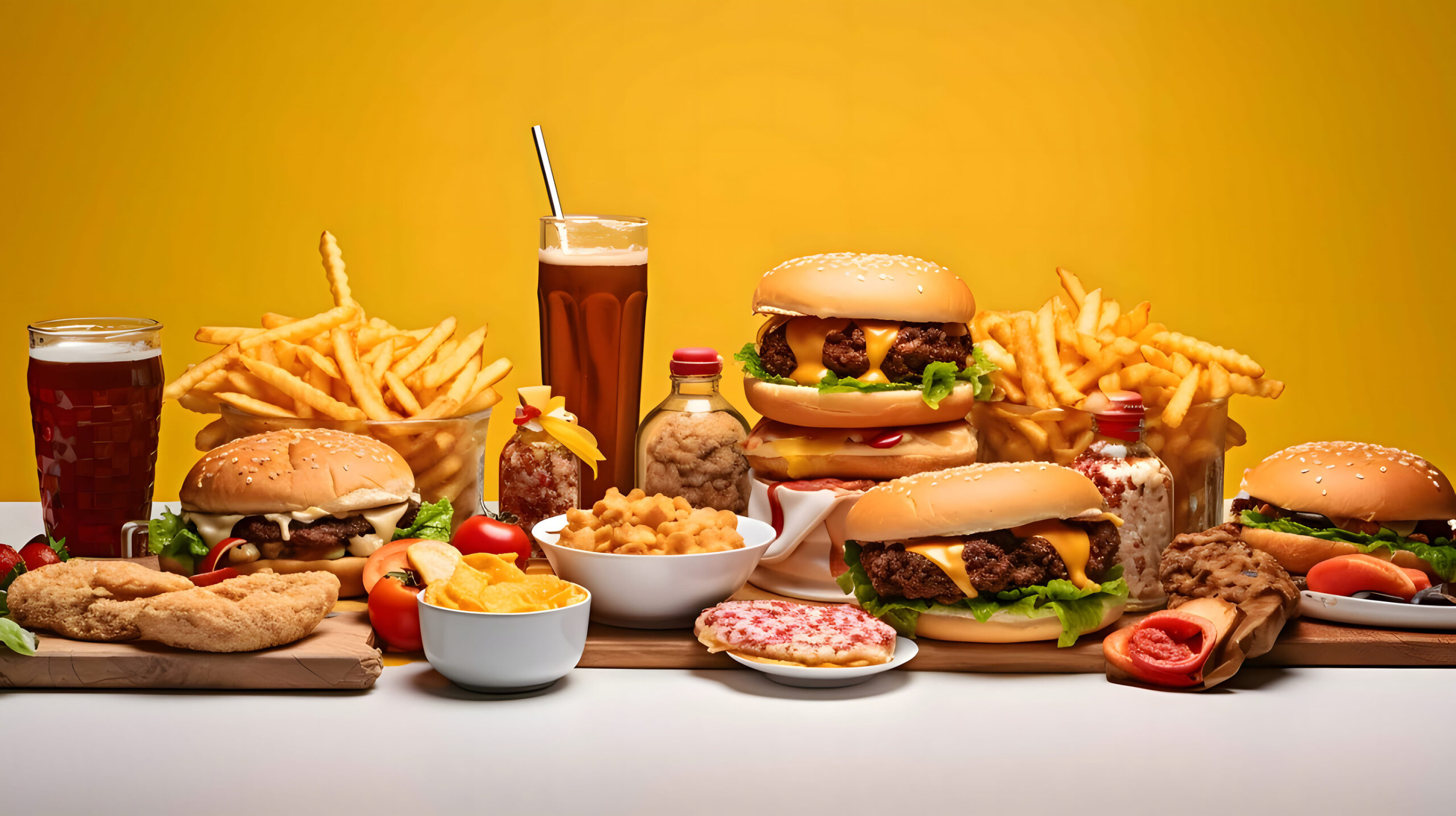
Fast food used to be the easy answer when we were tired, busy, or simply not in the mood to cook. A burger, fries, and drink once felt like a low effort bargain, especially for families juggling work, school, errands, and late nights. Now, many Americans stare at drive-thru menus and wonder when a quick meal started looking like a restaurant bill.
The frustration comes from the broken promise of fast food. We accept that restaurants cost more because they offer service, atmosphere, and a sit-down experience. Fast food was supposed to be quicker and cheaper. When combo meals climb into double-digit territory, families start comparing them to rotisserie chicken, frozen meals, supermarket prepared foods, or leftovers at home. The result is simple. People are not giving up convenience completely, but they are becoming far more selective about when that convenience is worth the price.
Coffee Has Become a daily habit, people are pricing.
Coffee is not just a drink in American life. It is a morning ritual, a workday companion, a small comfort, and for many people, the only polite way to begin the day. That is why rising coffee prices hit differently. We may cut back on steak or skip a bakery treat, but coffee sits inside the rhythm of everyday life.
Many shoppers are now trading premium blends for store brands, buying larger bags on sale, brewing at home, or reducing expensive coffee shop runs. The shift is not always dramatic. Sometimes it means skipping the afternoon latte. Sometimes it means choosing regular drip coffee instead of a specialty drink. Sometimes it means stretching a bag of beans longer than usual. The habit remains, but the spending around it has changed.
Steak Is Sliding Out of the Weekly Dinner Plan
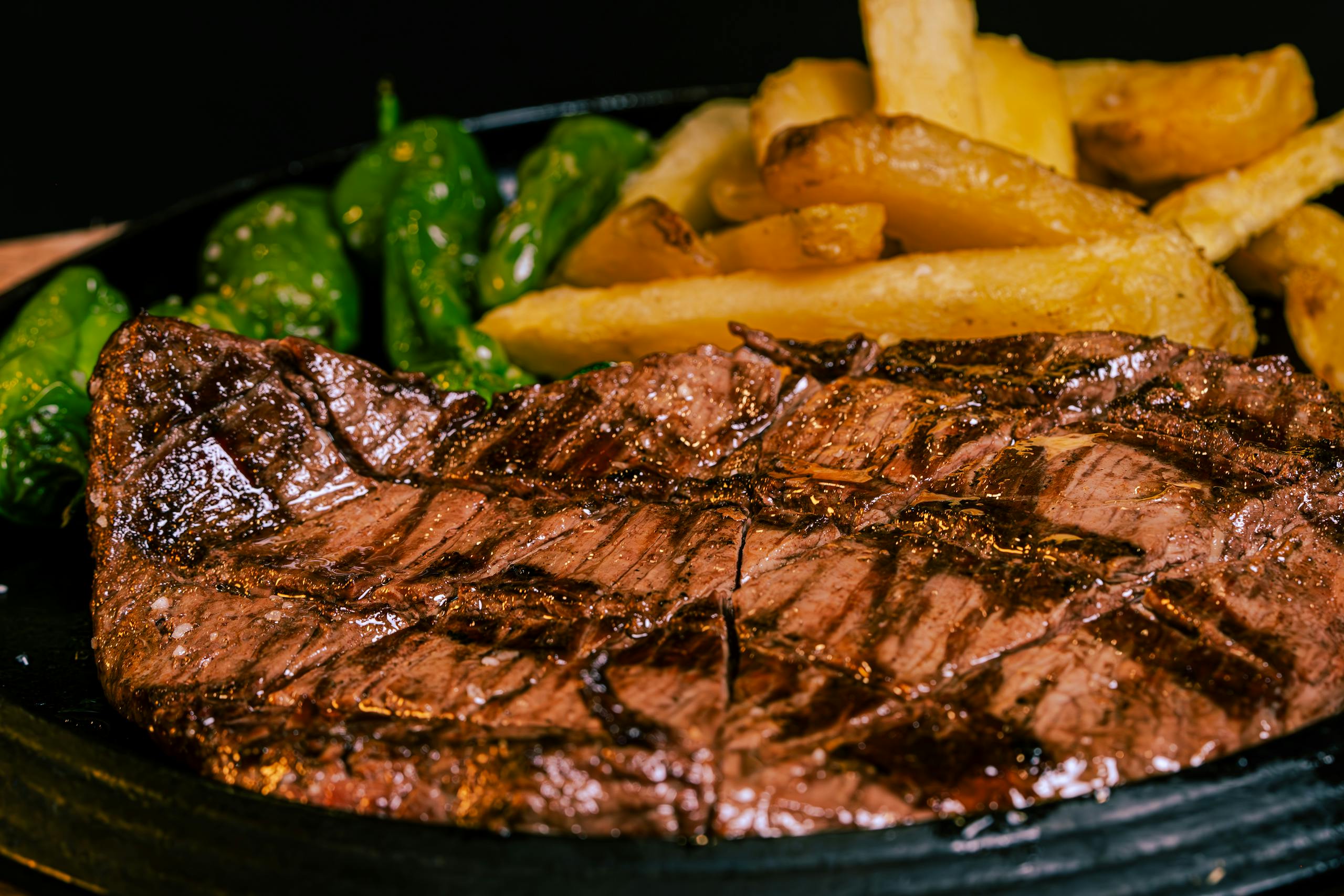
Steak has always carried a little status, but it used to be reachable for many families during weekend dinners, backyard cookouts, holidays, or small celebrations. Now beef prices have made steak feel less like a routine protein and more like an occasion. Families that once bought ribeye, sirloin, or New York strip without much debate are now pausing at the meat case.
The bigger change is psychological. When shoppers see beef prices jump, they do not always replace steak with another cut of beef. They often move entirely to chicken thighs, pork shoulder, ground turkey, beans, lentils, eggs, or plant-based meals. We are watching a practical reset in how Americans build dinner plates. Steak is still loved, but love is not always enough when the recipe feels punishing.
Fresh Vegetables Are Becoming a Budget Shock
Fresh vegetables should never feel like a luxury, yet shoppers have felt sharp price pressure across produce aisles. Tomatoes, leafy greens, peppers, cucumbers, and other fresh items can swing wildly depending on weather, labor costs, transportation, and seasonal supply. For families trying to eat healthier, that creates an ugly problem. The foods we are told to buy more often are sometimes the ones that stretch the grocery bill the fastest.
This does not mean Americans are abandoning vegetables altogether. Many are buying frozen vegetables, choosing longer-lasting options like carrots and cabbage, shopping for seasonal produce, or skipping pre-cut packages. The fresh produce section has become a place where people calculate waste risk. If berries or salad greens spoil before they are eaten, the real cost becomes even higher than the shelf price.
Seafood Has Drifted Into Special Occasion Territory
Fresh salmon, shrimp, crab, scallops, and high-quality white fish have become harder to justify for everyday meals. Seafood has always been sensitive to transportation, fuel, storage, weather, labor, and global supply problems. When those pressures rise at the same time, the seafood counter starts to feel less like dinner inspiration and more like a financial warning sign.
Families are adapting by choosing canned tuna, frozen fish fillets, imitation crab, fish sticks, or smaller portions of fresh seafood. Some are using seafood as a flavor accent instead of the main protein, adding shrimp to pasta or salmon flakes to rice bowls instead of serving large portions. The craving has not disappeared. The serving size has.
Brand Name Cereal Is Losing Its Grip on Breakfast
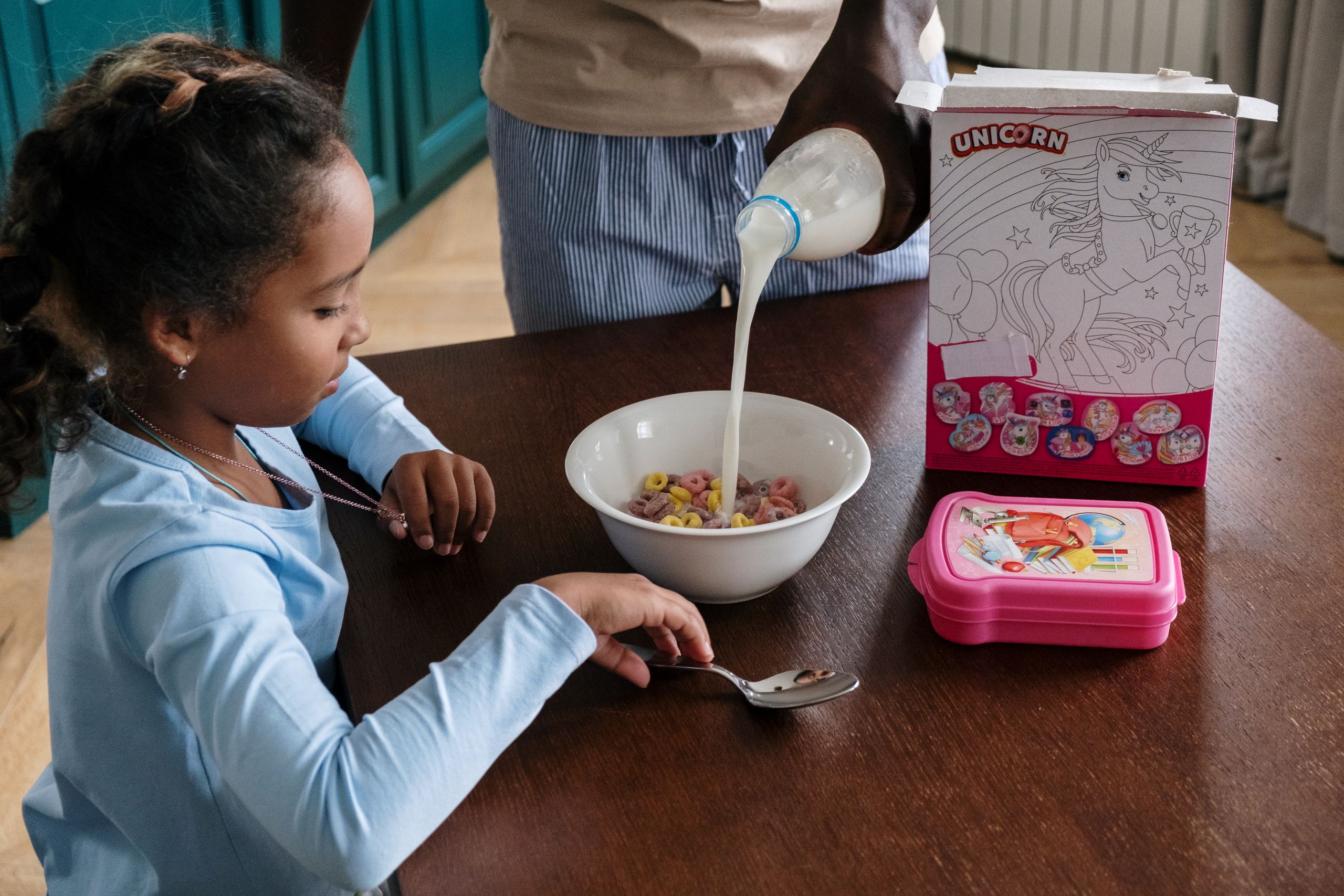
Cereal used to be one of the easiest breakfast wins. Pour, add milk, feed the kids, move on with the morning. But shoppers have started questioning the price of big-name cereal boxes, especially when package sizes shrink, or family-size boxes creep toward prices that feel hard to defend. The cereal aisle now tests brand loyalty in real time.
Many families are turning toward oatmeal, eggs, yogurt, toast, generic cereal, or bulk breakfast options. Parents are also noticing that some cereals function more like dessert than breakfast, which makes the high price even harder to accept. When a box disappears in two mornings and costs nearly as much as a simple homemade breakfast for several days, the math becomes difficult to ignore.
Chips and Snack Foods Are Getting Harder to Defend
Snack foods are some of the clearest examples of shrinkflation frustration. The bag looks familiar, the price feels higher, and the amount inside often feels smaller. Americans still love chips, crackers, pretzels, popcorn, cookies, and salty snacks, but many shoppers now feel they are paying more for air, packaging, and habit.
The backlash is showing up in shopping behavior. People buy snacks only during sales, switch to store brands, choose larger warehouse packs, or replace chips with popcorn kernels, nuts, fruit, or homemade snacks. The snack aisle survives because cravings are powerful. Still, the old habit of tossing two or three bags into the cart without thinking is fading fast.
Orange Juice Is Losing Its Breakfast Table Power
Orange juice once felt like the official drink of breakfast. It sat beside cereal, toast, eggs, and pancakes as if it belonged there by tradition. Now, premium orange juice can feel surprisingly expensive, especially when shoppers compare it with whole fruit, water, tea, powdered drinks, or cheaper juice blends.
The problem is bigger than one carton. Citrus disease, weather issues, reduced orange production, processing costs, and transportation pressures have all contributed to higher prices over time. Families that still want orange juice may buy smaller bottles, wait for sales, or serve it less often. The morning glass has become more occasional, less automatic.
Deli Sandwiches Are No Longer the Easy Lunch Bargain
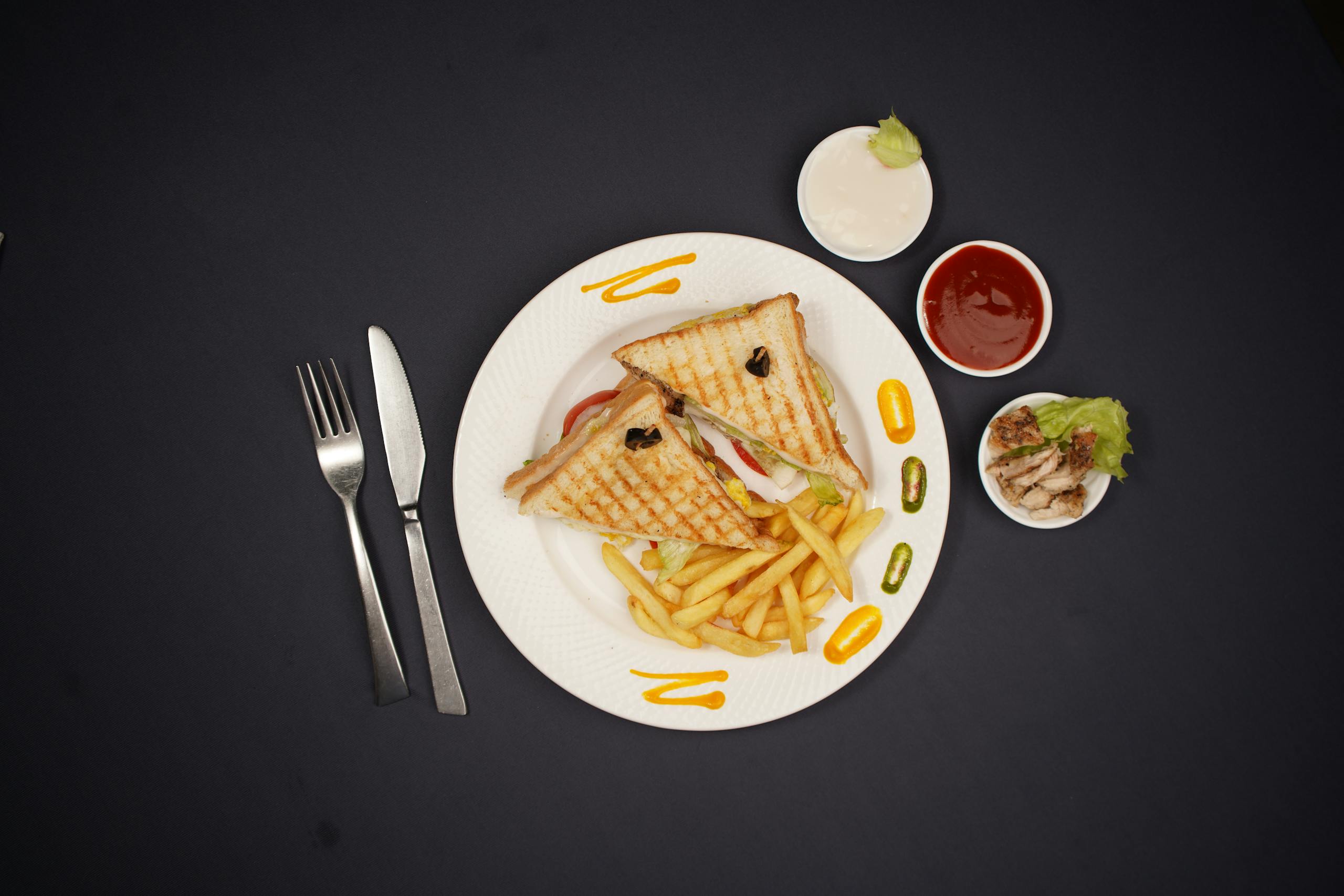
The supermarket deli sandwich used to sit in a sweet spot. It was cheaper than a restaurant meal, faster than cooking, and more satisfying than a sad desk snack. Now, many shoppers look at the price and wonder why a basic sandwich costs so much. Bread, meat, cheese, labor, packaging, and store overhead have all pushed that once-simple lunch into uncomfortable territory.
This is driving people back to meal prep. We are seeing a return to homemade sandwiches, packed leftovers, tuna salad, egg salad, wraps, and bulk lunch ingredients. The deli counter still wins when time is tight, but it no longer feels like an easy bargain. Once a sandwich starts competing with a full meal in price, shoppers become less forgiving.
Bacon Is Becoming a Smaller Weekend Treat
Bacon has never been the healthiest food on the plate, but it has always had emotional power. It smells like weekends, diners, brunch, road trips, and slow mornings. The problem is that bacon prices and smaller package sizes have made many shoppers rethink how often it belongs in the cart.
Families are stretching bacon instead of making it the star. They crumble it into eggs, add a few strips to sandwiches, use it for flavor in soups, or save it for special breakfasts. Some switch to sausage, turkey bacon, ham, or skip breakfast meat altogether. Bacon has not lost its appeal. It has simply become one of those foods people use more carefully.
Fresh Berries Are Becoming a Risky Little Splurge
Fresh berries can feel painful at checkout because the containers are small, the shelf life is short, and the price often feels high. Blueberries, raspberries, blackberries, and strawberries are loved by parents, smoothie drinkers, bakers, and health-conscious shoppers. Yet one forgotten container in the back of the fridge can turn into a moldy reminder of wasted money.
That is why frozen fruit has become a smarter choice for many households. Frozen berries work well in smoothies, oatmeal, yogurt bowls, sauces, baking, and desserts. They last longer, reduce waste, and often cost less per serving. Fresh berries still win for flavor and texture, but many shoppers now reserve them for sales, school lunches, gatherings, or immediate use.
Bakery Desserts Are Losing to Homemade Sweets
Cakes, cupcakes, cookies, pastries, and bakery case desserts have become harder to justify as everyday treats. The ingredients, labor, packaging, and retail markup all show up in the final price. A small cake or box of cupcakes can quickly cost more than families expect, especially when celebrations already include gifts, meals, decorations, and travel.
Home baking is making a quiet comeback because it gives families more control. Boxed cake mix, homemade cookies, brownies, banana bread, and simple sheet cakes offer comfort without the same sticker shock. People still buy bakery desserts for birthdays, holidays, and special moments, but the casual “just because” bakery purchase is easier to skip now.
Chicken Wings Are No Longer the Cheap Party Food

Chicken wings used to be the fun, messy, affordable crowd pleaser for game days, bar nights, and casual dinners. Demand changed that. Restaurants, delivery apps, sports bars, and home cooks all compete for the same popular cut, and prices often reflect that pressure. What once felt like budget party food can now cost more than shoppers expect.
Many families are shifting toward thighs, drumsticks, whole chickens, or boneless cuts that deliver more meat for the money. The flavor can still be bold with the right seasoning, sauce, and cooking method. Wings remain a favorite, but they are no longer the automatic cheap choice for feeding a hungry group.
How Food Inflation Is Rewriting the American Grocery List
The biggest change is not that Americans suddenly dislike these foods. The bigger story is that shoppers are becoming more strategic, more skeptical, and less loyal to old habits. We compare price per ounce, watch for shrinkflation, swap fresh for frozen, buy store brands, cook at home, and reserve certain foods for special occasions.
This new grocery behavior is not only about saving money. It is about regaining control. When prices feel absurd, families respond by changing the rules of the kitchen. Steak becomes occasional. Fast food becomes less automatic. Coffee becomes more homemade. Berries move to the freezer. Snacks wait for sales. The American grocery list is still full of comfort, but now every comfort has to earn its place in the cart.
Conclusion
Food prices have forced Americans to rethink meals that once felt ordinary. Coffee, seafood, cereal, bacon, orange juice, bakery desserts, deli sandwiches, berries, wings, fast food, and steak are not disappearing from American life, but they are losing their everyday status. The emotional pull is still there. The financial patience is not.
We are entering a grocery era where value matters more than habit. The families who adjust fastest are not giving up joy at the table. They are finding smarter ways to keep it. The new question in the aisle is no longer “Do we like this?” It is “Is this still worth what they are asking us to pay?”