Youth has a funny way of making life feel endless. We think there will always be more time to call people back, save money, take care of our bodies, travel, apologize, start over, or become the version of ourselves we keep postponing. Then life quietly speeds up. One day, the things we ignored stop looking small, and they start looking expensive, emotional, or impossible to recover.
The hardest regrets are rarely dramatic. They are usually ordinary choices repeated for years. We skip the workout, avoid the difficult conversation, ignore our teeth, stay in the wrong friendship, spend money without a plan, or let fear dress itself up as patience. The good news is that regret can become a warning signal instead of a life sentence. If we are still breathing, we still have room to change direction.
Not Saving and Investing Before Life Became Expensive

One of the biggest regrets people carry into adulthood is waiting too long to take money seriously. When we are young, saving can feel almost pointless because the amounts look too small to matter. That is the trap. Small amounts invested consistently over time can become powerful because time does the heavy lifting. The earlier we begin, the less pressure we put on our future selves to catch up.
We do not need to become financial experts overnight. We need to build the habit of paying ourselves first, even when the amount feels boring. Emergency savings protect us from panic, and long-term investing gives our future more options. Many people do not regret buying fewer lattes. They regret never creating a system that made freedom possible.
Treating Fitness Like a Future Problem
A young body can forgive a lot, but it does not forget everything. We can survive late nights, bad posture, junk food, long hours of sitting, and weeks without exercise for a while. Then the bill arrives quietly through back pain, low energy, stiff joints, poor sleep, weight gain, and doctor visits that feel too early. Many adults eventually realize that fitness is easier to maintain than rebuild.
We do not need extreme gym routines to protect our health. Walking, strength training, stretching, and consistent movement can change the way we age. The mistake is waiting until exercise becomes a medical instruction instead of a personal choice. A strong body is not only about appearance. It is a form of independence.
Staying in Friendships That Were Already Draining Us

Many people regret giving their best years to friendships that left them tired, small, or constantly anxious. A bad friendship does not always look dramatic. Sometimes it looks like one-sided effort, quiet disrespect, jealousy, gossip, emotional dumping, or a pattern of being available for someone who disappears when we need support. We often stay because history feels like a contract.
The truth is that time spent trying to revive a dead friendship is time taken from healthier connections. We can care about people and still admit they no longer belong close to us. Friendship should not feel like auditioning for basic respect. As we grow older, we learn that peace is worth more than keeping every old name in our phone.
Letting Fear Ruin Romantic Possibilities
A surprising number of adults look back and regret the chances they never took in love. They remember the person they wanted to speak to, the date they avoided, the feelings they buried, or the relationship they never tried because rejection seemed too humiliating. Youth often exaggerate embarrassment. It makes one awkward conversation feel like a public disaster.
We do not have to chase every attraction, but we should learn to be honest when something matters. Confidence grows when we survive vulnerability. A respectful conversation, a kind invitation, or a clear expression of interest can change the direction of a life. Even rejection can be useful, giving us an answer instead of a decade of wondering.
Wasting Years on Screens Without Noticing
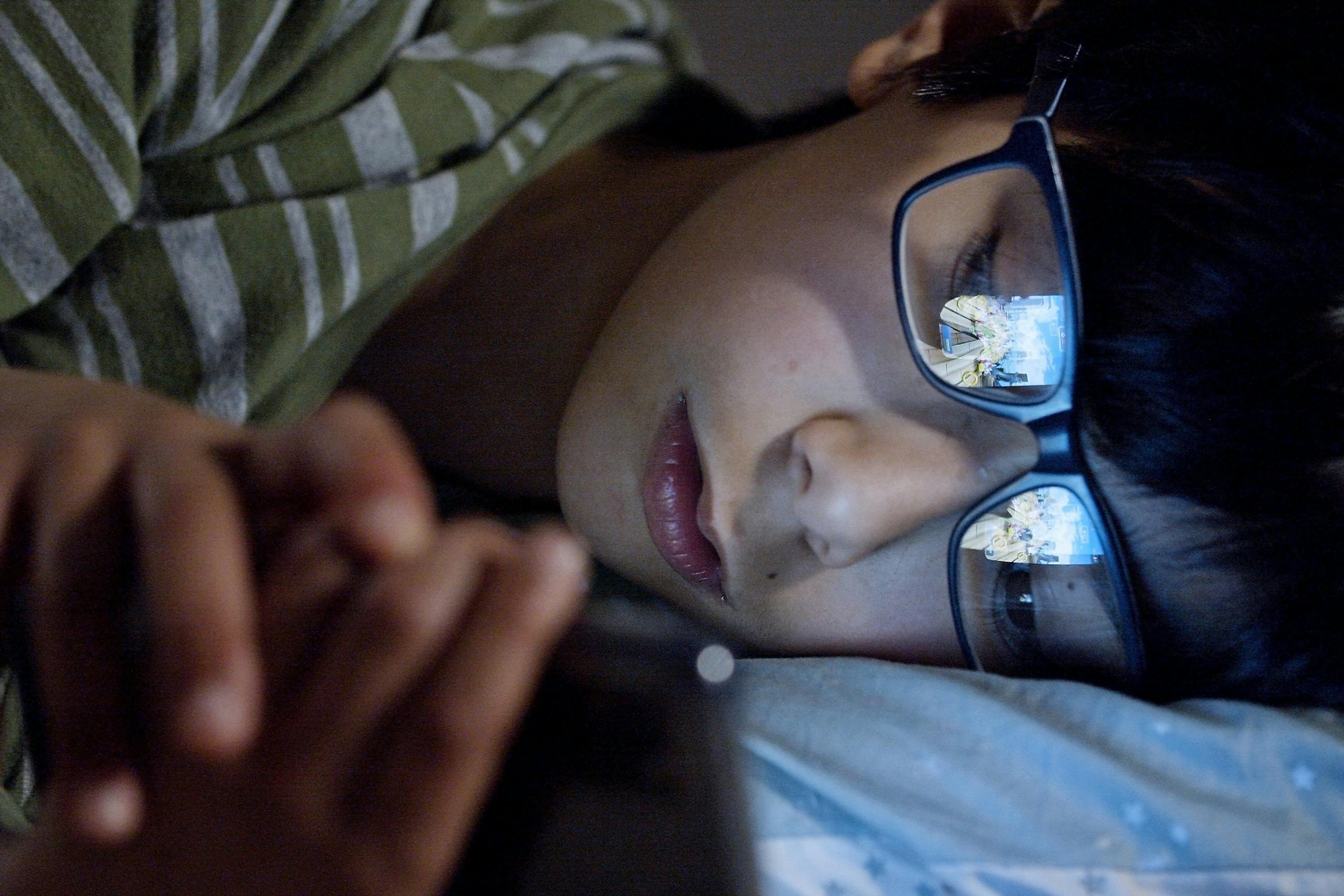
Rest is healthy, but numbness can disguise itself as rest. Many people regret the hours they lost scrolling, binge-watching, gaming, refreshing feeds, or arguing with strangers online. The danger is not one lazy evening. The danger is how easily tiny sessions can turn into years of distracted living.
We do not need to hate technology to use it better. We need boundaries that protect attention, sleep, creativity, relationships, and ambition. The phone should be a tool, not a remote control for our entire personality. When we look back, we rarely wish we had watched more random clips. We wish we had spent more time on things that made us feel alive.
Avoiding Hard Conversations With Family
Many people do not realize their older relatives are living libraries until those libraries close. Grandparents, parents, aunts, uncles, and elders often carry family history, recipes, migration stories, mistakes, sacrifices, humor, and warnings that no document can fully replace. When we are young, we may assume those conversations can wait. Then one day, the person is gone, and the questions finally arrive.
We should ask about childhoods, love stories, hardships, family names, old photos, cultural traditions, and the moments that shaped them. Even difficult family relationships can sometimes benefit from honest conversation, boundaries, or closure. We do not get unlimited chances to hear someone’s voice explain where we came from. A simple visit can become a treasure years later.
Neglecting Sleep Like It Was Optional

Sleep is often the first thing young people sacrifice, and one of the first things older people wish they had respected. We trade it for work, parties, stress, revenge scrolling, late-night shows, and poor planning. At first, the damage feels manageable. Then, exhaustion starts to affect mood, memory, decision-making, appetite, skin, productivity, and emotional control.
We should stop treating sleep as laziness. Rest is biological maintenance. A tired brain makes worse choices and calls them personality. Protecting sleep can improve almost every other area of life because energy sits underneath discipline, patience, creativity, and resilience. Many regrets begin with decisions made by an exhausted version of ourselves.
Forgetting to Maintain Old Friendships
Friendships often fade less from betrayal and more from neglect. We get busy, move cities, enter relationships, start demanding jobs, raise families, and assume there will be time later. Then later arrives, and the distance feels awkward. A message we could have sent in ten seconds becomes a silence that lasts ten years.
We do not need to speak to every old friend every week. We only need small signs of life. A birthday message, a voice note, a shared memory, a quick call, or a yearly visit can keep a bond alive. Strong friendships are not maintained by nostalgia alone. They need tiny acts of care repeated across time.
Not Protecting Mental Health Earlier

Many adults look back and realize they normalized anxiety, sadness, anger, shame, people-pleasing, burnout, or emotional numbness for too long. They thought struggling silently made them strong. They thought asking for help meant they were weak. They thought everyone else was coping better.
We should treat mental health with the same seriousness we give physical health. Therapy, support groups, honest friendships, journaling, exercise, boundaries, medication when appropriate, and professional care can change the entire direction of a life. We are not supposed to carry every wound into every room forever. Healing earlier gives us more years to live as ourselves.
Conclusion
Regret hurts because it shows us the distance between the life we lived and the life we sensed was possible. Still, regret can be useful when we stop using it to punish ourselves. It points to what matters. It shows us where we abandoned our needs, our courage, our people, our bodies, our money, or our future.
We cannot return to 18, 25, or 30 with everything we know now. We can do something better. We can use the lesson today. We can send the message, make the appointment, save the money, take the walk, book the trip, ask the question, leave the toxic room, or begin the work. The past may be fixed, but our next pattern is still available.