Modern health scares do not always arrive with flashing warning signs. Sometimes they sit quietly in a wine glass, a bathroom cabinet, a scented living room, a child’s tablet, or the dust drifting through the air after a dry, windy day.
That is what makes the latest wave of health findings feel so unsettling. They are not always about rare diseases or extreme lifestyles. They are about ordinary habits that millions of people repeat without a second thought.
We are not looking at these findings to spread panic. We are looking at them because health advice keeps changing as science becomes more precise. Some habits once treated as harmless now look more complicated. Some products sold as clean, fresh, or protective may carry hidden trade-offs. The uncomfortable truth is simple: modern life keeps creating new exposures faster than most people can notice them.
Red Wine May Not Be the Health Hero People Wanted It to Be
Red wine has enjoyed one of the best public relations runs in modern food culture. It has been framed as classy, heart-friendly, antioxidant-rich, and somehow more sophisticated than other alcoholic drinks. Many people learned to see it as the “better” option, especially when compared with white wine. The resveratrol story helped that image grow by giving red wine a scientific-sounding glow.
Newer research makes that glow look much weaker. A large review comparing red and white wine found no clear overall advantage in cancer risk for red wine. That does not mean every glass of wine creates the same risk for every person, but it does challenge the idea that red wine works like a health supplement. Alcohol still affects the body as alcohol, even when it arrives in a beautiful glass and comes with a fancy vineyard name.
The smarter message is not that people must treat wine like poison. It is time we stop dressing it up as medicine. If we drink wine, we should treat it as a pleasure, not a wellness habit. Red wine may still be part of a meal, a celebration, or a quiet evening, but the old “it is good for you” excuse deserves a much colder look.

Daily Aspirin Is No Longer a Simple Heart-Safety Habit
A daily low-dose aspirin once felt like one of those small adult habits that sounded sensible. People associated it with heart protection, especially because aspirin can reduce blood clotting. The logic felt easy to understand. If clots can trigger heart attacks and strokes, then a pill that makes blood less likely to clot must be helpful.
The problem is that the same effect can also make aspirin risky. For people without a history of heart disease, the benefit may be too small to justify the danger of bleeding. That is especially important for older adults, because internal bleeding can become serious quickly. A tiny pill can still have serious consequences when the body does not need it.
This does not erase aspirin’s value for everyone. Some people need aspirin after a heart attack, stroke, stent placement, or another clear medical reason. The danger comes from treating it like a casual daily vitamin. We should not start or continue daily aspirin for heart prevention without medical guidance, because the wrong kind of prevention can become its own health problem.
Mouthwash May Be Harsher on the Oral Microbiome Than We Thought
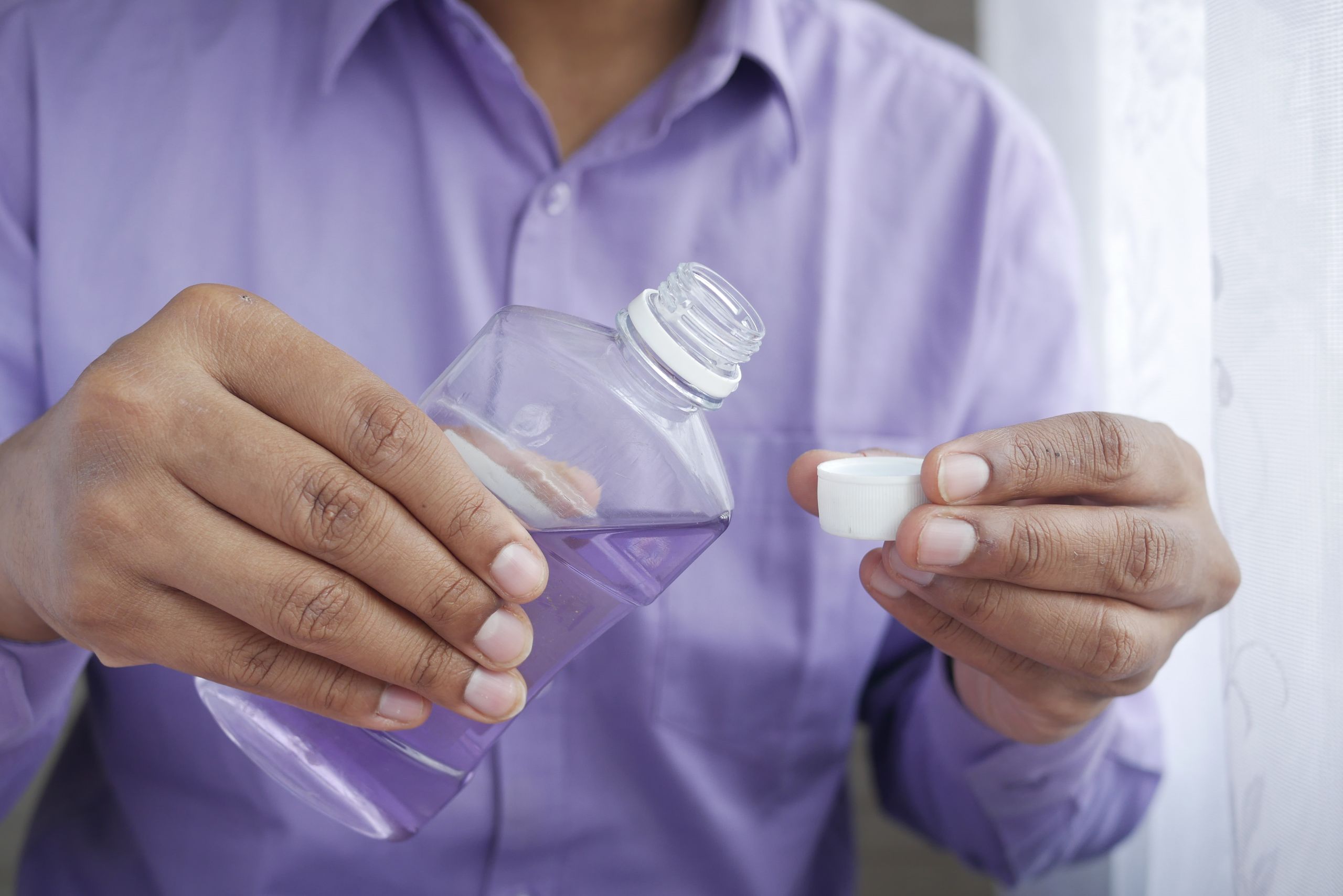
Mouthwash sells a very convincing feeling. The burn, the mint, and the clean aftertaste can make a person feel as if every bad thing in the mouth has been defeated. That feeling is powerful, but the mouth is not supposed to be sterile. It is a living ecosystem filled with bacteria, and some of those bacteria help maintain balance.
Research on potent antimicrobial mouthwashes has raised concerns about their effects on oral bacteria. Chlorhexidine and essential-oil rinses can reduce certain harmful microbes, which is why they have medical and dental uses. Yet they can also disturb the wider microbial community. In some hospital settings, chlorhexidine has been linked to both benefits and potential risks, underscoring how complicated “killing germs” can be.
For everyday use, the lesson is not that every mouthwash is dangerous. The lesson is that more aggressive does not always mean healthier. A mouth that feels blasted clean may not be better if useful bacteria are also reduced. Good brushing, flossing, dental checkups, and targeted mouthwash use may do more for long-term oral health than turning every rinse into a miniature chemical war.
Spine Injections for Chronic Low Back Pain May Offer Too Little Relief
Chronic low back pain can make ordinary life feel smaller. It changes how people sit, sleep, walk, lift groceries, stand in line, work, and rest. That is why people often chase any treatment that promises relief. When pain stays for months, a spinal injection can sound direct, serious, and hopeful.
Recent guidance has questioned that hope for many adults with chronic back pain. Several spinal injection treatments, including steroid injections and nerve blocks, may offer little or no meaningful relief when compared with sham procedures for chronic back pain not caused by cancer, infection, or inflammatory disease. That finding is painful in a different way because it challenges a treatment many patients have trusted.
This matters because back pain is already one of the most common causes of disability worldwide. When a treatment offers limited benefit, patients may lose time, money, and emotional energy chasing relief that never arrives. A better path often requires a broader plan that includes movement, physical therapy, strength-building, sleep support, medication review, and realistic pain-management goals. The needle can look powerful, but real recovery may need more than one dramatic procedure.
Pet Allergies Are Becoming a Bigger Problem for Families
Pet allergies do not sound alarming until a dog scratches all night or a cat licks irritated skin until it becomes infected. Anyone who has lived with a beloved pet knows that animal discomfort quickly becomes household stress. The pet cannot explain the itch. The owner has to guess, worry, clean, pay, and hope the next treatment works.
Insurance and veterinary data suggest allergy-related claims have climbed in recent years. Skin allergies remain one of the most common reasons insured pets need care. That rise may reflect better diagnosis, greater use of pet insurance, environmental changes, longer pollen seasons, or a real increase in allergic disease. The result still looks the same in the living room: scratching, chewing, red skin, ear infections, and repeat vet visits.
Families should not dismiss persistent itching as normal pet behavior. A pet that constantly licks paws, shakes its head, rubs its face, or develops hot spots may need medical attention. Allergies can open the door to secondary infections, and those infections can become painful fast. Modern health does not stop with the humans in the house. The animal sleeping at the foot of the bed may be reacting to the same changing environment.

Microplastics May Be Threatening Food Security From the Soil Up
Microplastics have become the modern world’s unwanted glitter. They show up in oceans, rivers, air, drinking water, food, soil, and even human tissue. For a long time, the worry focused on what these particles might do inside the body. Newer research adds another concern: microplastics may also interfere with the plants and ecosystems that feed us.
Research suggests microplastics can reduce photosynthesis, the process plants use to turn sunlight into energy. That may sound technical, but the consequences are painfully practical. If crops photosynthesize less effectively, yields can fall. If yields fall across staple crops such as wheat, rice, and maize, the damage can spread into grocery prices, hunger, nutrition, and global stability.
This is why plastic pollution is no longer just a beach-cleanup issue. It is a food issue. Tiny particles can move through soil, roots, leaves, water, and supply chains. The plastic we throw away does not simply vanish from the human story. It can return quietly through the systems that grow dinner.
Scented Indoor Products May Be Making Home Air Dirtier
A fresh-smelling home can feel like proof that everything is clean. Pine spray, lemon cleaner, vanilla wax melts, plug-in air fresheners, deodorizing sprays, and scented candles all promise comfort. The problem is that the nose can be easily fooled. A room can smell pleasant and still contain air chemistry we should not be breathing deeply.
Indoor-air research has found that scented products can release compounds that react with ozone, forming tiny particles. Those particles can be small enough to move deep into the lungs. Wax melts are especially interesting because many people see them as cleaner than candles since they do not have an open flame. Flame-free, however, does not always mean pollution-free.
This finding runs counter to one of the strongest habits in modern homes. Many people try to “fix” indoor air by adding fragrance. Cleaner air may require the opposite approach. We may need fewer scented products, better ventilation, fragrance-free cleaners, and less chemical layering. A truly clean home does not need to smell like fake flowers to prove it is safe.
Children’s Screen Time Is Tied to a Rising Myopia Risk
Childhood has moved indoors in a way past generations would barely recognize. Screens now help children learn, play, socialize, watch shows, finish homework, and stay busy when parents are exhausted. That convenience has a cost. More research is linking heavy screen time with a higher risk of myopia, also known as short-sightedness.
Myopia is more than a child needing glasses. Higher levels of myopia can increase the risk of serious eye problems later in life. The concern grows when screen time replaces outdoor time, because time outside appears to help protect children’s visual development. Natural light, distance viewing, and active play give the eyes something screens cannot fully provide.
The answer is not to pretend that modern families can throw away every device. Screens are now part of school, entertainment, and daily life. The better goal is balance. Children need breaks from close-up viewing, regular eye checks, outdoor play, and limits on long, uninterrupted screen sessions. A childhood spent staring at nearby pixels can reshape how a child sees the world in the most literal sense.

Dust Storms Are Carrying More Than Dust
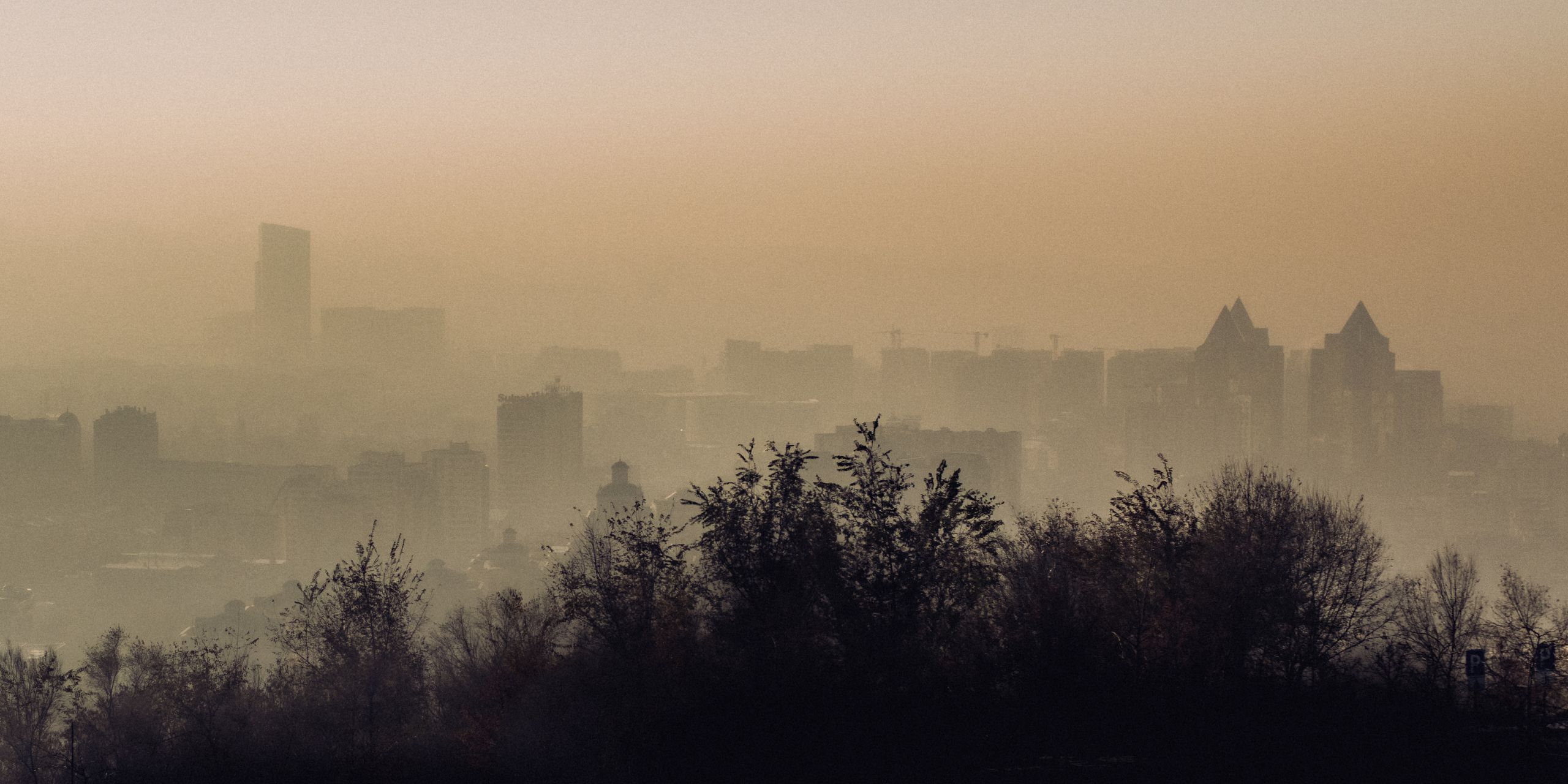
Dust storms used to feel like a distant desert problem. They belonged to dry highways, old photographs, and dramatic weather footage. Now they are becoming a wider health concern because dust does not travel alone. It can carry fine particles, pollutants, allergens, microbes, and traces of human activity across long distances.
The World Health Organization has warned that sand and dust storms increase air pollution. Human activity also contributes to dust emissions through land degradation, deforestation, poor water management, and unsustainable land use. That means some storms are partly natural and partly man-made. When the wind rises, it can lift more than sand from the ground.
This matters for people with asthma, chronic lung disease, heart disease, allergies, or weakened immune systems. Fine dust can enter homes, settle on surfaces, and irritate the lungs. It can also strain hospitals during severe events. A brown sky is not just ugly weather. It can become a moving health threat, especially in places already dealing with heat, drought, pollution, and fragile infrastructure.
Air Pollution Can Hurt Focus Faster Than People Expect
Most people think of air pollution as a long-term danger. We hear about asthma, lung disease, heart disease, stroke, and early death. Those risks are real, but newer research suggests dirty air may also affect the brain more quickly than many people expect. Even brief exposure to particulate matter may reduce focus and make it harder to accurately read emotions.
That finding is unsettling because attention shapes daily life. We need it to drive, shop, work, study, cook, manage money, and avoid mistakes. Emotion recognition matters too. Reading a face correctly helps people respond well in meetings, classrooms, relationships, and public spaces. If polluted air makes people more distracted and less able to interpret emotions, the problem reaches far beyond the lungs.
This turns air quality into a sharper everyday issue. It is not only about what happens after years of exposure. It may also be about how clearly people think after an hour in bad air. Clean air supports the brain, the mood, the body, and the small social judgments that hold ordinary life together. We do not simply breathe the environment. We think inside it.
Key Takeaways
The most disturbing health findings are not always attached to strange diseases or extreme behavior. Many now come from ordinary modern routines: drinking wine, taking daily aspirin without guidance, using strong mouthwash, chasing back-pain injections, filling homes with fragrance, letting screens dominate childhood, or ignoring the invisible pollution in the air and soil.
The answer is not fear. The answer is sharper attention. We can question old health myths, use fewer unnecessary products, ask better medical questions, protect children’s outdoor time, improve indoor air, and take environmental pollution more seriously. Every day life may look worse under the microscope, but that same microscope gives us a chance to make smarter choices before small exposures become the norm.