The pandemic tested families in ways no one could rehearse for. Parents had to juggle fear, remote school, job stress, health rules, closed playgrounds, and kids who were suddenly home all day. A Ranker list from April 2020 captured how some parents turned that pressure into shocking, selfish, or just plain messy behavior, drawing more than 444,000 views and thousands of votes from readers.
That does not mean parenting during that period was easy. The American Psychological Association reported that 76% of parents with children ages 8 to 12 said the 2019 to 2020 school year became extremely stressful because of the pandemic. Still, stress explains pressure, not bad behavior, and some parents made already hard moments even harder for everyone around them.
Treating Remote Learning Like a Personal Attack
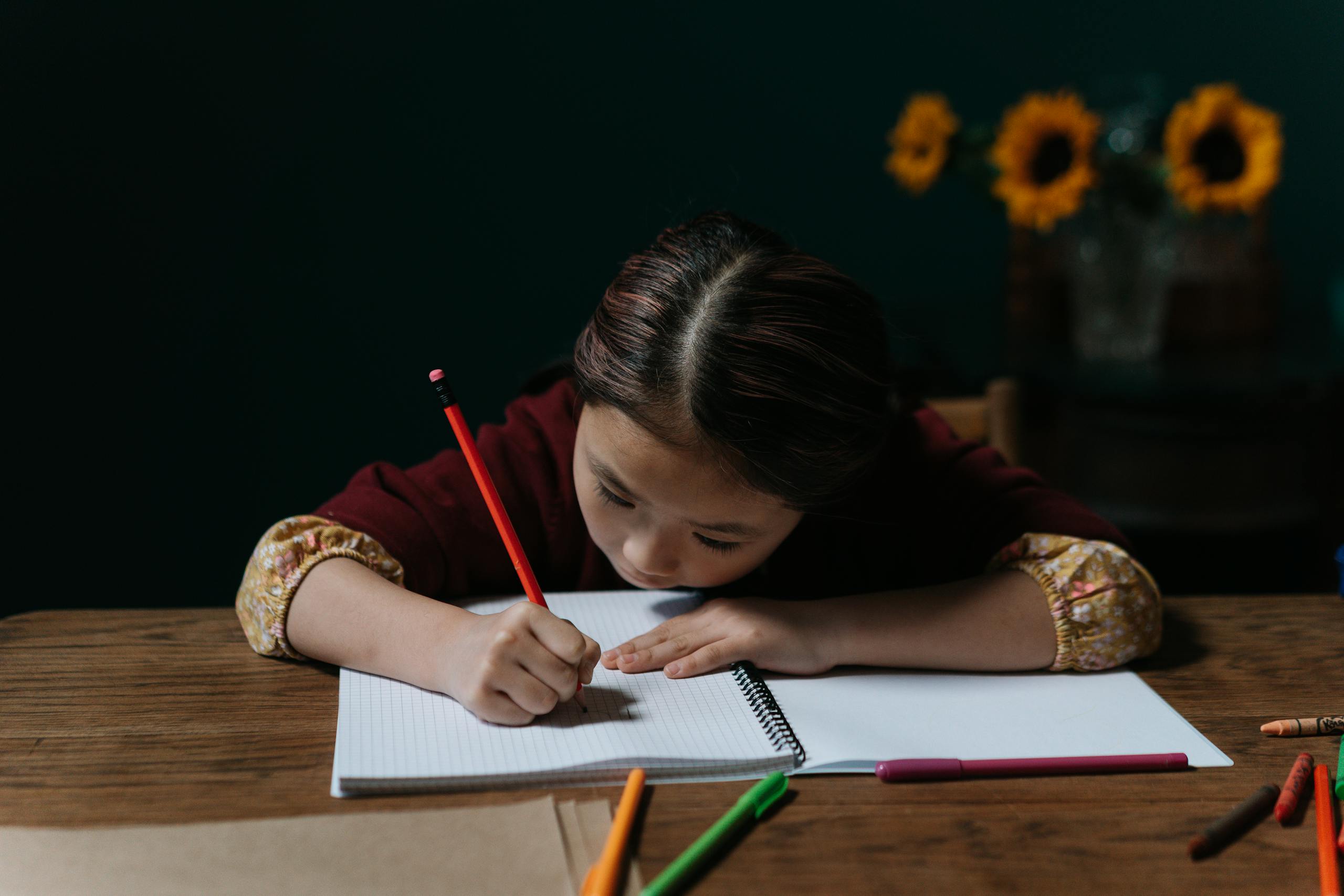
Some parents acted as if online school was created just to ruin their day. Instead of seeing teachers, children, and other parents as people trapped in the same difficult situation, they treated every class link, worksheet, and video call like an insult.
The frustration was real, but the reaction often missed the point. Pew Research Center found that many parents worried their children would fall behind during online learning, which made the pressure feel even heavier at home. The problem came when adults dumped that pressure on teachers or kids instead of looking for workable routines.
Turning Safety Rules Into a Family Power Struggle
Masks, distancing, and school rules became emotional battlegrounds in many homes. Some parents treated basic safety requests as personal disrespect, even when the goal was to protect older relatives, children, teachers, and neighbors.
That kind of reaction made family life feel like a debate stage. Children often watched adults argue over things they barely understood, and that confusion added another layer of fear to an already strange season.
Making Their Child’s Anxiety About Themselves
Many children were scared during the pandemic, but some parents seemed more interested in being praised for “handling everything” than actually listening. A child could say they were lonely, worried, or overwhelmed, and the parent would turn the moment into a speech about their own sacrifice.
That kind of response can make kids feel invisible. Children do not always need a perfect answer. Sometimes, they simply need an adult to stop performing strength and admit, “Yes, this is hard, and I am here with you.”
Acting Like Teachers Were Personal Assistants
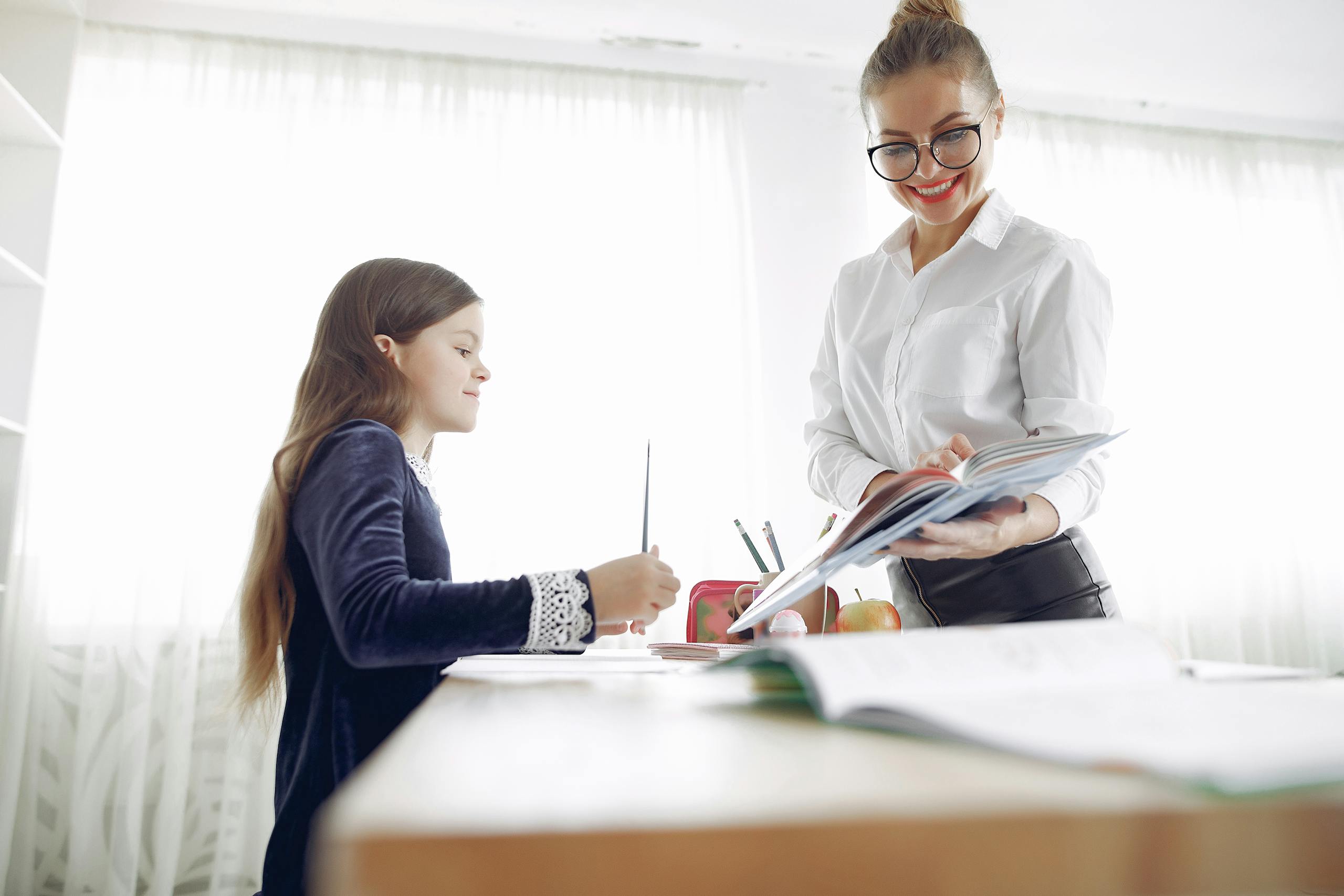
Teachers became tech support, counselors, lesson planners, and emotional anchors overnight. Some parents still acted like teachers were lazy or unavailable because a video link failed or an email took too long to answer.
That attitude ignored the reality that teachers were also managing crisis conditions. Many were teaching from home, caring for their own families, and trying to keep classrooms alive through screens. Blaming them for every inconvenience only made the system more strained.
Using Guilt To Control Adult Children
Some parents used the pandemic to tighten control over adult children. They framed every boundary as betrayal, every independent choice as disrespect, and every missed visit as proof that their child did not care.
That kind of guilt hits hard because family fear was already high. A healthy parent could say, “I miss you, but I understand.” A controlling parent turned the same moment into emotional debt.
Dismissing People Who Were Alone
Lockdown felt different for everyone. Some people were packed into busy homes, and others were completely alone for weeks or months. The most insensitive parents acted as if loneliness were a joke because they personally had children or a spouse nearby.
That response showed a major lack of empathy. Being surrounded by family brought its own stress, but being alone during a global crisis could feel deeply frightening. Pain did not need to become a competition.
Pretending Kids Were Immune To Everything
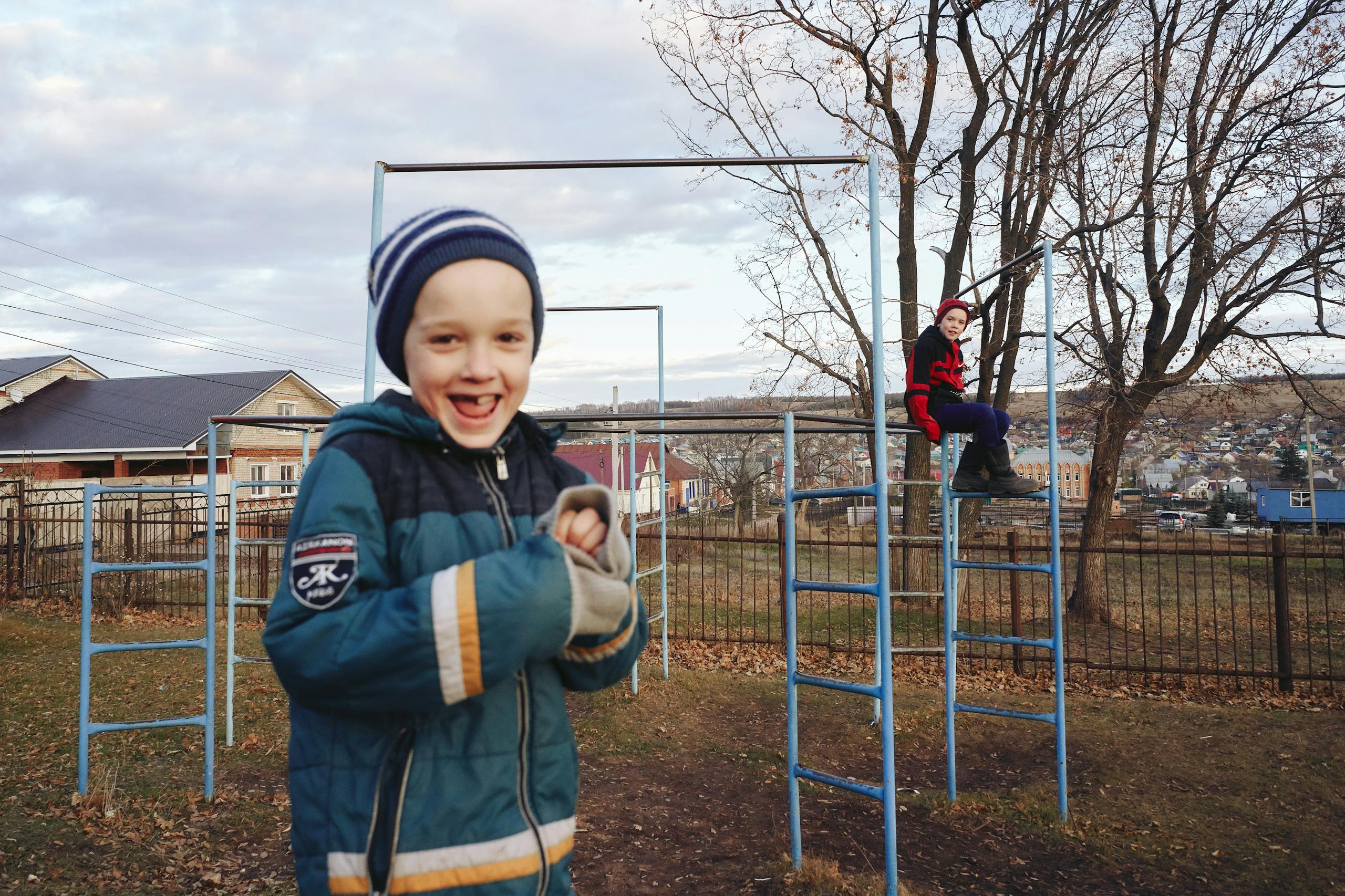
Some parents acted as if children could not get sick, spread illness, or feel emotional distress. They treated caution like weakness and ignored the fact that children were also processing a world that suddenly felt unsafe.
Research later showed that the pandemic affected young people’s mental health in serious ways, with studies finding increases in depression and anxiety symptoms among children and adolescents during that period. That makes the “kids are fine” attitude look even more careless in hindsight.
Turning Family Chats Into Panic Rooms
Some parents flooded group chats with rumors, dramatic warnings, and half-read headlines. Instead of helping relatives stay informed, they made every notification feel like a siren.
Information mattered, but panic did not help. Families needed calm updates, clear plans, and trustworthy sources. What they often got instead was emotional chaos wrapped in all caps.
Expecting Children To Entertain Them
A strange thing happened in some homes. Parents who were bored, anxious, or lonely began leaning on their kids for constant entertainment, emotional comfort, or distraction.
That flipped the emotional order of the household. Children needed support from adults, not the pressure of keeping adults happy all day. A child can be loving without becoming a parent’s personal coping strategy.
Refusing To Respect Work From Home Boundaries
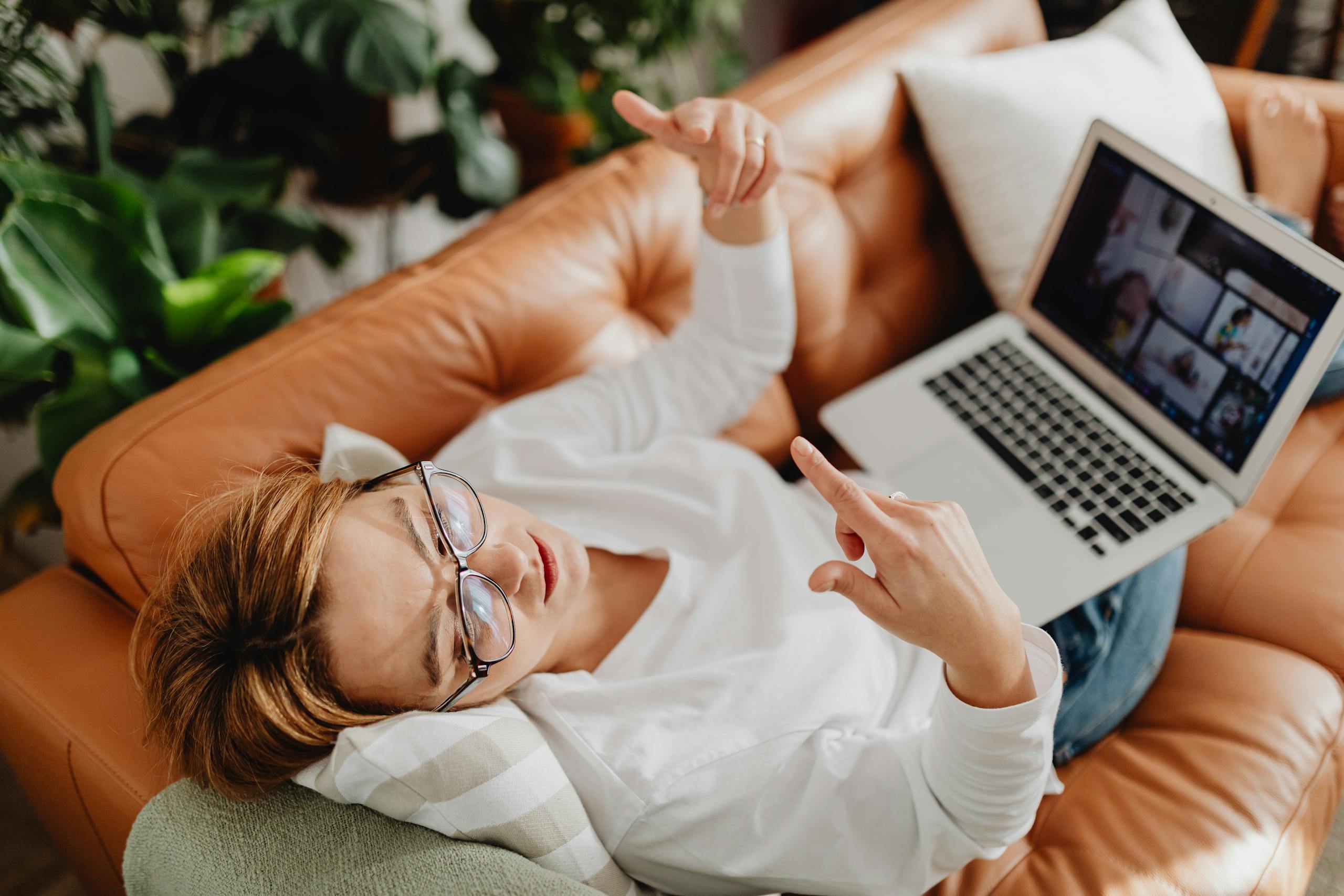
Many adults worked from kitchens, bedrooms, and living rooms. Some parents still treated remote work as fake work, interrupting meetings, demanding favors, or assuming someone at home was automatically available.
That became especially frustrating for grown children living with their families. A laptop at the table did not mean “free time.” It often meant the person was trying to keep a job during one of the most unstable periods in recent memory.
Conclusion
Pandemic parenting was never going to look perfect. Families were scared, schools were closed, jobs were uncertain, and children were trying to understand a crisis even adults could barely explain. Still, the parents who made every hardship about themselves left a lesson that goes beyond COVID.
Hard seasons reveal character. They show who listens, who blames, who protects, and who performs. The parents people remember most are not the ones who had perfect routines. They are the ones who made a frightening time feel a little safer instead of a lot heavier.